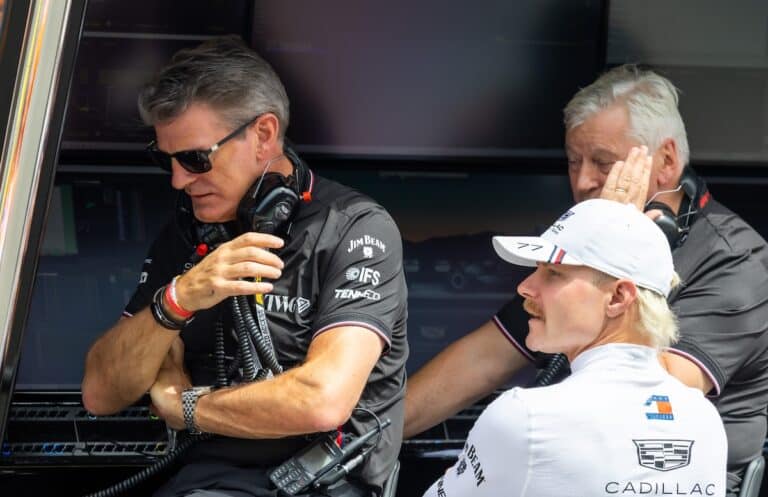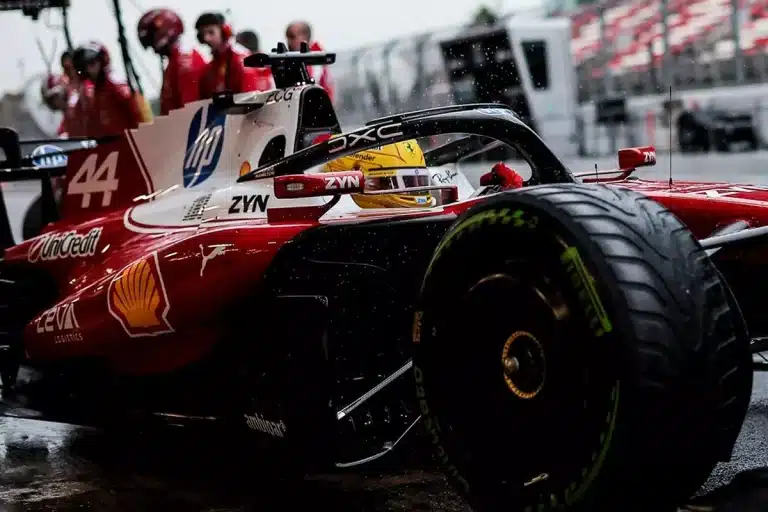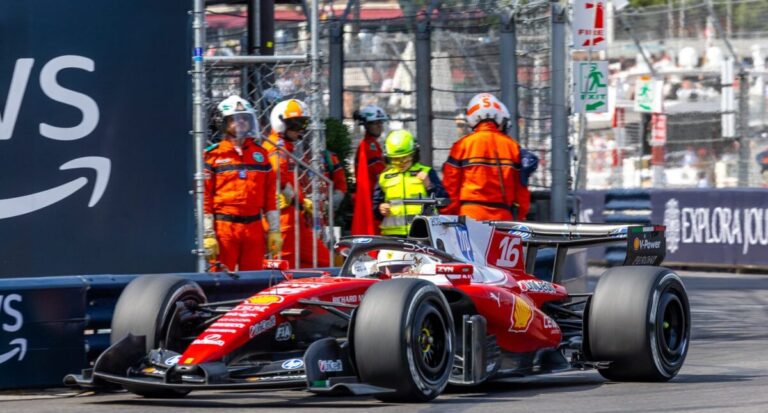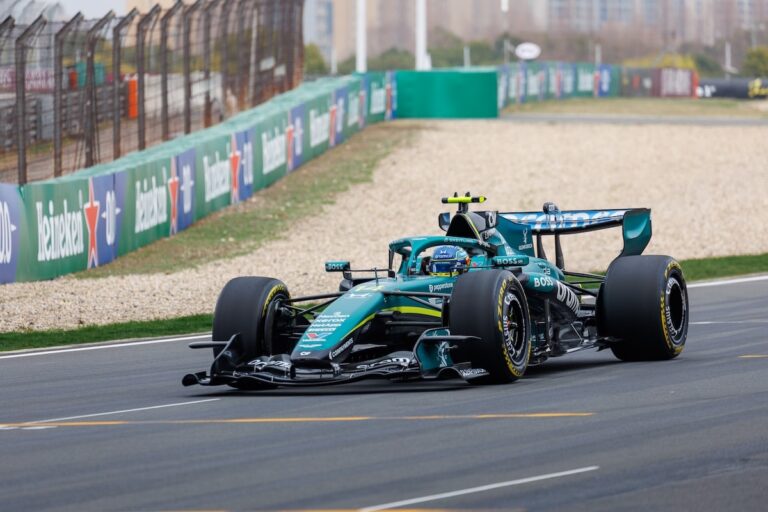
Ferrari produced the standout performance of opening practice at the Hungaroring, a circuit long regarded as one of the most difficult on the calendar for overtaking. Charles Leclerc set the pace in FP1, before Lewis Hamilton went quickest in the afternoon session to complete a Ferrari one-two ahead of his teammate. The result suggests the Scuderia’s chassis is genuinely well suited to this tight, twisting track, with the team’s aerodynamic upgrade delivering the gains engineers had promised, even though the power unit is expected to play a smaller role here than at higher-speed venues.
Max Verstappen, by contrast, endured a familiar story. Red Bull reported setup issues and downshift problems, leaving the reigning contender fourth on the timesheet and, by his own admission, held back by the car. It was a repeat of a pattern seen on several Fridays this season, one that has become almost routine for the team.
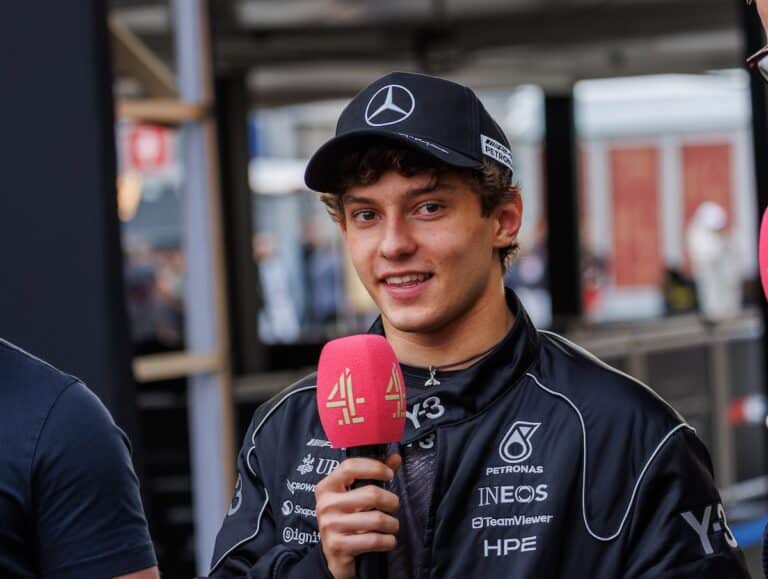
Mercedes appeared off the pace on paper, with rookie Kimi Antonelli only 13th after a stoppage in FP1, and George Russell describing his car as badly out of balance. Given the team’s tendency to find performance overnight, however, this is being treated as standard Friday behaviour rather than cause for concern heading into Saturday.
Aston Martin’s Long-Awaited B-Spec Finally Arrives
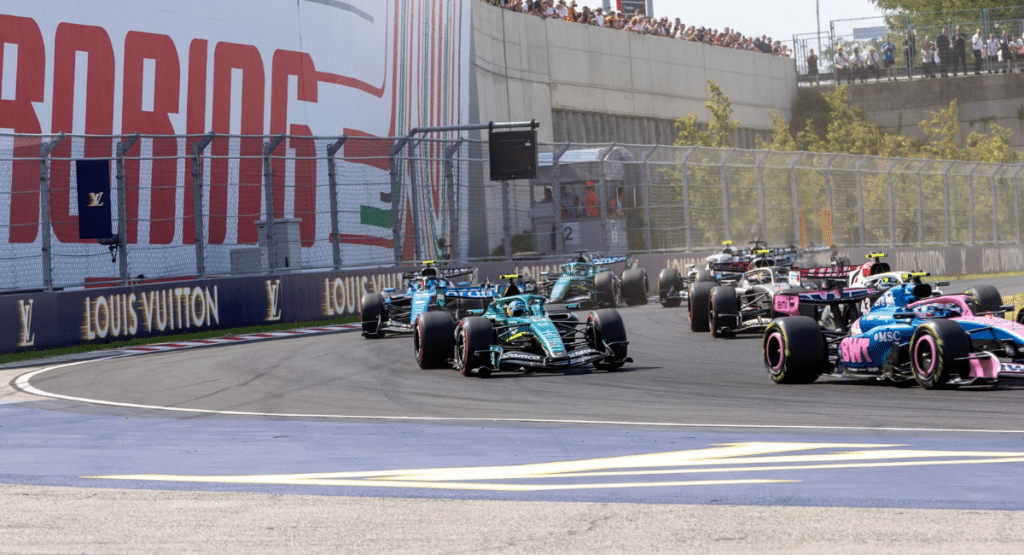
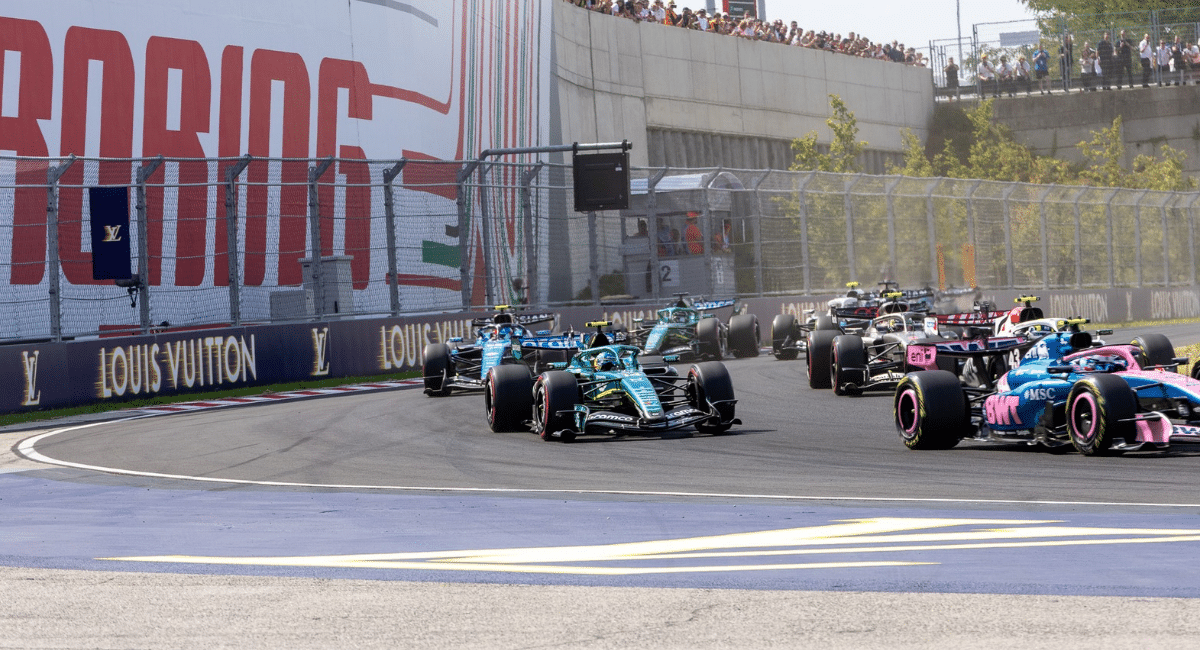
The biggest story of the day, though, came from Aston Martin. After weeks of anticipation, the team’s B-spec upgrade made its track debut in Budapest, and the car looked visibly different, with heavy flow-visualisation paint covering the bodywork, floor and rear surfaces. That level of coverage is typical for a major upgrade, but rarely applied this extensively, underlining just how much aerodynamic data the team was hoping to gather across both sessions.
Fernando Alonso finished FP2 in 19th place, sandwiched between the two Cadillacs, but the more revealing figure was his gap to the fastest lap: just under three seconds, roughly a full second closer to competitive pace than before the upgrade. Sources close to the team suggested a further gain toward the two-second mark is a realistic target for the remainder of the weekend as setup work continues. Should that materialise, Aston Martin could finish the weekend ahead of Cadillac, a scenario that would have seemed unlikely a fortnight ago.
The day was not without setbacks. Lance Stroll suffered a suspected left-rear suspension failure in FP1, spinning the car and bringing out the red flags. Mechanics could not complete repairs in time for FP2, costing Stroll his entire Friday programme and leaving Alonso to collect data alone through the afternoon. Design chief Adrian Newey addressed the failure in the Friday press conference, confirming that the affected area of the car had not been altered as part of the B-spec package, a detail that matters given how limited the team’s spare parts currently are.
Newey Manages Expectations, Points to Honda Progress
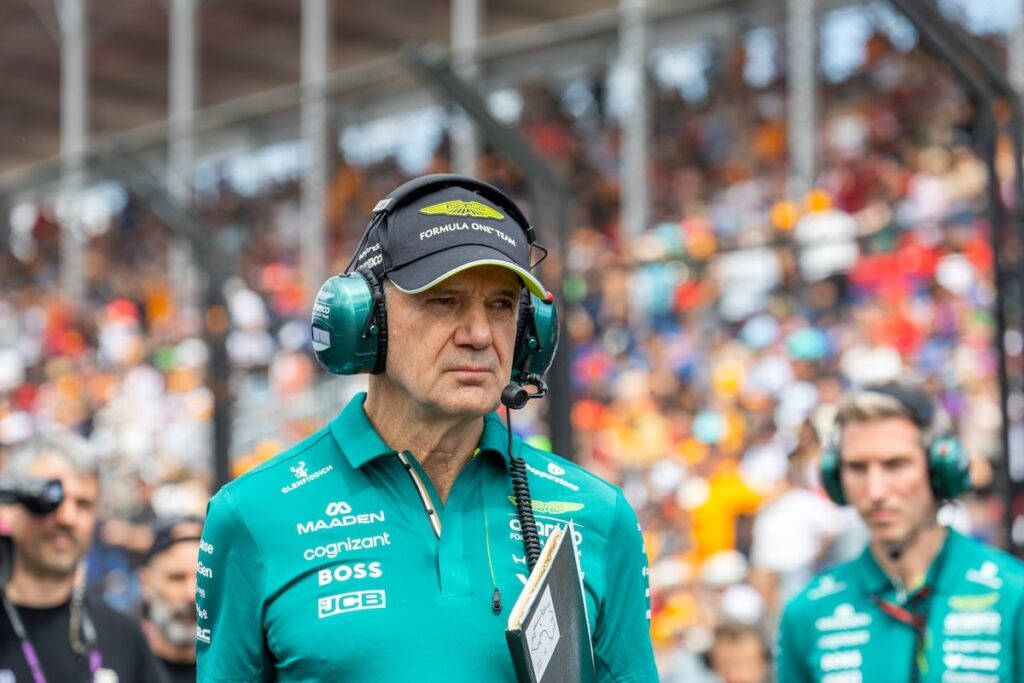
Newey offered little in the way of hard numbers, in what has become a familiar exercise in understatement. He described the provisional results as “promising,” said he has “never been a fan of setting goals,” and preferred to work logically through problems. Asked directly whether the B-spec made Aston Martin the fastest car on the grid, he was blunt: not yet, but it represents a genuine step forward. His stated target for the weekend was modest, hoping simply for “a point and respectability,” a phrase echoed almost word for word by other senior figures at the team in separate media sessions.
The most significant remark, however, concerned Honda. Asked how the partnership has evolved since Australia, Newey pointed not to power output but to relationship, describing a difficult start that has nonetheless forged a close working relationship between Aston Martin and Honda. Normally, he suggested, improved relationships translate into improved performance. Newey confirmed Hungary represents only the aerodynamic phase of a two-part recovery plan, with the new Honda power unit arriving at Zandvoort, followed by further updates at Monza and Baku.
Hirakawa Makes His Intentions Clear
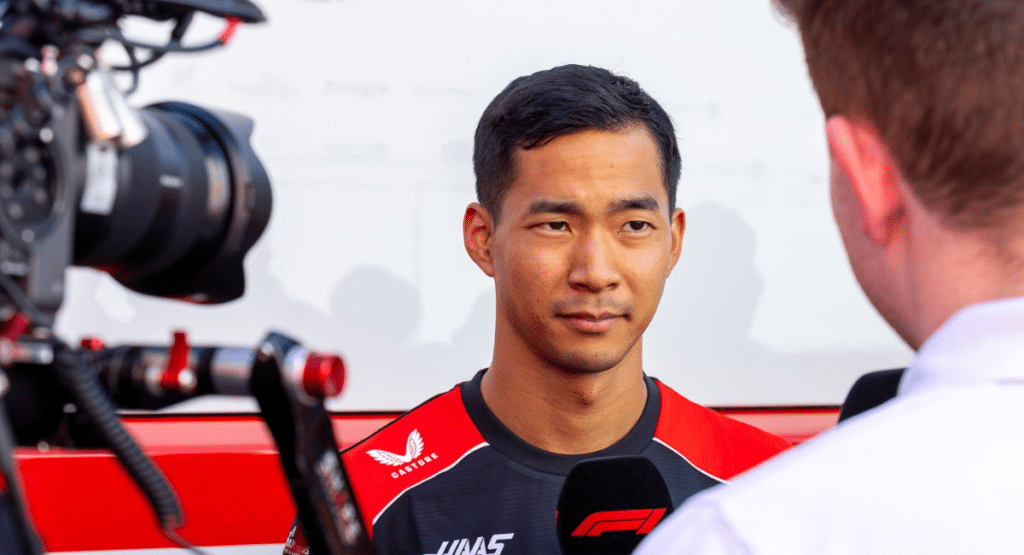
Away from the headline upgrade, a quieter but significant story unfolded in the paddock. Rio Hirakawa completed his second FP1 outing of the season, deputising for Oliver Bearman at Haas and finishing 17th, nine tenths behind teammate Esteban Ocon. The lap time was not the story; his comments afterwards were. Now nine FP1 sessions deep across his reserve career, spanning Haas, Alpine and McLaren, Hirakawa was asked directly about his path to a race seat. His answer was unambiguous: as soon as possible.
He confirmed a decision on his next step is expected by the end of the year, with two more FP1 outings planned before then. Team principal Ayao Komatsu has stressed that selection will be based on merit rather than nationality, but Hirakawa comes with strong backing from Toyota and reportedly comes highly recommended within the team, positioning him as a genuine contender should Ocon depart. Beyond his own ambitions, Hirakawa has spoken of a broader mission to help develop a pathway for future Japanese drivers in Formula 1, a role that could prove significant regardless of how his own seat situation resolves.
▶ Watch our complete Hungarian Grand Prix Friday in our video report below and subscribe to The Motion Report for the complete lap-by-lap analysis, tyre strategy breakdown, and what to watch for on race day.
Hungarian Grand Prix, F1 2026, Ferrari, Aston Martin, Adrian Newey, Rio Hirakawa, Formula 1 News, F1 Friday Practice
Read More
- Why 16 of Formula 1’s 22 Drivers Now Call Monaco Home
- Aston Martin Gambles Season on the 2026 Hungarian Grand Prix Upgrade
- Which Formula 1 Drivers Actually Own Private Jets in 2026?
- Quiet Paddock, Loud Style: Inside the 2026 Belgian Grand Prix’s Fashion Scene
- F1 2027 Driver Market: Verstappen’s Silence Speaks Louder Than Words at Spa