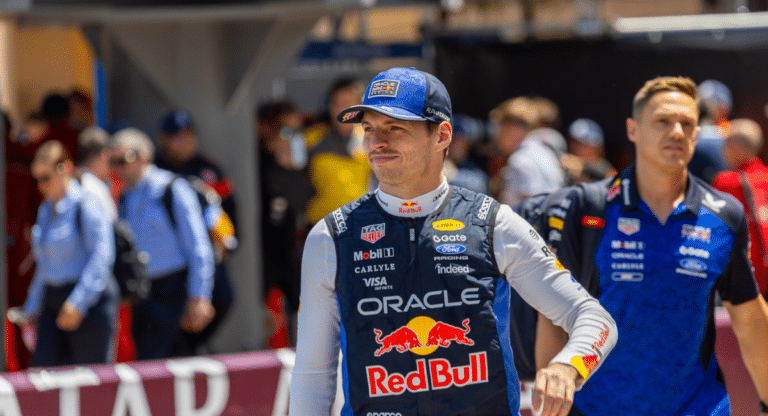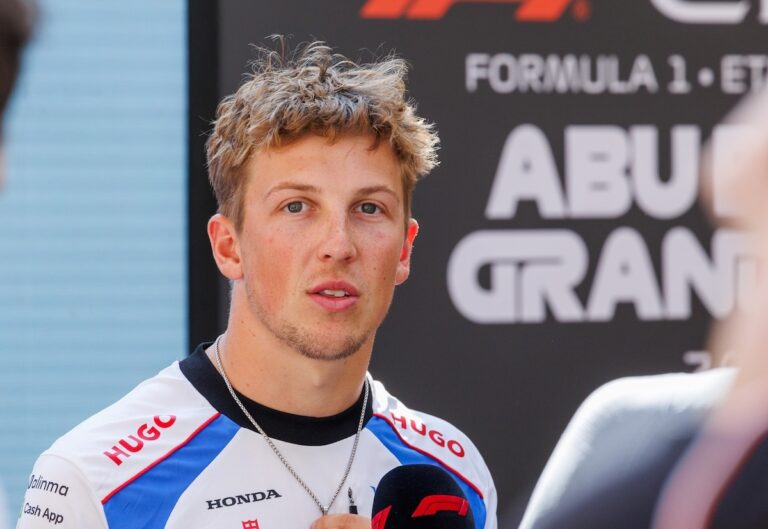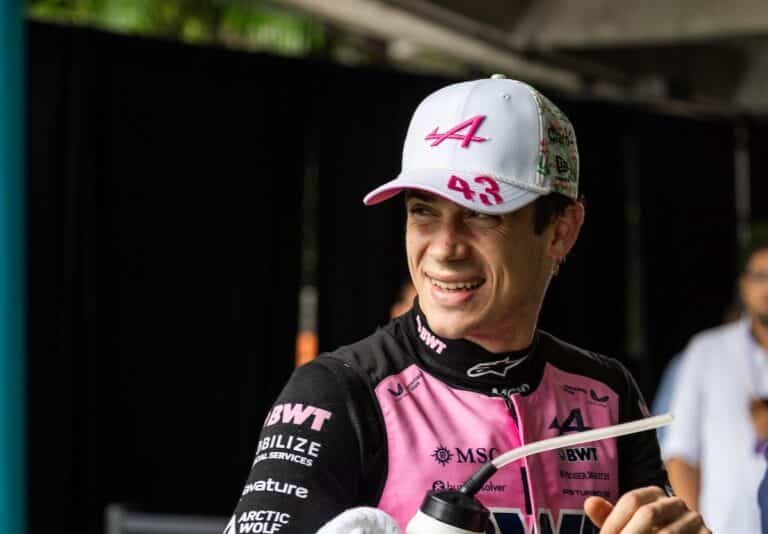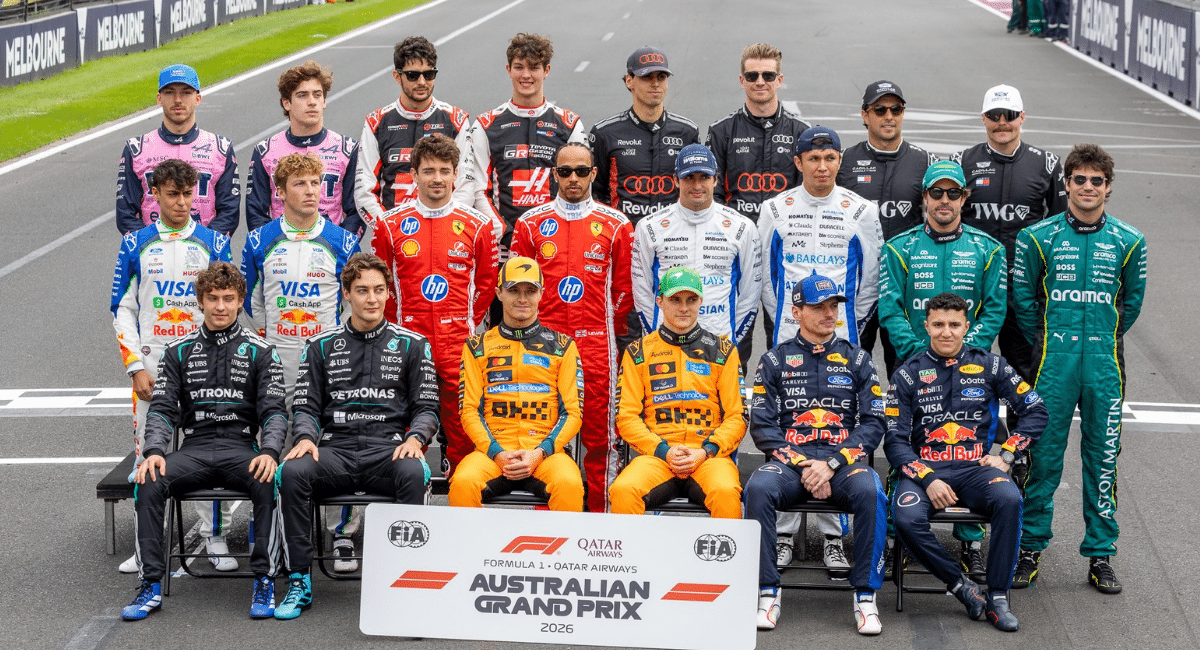
Fourteen drivers on the current Formula One grid live within the two square kilometres of Monaco — a principality smaller than New York’s Central Park. The reasons have been debated since the Jackie Stewart era, but the pull remains as strong as ever: zero income tax, zero wealth tax, zero capital gains tax and zero inheritance tax. For a driver earning $10m a year, that arrangement can be worth $4m to $5m annually, money that would otherwise go to a national treasury. Over a career, the savings become almost fictional. Max Verstappen reportedly moved to Monaco the day after he turned 18, the first legally possible moment to establish residency there. One estimate put his career tax saving from that single decision at £172m.
But the financial case is only part of the story. This is an investigation into why so many of Formula One’s biggest names have settled in the same small stretch of the French Riviera — and why a growing number are quietly asking whether it still works for them.
The Appeal: Tax, Location and Security
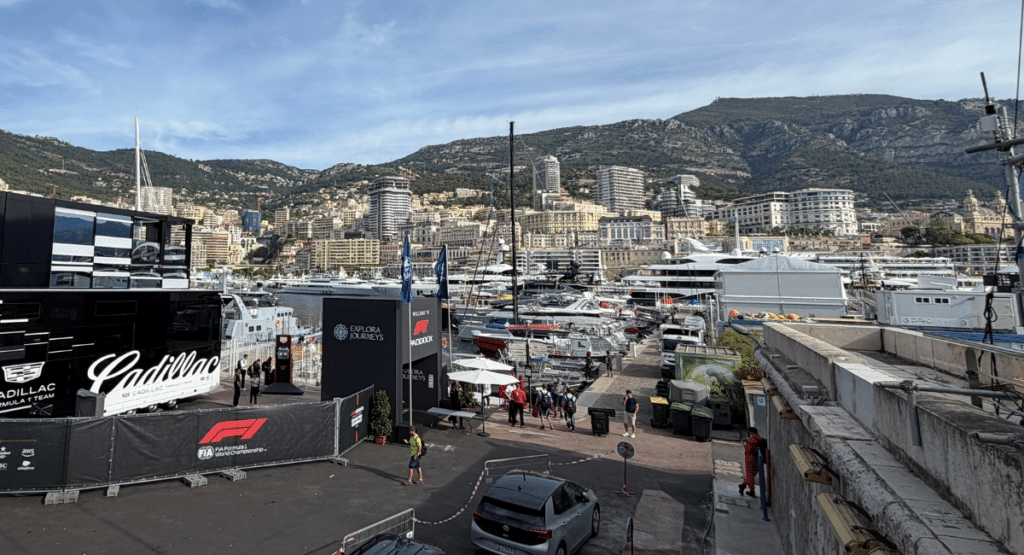
Geography matters in a sport that takes its competitors to 24 races across five continents for nine months of the year. Monaco sits 15 minutes from Nice airport, two hours from Monza, Barcelona, Silverstone and Spa. When a race weekend ends and the paddock disperses, home for 14 drivers on the 2026 grid is a short car ride away. During the Monaco Grand Prix itself, the one race every driver wants to win above all others, they sleep in their own beds the night before qualifying while their rivals settle into hotel rooms in an unfamiliar city.
Then there is privacy, protected in Monaco not by convention but by law. Professional photographers and videographers operating in the principality need written government permission to work. The result, in theory, is no paparazzi culture: no long lenses through restaurant windows, no photographers camped outside apartment blocks at dawn. For drivers who cannot otherwise walk through most cities on Earth without being filmed, that legal shield has offered something rare — the chance to simply exist.
Monaco also runs one of the most sophisticated security networks of any small territory in the world. CCTV covers virtually every public space, feeding into a centralised command centre, and the ratio of police to residents is among the highest in Europe. For drivers used to being managed and shepherded through public spaces, that structural safety carries real value.
The Downside: A Principality With No Escape
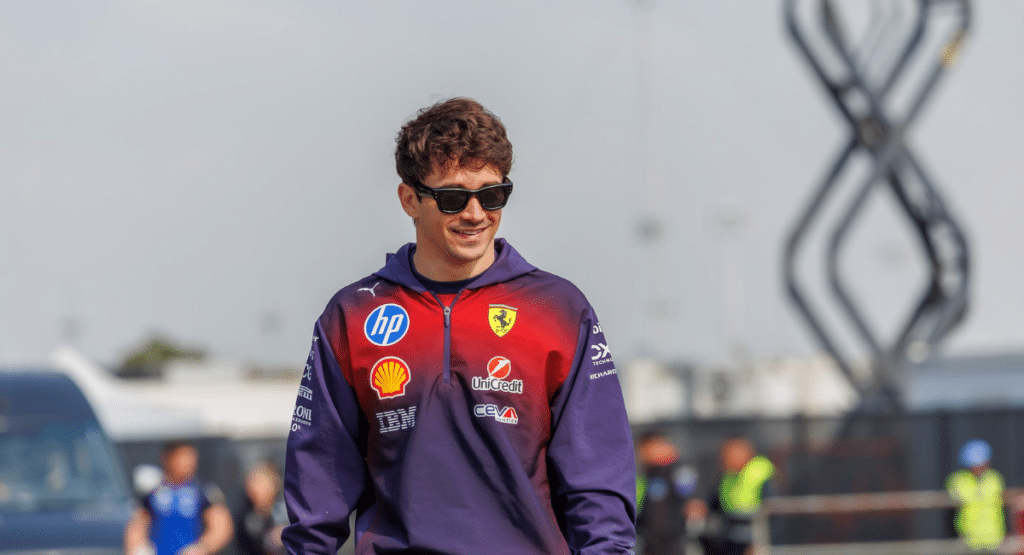
Yet Monaco’s compactness — the very quality that makes it navigable and secure — has a cost. Charles Leclerc, born and raised in the principality, has had to publicly ask fans to stop ringing his doorbell. Not journalists. Not photographers. Fans who had simply found his building and decided that was reasonable. Franco Colapinto, a national hero to millions of Argentinians, has had training runs filmed and posted online before he had even finished them.
The photography laws protect drivers from professionals with long lenses. They do nothing to stop a teenager with a phone who has looked up which building a world champion lives in. Monaco has also become one of the world’s premier supercar-spotting destinations, with YouTube channels built entirely around footage shot on streets where professional photography supposedly requires government permission. The paparazzi, in effect, never left. They simply stopped being paid.
Size compounds the problem. Under two square kilometres, with roughly 36,000 residents, Monaco has no countryside, no woods, no open road that doesn’t cross into France within minutes. For ten months of the year, it is already one of the most visited places in Europe; during Grand Prix week, its population swells to nearly 100,000. Some drivers who live there choose to leave the principality entirely for race week, an irony not lost on those who cover the sport closely.
Alternatives Emerging on the Grid
Not every driver has followed the crowd to the harbour. Michael Schumacher never lived in Monaco, choosing a private estate near Lake Geneva instead in Switzerland, with land, horses and a countryside life largely shielded from public view. His neighbour, three-time champion Jackie Stewart, raised his family there too, and three generations of the Stewart family have since stayed. Switzerland’s cantonal tax system, while not entirely tax-free, remains highly competitive for high earners with the right structure — and offers the same proximity to Europe’s race calendar via Geneva airport.
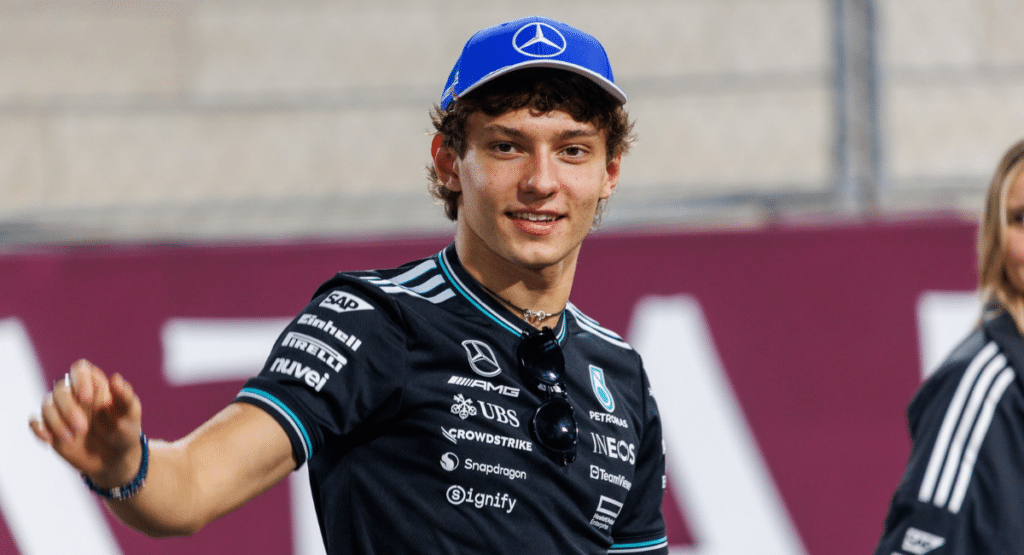
More recently, Andrea Kimi Antonelli has settled in San Marino, a small landlocked republic inside Italy with a territorial tax system that exempts foreign-earned income. Financially, the arrangement is close to Monaco’s; geographically, it comes without the tourist density, the supercar spotters or the doorbell incidents.
Is Monaco Wrong for the Grid?
The answer, according to those who know the principality best, is not straightforward. For Leclerc, Monaco isn’t a financial instrument dressed up as a home — it is simply home, the place where he was born, married, and where his father once raced. Nico Rosberg grew up there before it was ever a tax strategy, and continued to raise his own children in the same city after retiring at the peak of his career, with no financial obligation left to justify the choice.
Younger drivers, meanwhile, point to community. Lando Norris and George Russell have both spoken about the value of a peer group living within minutes of each other after a gruelling nine-month season. For drivers in their twenties navigating fame, pressure and constant travel, that social infrastructure is not a minor convenience — it can be central to their ability to switch off.
So Monaco is not wrong, but it is not automatically right either. It is a trade-off between visibility and findability, between community and claustrophobia, that plays out differently for a driver in his twenties than for a retired world champion, and differently again for someone born within its borders versus someone who arrived purely for the tax bill.
▶ Watch the full breakdown below and subscribe to our YouTube channel — The Motion Report — for more exclusive F1 lifestyle coverage.
Formula 1, Monaco, F1 Drivers, Charles Leclerc, F1 Lifestyle, Tax Residency, Franco Colapinto, Paddock Life
Read More
- F1 2027: The Race to Fill Haas’s Last Open Seat
- Inside the Private Garages of Formula 1’s Biggest Stars
- F1 WAGs 2026: Who’s Together, Who’s Split, and Who’s Back on the Market
- Yuki Tsunoda Opens Up on Films, Music, and His Bond With Pierre Gasly
- F1 2027 Driver Market: Verstappen’s Silence Leaves the Grid in Limbo