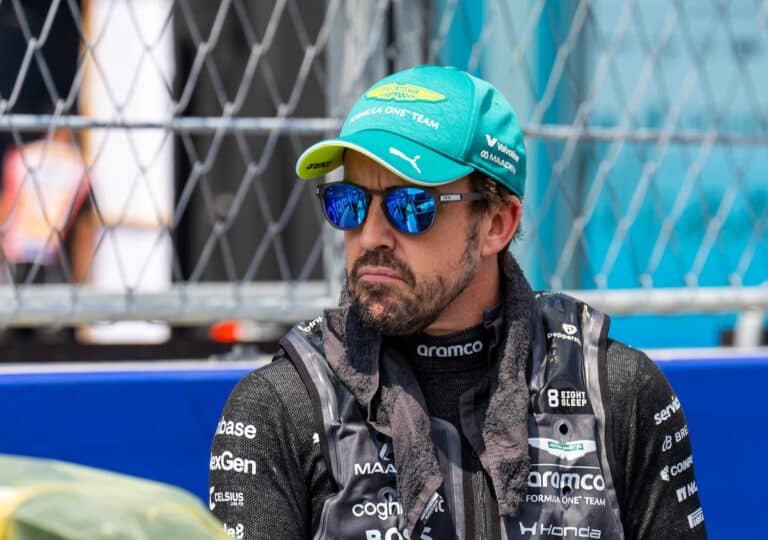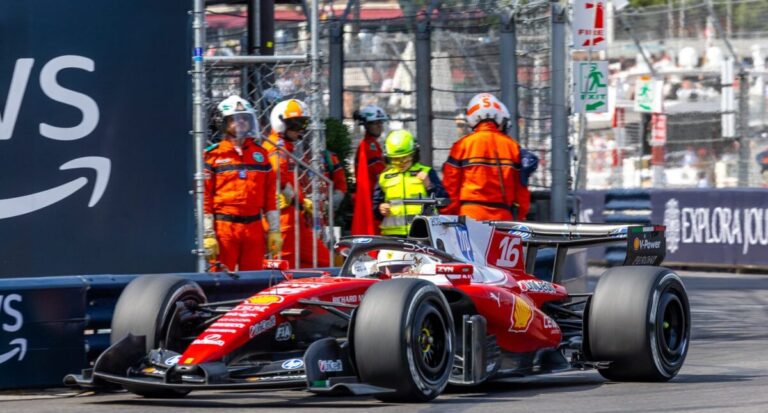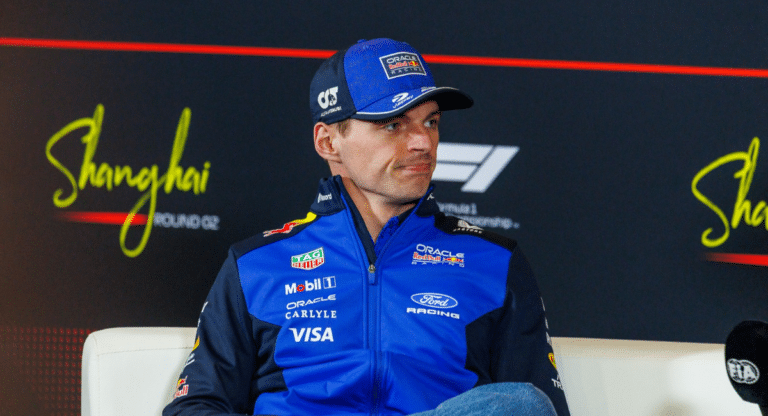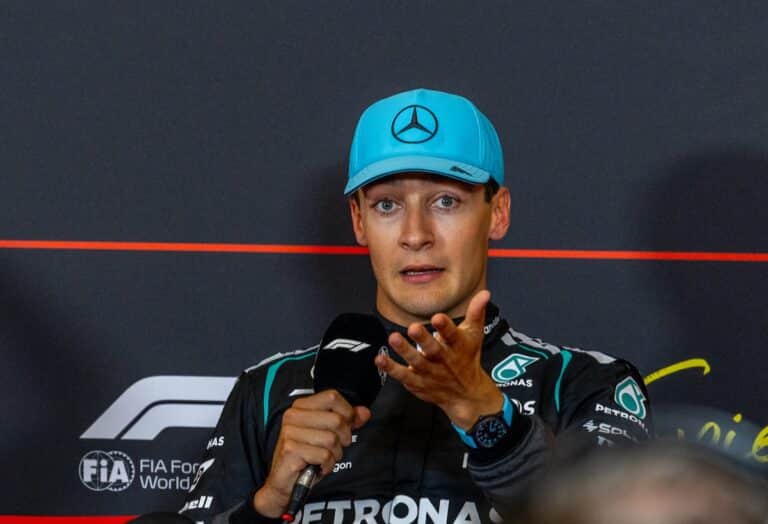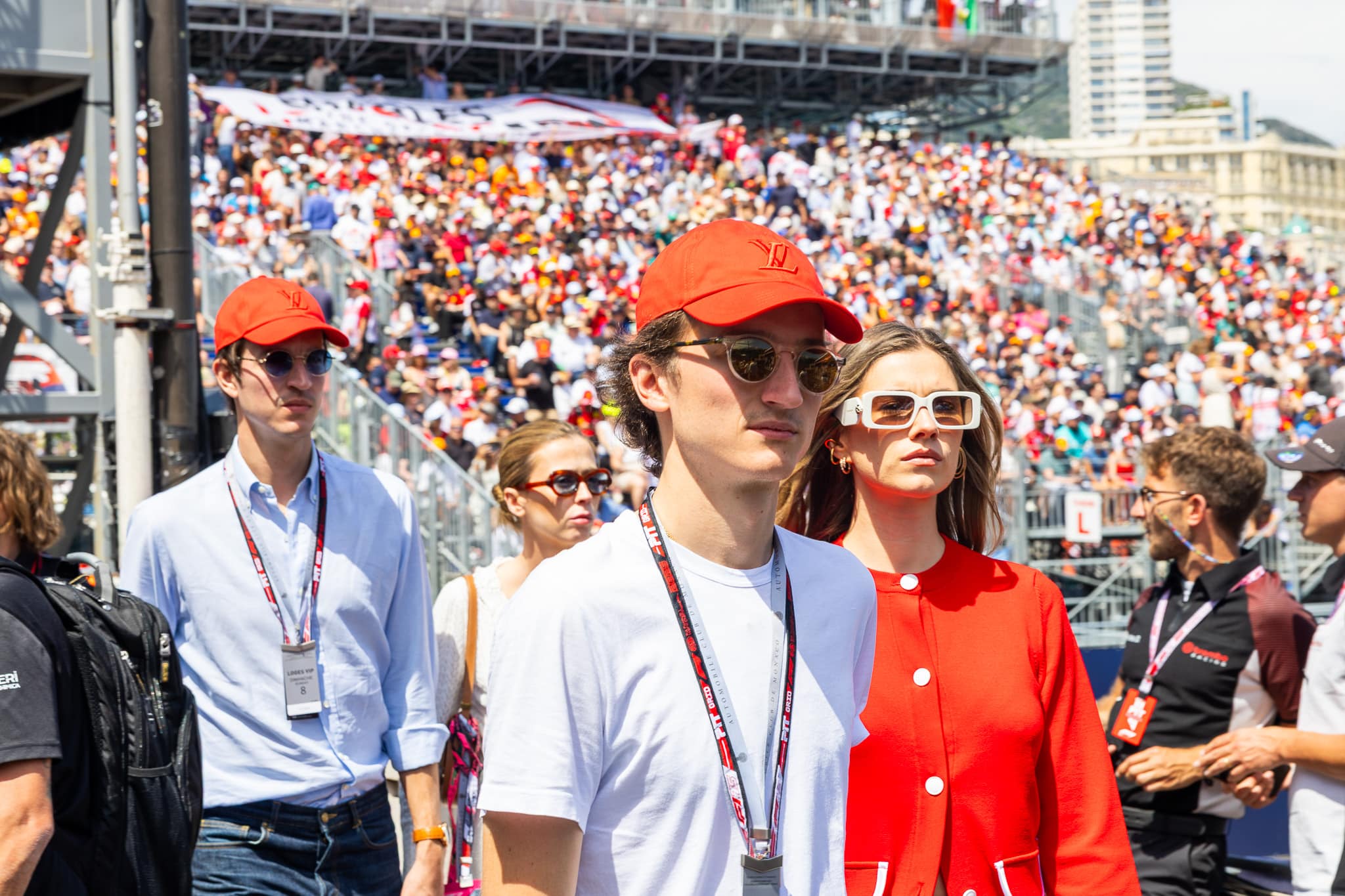
Fourteen of the world’s most recognisable racing drivers share a single postcode in a principality smaller than Central Park. It is a phenomenon that has defined Formula 1 culture for decades — but the question of whether Monaco still delivers on its promise is becoming harder to avoid.
The Financial Case: Zero Tax, Maximum Savings
Monaco levies no income tax, no wealth tax, no capital gains tax and no inheritance tax. For a driver earning $10 million a year, that equates to between $4 million and $5 million retained annually that would otherwise be surrendered to a home government. Max Verstappen moved to Monaco the day after his 18th birthday — the first legally possible moment to establish independent residency. One estimate places his career tax saving from that single decision at £172 million.
Geography and the Race Calendar Advantage
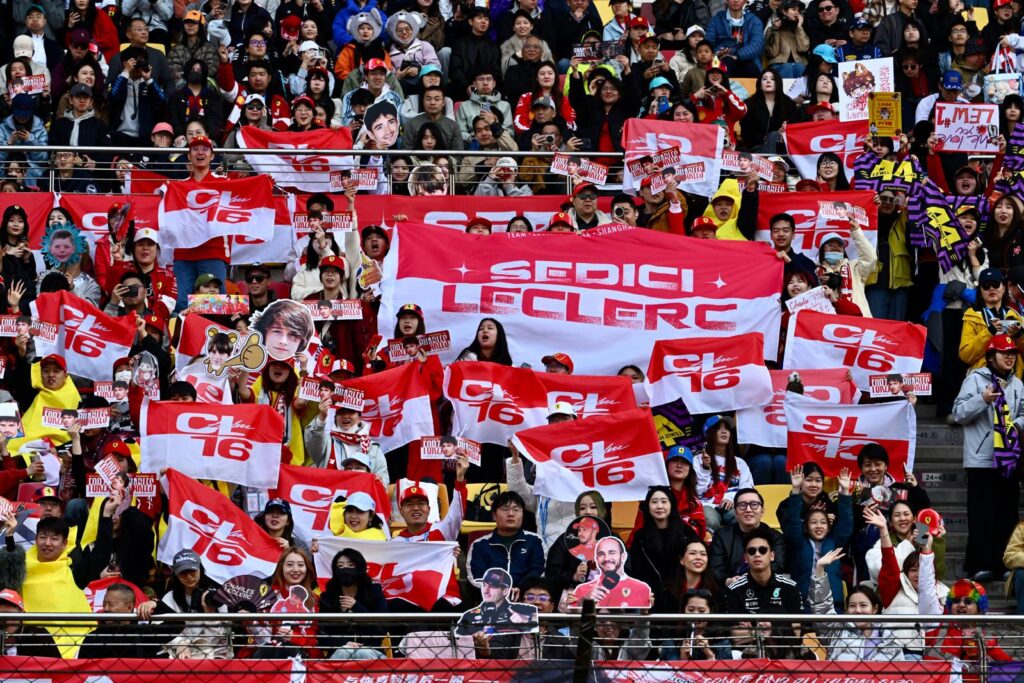
Monaco sits 15 minutes from Nice Airport. Monza, Barcelona, Silverstone and Spa are each within two hours by air. For drivers competing across 24 races on five continents, the ability to return home swiftly between grands prix is operationally significant. During the Monaco Grand Prix itself, resident drivers sleep in their own beds the night before qualifying — while rivals manage hotel logistics across a city that is not theirs.
Privacy, Security — and Its Limits
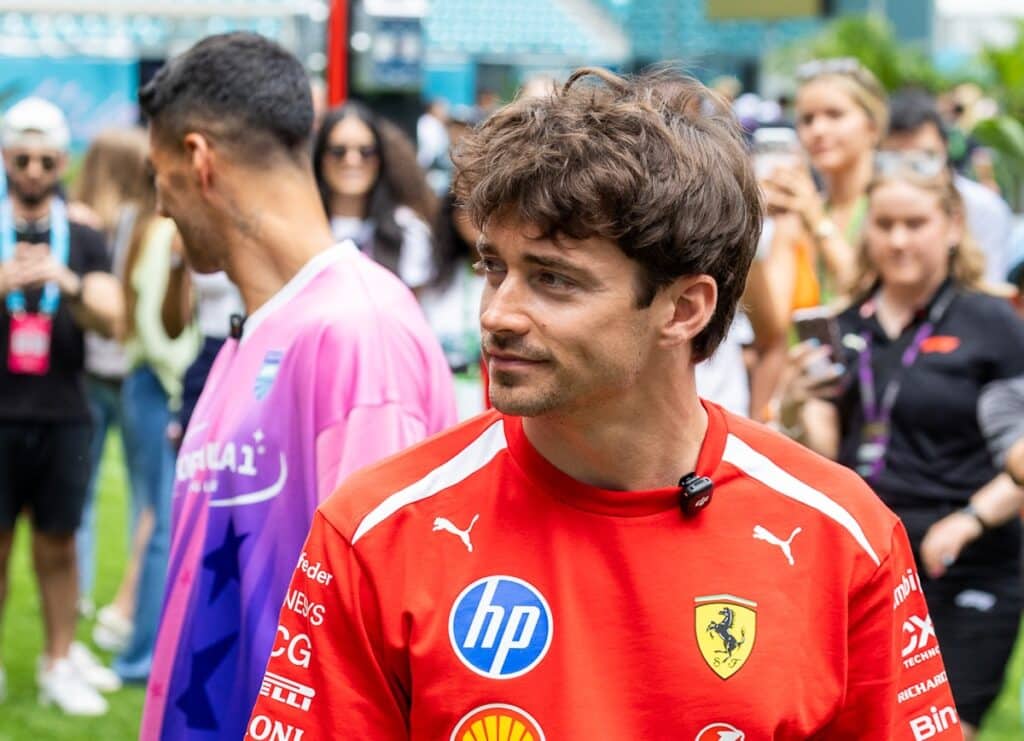
Professional photographers operating in Monaco require written government permission. The result, in theory, is a principality free from paparazzi culture. In practice, Charles Leclerc was forced to publicly ask fans to stop ringing his doorbell. The photography laws protect drivers from professionals with long lenses. They offer no protection against a determined fan with a smartphone who has already looked up which building a world champion lives in.
“The paparazzi didn’t disappear from Monaco. They just became unpaid.”
The Alternative: Switzerland and the Schumacher Model
Michael Schumacher never lived in Monaco. He chose Gland, on the southern shore of Lake Geneva — a private estate surrounded by land, horses and Alps, where visitors arrive by invitation only. The right Swiss canton offers a tax picture that, while not zero, remains highly manageable. The European race calendar is equally accessible. What changes is everything else: open roads, forests, trails, and a front door the world cannot find. Andrea Kimi Antonelli chose San Marino, a landlocked principality inside Italy whose territorial tax system exempts foreign-earned income entirely.
Is Monaco Still Earning It?
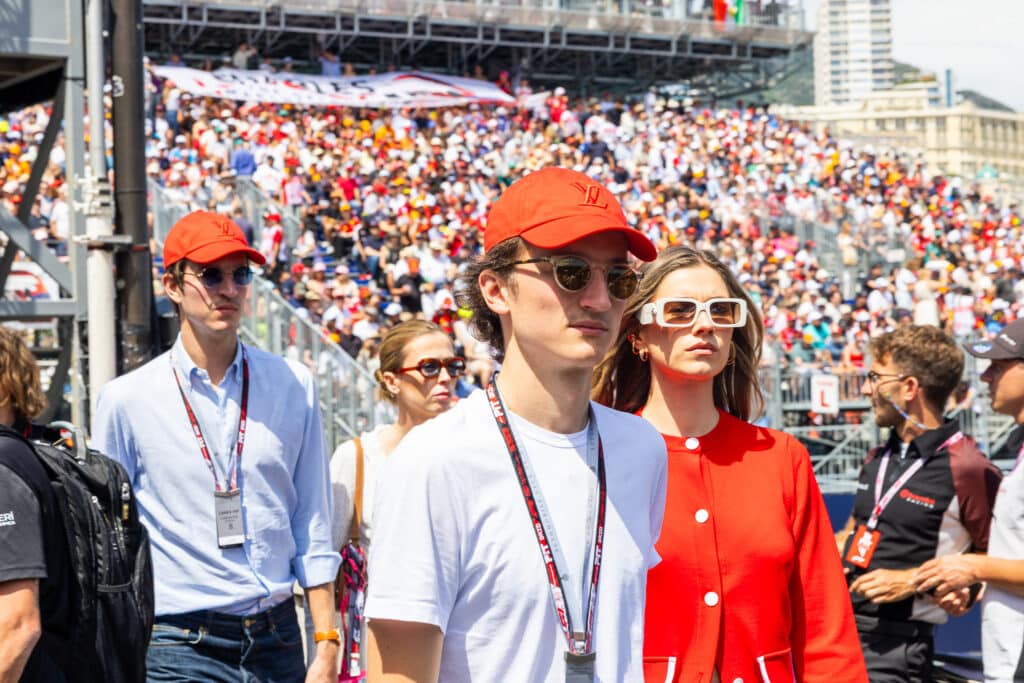
For Charles Leclerc, who holds a Monegasque passport and grew up watching Formula 1 cars pass his school, the question is irrelevant — Monaco is simply home. For a 22-year-old Argentine national hero who relocated from Buenos Aires to Fontvieille, it remains an exciting new world. But for others, the walls of a two-square-kilometre principality eventually close in. The case for Monaco has never been stronger on paper. Whether it matches life on the ground is a more complicated answer.
Read More
- Where Every F1 Driver Lives in 2026 — The Complete Summer Report
- F1 in Crisis: FIA Confirms 2027 Engine Overhaul as Drivers Revolt Over 2026 Regulations
- The Hadjar Trap: Can Isack Hadjar Survive at Red Bull in 2026?
- Alexandra Leclerc’s Paddock Style at Miami GP Sparks Online Debate
- Miami Grand Prix 2026: Messi Meets Colapinto as F1 WAGs Steal the Paddock