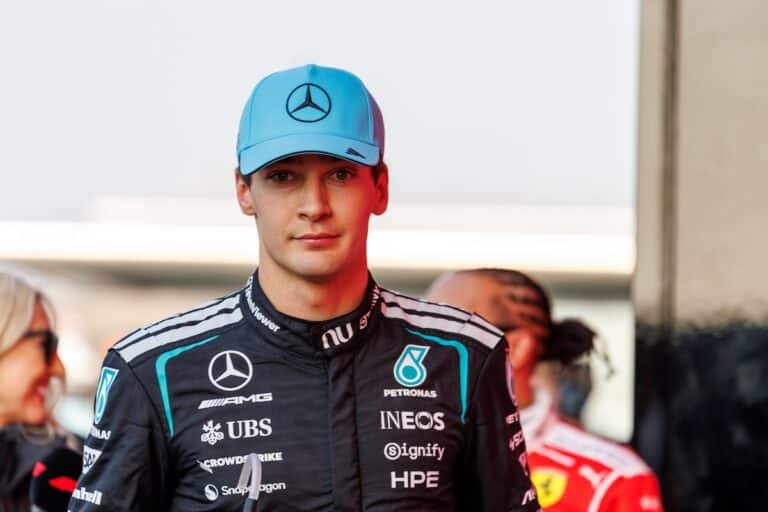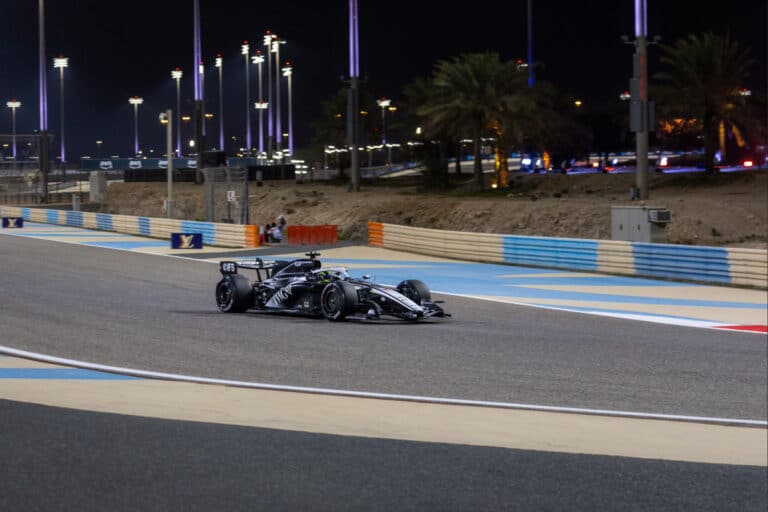
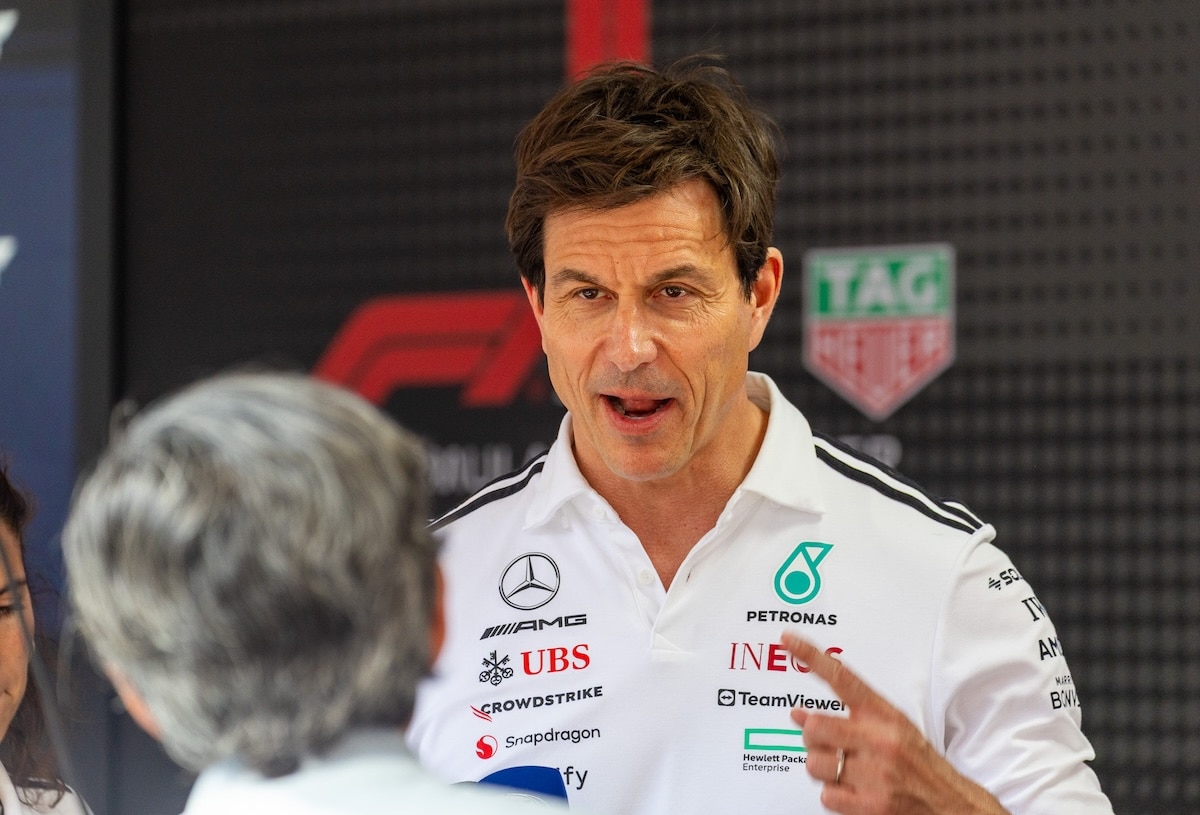
While the 2026 Formula One season is only just beginning to take shape, one conclusion already feels difficult to ignore: Mercedes appears to hold the most complete overall package on the grid — and quite possibly the strongest power unit of the new regulation era.
On track, the signs point to stability. Mercedes-powered teams look composed, reliable, and well integrated. The power unit appears robust, efficient, and fully understood by those running it.
Away from the circuit, however, the picture is less harmonious.
Behind the scenes, tension is building between Mercedes and its customer teams. Toto Wolff knows Mercedes likely supplies the benchmark engine in Formula One. He also knows what happens when that advantage benefits others more than the factory team itself.
Supplying the field is one thing. Losing championships to it is another.
Toto Wolff’s Unspoken Signal
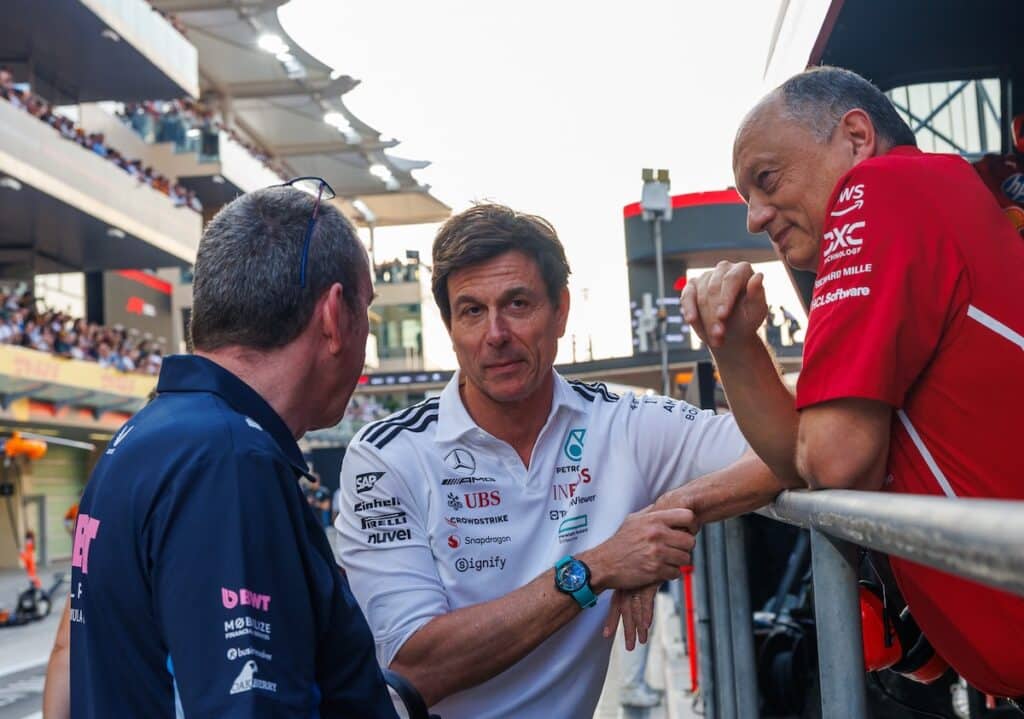
At the centre of this discussion sits Toto Wolff.
Throughout 2025 and into early 2026, Wolff has been unusually open about the strain of supplying multiple customer teams alongside running Mercedes’ own works operation. In interviews and paddock conversations, he acknowledged that supporting three additional teams places significant demands on personnel, logistics, and development bandwidth.
After the 2025 season, he went further. Speaking to Formula One’s official channels and subsequent media outlets, Wolff suggested that the ideal number of customer teams under the new regulations would be “between two and three.”
On the surface, this appears to be an operational concern. Managing updates, calibration, and technical support across several teams is undeniably complex.
But there is another dimension.
Multiple customer teams also bring advantages: greater political influence in regulatory discussions, more cars generating valuable data, and additional seats for Mercedes-backed drivers. From a purely technical standpoint, every customer car functions as a rolling test platform.
Manufacturers such as Honda or Audi, supplying fewer teams, do not enjoy that same breadth of information.
For that reason, many inside the paddock believe Wolff’s comments were not purely logistical — but strategic.
Because when a customer team wins championships using your engine, the balance shifts. The optics become uncomfortable. The hierarchy blurs.
In Formula One, factory teams exist to win titles themselves.
And when that priority is challenged, partnerships are quietly reassessed.
McLaren: Success With Limits

McLaren’s position is the most straightforward — and potentially the most sensitive.
They are competitive. Well funded. Operationally strong. And they proved in 2025 that they can win championships.
But they remain a customer.
Winning a title while the Mercedes factory team struggled to secure second place in the Constructors’ Championship was not an ideal outcome for Brackley. Few inside the sport believe that scenario would be welcomed again.
The structural difference explains why.
A works team designs its chassis and power unit together from day one. Cooling, packaging, electronics, and software evolve in parallel. Nothing is retrofitted. Nothing is compromised.
Customer teams receive the power unit later and must adapt their car around it. Even with close cooperation, optimisation time is reduced. Integration is never quite as seamless.
On paper, the difference appears small.
Over a season, it rarely is.
That contrast has already been visible in how programmes unfold. Mercedes tends to look composed and ahead of schedule. Customer teams, even highly competent ones like McLaren, often appear reactive — solving issues rather than refining performance.
History suggests that when a leading manufacturer senses even a marginal disadvantage, it seeks greater control.
That logic explains why Aston Martin committed to a full works partnership with Honda. Independence offers certainty.
If McLaren reaches the same conclusion, alternatives begin to look attractive.
Honda as a Strategic Alternative
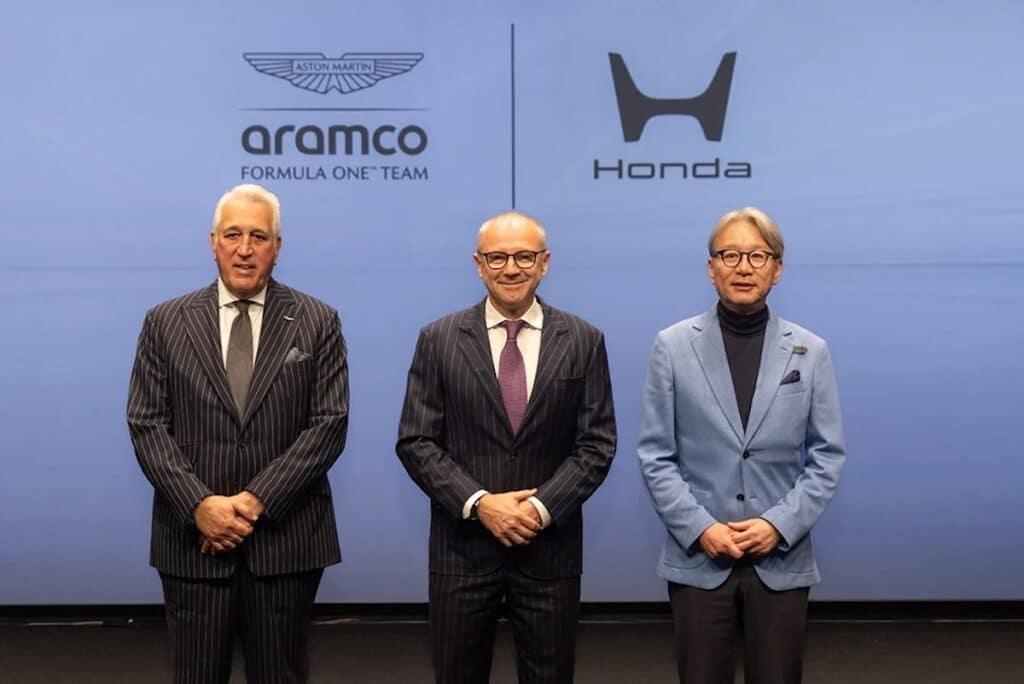
Honda is widely understood to be open to supplying additional teams.
More customers mean more data, faster development, and greater influence when regulations are debated. Each additional car becomes another stream of information — something Mercedes currently benefits from and something Honda lacks.
There is precedent.
During Honda’s rebuilding phase with Toro Rosso, the manufacturer embedded itself deeply within the junior team, using it as a live development platform. That approach accelerated learning and ultimately contributed to championship success with Red Bull.
For McLaren, a similar arrangement could offer something closer to factory-level attention, rather than shared priority within a crowded customer structure.
The question, as always, is competitiveness.
Insiders suggest Honda may still trail Mercedes slightly, largely due to lost development time during its temporary withdrawal. Whether that gap can be closed quickly enough will determine whether any realignment becomes viable.
In Formula One, engine decisions are rarely emotional.
They are strategic.
Alpine and the Horner Variable
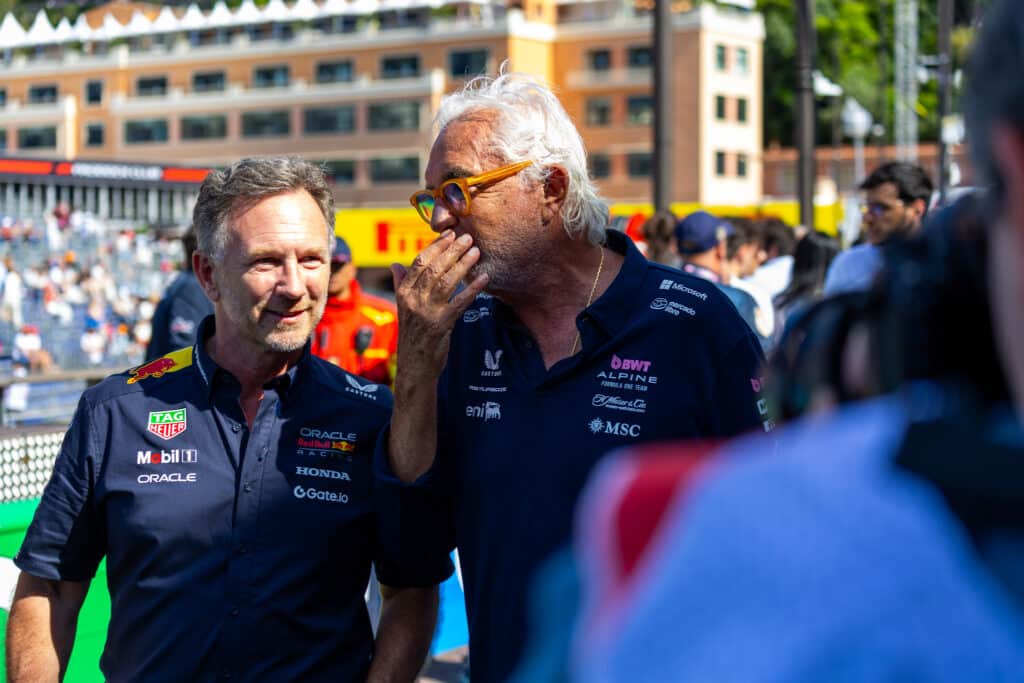
Alpine presents a different equation.
The Mercedes supply agreement only begins in 2026 and runs through at least 2030. It was a pragmatic decision, driven by the simple reality that competitiveness requires a competitive engine.
Under the current structure, the relationship works.
But it could become fragile if a new variable enters the picture.
Christian Horner has been linked to potential involvement in Alpine’s ownership structure, reportedly exploring the acquisition of a stake currently held by Otro Capital. Were he to become involved, the dynamics could shift quickly.
Horner and Wolff are not natural allies. History suggests that rivalry between the two rarely remains confined to the circuit.
In such a scenario, the engine partnership would become a strategic question rather than a purely technical one. Horner has always treated the driver and technical markets pragmatically. If he believed a different path improved Alpine’s long-term prospects, he would pursue it.
From Mercedes’ perspective, any disruption would be easier to manage if it came from a customer choosing to leave rather than being forced out.
Once again, Honda would represent the most logical alternative — particularly given the history of success between Horner and the Japanese manufacturer.
For now, Alpine’s position appears secure.
The future is simply less settled.
Williams: Stability Through Trust
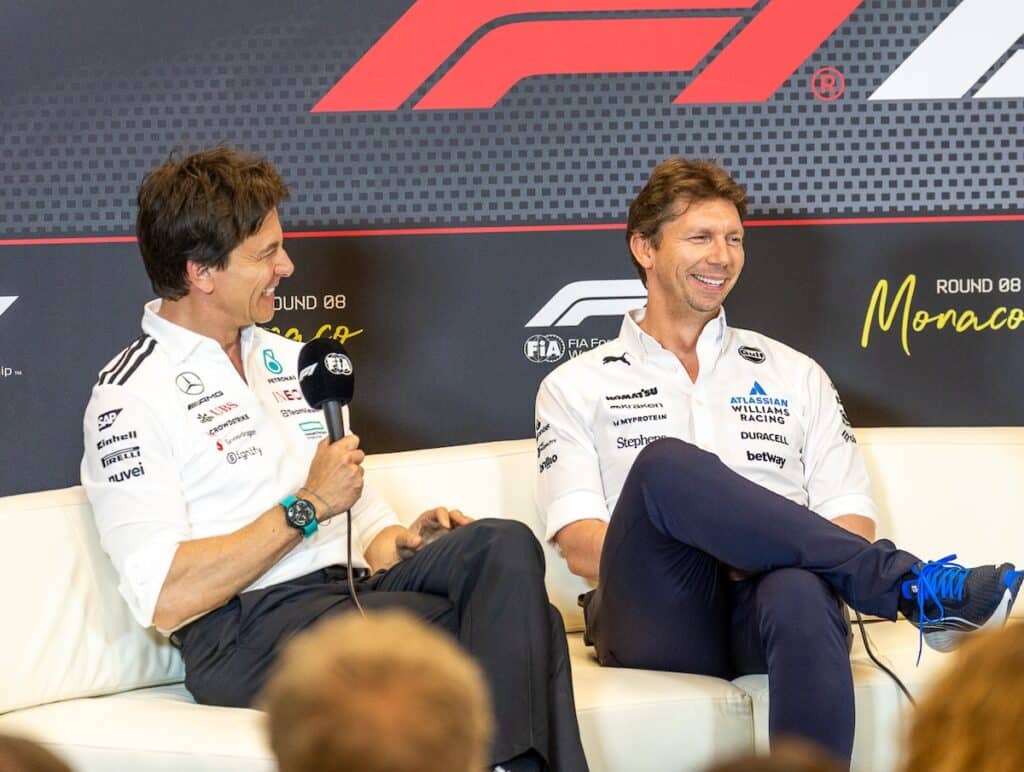
Williams stands apart. The relationship between Williams and Mercedes is built on trust as much as performance. James Vowles’ presence at Grove — a long-time Mercedes insider and trusted ally of Wolff — reinforces that connection.
Williams has historically functioned as a development pathway for Mercedes-backed drivers, from George Russell to Valtteri Bottas. That role remains valuable, both politically and strategically.
In an environment where loyalty carries weight, Williams is widely viewed as Mercedes’ most secure customer.
What Comes Next
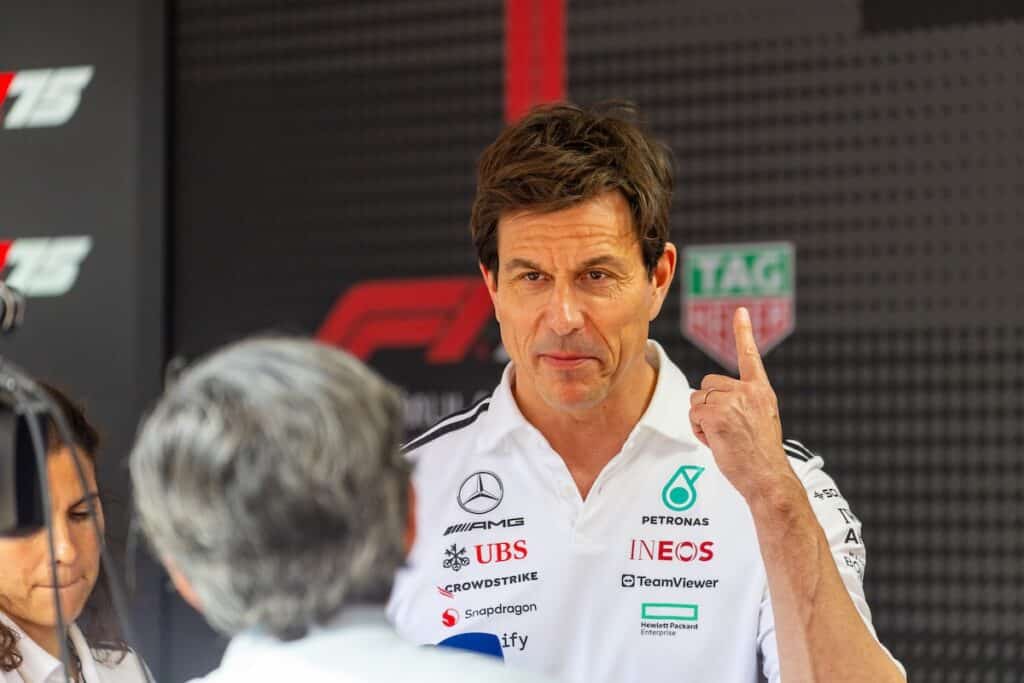
Toto Wolff’s public comments were not made casually. Anyone familiar with his approach understands that such statements are rarely accidental. They signal intent.
As the new regulation era unfolds, Mercedes’ customer teams will already be assessing their leverage, their options, and their long-term security. Some relationships will deepen. Others may quietly loosen with Honda Racing Corporation the most likely new engine supplier.
Because in modern Formula One, engine deals are never permanent. They are strategic. And few figures in the sport approach strategy with more influence — or more calculation — than Toto Wolff.
Read More