No Formula One organisation enters the 2026 regulation cycle carrying a heavier burden of expectation than Aston Martin Aramco F1 Team. The combination is almost cinematic: a state-of-the-art factory, the arrival of Adrian Newey, a two-time world champion in Fernando Alonso, a full manufacturer partnership with Honda Racing Corporation, and financial backing directed by Lawrence Stroll. On paper, it reads like inevitability. In reality, Formula One has always been less forgiving of ambition than its architects expect.
What unfolded quietly in Barcelona was not failure, but something more revealing. It offered an early glimpse of the difference between assembling excellence and operating it seamlessly. And in a sport governed as much by hierarchy and accountability as lap time, that distinction matters profoundly.
Barcelona and the Theatre of First Impressions
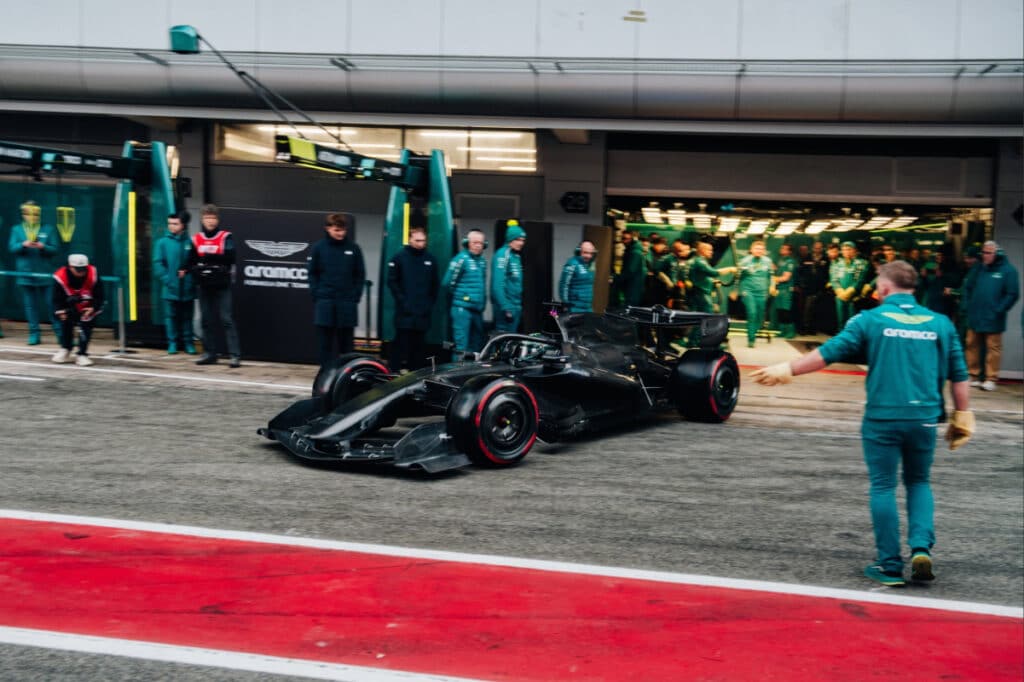
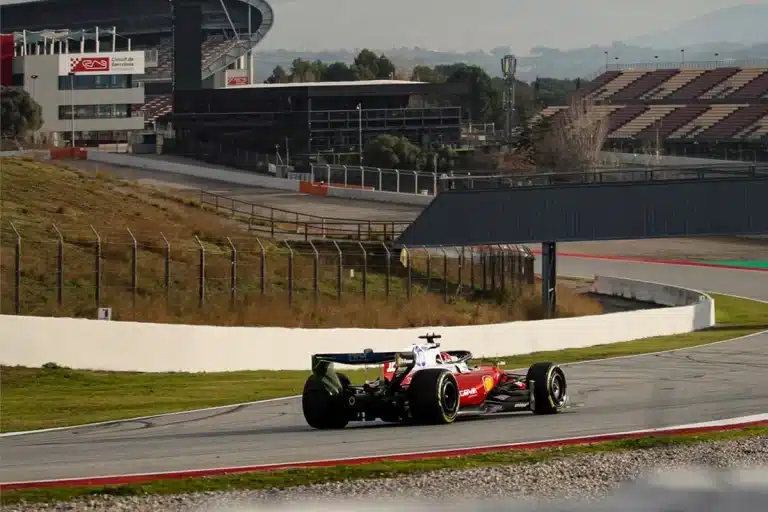
Barcelona has always been Formula One’s most revealing stage. Away from race weekends, without grandstands dictating drama, attention shifts to posture, rhythm, and quiet confidence. In that environment, Aston Martin commanded the room. Engineers, rivals, and media gravitated toward Silverstone green, drawn less by numbers than by symbolism.
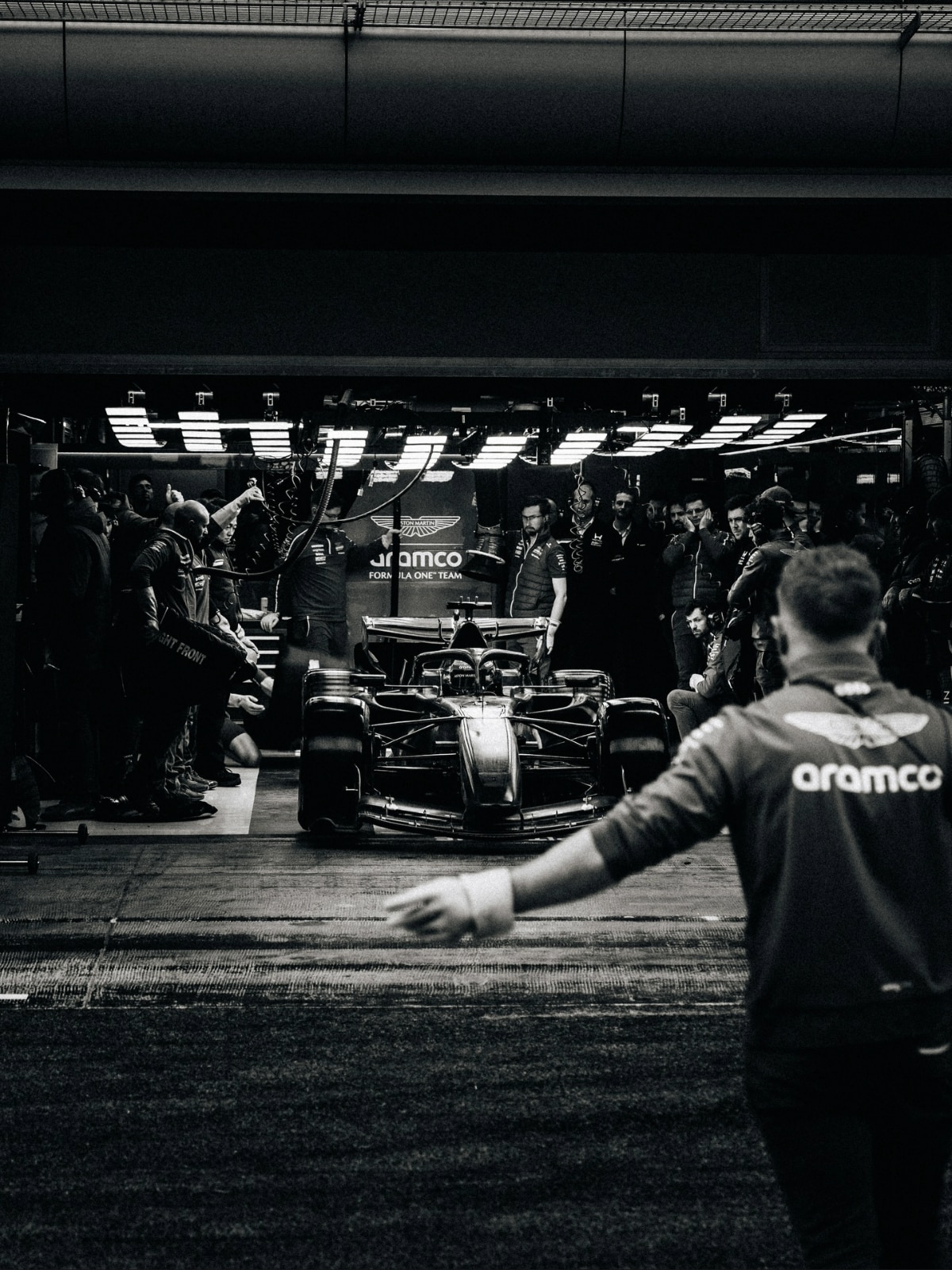
Visually, the car rewarded that attention. Radical packaging, aggressive intent, and unmistakable Newey fingerprints invited inspection. It looked like a machine designed to challenge convention rather than refine it. But while intrigue lingered, execution remained cautious. Mileage was limited, procedures deliberate, the mood closer to validation than optimisation.
Around them, established contenders behaved differently. Mercedes-AMG Petronas Formula One Team, Scuderia Ferrari, Red Bull Racing, and McLaren F1 Team moved with the familiarity of organisations already in command of their processes. They were not discovering their cars; they were refining them. Aston Martin, by contrast, still appeared to be laying its foundations.
Ambition as Narrative, Not Strategy
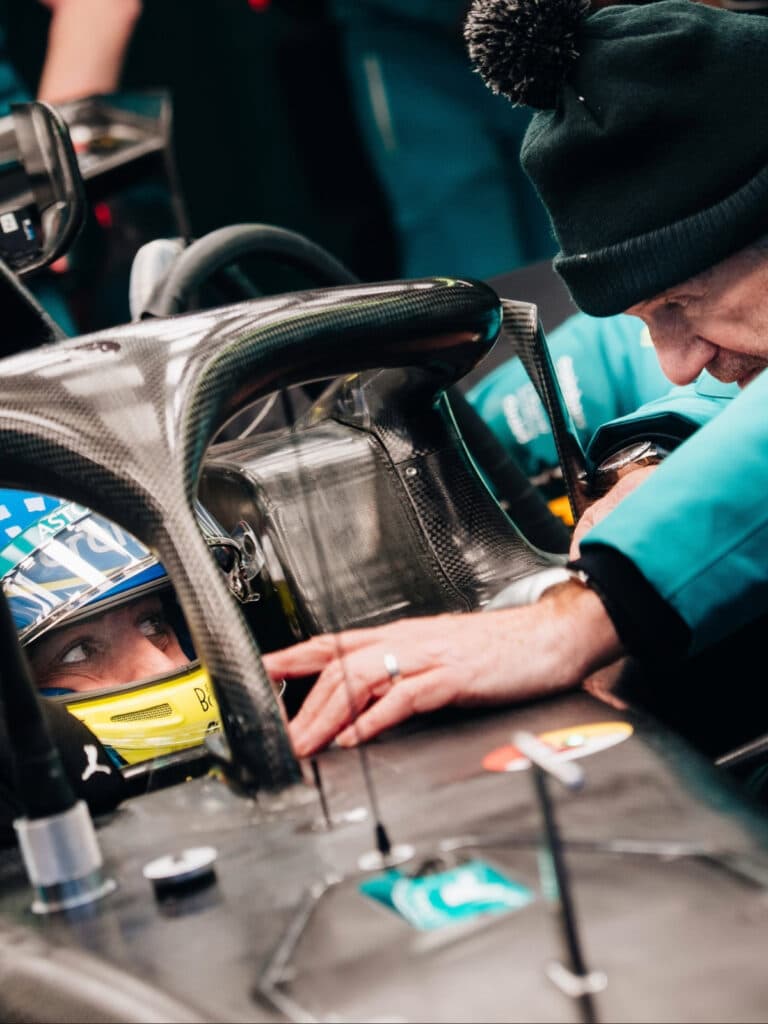
Fernando Alonso’s description of the winter as “very, very intense” carried more weight than it first appeared. It was not a complaint, nor a warning, but a candid admission of compression. Development ran late. Decisions were finalised close to deadlines. It was the language of a project racing time, not one managing it.
This urgency is not accidental. Aston Martin’s ambitions have been articulated clearly and publicly. The expectation is not gradual progress but immediate relevance: race wins, championship contention, and long-term credibility at the very top of the driver market. In Formula One, such framing reshapes internal pressure long before results arrive.
History offers little comfort here. The sport’s most successful organisations did not accelerate their learning curves through spending or recruitment alone. Continuity, repetition, and institutional memory created their advantage. Aston Martin is attempting to condense that journey into a single regulation reset. The risk is not technical failure, but structural impatience.
Power, Protection, and the Untouchables
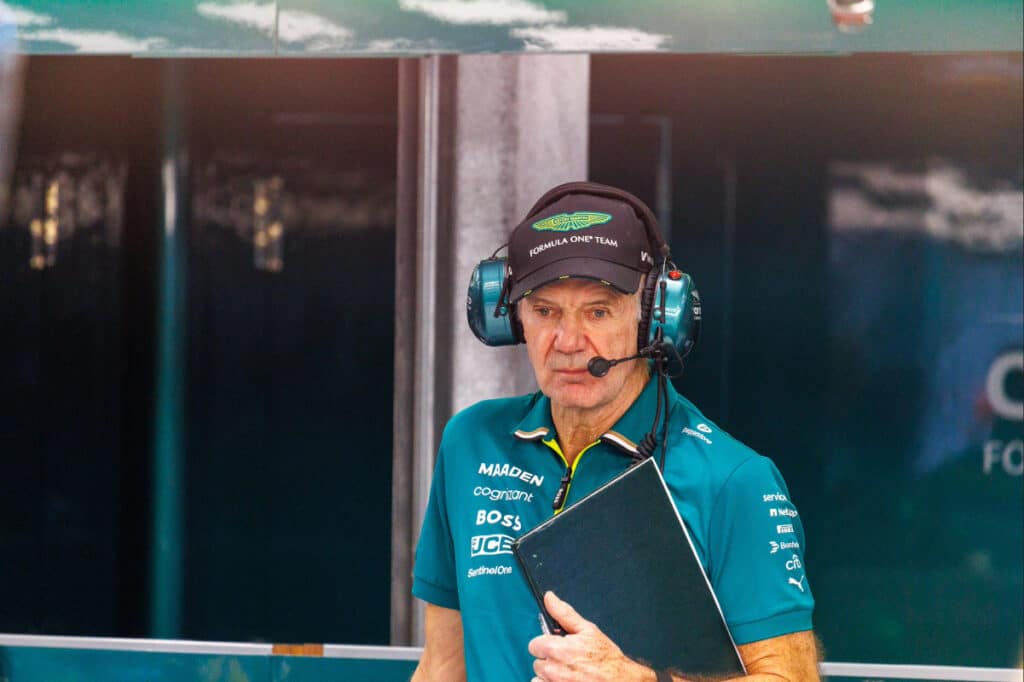
When expectations rise, accountability in Formula One does not distribute itself evenly. Certain figures are insulated by design. At Aston Martin, that hierarchy is already visible.
Adrian Newey occupies a rare position. His authority is not contractual but historical. Championships across multiple eras have granted him an assumption of eventual success. If performance falters, the explanation will default to timing and integration, not design philosophy. Removing him would undermine the entire logic of the project, making such a move unthinkable.
Ownership follows a similar logic. Lawrence Stroll defines the framework rather than operating within it. His decisions are not judged by results alone but by intent and investment. In Formula One, owners are architects, not participants. Their permanence is structural.
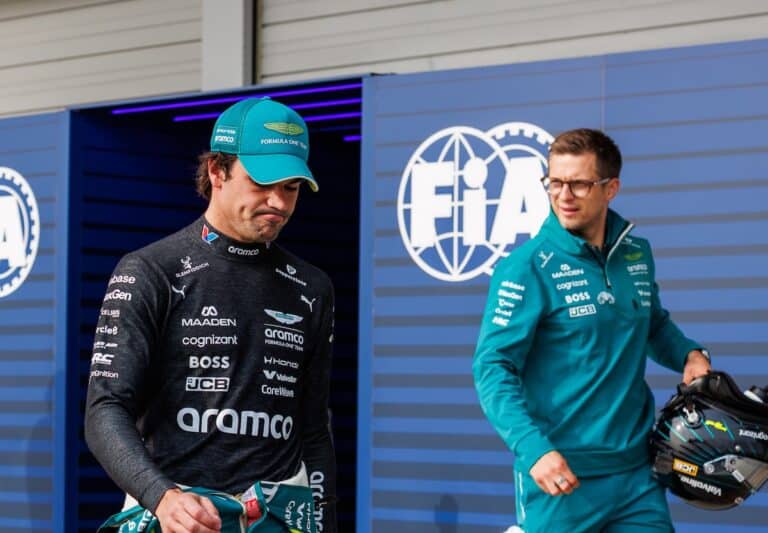
Then there is Lance Stroll. His presence is not subject to the same evaluation as others on the grid. The team exists, in part, to support his career. That reality removes him from conventional performance debates entirely. When pressure builds, it will not travel upward through this hierarchy.
Where the Pressure Will Land
Accountability, when it arrives, seeks the most visible and least protected. In this case, that begins with Fernando Alonso. Despite his enduring racecraft and technical acumen, Formula One has always preferred simple explanations. If results disappoint, age becomes an easy narrative. Decline is quicker to discuss than complexity.
Alonso’s public tone in Barcelona was measured, even generous. He spoke of progress, effort, and anticipation rather than urgency. Yet history suggests that nuance rarely survives prolonged underperformance. Drivers absorb pressure first, regardless of context.
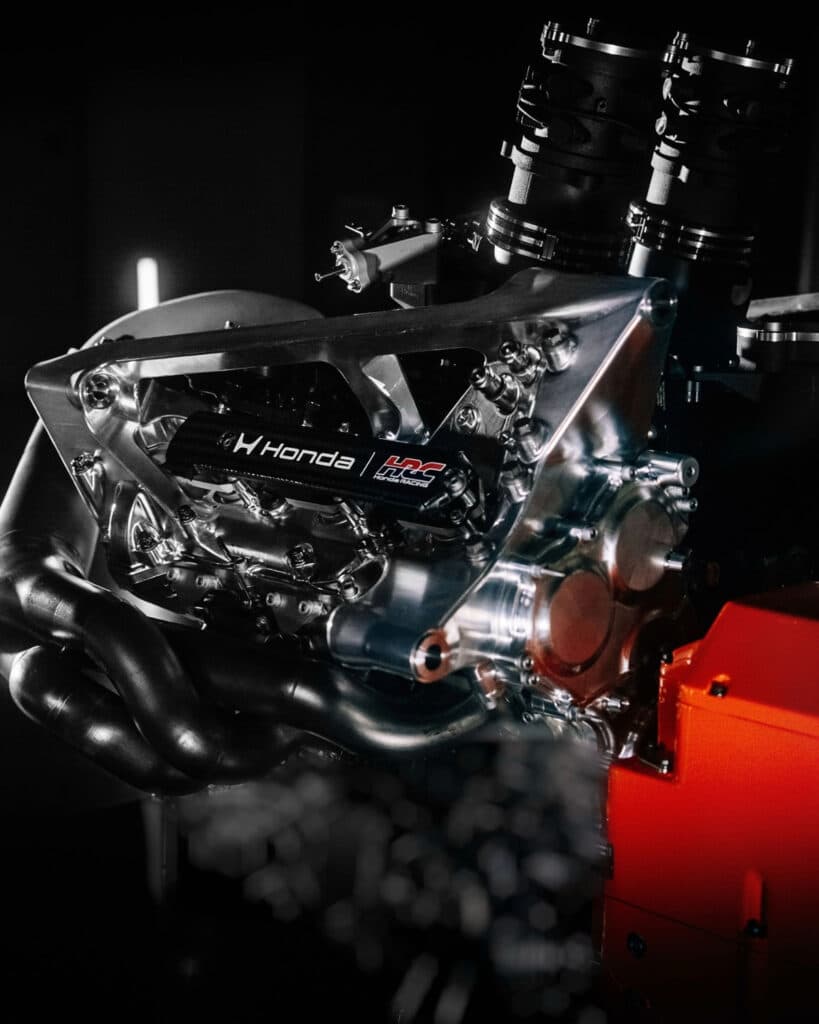
Alongside him stands the power unit supplier. Honda Racing Corporation enters 2026 under uniquely difficult conditions. A late recommitment to Formula One cost continuity. Regulatory changes have removed several areas of previous advantage. Cost caps limit recovery speed. Supplying a single team restricts data flow and development breadth.
In modern Formula One, engines define ceilings. When deficits appear, they become political as much as technical. Designers remain protected. Ownership remains untouched. Drivers divide opinion. Suppliers, however, are replaceable in theory, if not in practice. That makes them vulnerable.
Living With the Weight of 2026
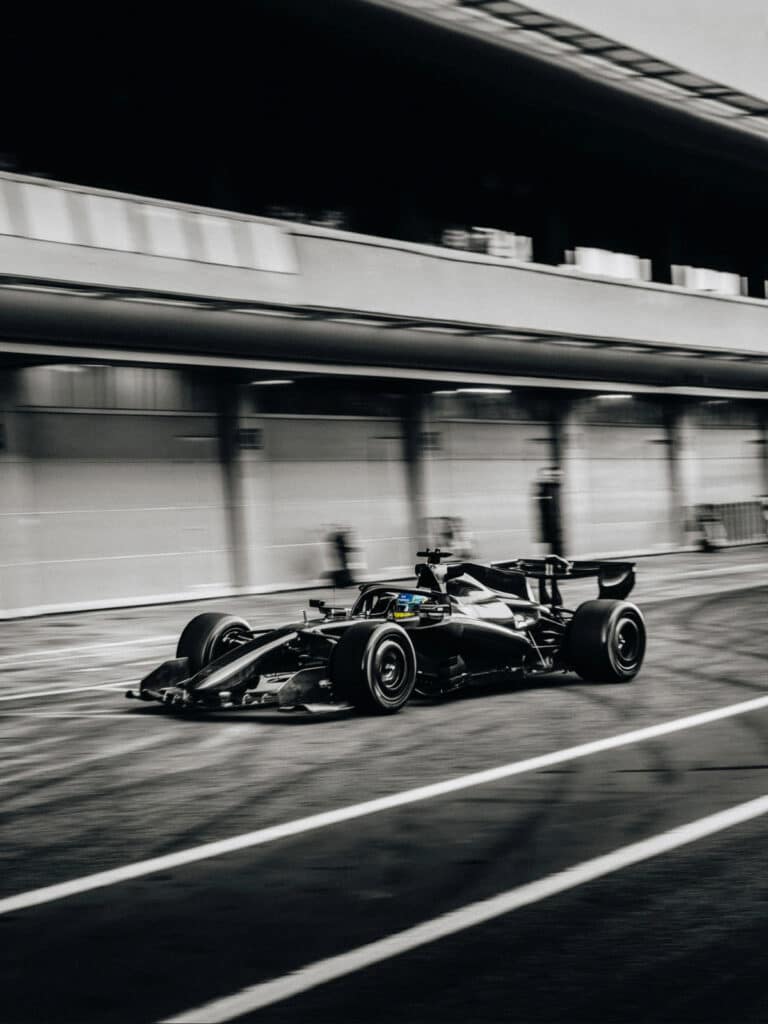
The uncomfortable truth is that Aston Martin’s expectations may simply be premature. The infrastructure is new. Leadership structures are still evolving. Cultural alignment takes longer than a regulation cycle to mature. None of this precludes success, but it does demand patience rarely afforded at this level.
Formula One rewards coherence more reliably than ambition. When promises arrive before proof, consequences tend to follow quickly. Whether Aston Martin can resist that pattern will define not just its 2026 season, but its identity as a long-term contender.
For now, the project remains compelling rather than complete. The coming months will not decide championships, but they will reveal how this organisation responds when reality pushes back against narrative.
Read More