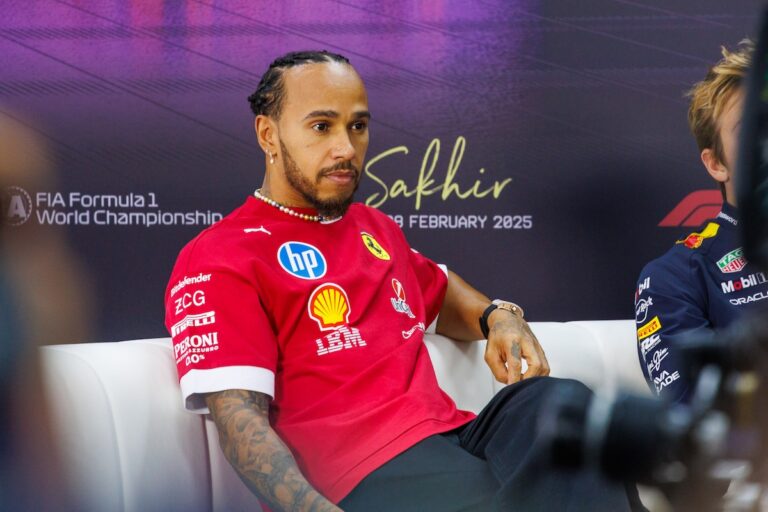
As Formula One edges toward its 2026 regulatory reset, Mercedes has emerged as an unexpected focal point — not through results or spectacle, but through scrutiny. A technical question surrounding the future power-unit rules has drawn the attention of the FIA, rival manufacturers, and senior figures across the paddock. What matters is not merely whether an engine is legal, but how early influence, regulatory interpretation, and institutional trust shape the sport’s next era. In Formula One, advantage is rarely just mechanical; it is cultural, political, and deeply personal.
The Return of the Engine as a Status Symbol
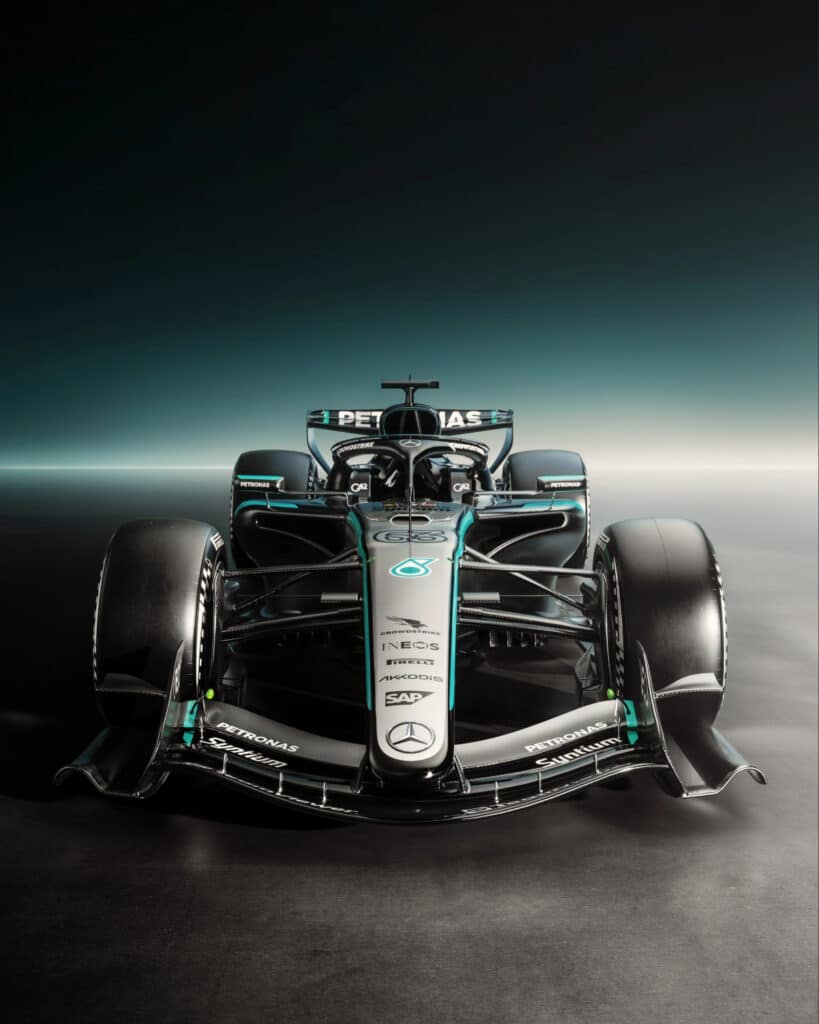
The 2026 regulations mark a subtle return to an old truth: power units once again define hierarchy. While sustainability and efficiency frame the public narrative, privately the engine remains a symbol of authority, competence, and long-term intent. Mercedes’ legacy — forged during the early hybrid years — gives its every technical move added weight. That history explains why even whispers of an advantage command immediate attention.
A Dispute Framed by Interpretation, Not Accusation
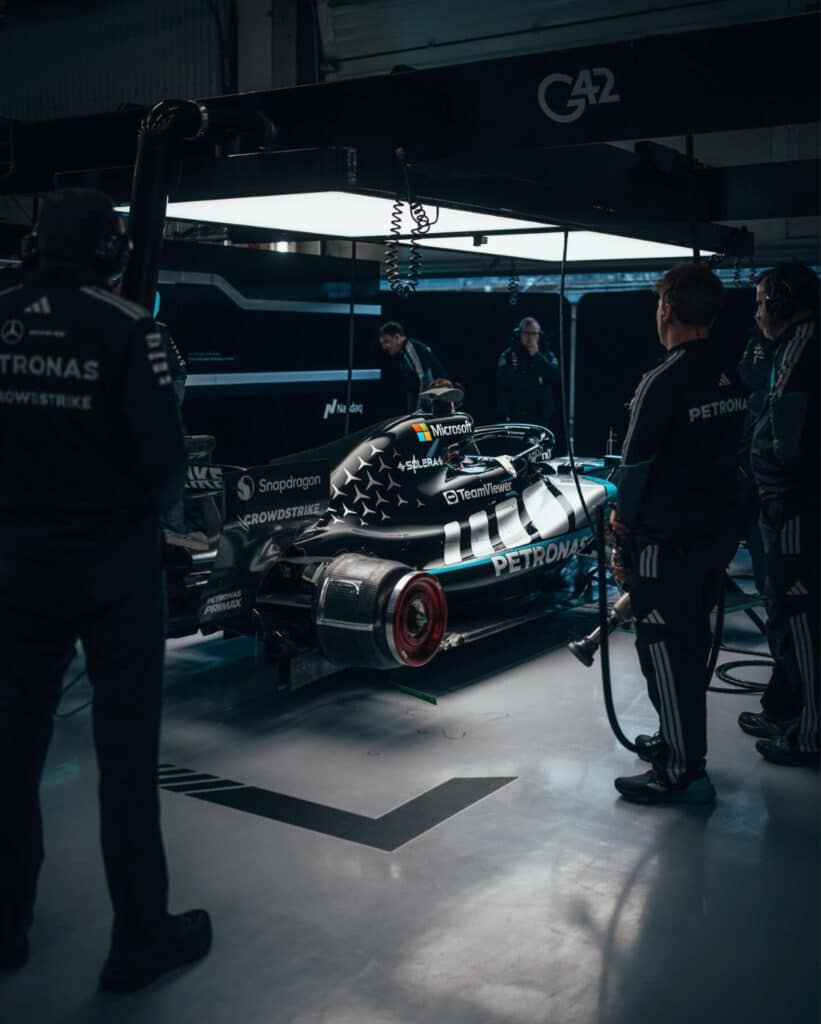
At the centre of the debate lies the internal-combustion engine’s compression ratio, a figure now capped under the 2026 rules. Rivals quietly question whether Mercedes has interpreted the regulation in a way that performs differently under real-world operating conditions than during static tests. Mercedes has denied wrongdoing, insisting its approach aligns fully with written rules and prior approval. What remains unresolved is not legality, but interpretation — the most combustible word in Formula One governance.
Heat, Geometry, and the Language of Plausible Deniability
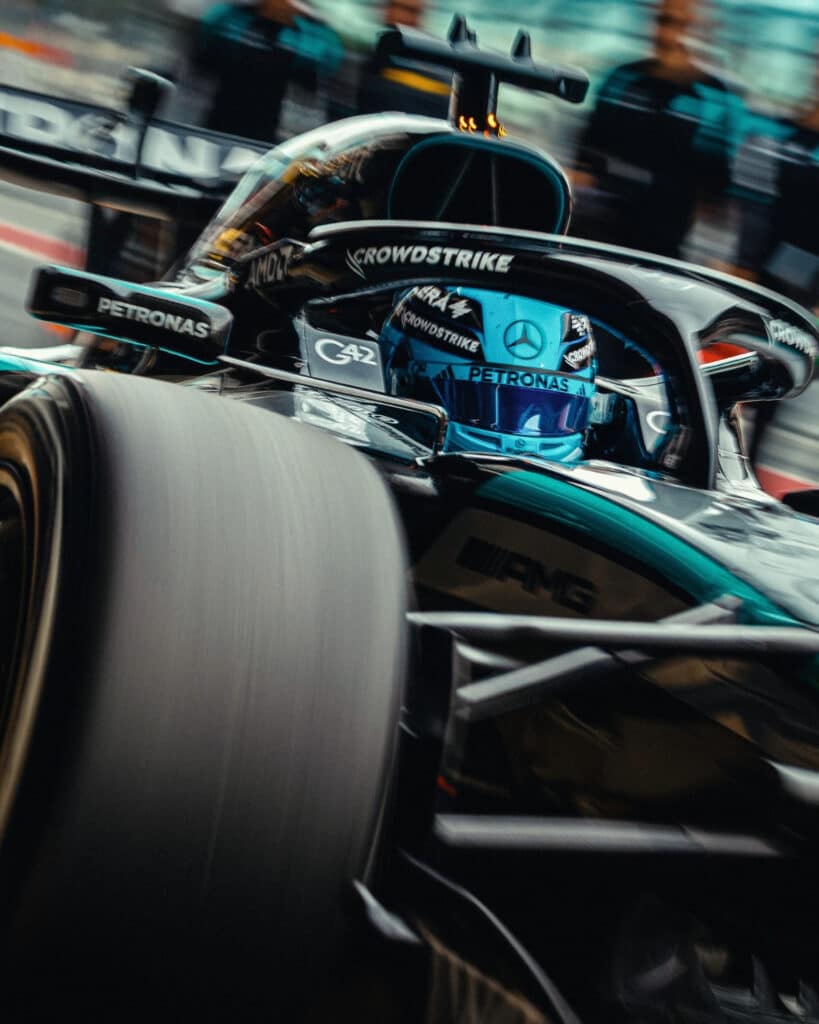
The technical theory circulating the paddock is deliberately cautious, almost academic in tone. It suggests that material behaviour under heat could subtly alter geometry once an engine reaches full operating load. A secondary rumour — involving an additional internal cavity — remains unsubstantiated and publicly unsupported. The absence of evidence has not stopped discussion, only refined it into quieter, more careful language.
The FIA’s Shift from Policing to Process
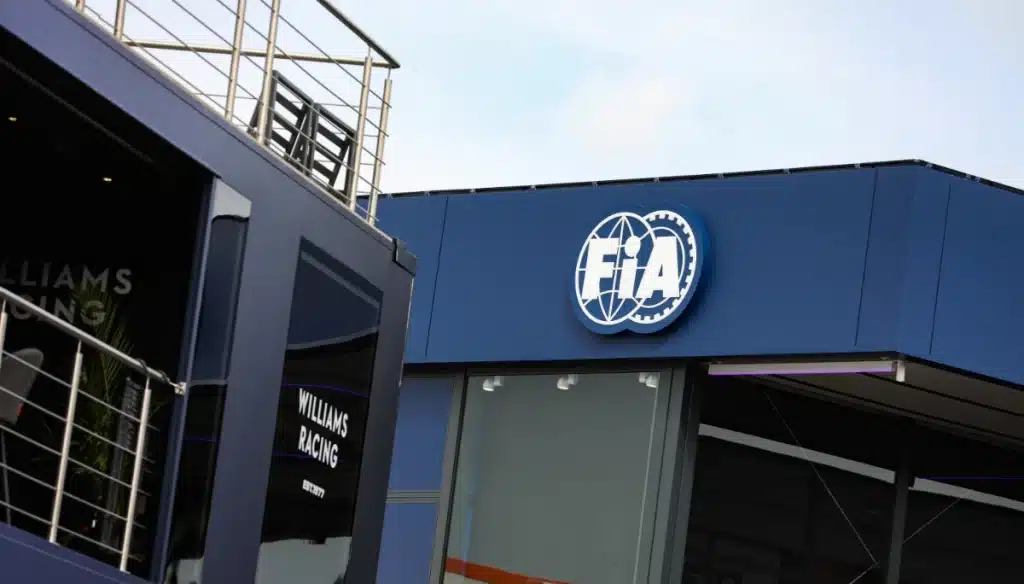
What has changed is the posture of the governing body. Rather than targeting any single manufacturer, the FIA is reportedly exploring adjustments to how compliance is measured. This approach reframes the issue from enforcement to methodology — a familiar move when institutional balance is at stake. In Formula One, altering the process often proves less divisive than naming a culprit.
Two Paths Forward, Both Politically Charged
One option under discussion would tighten testing procedures to better reflect real operating conditions. Another would raise the permitted compression ratio across the board, allowing all manufacturers similar latitude. Each carries consequence: one reins in innovation, the other redistributes it. Neither is neutral, and both require broad consensus among manufacturers already guarding their long-term investments.
Toto Wolff and the Performance of Authority
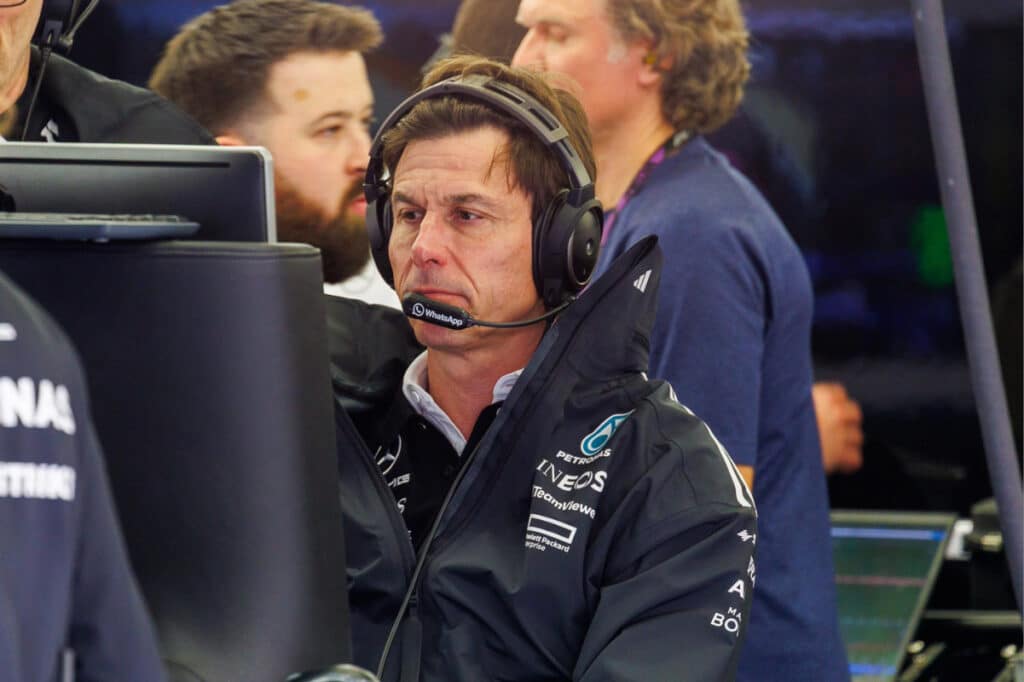
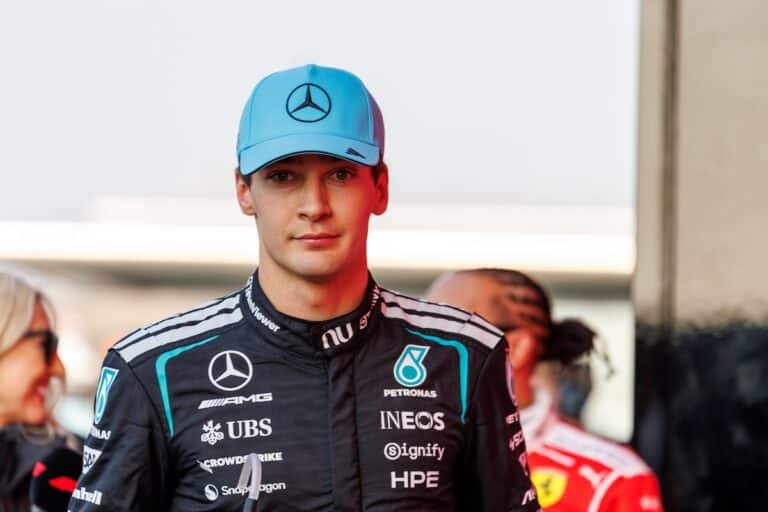
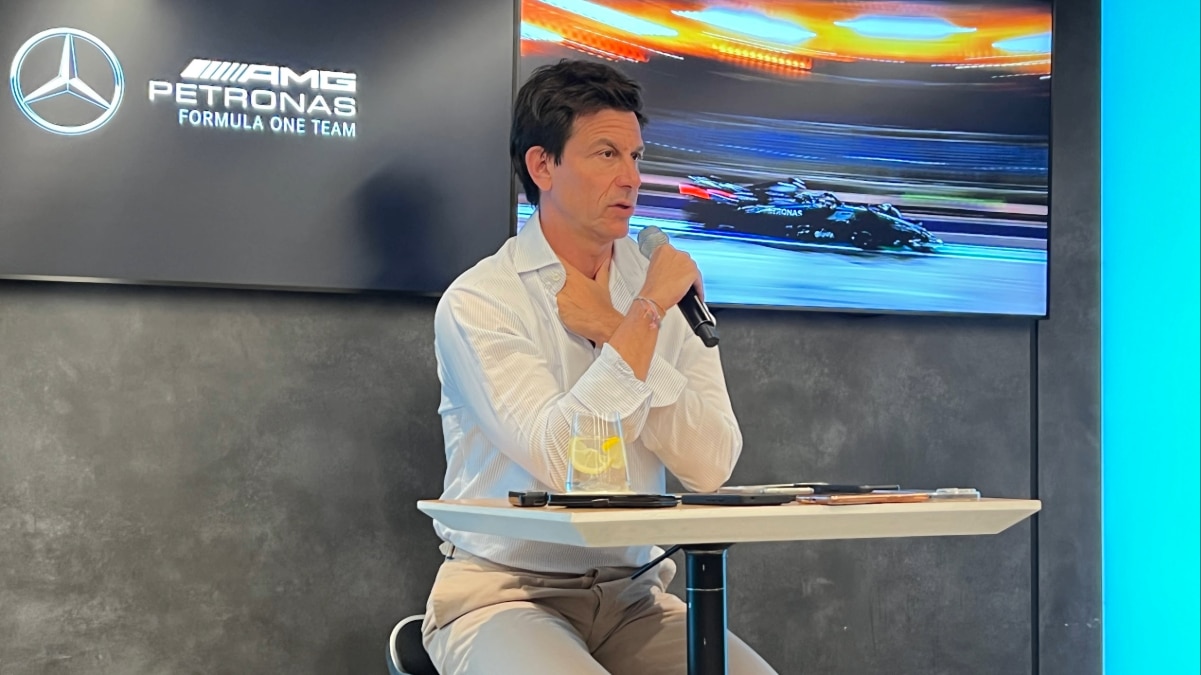
Mercedes team principal Toto Wolff has addressed the issue with unusual intensity. His insistence that the rules are “black and white” is less a technical argument than a statement of institutional confidence. Notably, he has defended legality without fully dismissing unconventional solutions — a distinction not lost on seasoned observers. In Formula One, how something is said often matters as much as what is said.
Rivals, Memory, and the Politics of Prevention
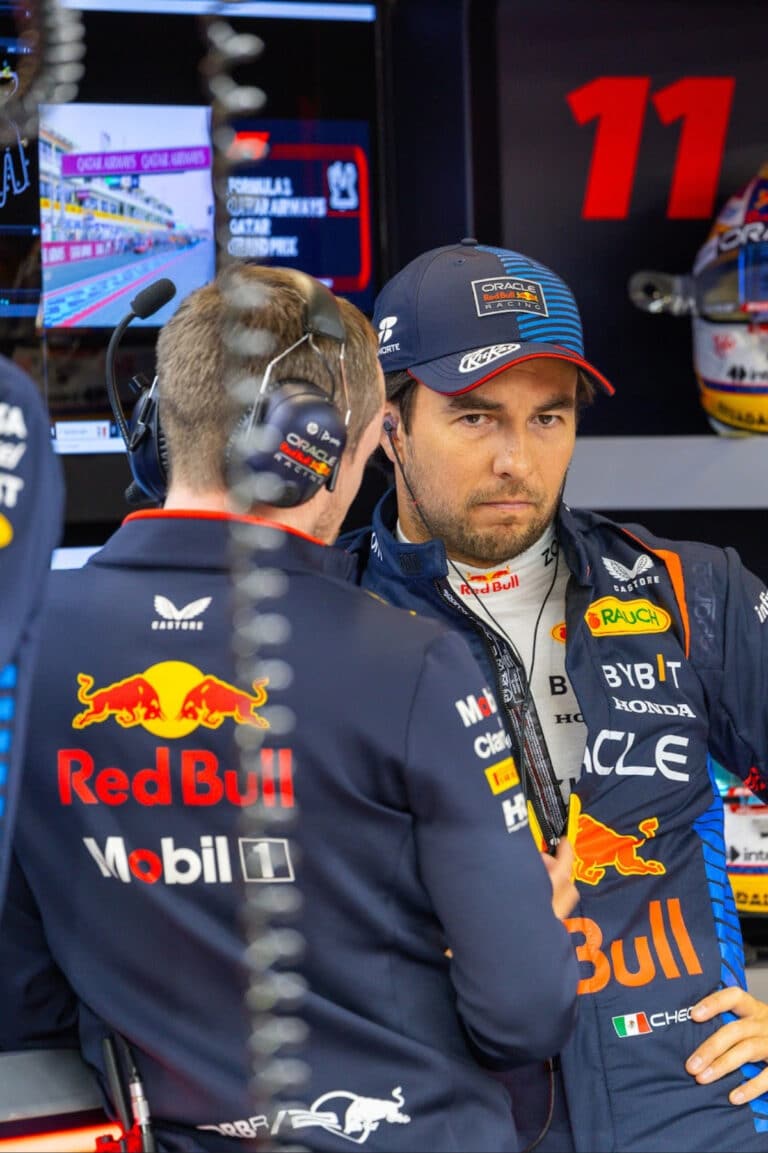
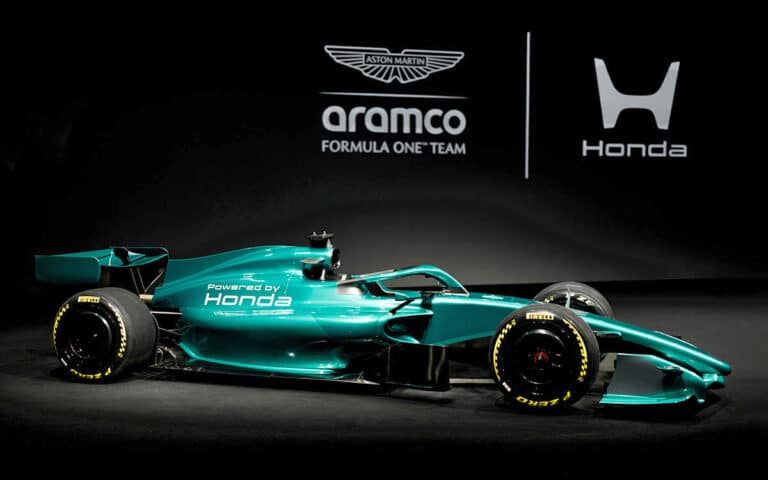
Manufacturers such as Ferrari, Honda, Audi, and Red Bull Powertrains view the situation through the lens of history. The early hybrid era reshaped competitive order for nearly a decade, and few wish to relive it. Reports that Red Bull may support a procedural adjustment reflect a preference for systemic balance over confrontation. It is a strategic alignment framed as fairness, not fear.
What This Moment Reveals About Formula One
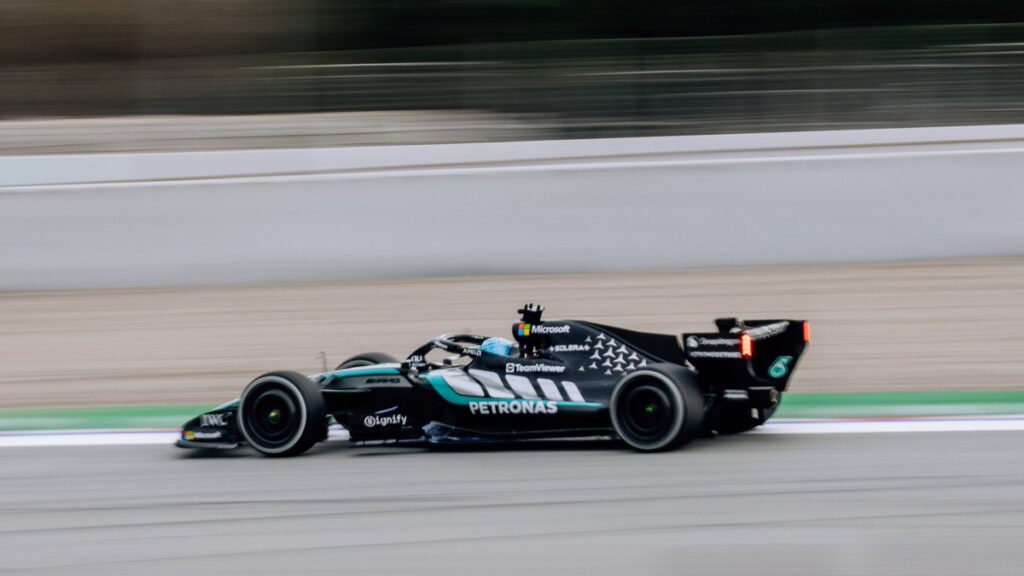
Should the FIA intervene, Mercedes may argue it acted in good faith under existing guidance. Should it refrain, the governing body risks accusations of enabling another prolonged dominance cycle. Either outcome underscores a familiar reality: Formula One’s most consequential battles rarely unfold at racing speed. They occur in meeting rooms, through wording, precedent, and the quiet negotiation of power.
As the sport approaches its next era, the engine debate is less about numbers than narrative. Presence, trust, and political capital remain as vital as performance — perhaps more so.
Read More