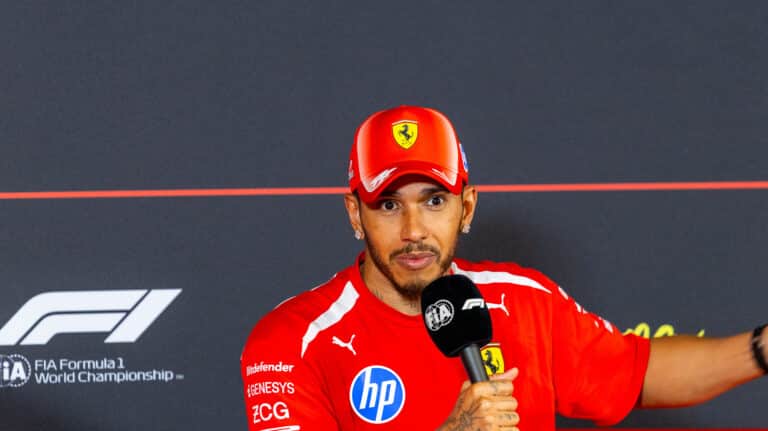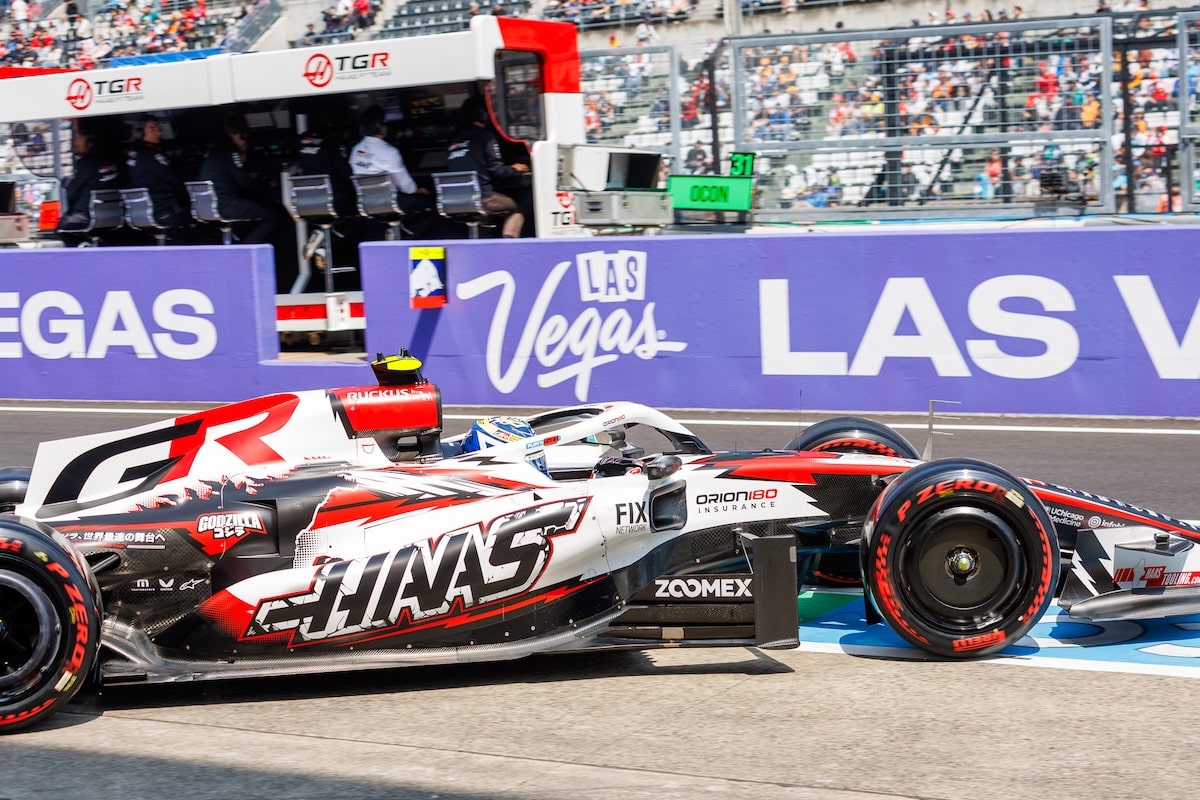
A single mistranslated quote from Brazilian journalist Gulian Kerasoli sent the Formula 1 media world into a spin on 19 May 2026. Reports quickly circulated claiming that Haas team principal Ayao Komatsu was ready to replace Esteban Ocon mid-season, with Yuki Tsunoda named as the frontrunner for the vacant seat. Within hours, the story had been picked up by virtually every major F1 outlet.
Kerasoli subsequently corrected the record on social media, clarifying that her original comments — made in Portuguese — concerned future 2027 driver plans involving Rafa Kamara, not an imminent firing of Ocon. The mid-season exit story was false.
The Real Tension Behind the Headlines
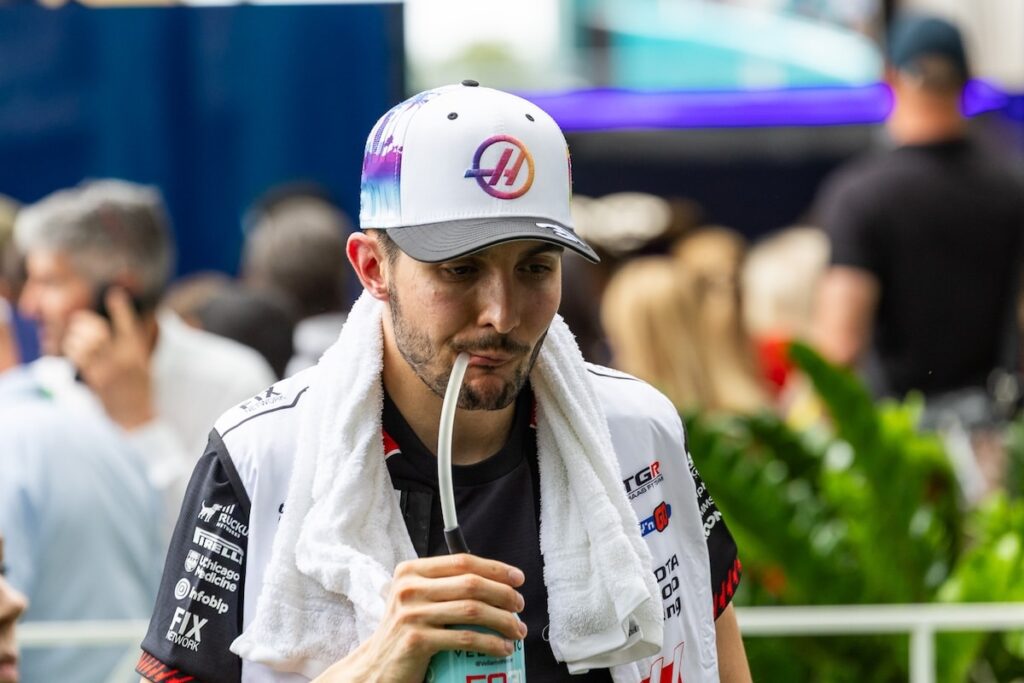
Yet the mistranslation struck a chord because the underlying friction is genuine. Following the 2025 Abu Dhabi Grand Prix — in which Ocon finished 15th in the drivers’ championship with 38 points, behind rookie teammate Oliver Bearman — difficult conversations reportedly took place between the Ocon camp and Haas management. Komatsu subsequently made his expectations public ahead of 2026, a deliberate signal that the hierarchy within the team was not up for debate.
Since pre-season testing in Bahrain, however, the public temperature has cooled. Ocon has kept his communication professional, defended the team in interviews, and focused on closing the gap to Bearman on track rather than waging a public war of words.
Why a Mid-Season Swap Simply Does Not Add Up

Four structural barriers make a mid-season driver change at Haas practically impossible. Ocon is not in open rebellion — a prerequisite for any emergency swap. Tsunoda, meanwhile, remains tied to Red Bull’s driver programme, and releasing him mid-season would carry a significant financial and logistical cost. Beyond that, the disruption of a new seat fitting, simulator programme, and PR rollout would far exceed any marginal points gain Haas might achieve by making the change. Komatsu’s own measured management style — precise and hierarchy-driven — also makes an impulsive in-season firing deeply out of character.
The Likely Outcome: A Quiet Exit at Season’s End
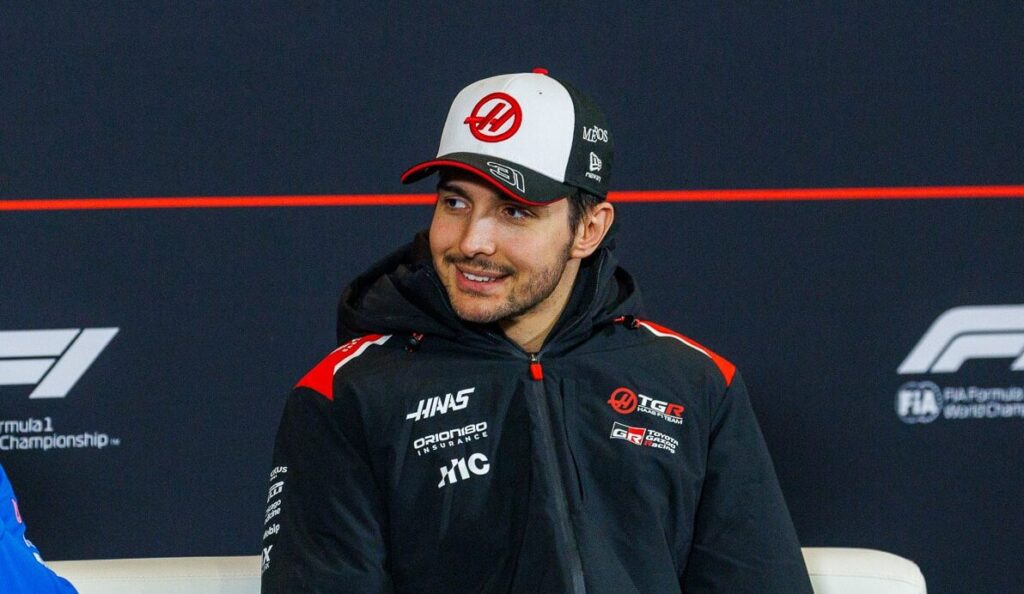
The consensus view, echoed by former F1 driver Ralph Schumacher, is that Ocon’s time at Haas will conclude at the end of 2026 when his contract expires. No firing, no drama — simply a non-renewal. Rafa Kamara, the young Brazilian on Ferrari’s radar, is reportedly the name Kerasoli was actually discussing for a potential 2027 seat, with Haas’s technical ties to Ferrari making him a natural pipeline candidate.
For the full breakdown of the paddock dynamics, the Tsunoda transfer obstacles, and what Haas’s 2027 driver line-up could look like, watch our in-depth video analysis below.
Watch: Full Ocon–Haas Analysis
Is Ocon’s Haas career over? Paddock sources, transfer barriers, and 2027 driver market analysis. Stay ahead of the F1 driver market — subscribe for paddock-sourced analysis ahead of every race weekend → The Motion Report
Esteban Ocon, Haas F1, F1 2026, F1 Driver Market, Ayao Komatsu, F1 Transfer News, Oliver Bearman
Read More