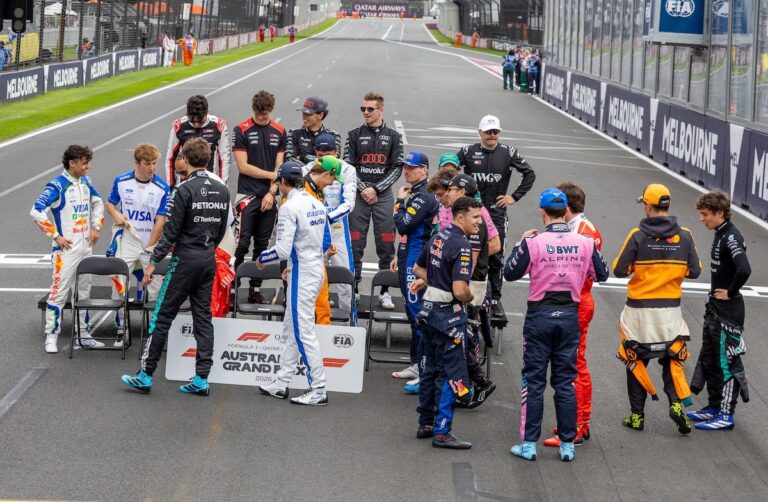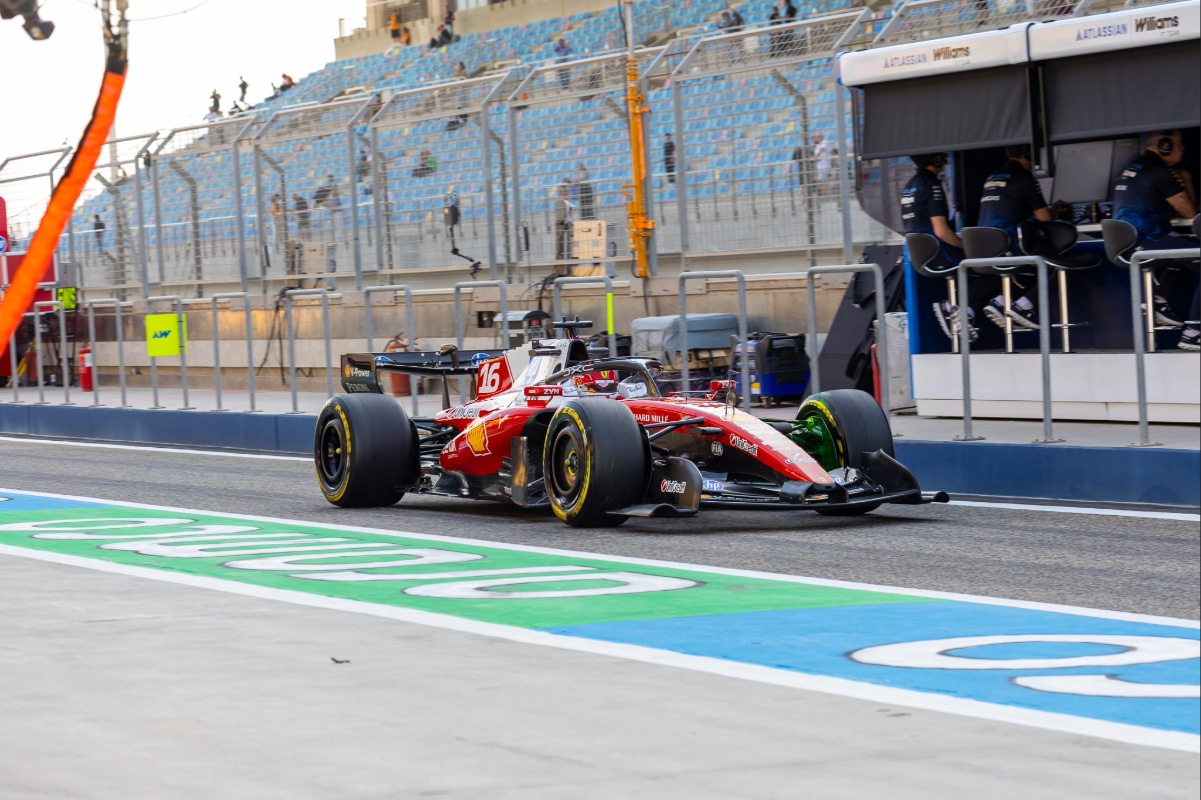
After six days of running at the Bahrain International Circuit, the separation between midfield and front-running teams appears clearer than at any stage during winter preparation.
The gap behind the top group looks substantial. The gap within it, however, is razor thin.
In Part One, we examined the lower midfield and developing projects. In this second installment, the focus shifts to the upper midfield contenders and the established top four heading into the Australian Grand Prix.
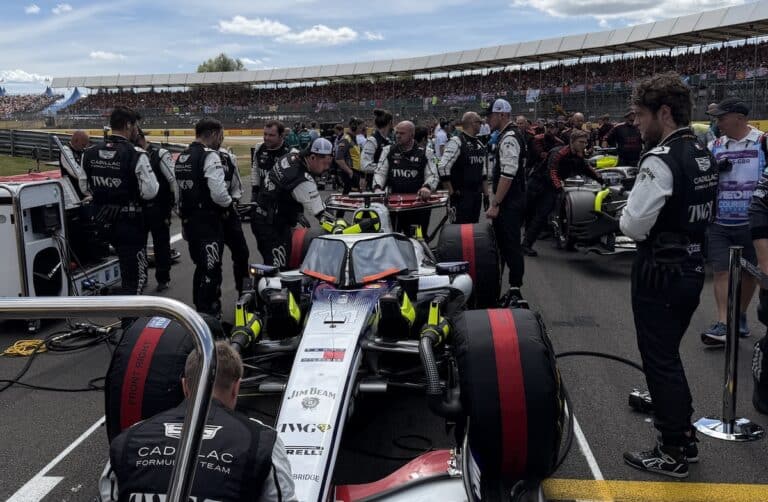
Alpine – The French-German Alliance
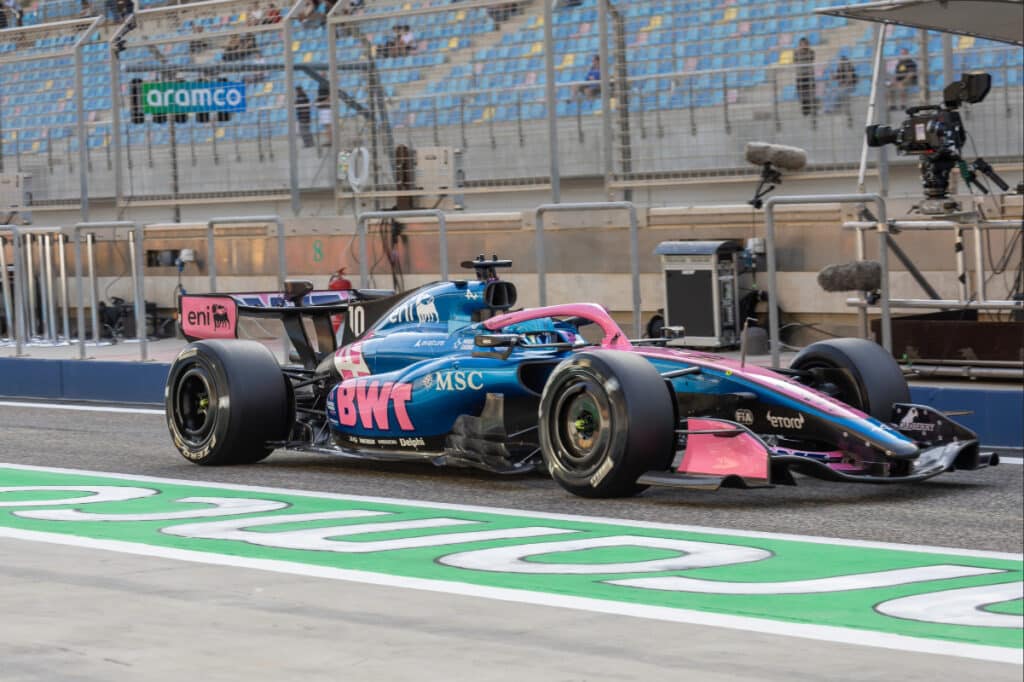
We begin with Alpine F1 Team, arguably the greatest unknown in the midfield — and possibly the team that has taken the most visible step forward compared to 2025.
Mercedes Power Unit Stabilisation
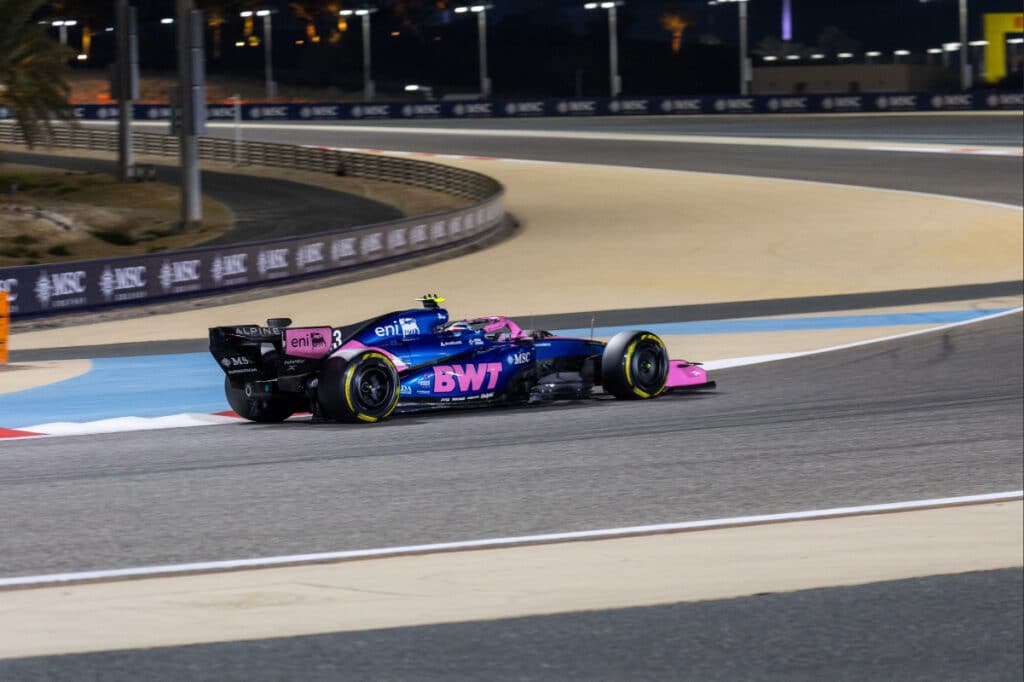
The switch to a Mercedes power unit has clearly stabilised what was previously a fragile technical base. However, evaluating Alpine’s true position remains complicated.
The issue is not outright pace — it is data clarity.
Clean, directly comparable race simulations were limited. In winter testing, long runs are the most reliable performance currency. Alpine left too many variables unresolved in that domain.
Short-Run Competitiveness
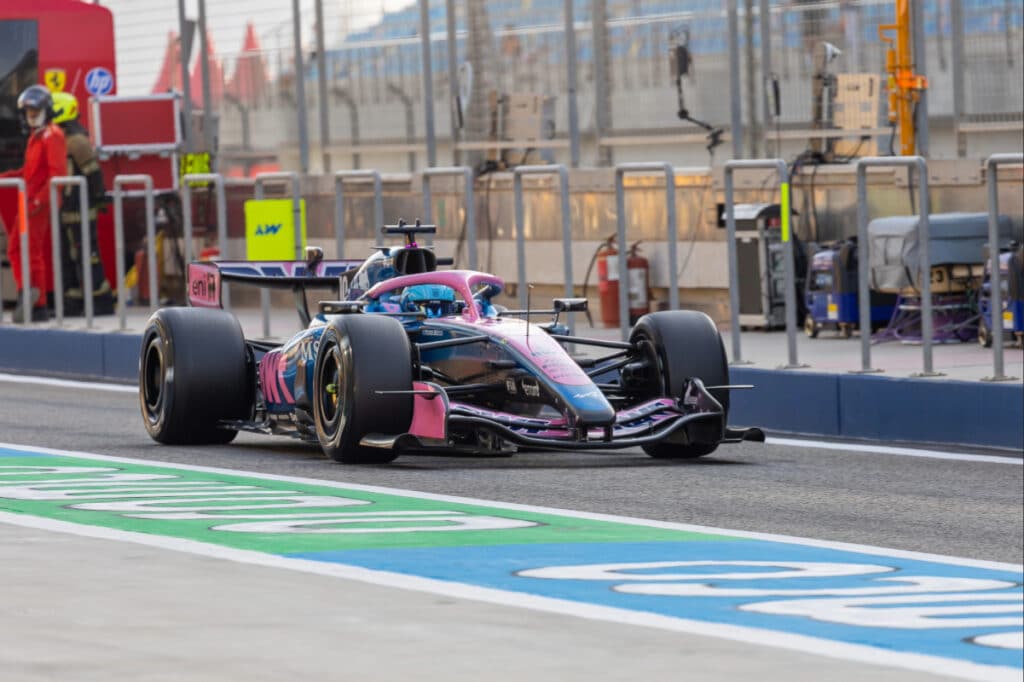
On lower-fuel runs, however, the car appeared genuinely competitive. During qualifying-style windows, it produced strong lap times and looked composed.
Yet Bahrain complicates interpretation:
- High degradation
- Abrasive surface
- Soft compound distortion
A fast lap at Sakhir does not guarantee sustainable race performance in Melbourne, especially given the distortion often caused by the softest Pirelli compounds on an abrasive surface.
Organisational Stability
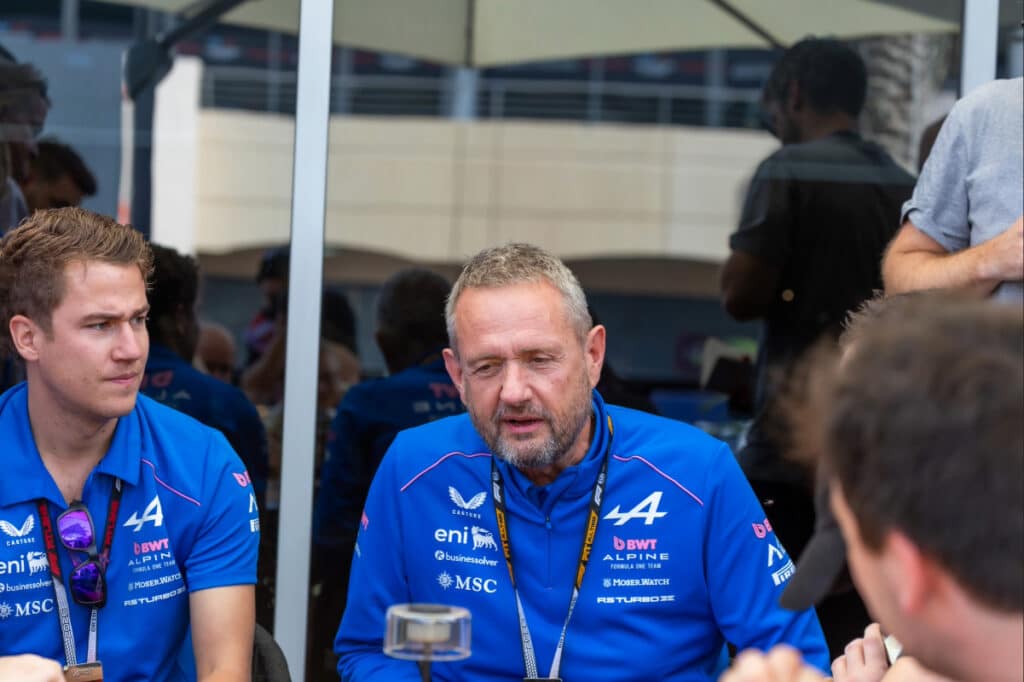
More decisive than lap time is structural change.
Under Steve Nielsen’s operational leadership, with Flavio Briatore as overarching figurehead, the team appears more settled. The driver pairing has functioned harmoniously. Stability in Formula 1 is performance currency.
The only potential distraction lies off-track — ongoing speculation surrounding Christian Horner’s possible long-term involvement.
Assessment: Alpine may lead the midfield in Australia. Or Bahrain may have flattered them. Their true standing remains one of the season’s most intriguing questions.
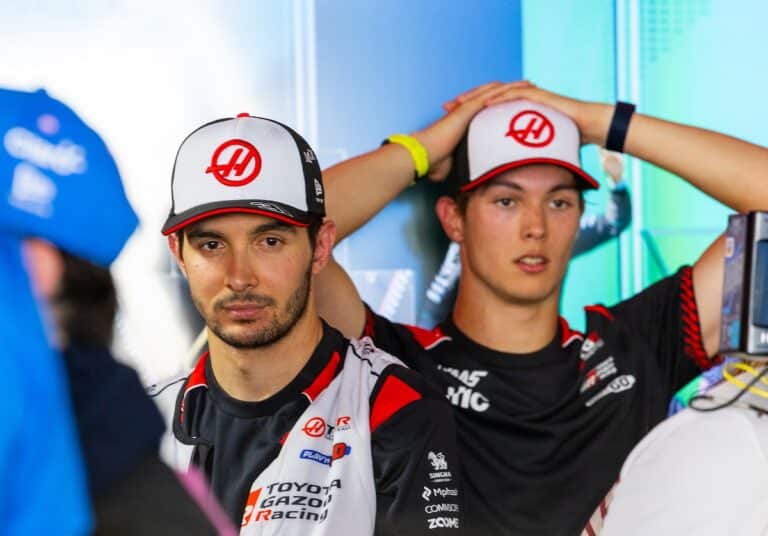
Haas – Small Giants of the Midfield
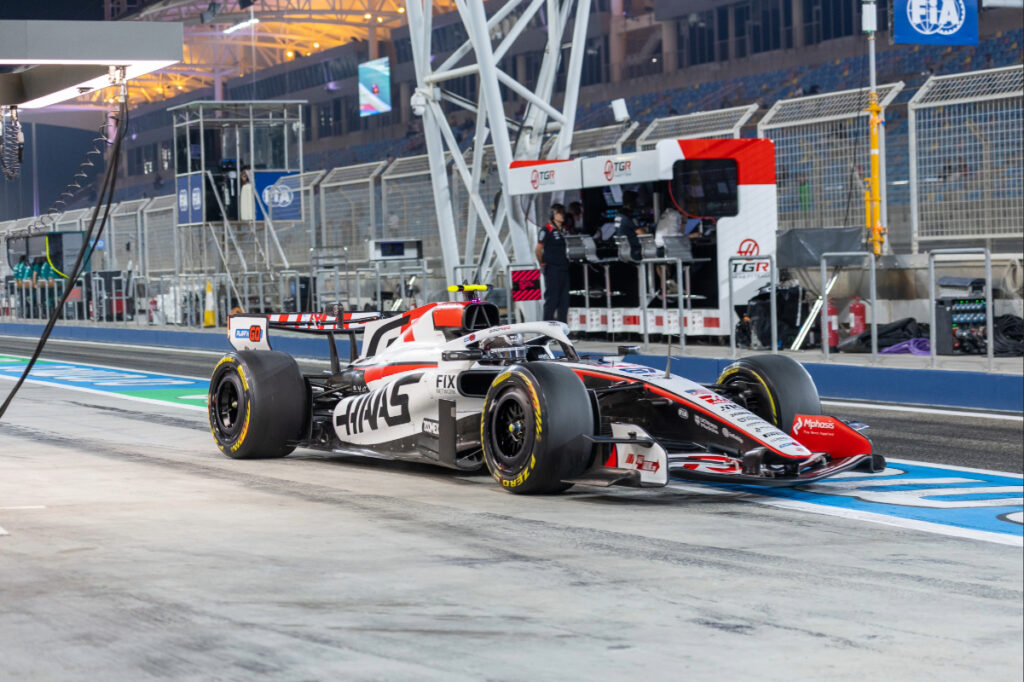
Haas F1 Team were the most convincing midfield operation in Bahrain.
Their strength rests on fundamentals:
- Strong mileage
- Disciplined programme execution
- Consistent long-run performance
The Ferrari power unit once again proved reliable and competitive, reinforcing a partnership that remains central to Haas’ identity.
Operationally, the team looked sharp. The car responded predictably to setup changes. Both drivers expressed confidence.
Conclusion: Haas enter Australia as the most complete midfield package from testing. The remaining uncertainty is whether this was Bahrain-specific — or evidence of sustained progression.
The Top Four – Championship Contenders
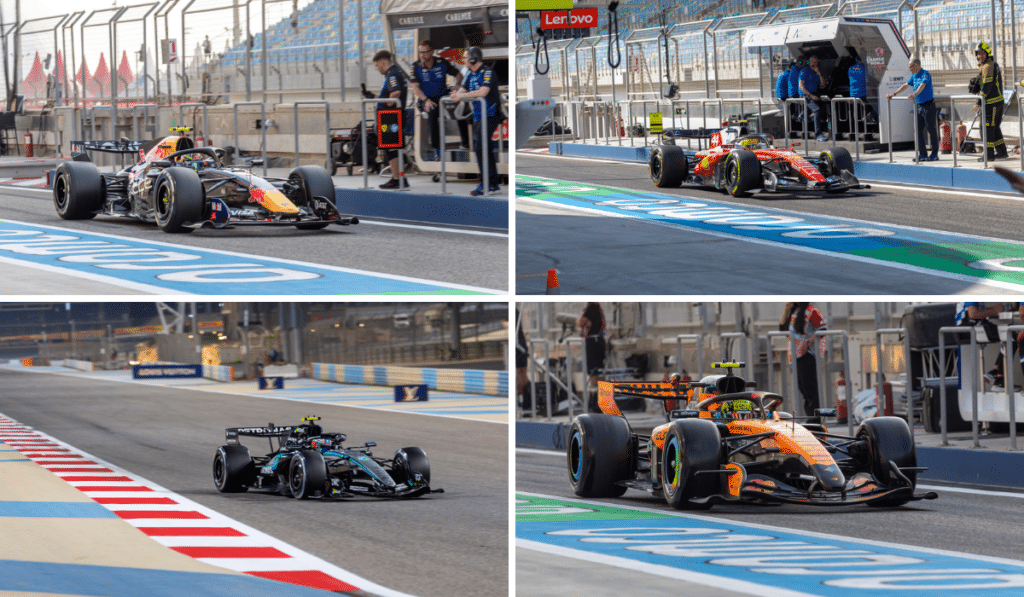
The four teams at the front remain clearly separated from the rest. Between them, however, the margins are minimal.
Circuit characteristics, strategic calls, and driver execution may decide individual race outcomes more than raw pace.
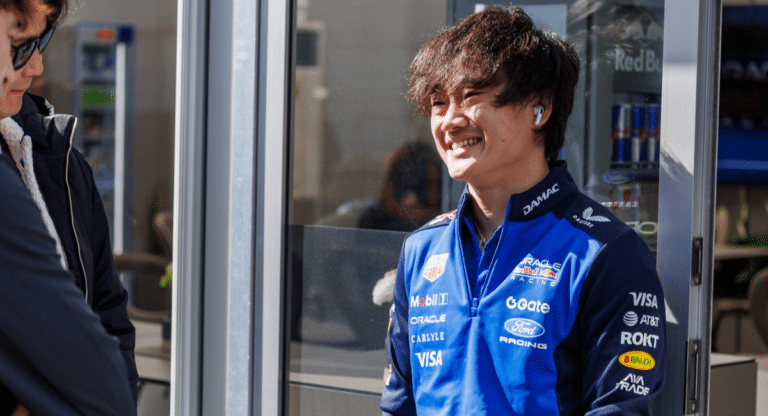
Red Bull – The Max Factor
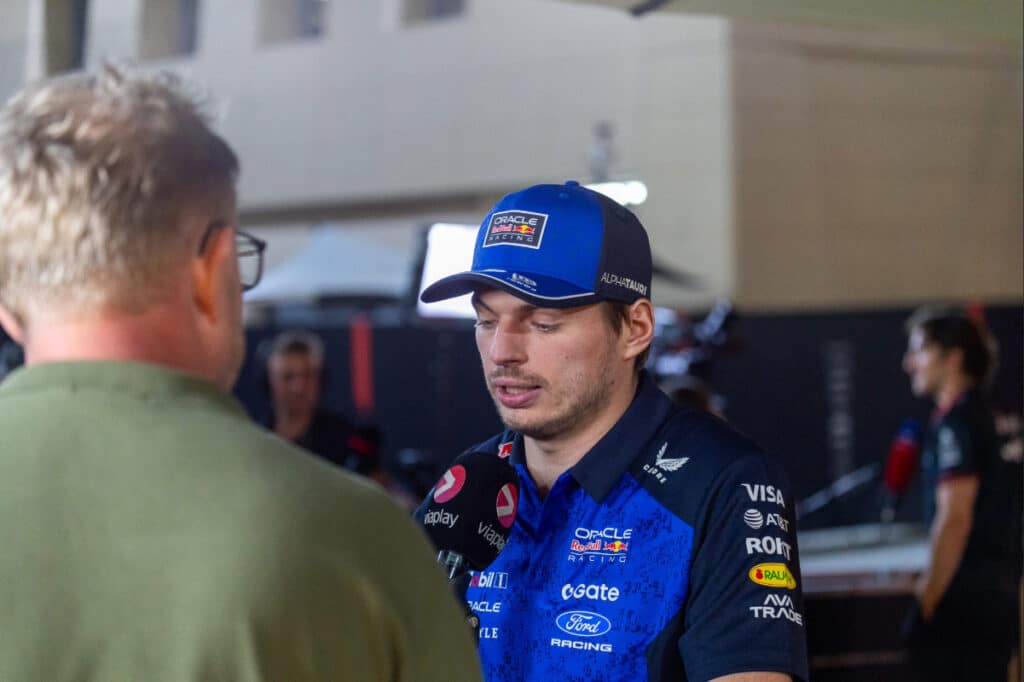
We begin with Red Bull Racing.
The new power-unit project entered testing under scrutiny. Instead of turbulence, Bahrain delivered relative stability. The absence of major reliability drama was itself a success.
Competitive but Not Dominant
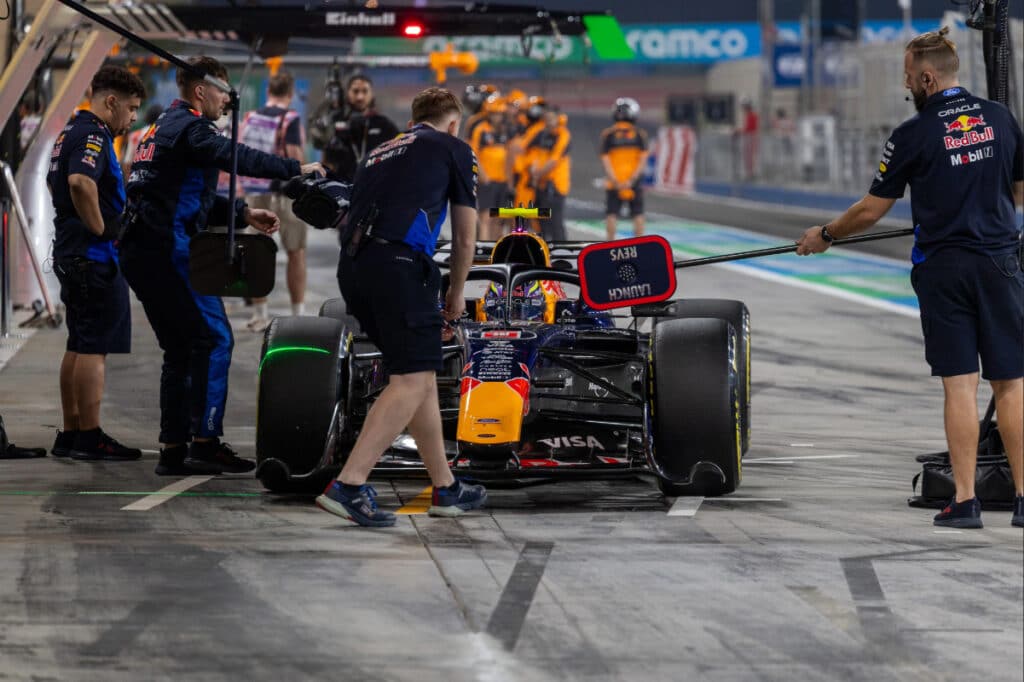
Long-run pace positioned Red Bull firmly within the leading quartet. Yet they did not project dominance. There was no defining single-lap headline, no visible threshold-breaking performance.
They remained competitive — but measured.
The Verstappen Variable
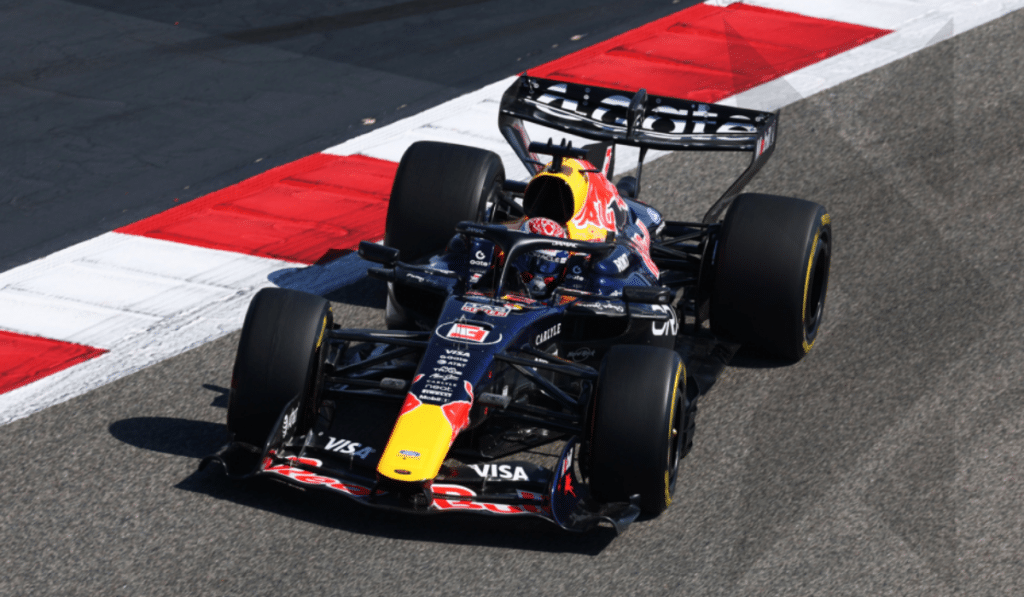
What no rival can replicate is Max Verstappen.
In a tightly compressed championship fight, individual execution may outweigh minor performance deltas. Verstappen’s precision, racecraft, and composure represent a structural advantage that testing data alone cannot quantify.
Assessment: Undeniably top four. Potentially championship-shifting — because of the driver as much as the car.
McLaren – Internal Harmony and Hidden Headroom

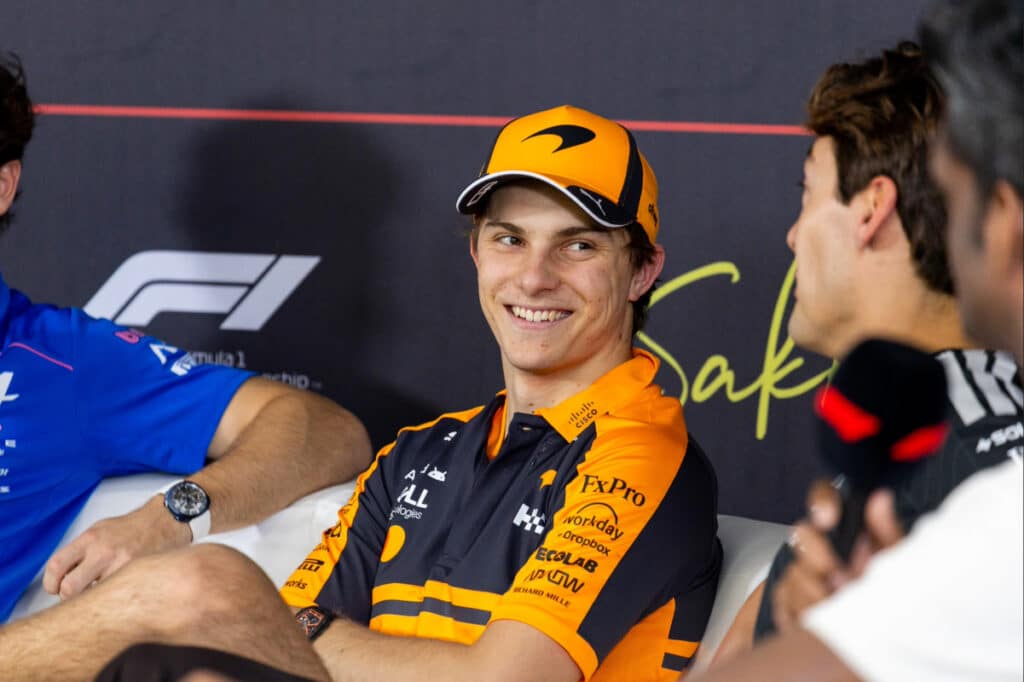
If Red Bull were measured, McLaren were quietly dangerous.
They were consistently quick — without chasing headlines.
Strong Long-Run Profile
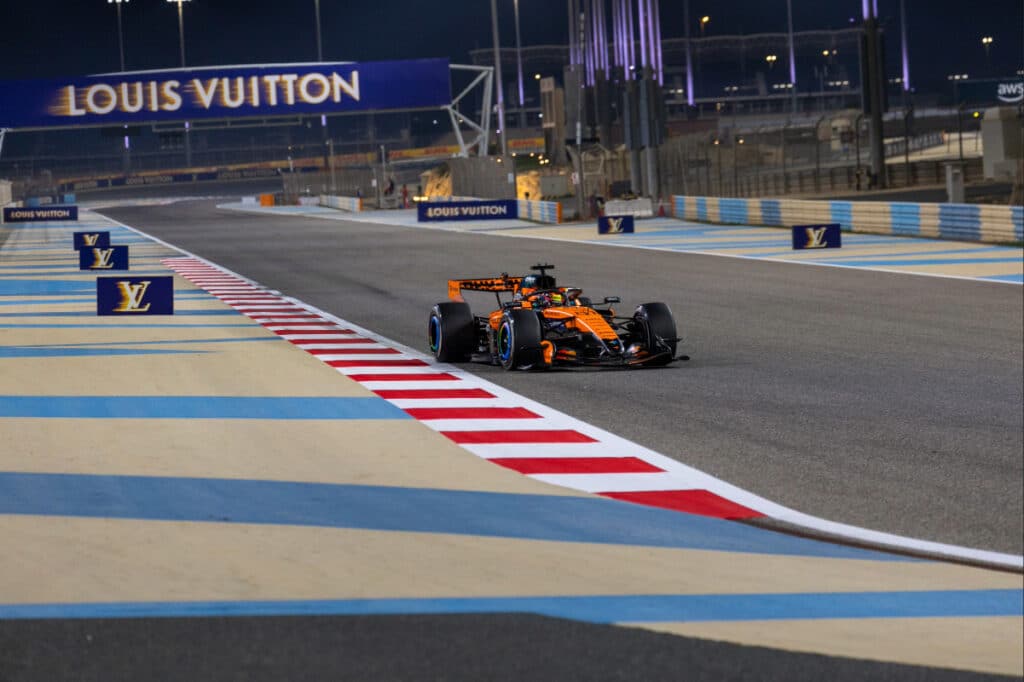
Race simulations positioned McLaren comfortably within the leading group. Single-lap flashes confirmed genuine low-fuel capability.
Paddock discussions suggest McLaren may not have been running the latest Mercedes power-unit specification during testing. If accurate, incremental performance could still be unlocked.
Organisational Cohesion
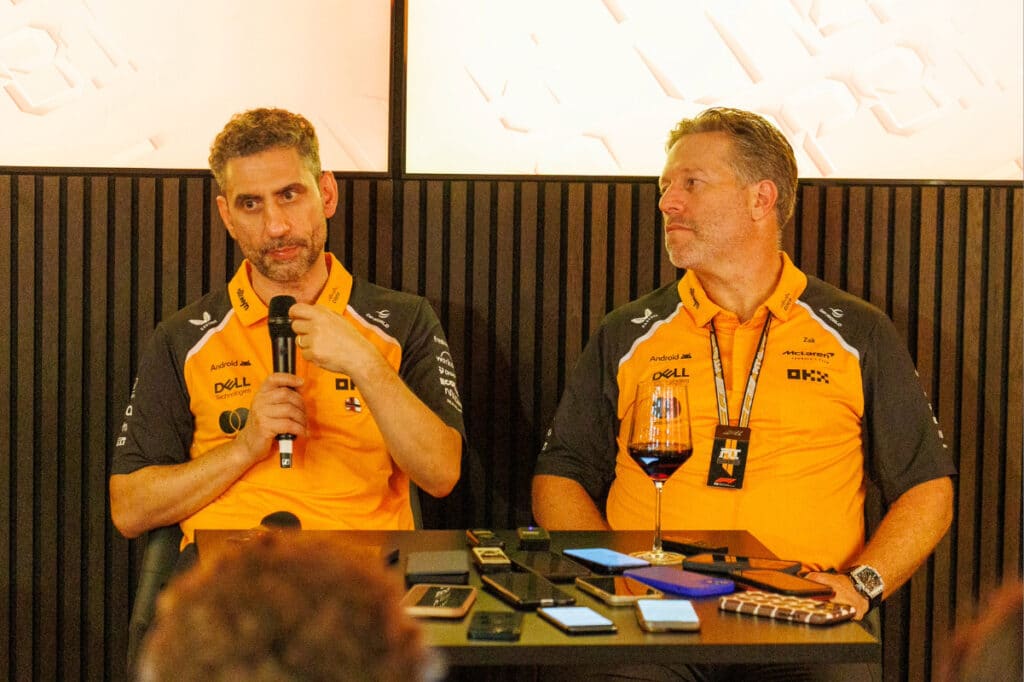
Beyond lap time, McLaren appear internally aligned:
- Technical departments integrated
- Driver pairing cohesive
- Leadership confident
This balance may prove decisive over a long season.
Conclusion: McLaren leave Bahrain firmly embedded in the front group — potentially stronger than testing alone suggests.
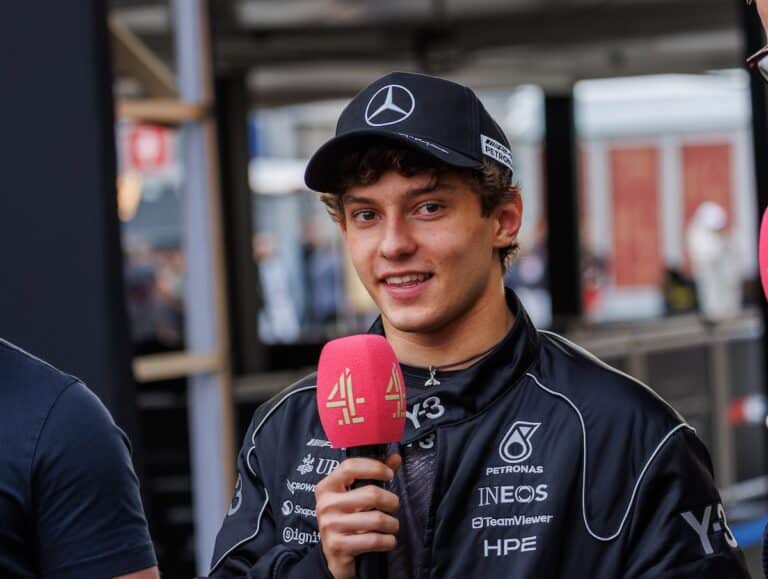
Mercedes – The Sandbagging Narrative
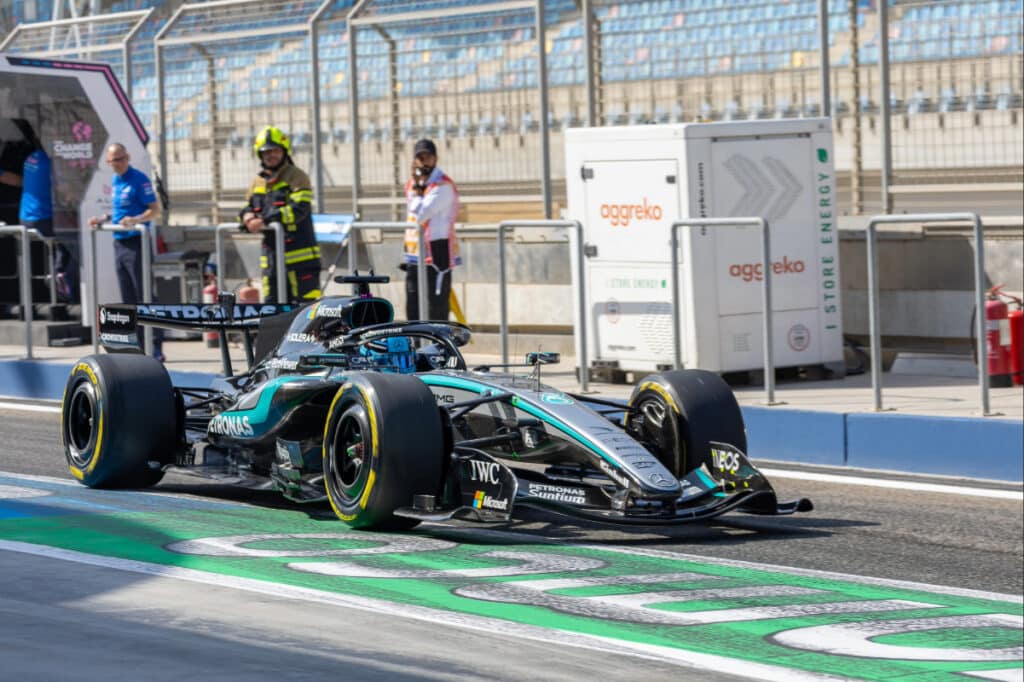
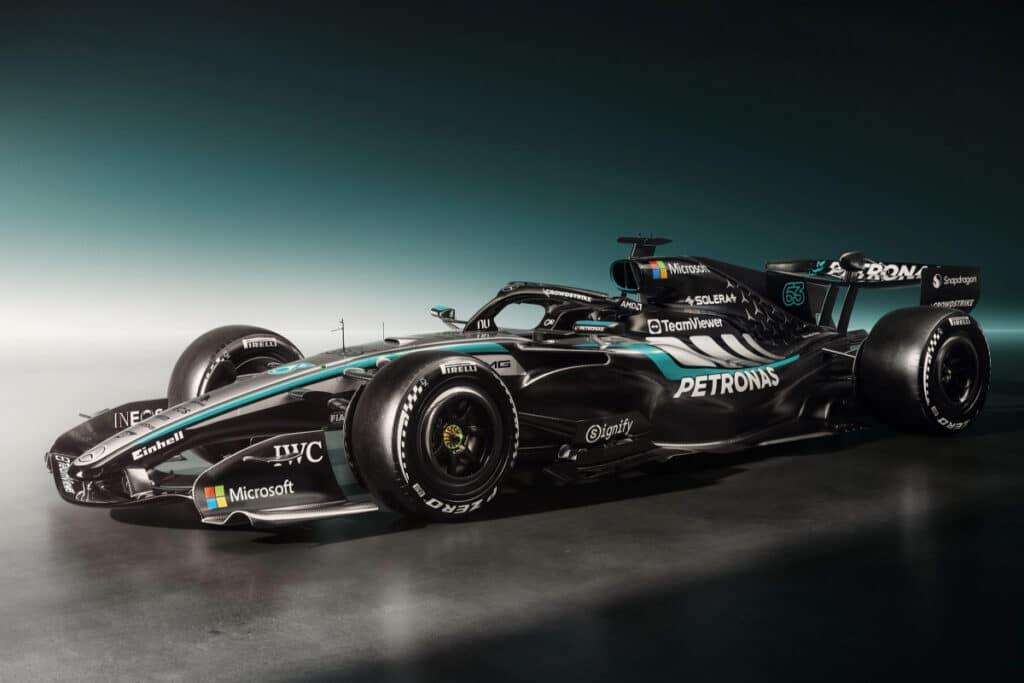
For many inside the paddock, Mercedes-AMG Petronas Formula One Team remain the benchmark.
Mileage was enormous. Execution was disciplined. And there is widespread consensus that Mercedes have not revealed their full hand.
When a leading team chooses not to pursue headline laps, suspicion follows.
Controlled Programme Execution
- Efficient daily sessions
- Early completion of objectives
- No late-session qualifying theatrics
This restraint fuels the sandbagging narrative.
The public handling of speculation — particularly through certain press conference performances — occasionally felt unnecessary for a team widely regarded as strong.
The Core Question
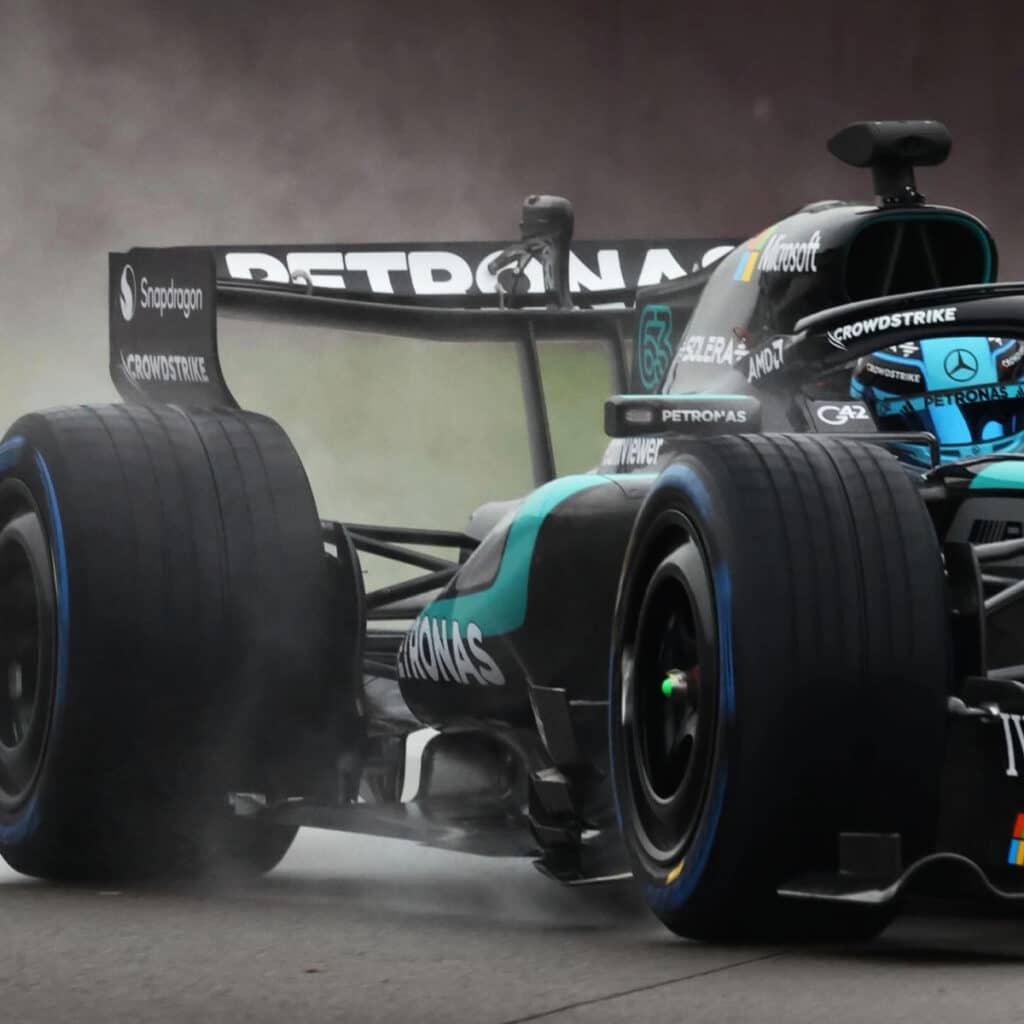
Have Mercedes hidden more than anyone?
That possibility alone sustains their status as pre-season reference point.
Ferrari – The Hope Awakens
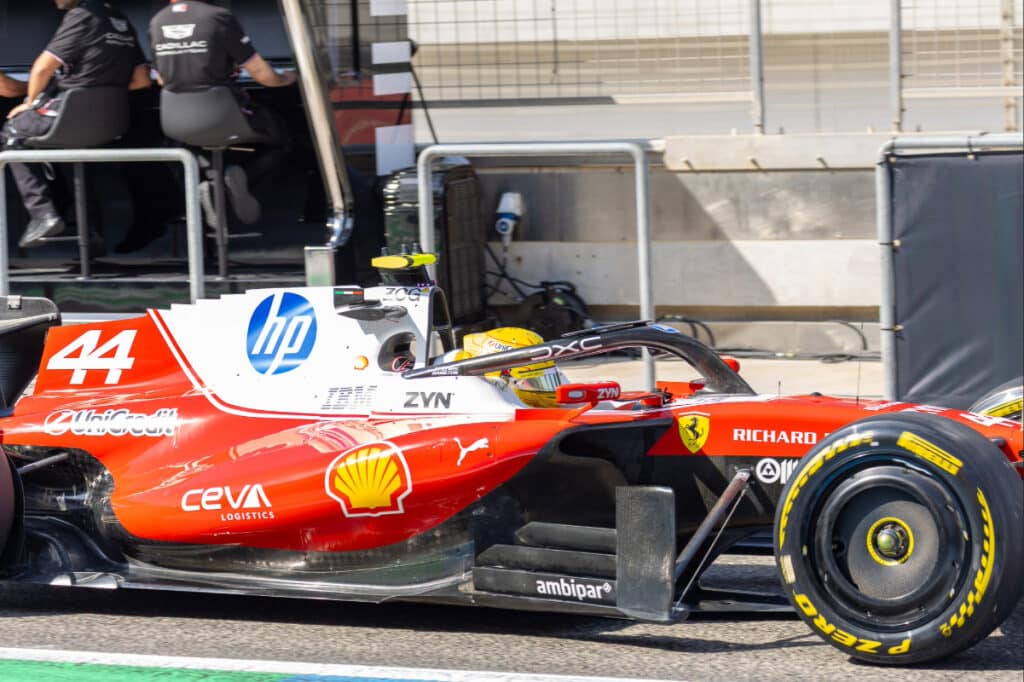
On visible evidence, Scuderia Ferrari looked fastest in Bahrain.
Strength Across Metrics
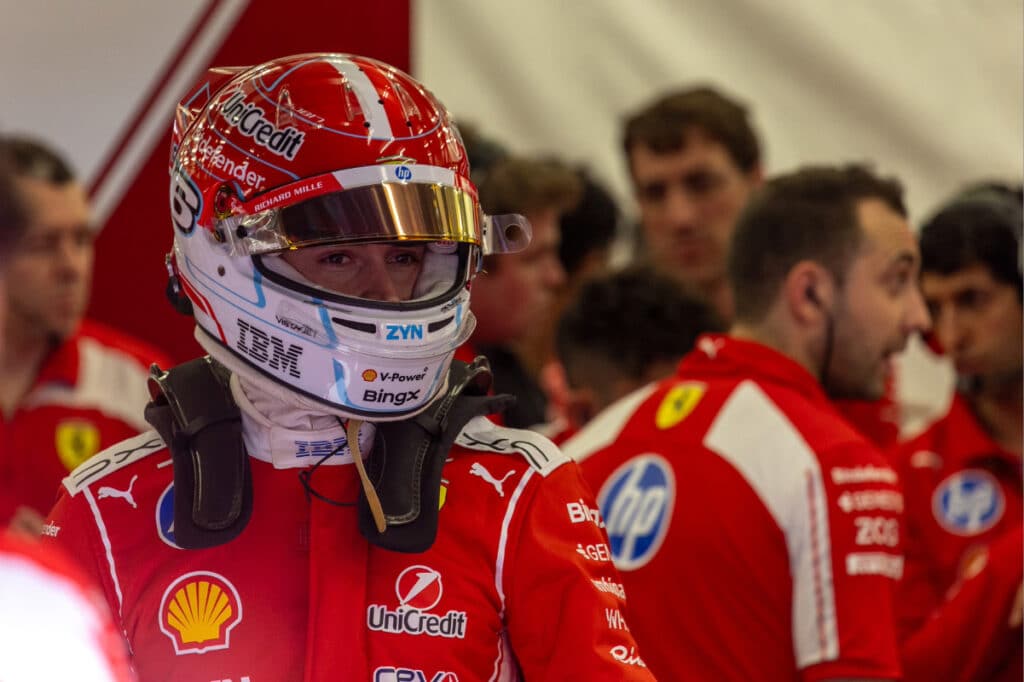
- Strong qualifying-style laps
- Convincing race simulations
- Exceptional practice starts
The launch phase performance was particularly striking. In a tightly matched front group, superior acceleration off the line is a genuine competitive weapon.
The speed did not appear extracted through extremity. It looked embedded in the concept.
Innovation and Confidence
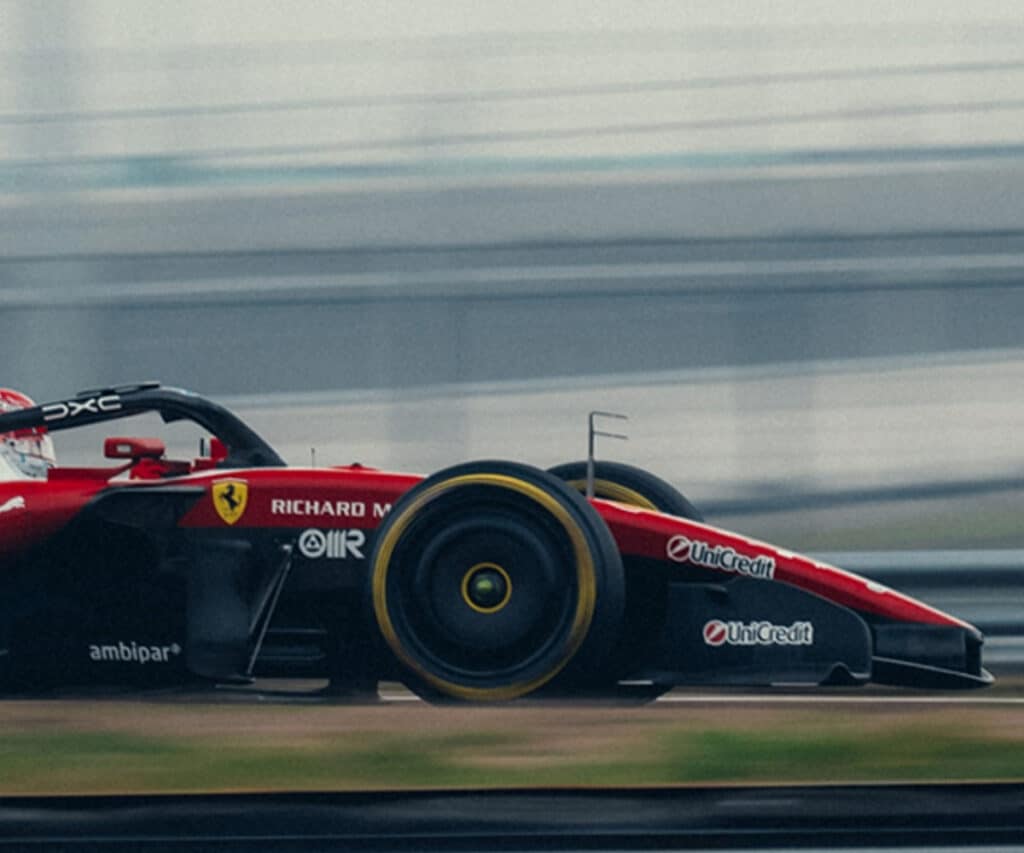
Ferrari introduced bold technical features with visible confidence. Combined with explosive starts, they shifted the tone of discussion within the paddock.
Yet caution is essential:
- Bahrain may flatter certain characteristics
- Mercedes may still hold performance in reserve
- Ferrari’s historical volatility tempers expectation
Assessment: Ferrari leave testing at the top of this provisional ranking. Whether that translates into victory in Melbourne will define the opening narrative of 2026.
Provisional Top Group Order Before Australia
- Ferrari
- Mercedes (potentially concealing pace)
- McLaren
- Red Bull
Margins between them: minimal.
Final Thoughts Before Melbourne
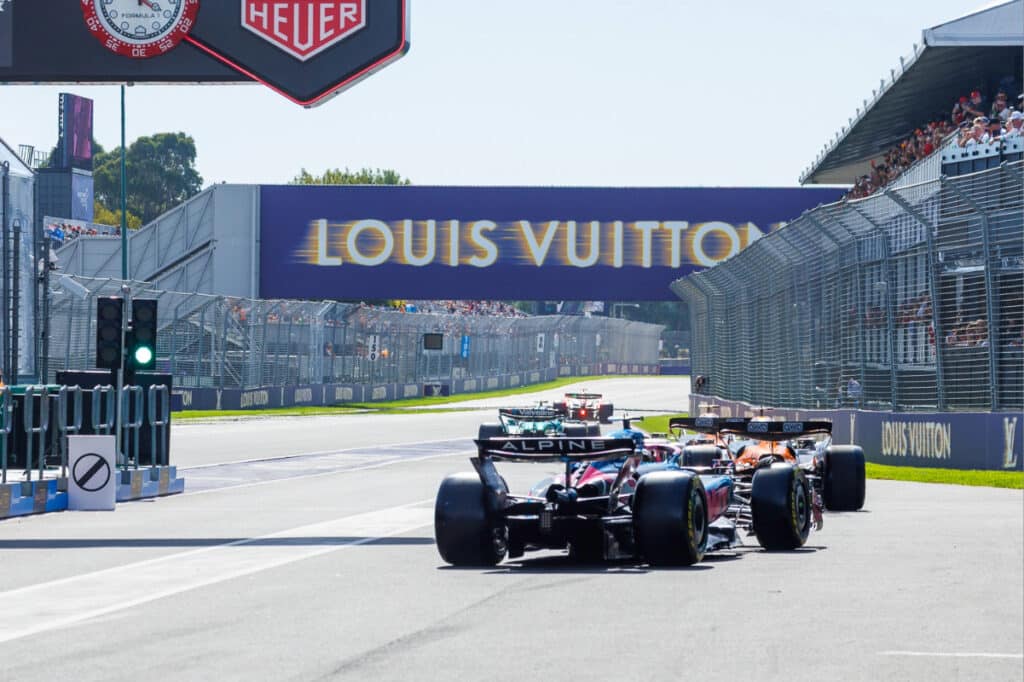
These observations are not predictions. Melbourne’s unique layout, early-season upgrades, and strategic variance may reorder expectations quickly.
What appears clearer is structural alignment:
- Two teams face immediate challenges at the back.
- A defined top four stands apart from the midfield.
- Between them lies a volatile upper midfield capable of surprising outcomes.
That volatility is precisely what makes the Australian Grand Prix compelling.
When the engines fire again, a new season begins — shaped by pace, fragility, execution, and human error.
▶ Watch the full video below:
Read More