Five weeks away. Five weeks of emergency regulation meetings, overnight factory shifts in Sakura, Silverstone and Maranello, and one four-time world champion racing at the Nürburgring — apparently because one form of motorsport was not enough for a man who claims to have lost his passion for the other. Formula One is back. And almost nothing looks the same as it did when the lights went out in Japan.
The Regulation Changes That Matter This Weekend
For the first time since Australia, the cars rolling out of the garages on Friday will behave differently. Four targeted areas have been addressed.
In qualifying, maximum recharge per lap drops from 8MJ to 7MJ, targeting super clipping duration of no more than two to four seconds per lap. The cars will have slightly less peak power but sustain acceleration for longer — qualifying should look more like racing again.
In races, boost power is capped at plus 150kW, with MGUK deployment limited to 250kW outside defined acceleration zones. This directly targets the scenario that sent Bearman into the barrier at Spoon. That specific 50km/h speed differential becomes significantly less extreme under the new parameters.
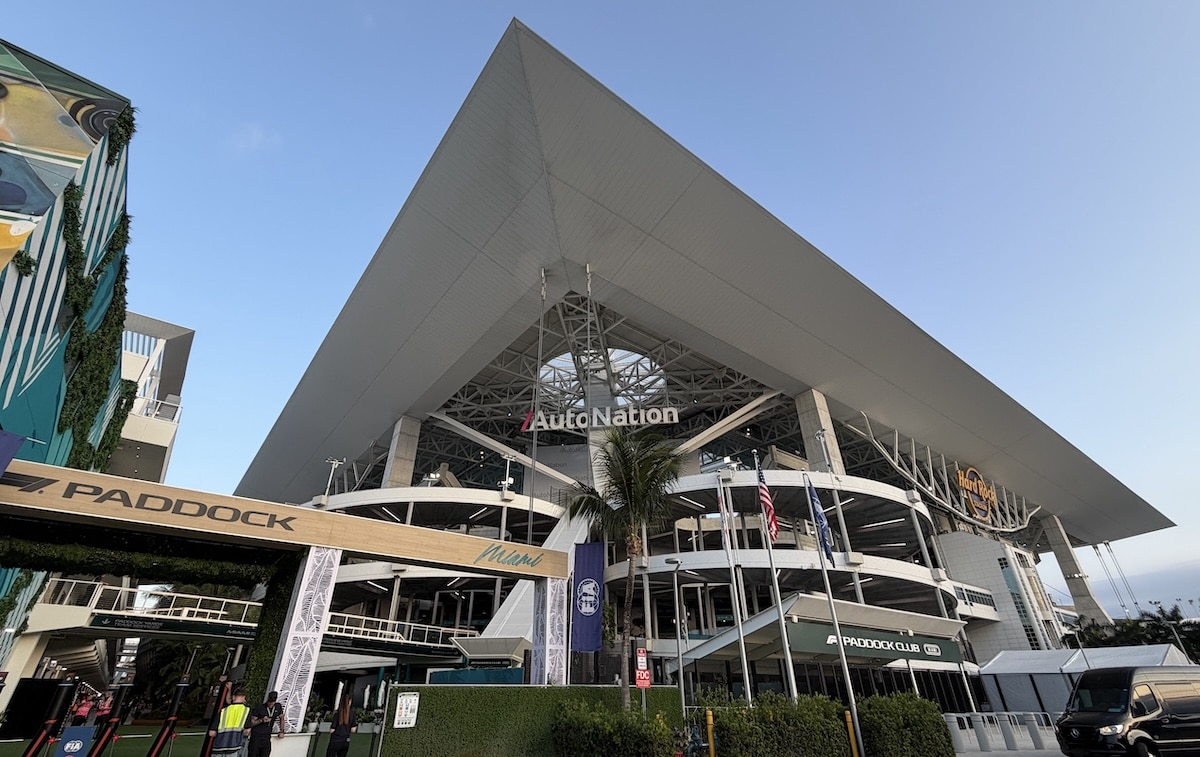
On race starts, a new low-power detection system is being tested in Miami following the near-miss between Colapinto and Lawson’s stalled car in Melbourne. Not yet confirmed for competition. Testing now, deployment within two to three rounds if the data validates it.
One honest caveat from inside the paddock — these changes may only address twenty percent of the structural problems with the 2026 rules. Bigger changes may arrive in 2027. The FIA called these refinements, not a revolution.
[IMAGE PLACEHOLDER — Miami International Autodrome 2026]
The Upgrades: Red Bull’s Macarena Wing, Ferrari’s Package and a Half
Red Bull’s Macarena-style rear wing — rumoured since the season opened, caught on spy cameras at a Silverstone filming day — is now confirmed. Their version offsets the rotation axis to create a larger gap between wing elements in straight-line mode, with reported speed gains of five to ten kilometres per hour. Treat those numbers with appropriate scepticism until the timing screens speak. More significantly, a weight reduction programme addresses what has been estimated as half a second per lap lost through excess chassis weight alone.
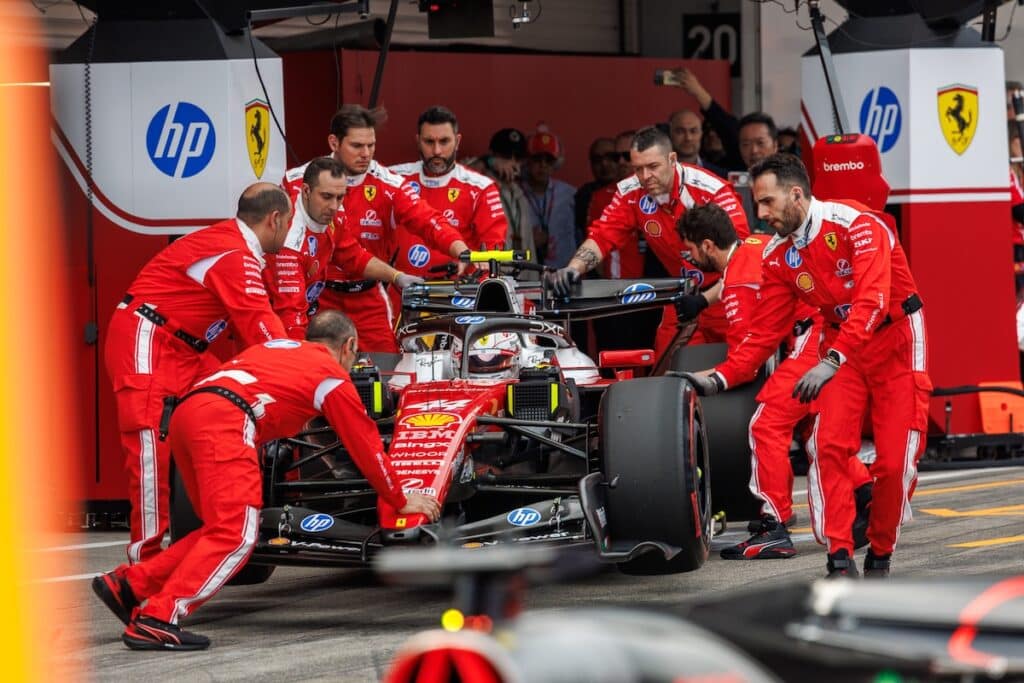
Ferrari arrive with what Charles Vasseur has called a package and a half. New front wing flaps, underfloor work representing the most significant element, revised halo winglets, and crucially the car is now reported to be under the weight limit — giving both Leclerc and Hamilton the ability to use ballast to tune setup to preference. That is a meaningful tool on a circuit that should suit Ferrari’s medium to high-speed strengths.
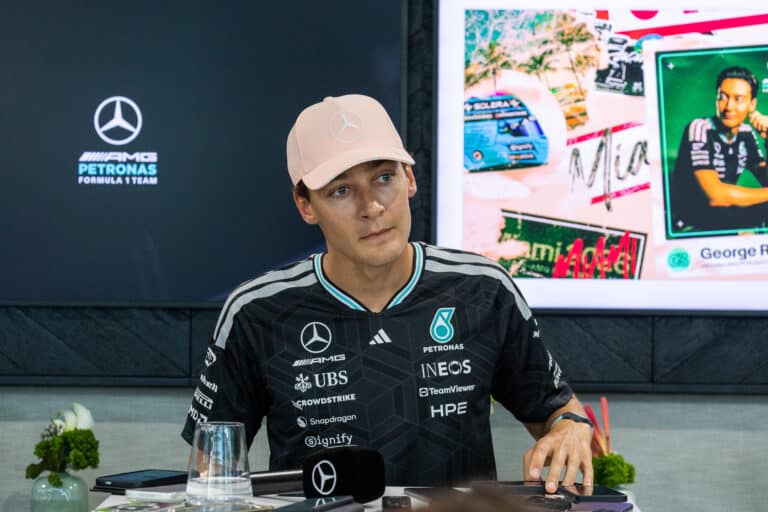
Mercedes have one specific problem to fix. Three races, three underwhelming starts. If that is resolved, another one-two finish is entirely possible. The only question is which silver car leads which.
The Verstappen Question Miami Must Answer
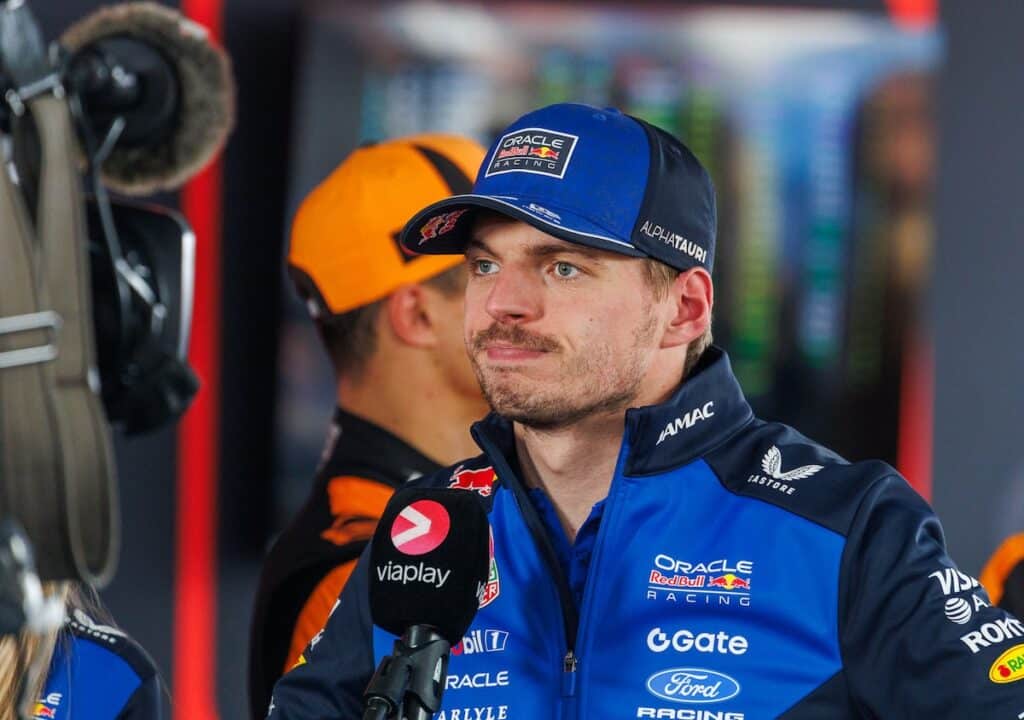
Max Verstappen described his motivation as a battery that feels full when he wakes up and drained the moment he gets in the car. He told media after Japan that forcing himself to commit fully when he is not enjoying it is not healthy. The regulation changes reduce the most extreme energy differentials. In theory the racing becomes marginally more natural. But Miami answers a deeper question than car performance. Does Verstappen arrive in Florida with any trace of the fire that built four championships? Or does he arrive with the same cold detachment this paddock witnessed at Suzuka?
Our podcast guest Christian Klien believes a sabbatical is a real scenario. Getty Images photographer Mark Sutton reads it differently — he believes Verstappen is applying calculated pressure to force Red Bull to perform, not genuinely planning an exit. Both could be right. Miami is the first data point after five weeks of silence.
Other Stories to Watch in Miami
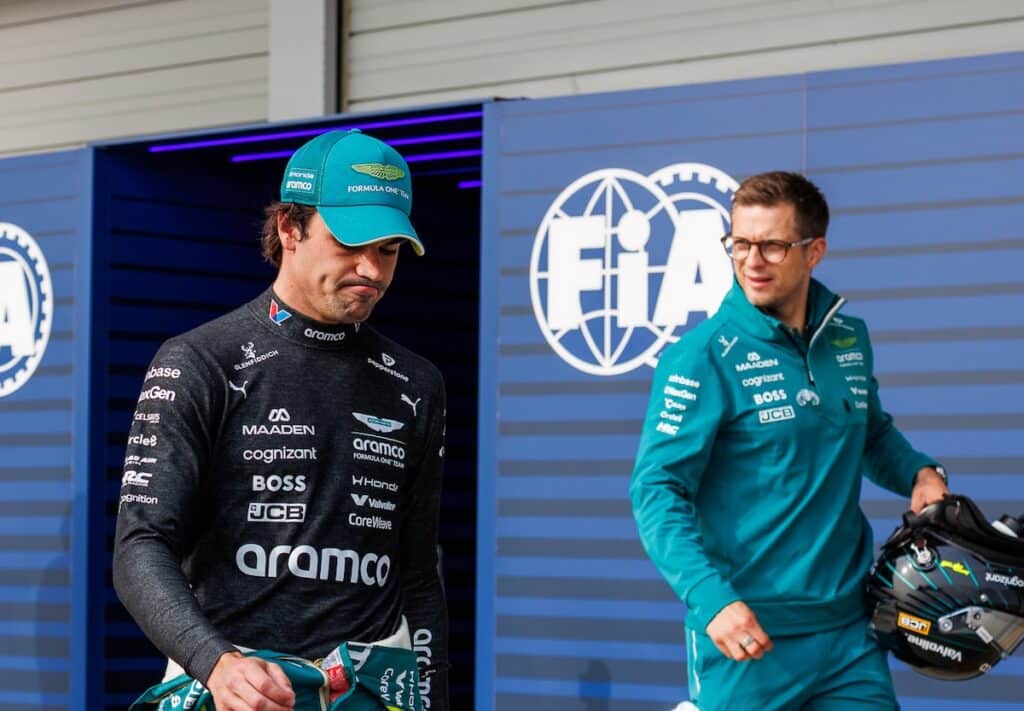
Aston Martin and Honda arrive with five weeks of intensive Sakura development behind them. Vibration countermeasures showed promise in Japan practice before being withdrawn ahead of qualifying on reliability grounds. Honda’s formal additional development window does not open until Monaco in June — Miami comes before that. Manage expectations accordingly.
Meanwhile, Yuki Tsunoda to Haas for 2027 is quietly gaining momentum. Komatsu has publicly refused to rule out the move. The Toyota connection makes the logic clean. The seat in question is Ocon’s.
Finally, on the calendar — Bahrain and Saudi Arabia are gone. Baku, Qatar, and Abu Dhabi later in the season are being watched. Nobody is saying they are officially at risk. Nobody in this paddock is pretending otherwise either.
▶ Full Miami preview — watch now on The Motion Report →
The FIA reduced qualifying energy recharge from 8MJ to 7MJ and capped race boost power at plus 150kW, directly targeting the super clipping speed differentials that caused Oliver Bearman’s crash at Suzuka.
Red Bull are introducing a Macarena-style rear wing tested at a Silverstone filming day, alongside a weight reduction programme estimated to recover approximately half a second per lap in lost lap time.
Read More
- Fernando Alonso’s Hands go Numb at Racing Speed — and the Clock on his F1 Future is Ticking
- Cadillac F1 at Suzuka: Perez delivers team’s strongest race as Miami upgrade looms
- Ferrari SF26 Launch: Hamilton, Leclerc, and Vasseur Face Their Defining Season
- Mercedes Engine Dominance Masks Growing Tension With Customer Teams Ahead of 2026