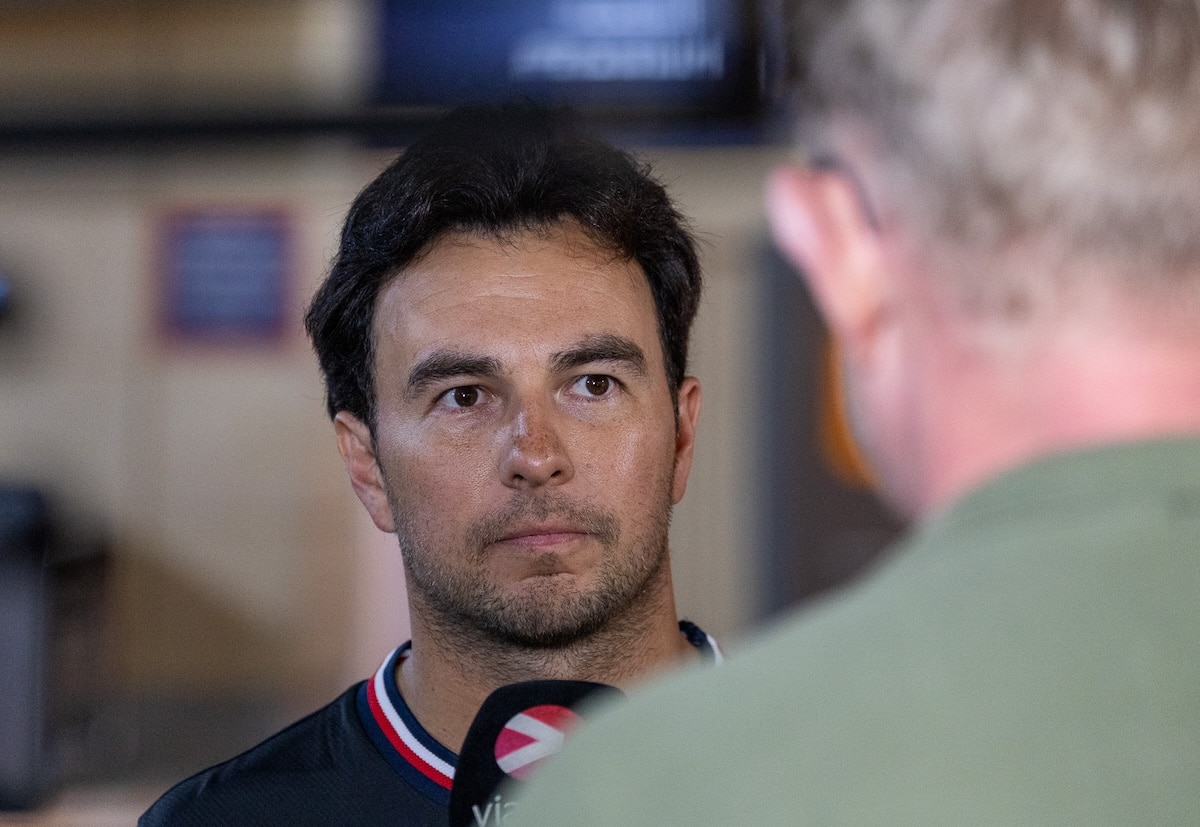
Cadillac’s entry into Formula One is not built around hype, youth, or disruption. Its first defining decision was something far rarer in modern F1: experience.
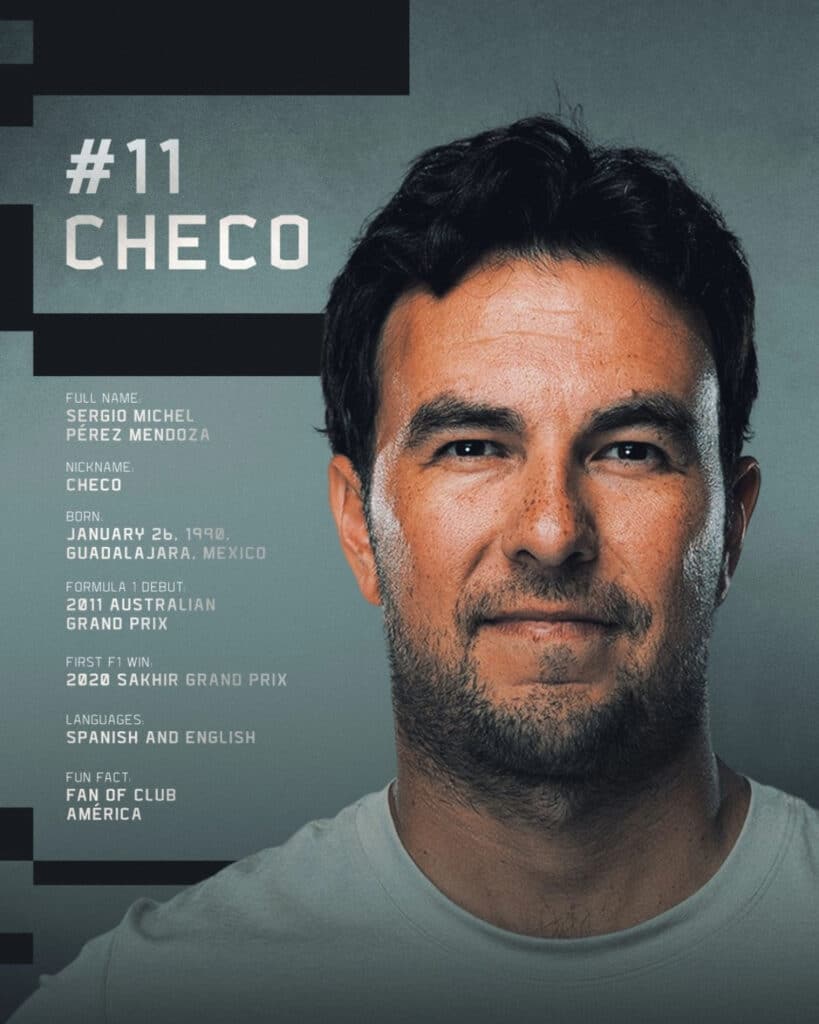
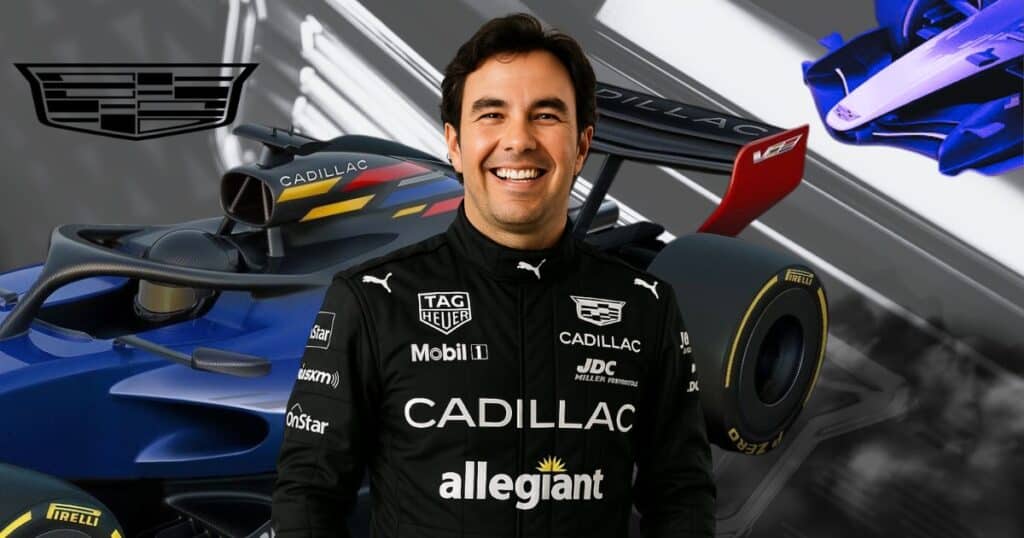
At the centre of that decision stands Sergio Pérez, entrusted with giving Cadillac’s Ferrari-powered 2026 car its first official laps during the Silverstone shakedown. It was a quiet moment, deliberately understated, yet unmistakably historic. Not a launch for cameras, but a beginning meant to be taken seriously.
A Return by Design
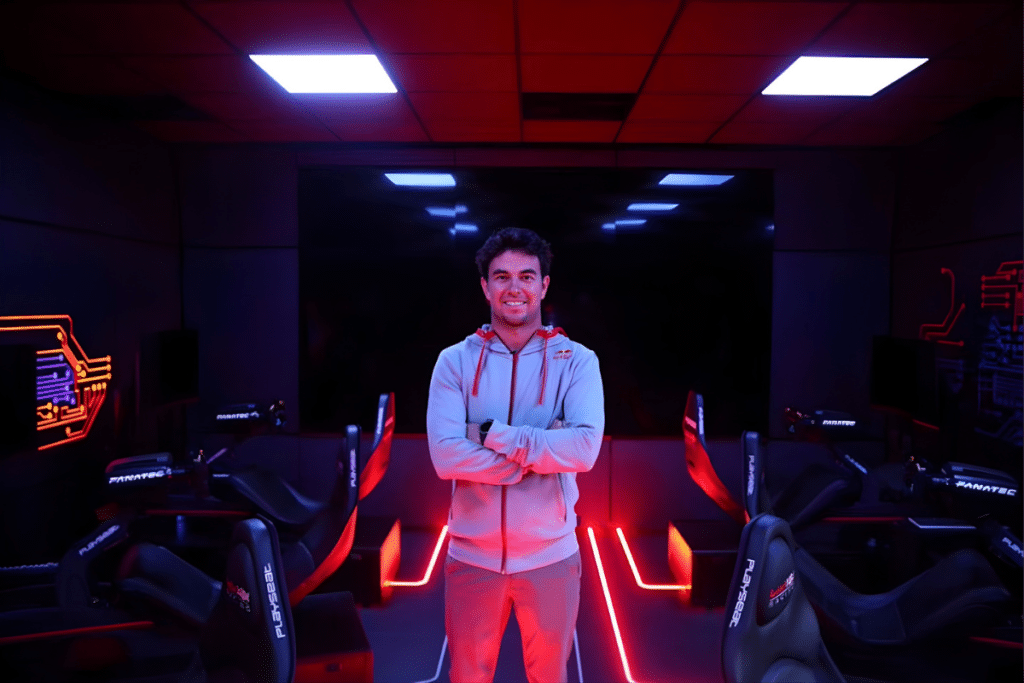
Pérez’s return to Formula One is not driven by nostalgia or unfinished business. After leaving Red Bull Racing, he did not rush toward the grid or lobby publicly for relevance. Instead, he stepped away, trained privately, and waited for a project that matched both his experience and his remaining ambition.
Cadillac offered that alignment. At 36, Pérez does not return as a stopgap or symbolic name, but as a stabilising force for a team entering the sport under demanding conditions. This is not a courtesy seat. It is a role defined by responsibility and trust.
That trust extends beyond performance. Pérez remains one of the most commercially influential drivers in Formula One, with deep reach across Latin America and Spanish-speaking markets. For Cadillac, that matters — not as marketing noise, but as confirmation that this is a global project, not simply an American one.
Why Cadillac Needed Pérez
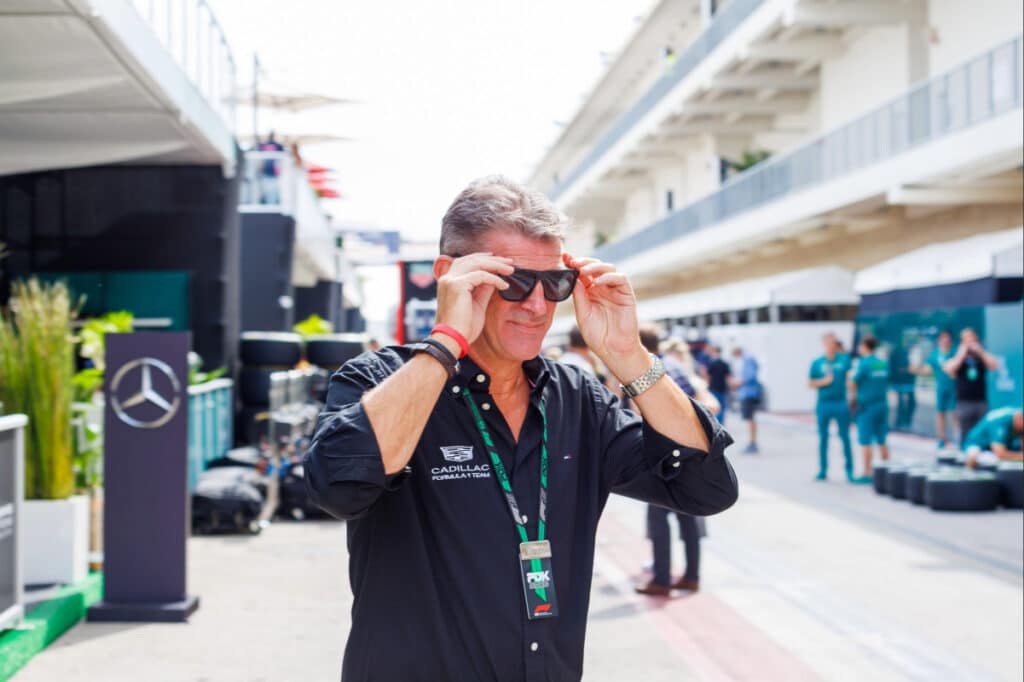
Cadillac enters Formula One without inherited infrastructure. Unlike Audi’s acquisition-based route, this project has been built from the ground up. Technical operations are based in Silverstone, aerodynamic development runs through Toyota’s Cologne wind tunnel, and parallel facilities in the United States are expanding steadily.
Ferrari will supply power units initially, but Cadillac is deliberately designing and manufacturing key components itself. It is a complex, multi-site operation — precisely the environment where experience becomes invaluable.
Pérez brings more than lap time. He brings development discipline, tyre management intelligence, and an understanding of how teams function when expectations exceed immediate results. He has operated inside fragile teams, under financial pressure, and within championship-winning organisations where internal dynamics matter as much as outright speed.
Stability Before Speed
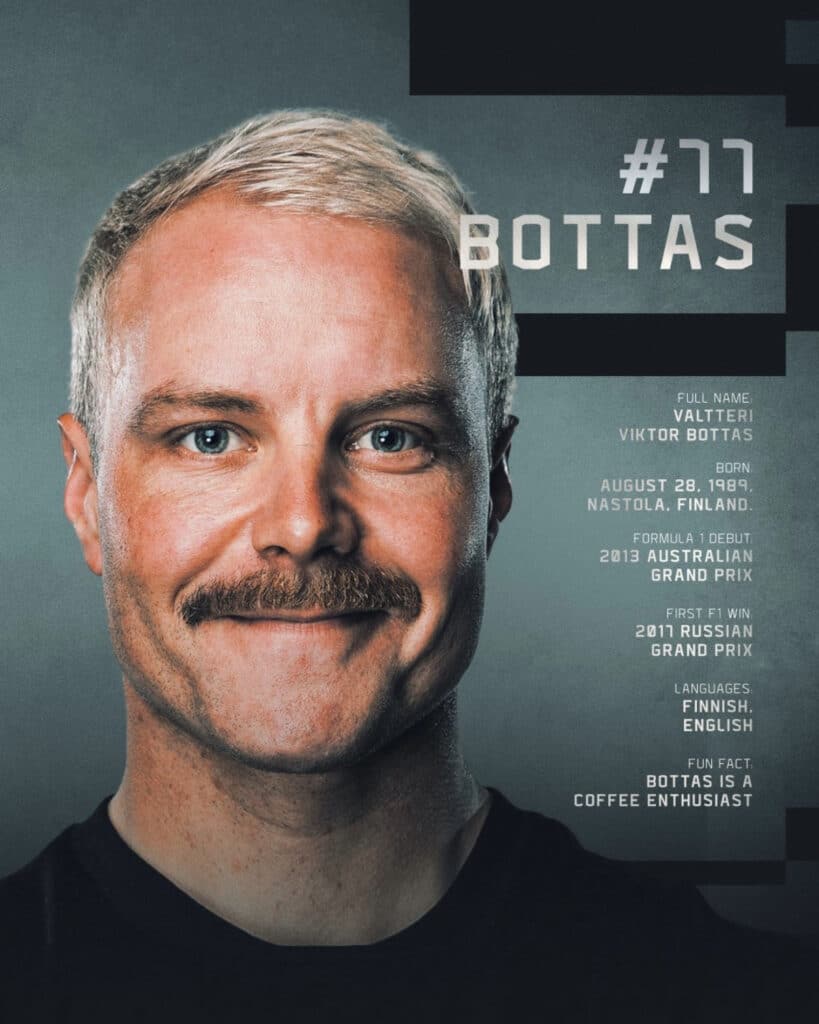
The decision to pair Pérez with Valtteri Bottas reinforces Cadillac’s philosophy. Together, they form one of the most experienced driver line-ups on the 2026 grid. Youth can come later. Stability cannot.
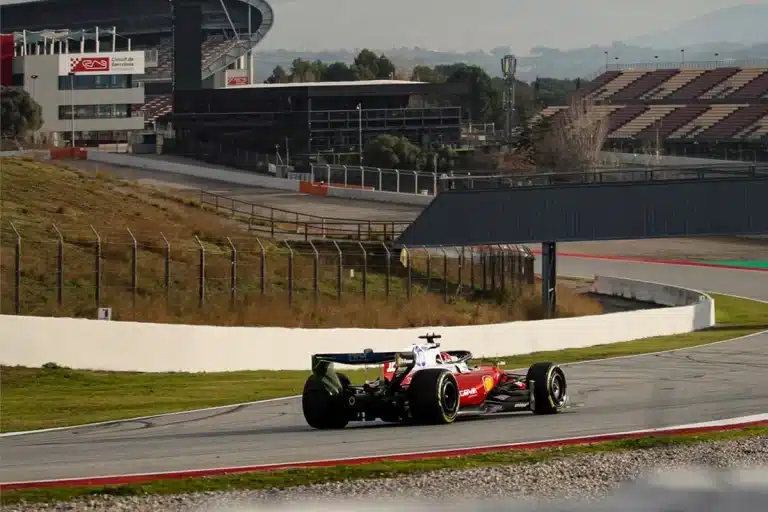
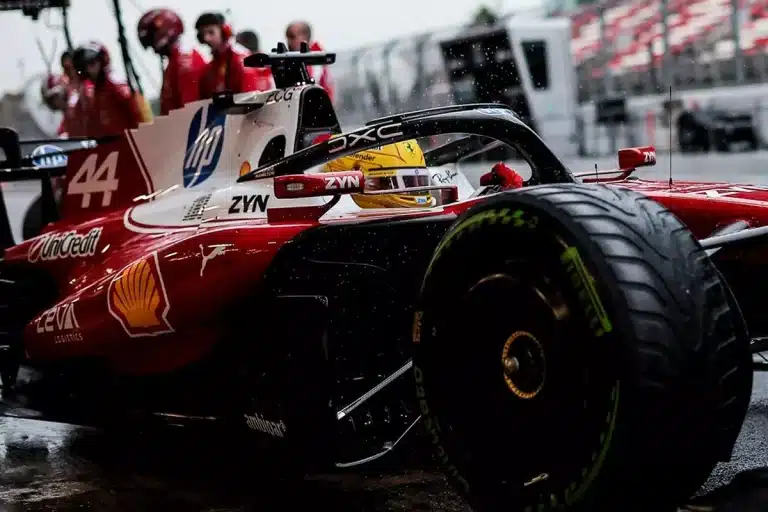
That thinking was evident at Silverstone, where Cadillac’s first on-track appearance was intentionally modest. The car ran an early specification in cold, wet conditions, with no attempt at spectacle. Pérez completed the initial laps as systems were validated and data took precedence over impression.
It was not designed to impress. It was designed to work.
What This Signals for Formula One
Cadillac’s approach stands apart from several recent manufacturer narratives in Formula One. After years of regulatory resistance and a substantial anti-dilution fee, the team arrives committed to technical ownership rather than branding alignment.
That distinction has sharpened comparisons across the paddock, particularly with other partnerships that blur the line between engineering and marketing. Cadillac has chosen the harder route — one that accepts consequence along with control.
Within that framework, Pérez’s role becomes clear. This is not a farewell tour or redemption arc. It is a partnership built on mutual necessity and realistic expectations. He is not expected to deliver early podiums. He is expected to help build a functioning Formula One team.
Looking Ahead
Cadillac will not define itself in its first races. Neither will Sergio Pérez. The early seasons will be about credibility, learning, and avoiding instability — the quiet foundations on which every lasting team is built.
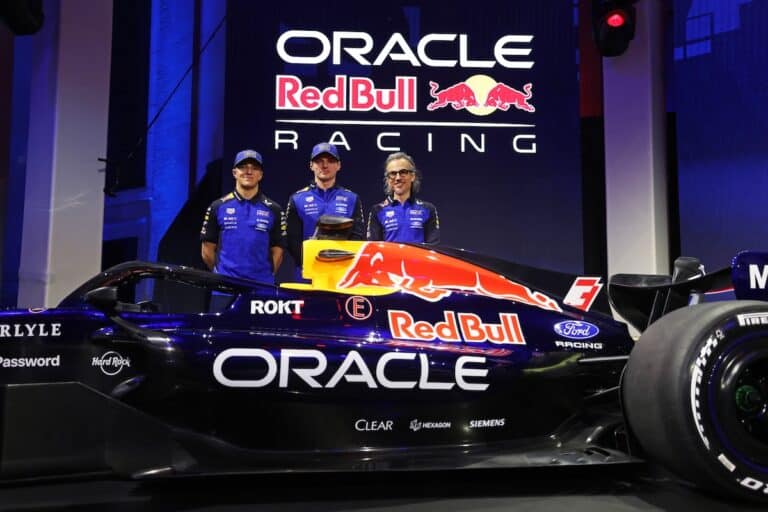
As the 2026 season unfolds, comparisons with Audi and with Ford’s partnership at Red Bull will be unavoidable. But Cadillac has already made one thing clear. It is prepared to measure success in progress rather than headlines.
And when the lights go out in Australia to open the 2026 season, fans will see something quietly symbolic.
Sergio Pérez — back in black — not chasing the past, but helping to build something new.
Read More: