Audi has officially presented its first Formula One car in Berlin, marking the public beginning of its works entry into the sport. The launch itself was deliberately restrained, offering few technical revelations. Instead, it underscored a deeper reality: Audi’s credibility in Formula One will not be judged by concepts or branding, but by whether it can develop a driver capable of carrying a long-term championship vision.
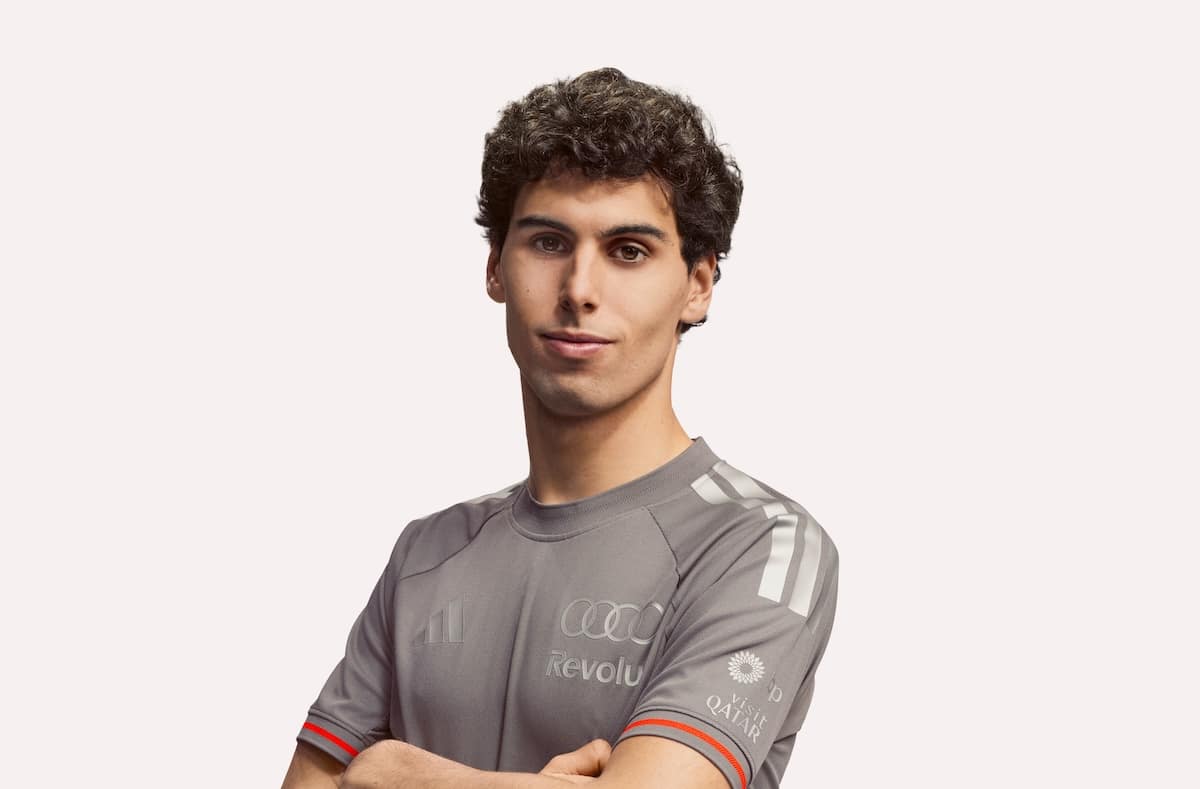
At the centre of that equation stands Gabriel Bortoleto.
Why Gabriel Bortoleto Matters to Audi’s Formula One Entry
Audi arrives in Formula One with a rare motorsport pedigree. It has won almost everything there is to win — from Le Mans to touring cars and rallying. The one prize missing is a Formula One World Championship. Closing that gap is now a strategic priority rather than a marketing exercise.
That ambition was reinforced in Berlin by the presence of Gernot Döllner, who attended the launch in person, signalling that Formula One is a long-term pillar of Audi’s future. But prestige alone will not deliver results. For Audi, long-term credibility depends on developing a driver who can grow alongside the project.
Bortoleto is that driver.
A Driver Chosen for the Long Term
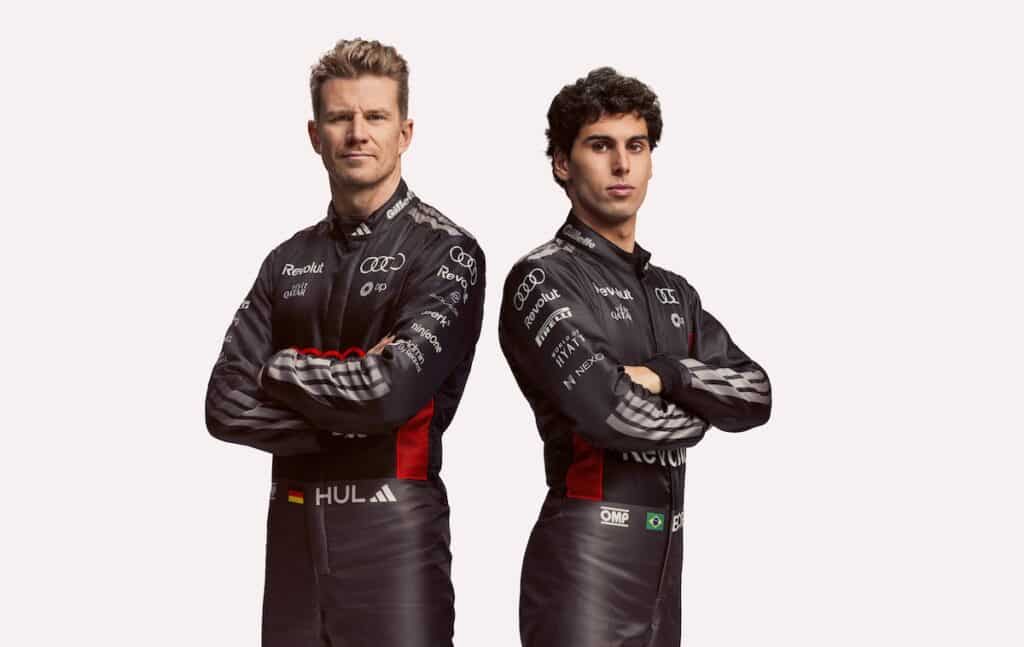
Audi’s driver line-up reflects a deliberate philosophy. Nico Hülkenberg provides experience and reference — stability during a period of structural transition. But the long-term trajectory points clearly toward Bortoleto.
Internally, Audi views him as a potential future champion — a driver whose peak lies ahead rather than behind. His role is not to deliver immediate results, but to grow with the team as infrastructure, processes, and performance mature. In that sense, Bortoleto mirrors Audi’s own timeline in Formula One.
Talent alone, however, is not enough. The machinery must eventually match the ambition.
The Structure Being Built Around Him
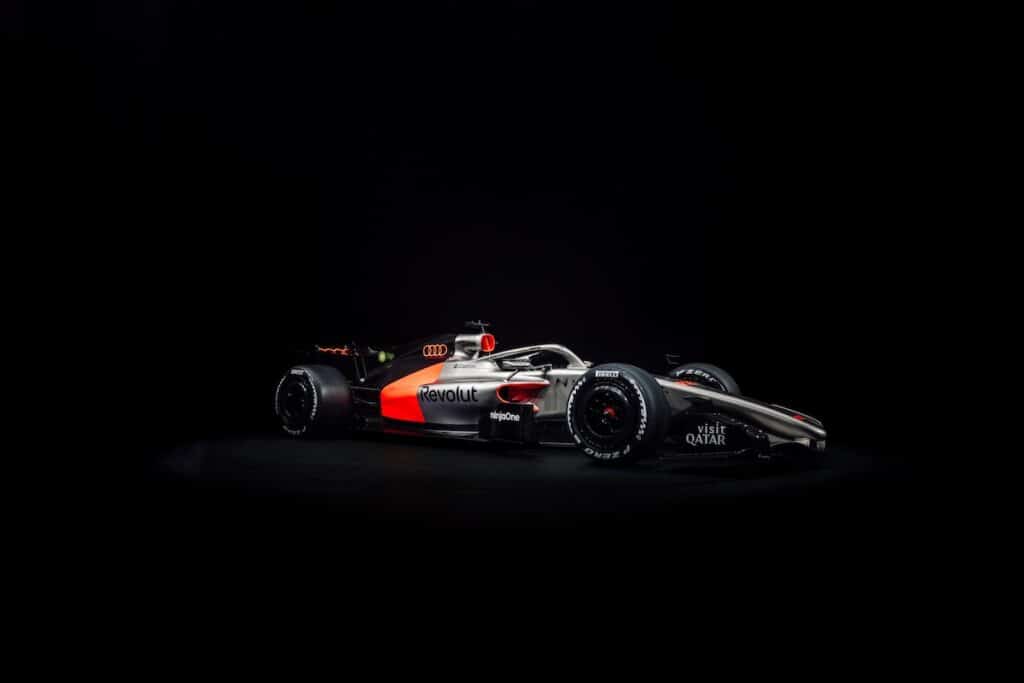
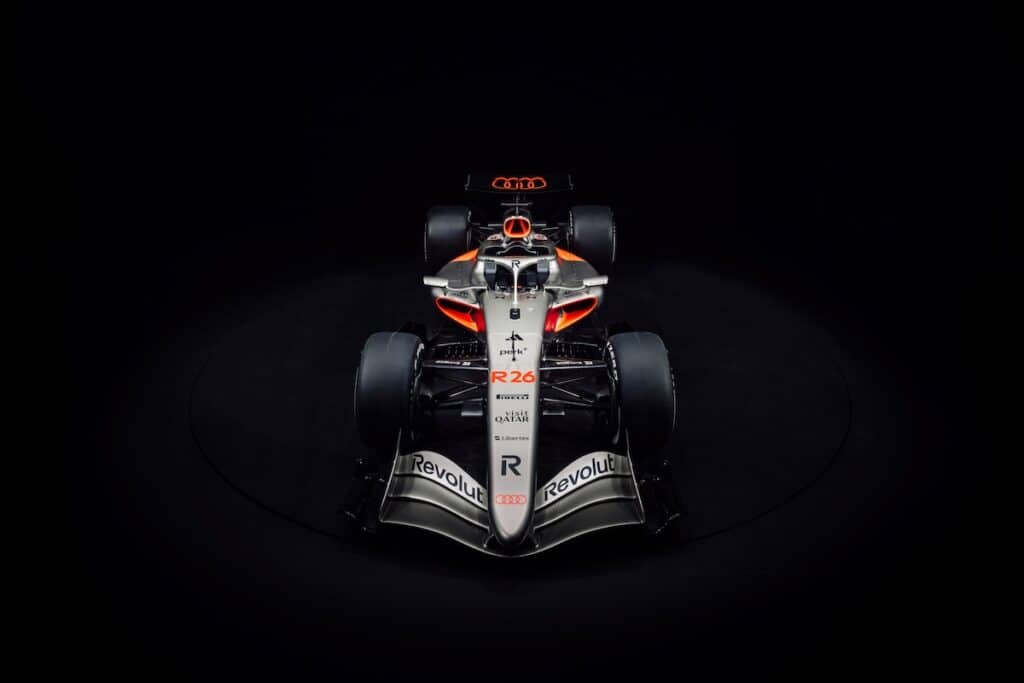
The Berlin presentation revealed Audi’s intent through restraint. A generic Formula One show car was used, making clear that this moment was about identity rather than technical exposure. The livery — titanium silver, red, and exposed carbon — projects a controlled, corporate presence consistent with Audi’s brand DNA.
Behind the surface lies a split operation. The AFR26 Hybrid power unit is being developed in Neuburg by Audi Formula Racing, while the chassis programme remains in Hinwil, inherited from Sauber. Audi has been open about the limitations of the Hinwil facility, acknowledging gaps in manufacturing capacity and simulation infrastructure.
Mattia Binotto, overseeing the project, has consistently downplayed short-term expectations. Finishing races cleanly matters more than points. For Bortoleto, the message is clear: development first, pressure later.
Modern Formula One Leaves No Margin
Audi is entering Formula One at a moment when manufacturers no longer have the luxury of gradual learning. The 2026 regulations introduce unprecedented complexity, with near-equal emphasis on combustion and electrical power, demanding excellence in software, energy management, and operational execution.
Audi believes its automotive DNA offers an advantage. The engine programme is entirely in-house, aligned with the brand’s electrification strategy. Yet Formula One history is unforgiving. Execution, not theory, determines credibility.
Internally, Audi frames 2030 — not 2026 — as the true competitive horizon. The question is whether fans and investors will accept that timeline while watching a young driver develop in public.
Gabriel Bortoleto’s Foundation Year
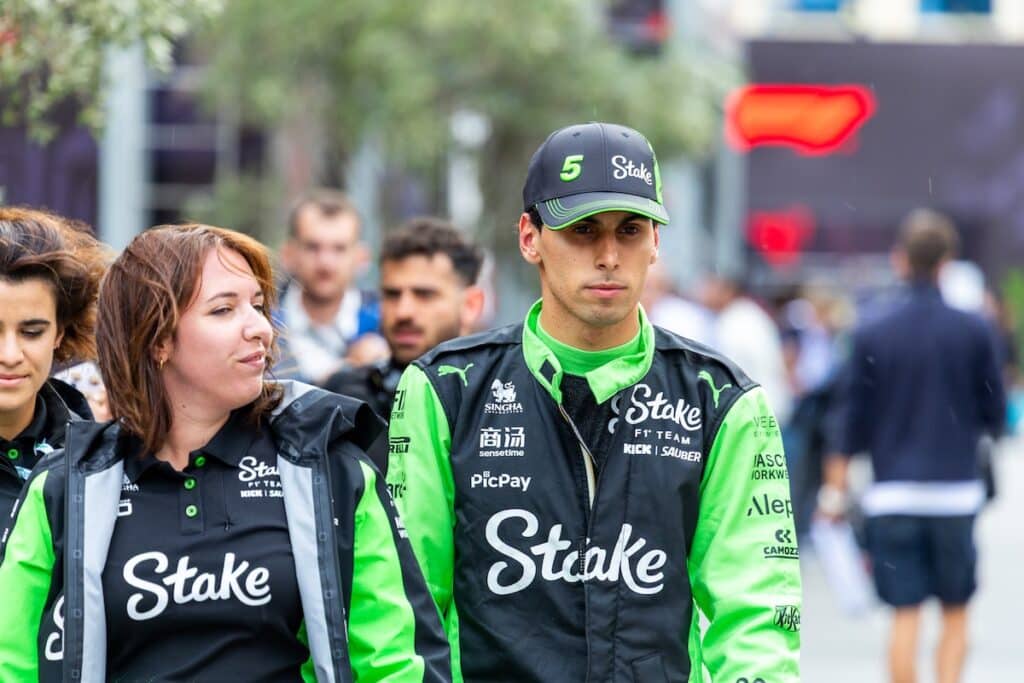
Bortoleto’s first season in Formula One unfolded inside one of the grid’s most complex environments: a team in full transition under cost-cap pressure. There were setbacks, including crashes that strained limited spare parts, and moments where inexperience showed.
Yet 2025 was always intended as a foundation year. Bortoleto delivered steady progress, five points-scoring finishes, and a standout sixth place in Hungary that impressed for its control rather than aggression. Midway through the season, he began asserting himself against his more experienced teammate, reinforcing why he is regarded as one of the most naturally gifted qualifiers of his generation.
Carefully guided by Fernando Alonso, and closely connected to Max Verstappen, Bortoleto enters the next phase of his career with elite reference points — and rising responsibility.
Why 2026 Will Define the Narrative
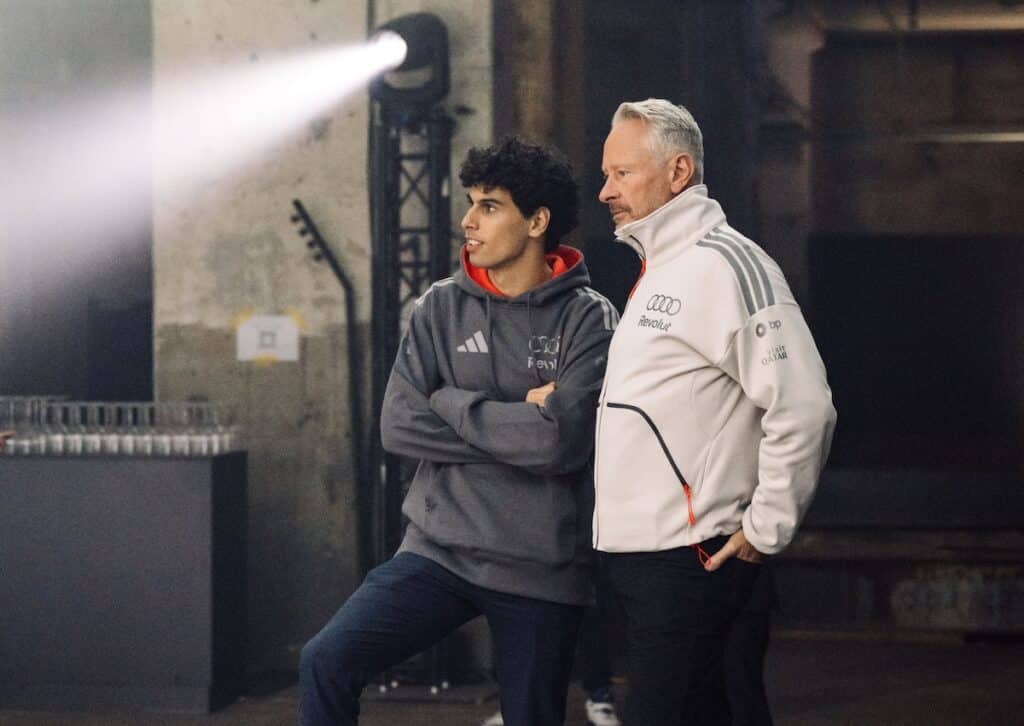
As Audi moves toward its full works debut in 2026, Bortoleto becomes the clearest indicator of whether the project is aligning ambition with execution. His role is not to win races immediately, but to deliver moments of clarity — flashes of intelligence, composure, and instinct that justify long-term belief.
If Audi can provide the stability for those moments to emerge, its Formula One project gains credibility. If not, expectation will arrive faster than performance.
Formula One has little patience for promises. For Audi, the future will increasingly be judged through one driver — and how quickly his potential becomes reality.
Read More: