Alpine chose an unusual stage to open its 2026 campaign: a season launch aboard the MSC World Europa in Barcelona, framed as a partnership moment with MSC Cruises and BWT. The setting was corporate and carefully choreographed, but the message behind it was far more direct. Alpine wanted this launch to mark a clean break from a difficult 2025 — and to signal urgency.
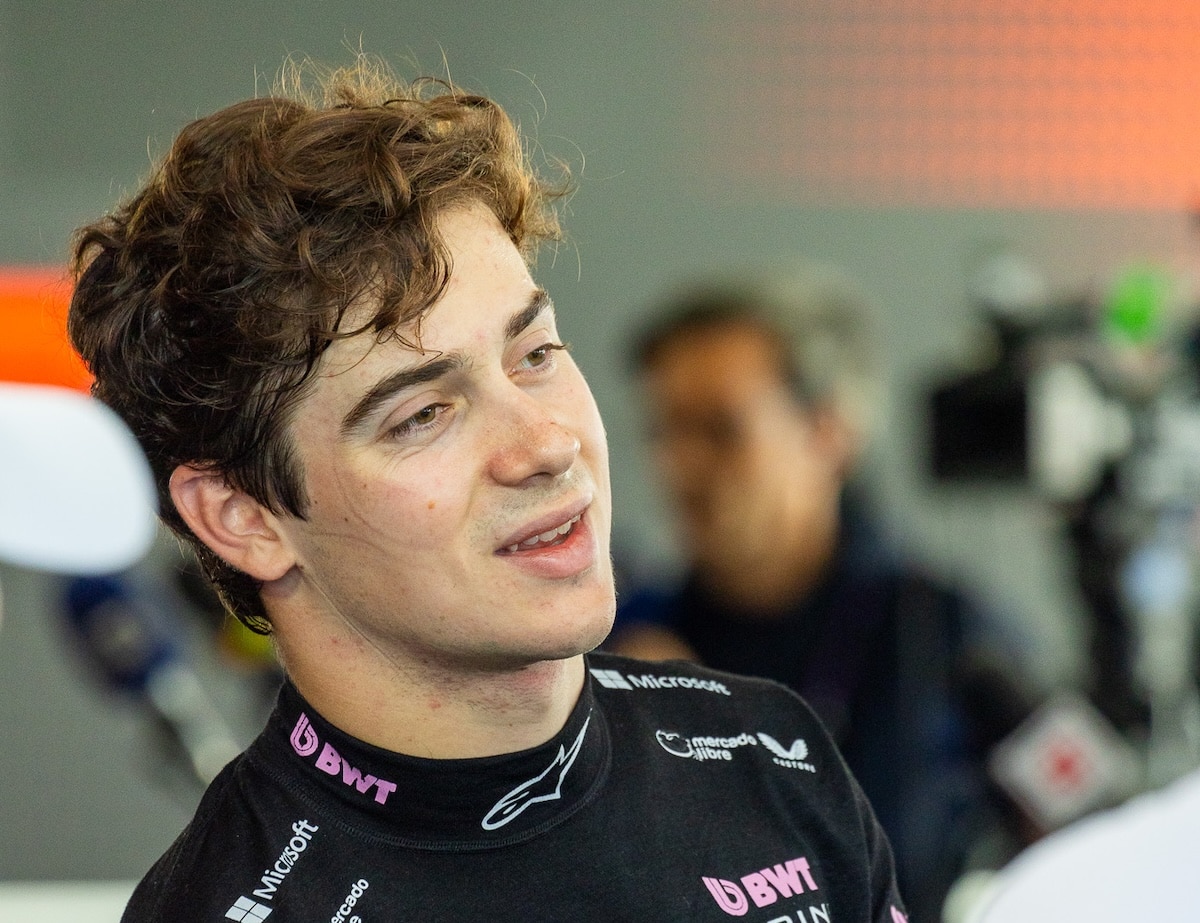
At the centre of that signal stood Franco Colapinto. Not yet the team leader, but no longer peripheral, Colapinto enters 2026 as one of Alpine’s most closely watched assets — and the clearest measure of whether this reset will work.
A Launch Built for Symbolism, Not Comfort
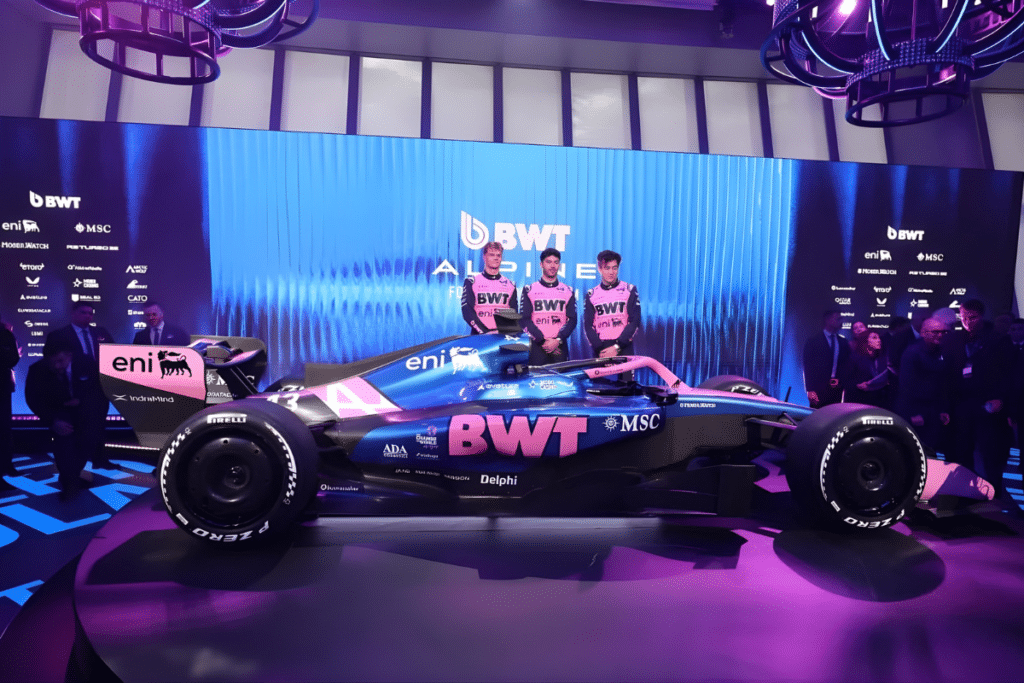
The MSC launch was designed to communicate continuity in identity and disruption in substance. Alpine blue and BWT pink remain central, giving the team a corporate look it can carry through multiple seasons. Beneath that surface, however, Alpine confirmed the full scale of its 2026 transformation.
The new A526 will be built entirely around the regulation reset: smaller dimensions, significant weight reduction, and the return of active aerodynamics — a variable drivers will need to relearn from zero. More importantly, Alpine framed its Mercedes power unit partnership as the cornerstone of its future, not a temporary solution.
That framing makes 2026 a credibility season. If Alpine is competitive early, the narrative becomes one of competence and momentum. If not, investor confidence and leadership stability quickly return to question.
Why 2026 Changes Everything for Colapinto
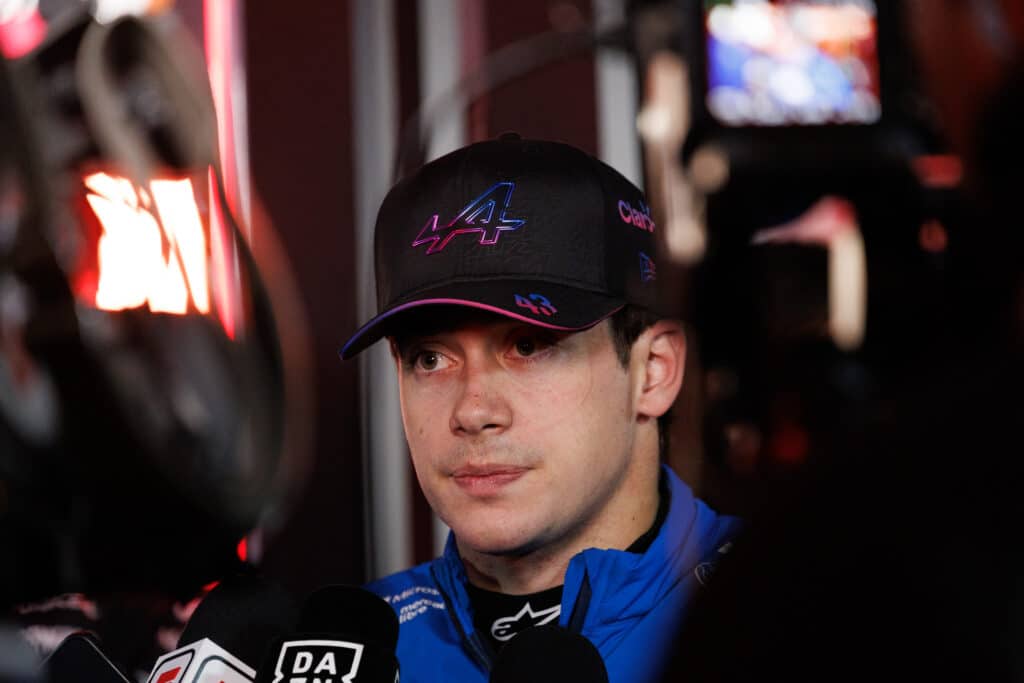
Colapinto’s story carries both upside and risk. Thrust into Formula One during the 2024 season, he showed flashes of pace almost immediately — and just as quickly learned how unforgiving the sport can be. The heavy qualifying crash at Imola remains a reference point, highlighting how thin the margin is for a driver still calibrating limits.
That context matters because Alpine is not sheltering him. Publicly, the team has placed Colapinto at the centre of the project from the start. He described the winter as his first “proper off-season,” preparing for a full campaign rather than reacting week to week.
A regulation reset can protect a young driver, because everyone is learning at the same time. It can also expose them. Alpine believes the reset offers Colapinto a rare opportunity: genuinely equal conditions against Pierre Gasly, the team’s established benchmark.
Equal Machinery, Unequal Consequences
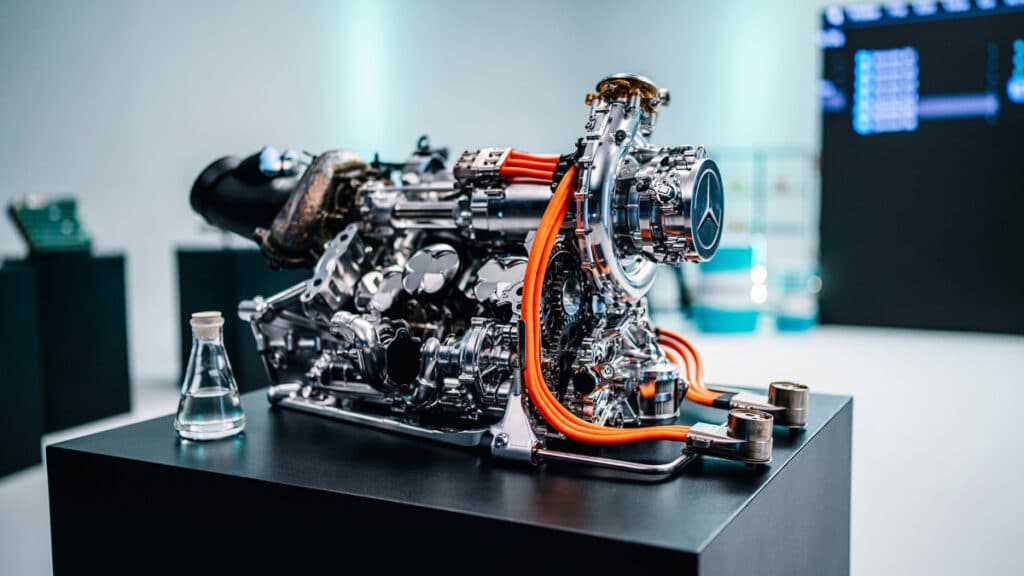
Under the new regulations, experience gaps narrow — at least initially. Both Gasly and Colapinto will be learning a new platform from zero, with Mercedes power providing a more stable technical baseline than Alpine has enjoyed in recent years.
For Colapinto, the opportunity is clear. If he can make a credible impression against Gasly — as he did in parts of his debut season — his long-term future strengthens considerably. If not, modern Formula One offers little protection. Funding may open doors, but it rarely keeps them open without results.
The unresolved question is whether this new Alpine can give either driver a car capable of competing consistently. It is a belief the team projects publicly — and one Flavio Briatore appears fully committed to testing.
Briatore’s Authority and the End of Compromise
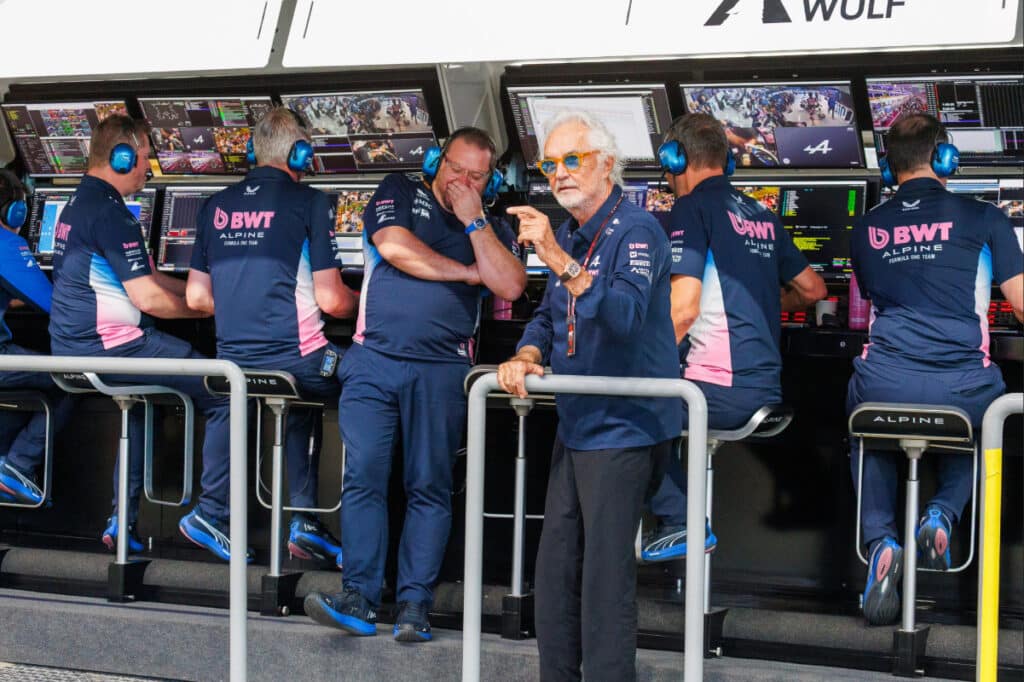
If there is one figure who truly believes in Alpine’s 2026 mission, it is Briatore. The team has placed him deliberately at the centre of its public story. His decision to abandon Renault power in favour of Mercedes — painful for Alpine’s heritage — reflects his reputation for decisive, uncomfortable calls.
At the MSC launch, Briatore described the new regulations as a “clean sheet of paper” and acknowledged how deeply recent struggles had tested the organisation. The message was unambiguous: Alpine has stopped negotiating with its own limitations.
That mindset compresses timelines. Briatore’s leadership is built on urgency, and he will expect early signs that the reset is working. For Gasly, that pressure is manageable. For Colapinto, it raises the stakes significantly.
The Ownership Question Hanging Over Everything
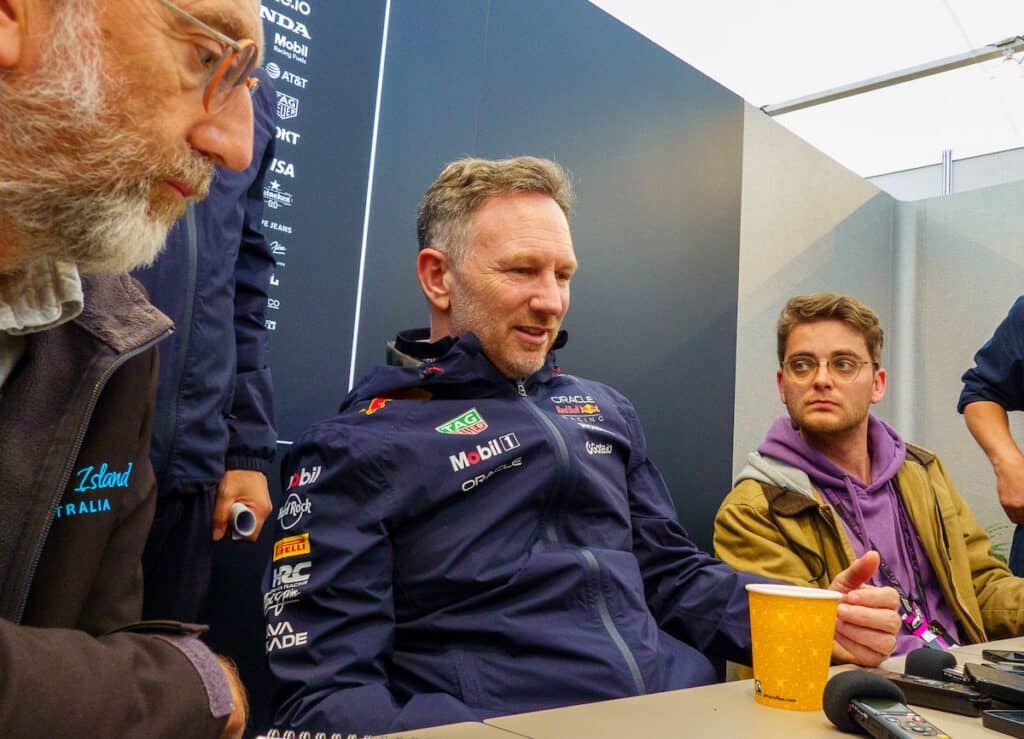
The most destabilising variable around Alpine is not technical, but political. Reports — including from Reuters — have linked Christian Horner to potential investment talks involving Alpine, alongside CEO Luca de Meo.
Even without resolution, the rumours already matter. Ownership discussions often reshape teams long before contracts change. New money brings new priorities — and driver decisions are rarely immune.
For Colapinto, the implication is direct. If he starts 2026 disciplined, fast, and consistently scoring, he becomes harder to displace regardless of politics. If he is erratic, he risks being reframed as a short-term experiment in a team trying to project modernisation.
What works in his favour is scale. Colapinto carries a large, engaged fan base and significant commercial backing from his home country — visibility that provides leverage in any leadership reshuffle.
Why This Season Will Define His Trajectory
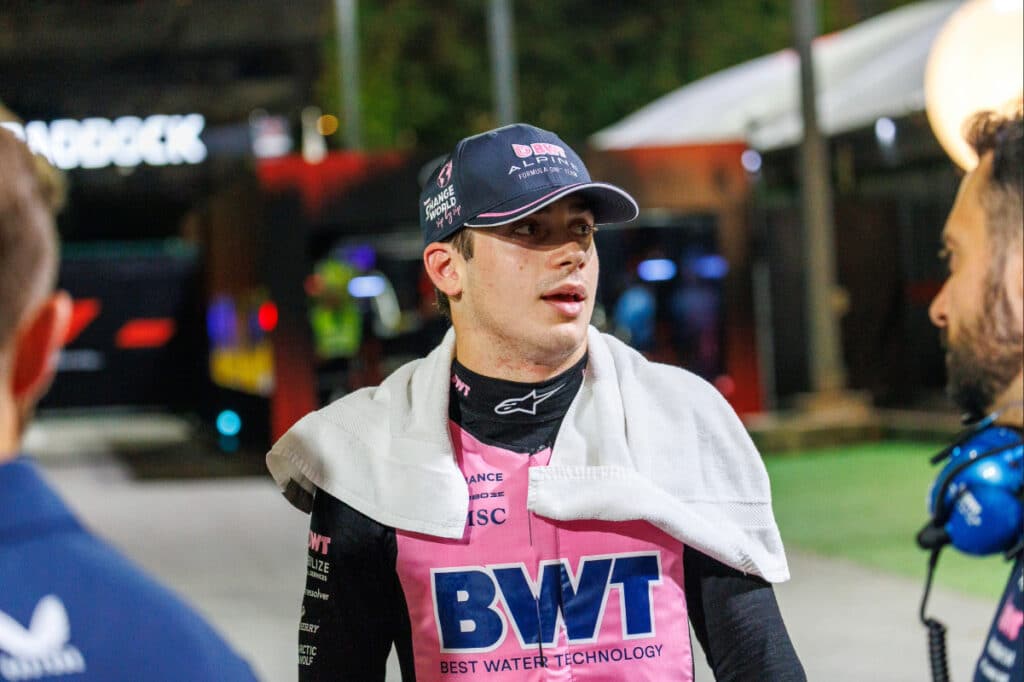
Alpine presents 2026 not as a rebuild, but as a rapid return to relevance. That framing leaves little room for patience. For Colapinto, this becomes a hinge season — one that can convert early promise into long-term security, or expose the limits of opportunity inside a politically fluid organisation.
Formula One rarely waits. Ownership, power units, and leadership structures can change quickly, but performance remains the only stable currency.
For Franco Colapinto, the reset is real.
So is the pressure.
Read More: