Two Formula 1 races are gone. Three more are under threat. And the ripple effects of the conflict in the Gulf could reshape the sport’s commercial foundations in ways not seen since the Second World War.
The Bahrain and Saudi Arabian Grands Prix have been officially removed from the 2026 calendar after the outbreak of hostilities across the Gulf region in late February. In their wake, a five-week hole sits in the season schedule — and a far larger void in the sport’s finances.
▶ Watch the full video on The Motion Report →
The Money Behind the Races

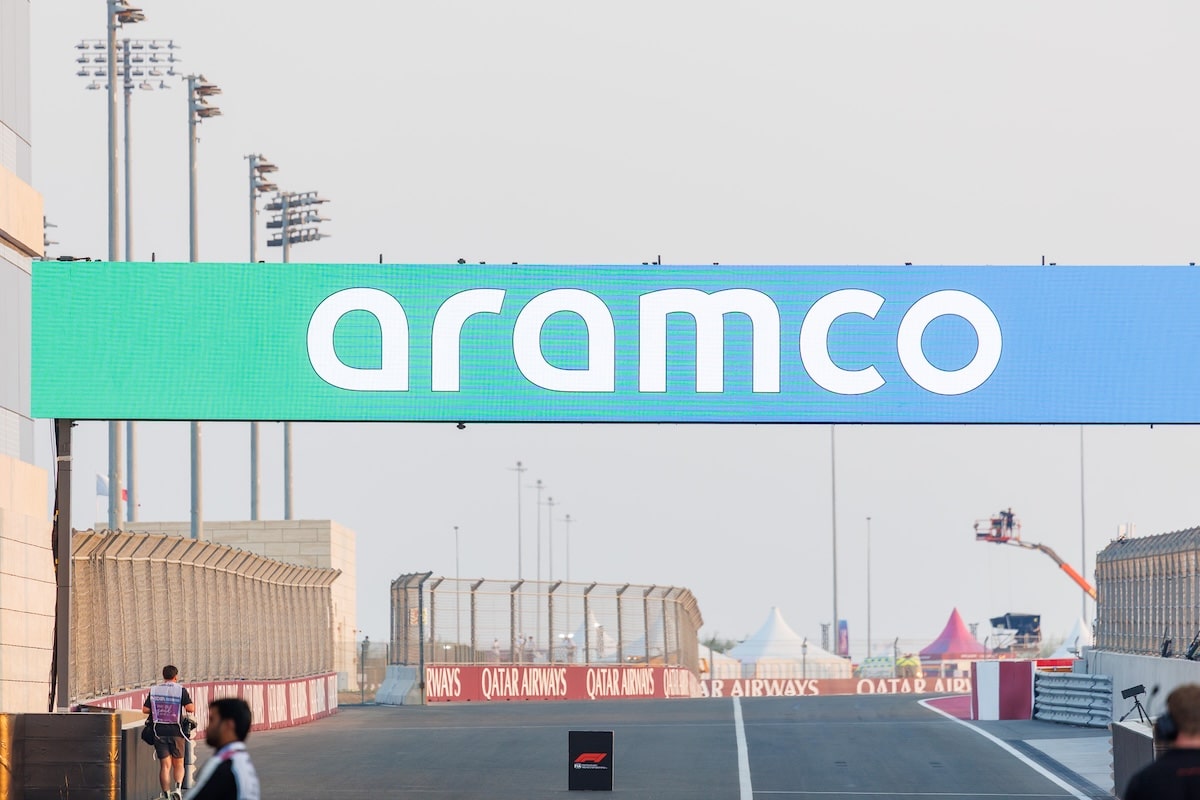
Formula 1’s commercial expansion over the past decade has been built, in significant part, on Gulf state generosity. Bahrain and Saudi Arabia together contributed an estimated $115 million in hosting fees annually. Azerbaijan adds a further $57 million. Qatar and Abu Dhabi account for roughly $97 million more. That is over $250 million — nearly a third of the sport’s total promoter fee income — concentrated in a single, now-destabilised region.
“You cannot replace a Gulf state hosting fee with a European circuit. The economics do not exist.”
— Analysis via Liberty Media earnings projections
Gulf Money Inside the Teams
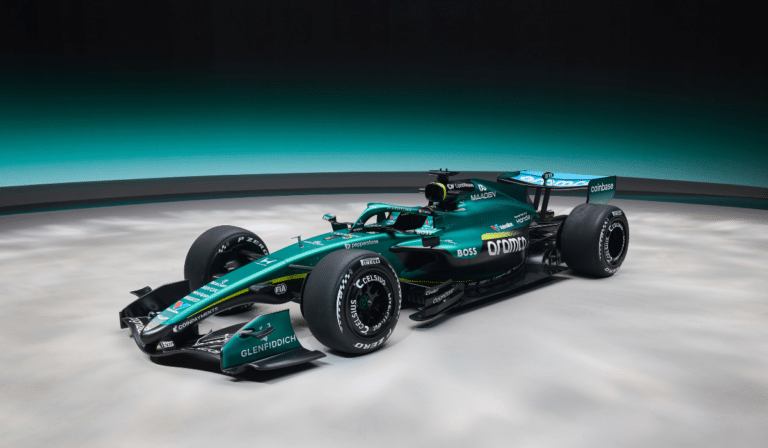
The crisis runs deeper than calendar gaps. Bahrain’s sovereign wealth fund Mumtalakat co-owns McLaren Racing — the reigning constructors’ champions — in a deal valuing the team at approximately $5 billion. Saudi Aramco holds a title sponsorship with Aston Martin, including an option to acquire a 10% equity stake. Qatar’s Investment Authority has taken a significant minority position in the Audi F1 entry, while Qatar Airways is embedded in Alpine’s commercial framework.
Should the conflict deepen, analysts warn the scenarios begin to echo 2008, when Honda, BMW, and Toyota all withdrew from the sport within a single year as their core revenues came under pressure.
What History Tells Us
The most optimistic precedent is 1973, when the OPEC oil crisis disrupted logistics but the season continued. The least comfortable parallel is 1939, when Grand Prix racing ceased entirely for six years. Formula 1, as a formal world championship, did not exist until the sport re-emerged from wartime hibernation in 1950. That is the outer boundary of what this conflict could mean — and nobody in the paddock is saying it out loud yet.
▶ Watch the full breakdown — hosting fees, sovereign wealth stakes, historical parallels, and the races still at risk — in our detailed video analysis.
Formula 1 2026 season, Gulf War F1, Bahrain Grand Prix canceled, Liberty Media, F1 hosting fees, McLaren Mumtalakat, Abu Dhabi Grand Prix
Read More