After six days of pre-season testing at the Bahrain International Circuit, the competitive picture heading into the Australian Grand Prix is beginning to take shape — though only in outline.
From the outside, it remains extremely difficult to define precise positions. Even within the paddock, teams are reluctant to commit to firm competitive assessments. Testing programmes vary, fuel loads remain unknown, and engine modes are rarely disclosed. Only when the lights go out in Melbourne will the final disguises disappear.
This analysis presents a provisional F1 2026 power ranking based strictly on what was observable during Bahrain testing. It is neither definitive nor exhaustive. Rather, it is an informed assessment — structured team by team — beginning at the projected bottom of the grid and working toward the midfield.
This is Part One of a two-part series.
Cadillac F1 Team – A Monumental Task
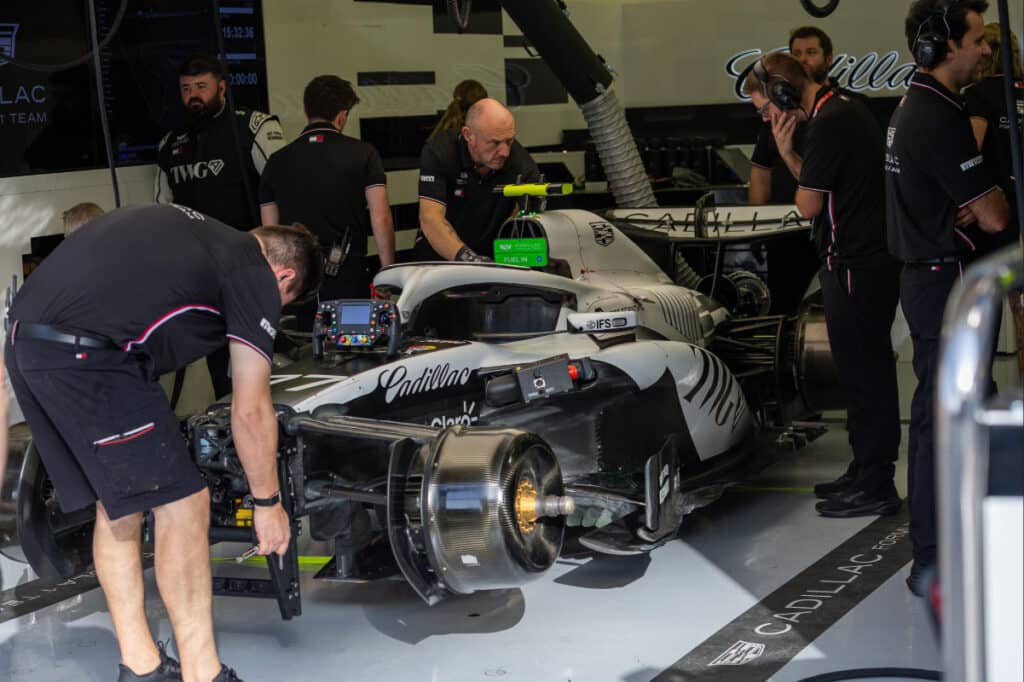
The newcomer occupies the most straightforward position at the base of this provisional ranking: Cadillac Formula 1 Team.
Constructing a Formula 1 team from the ground up under an aggressive timeline is an extraordinary undertaking. While Cadillac benefits from structural advantages that earlier entrants did not enjoy — particularly with the 2026 regulation reset approaching — the competitive reality of modern Formula 1 remains unforgiving.
Strength: Ferrari Power Unit Reliability
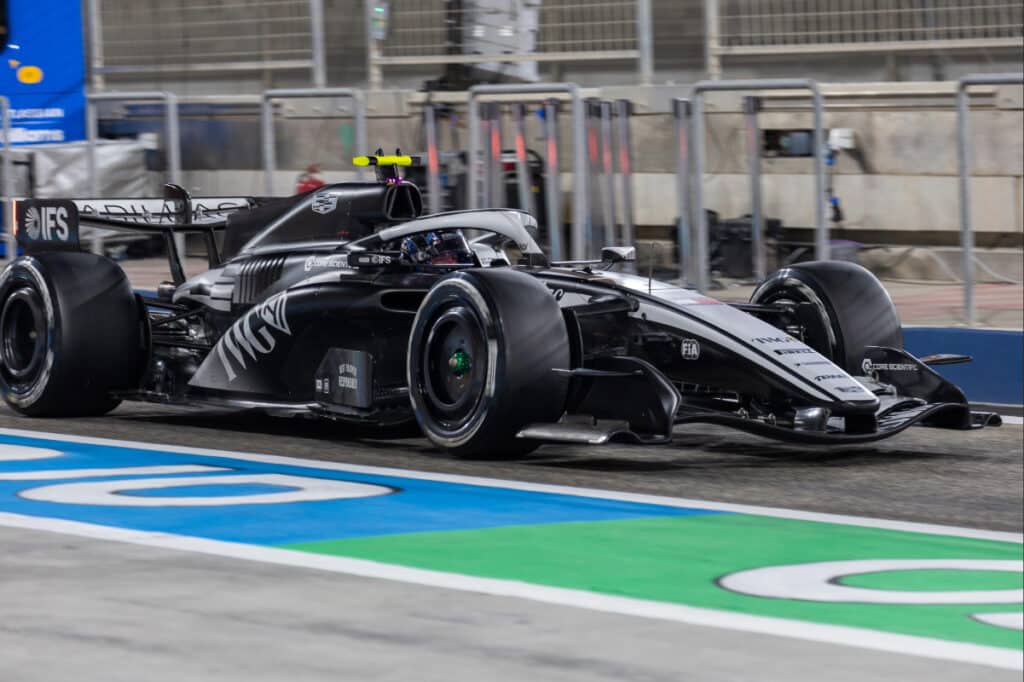
One clear technical positive has been the Ferrari power unit. Across Bahrain testing, it appeared among the most reliable components on the grid — dependable and structurally stable. That matters.
But reliability alone does not create competitiveness.
Operational Execution Concerns
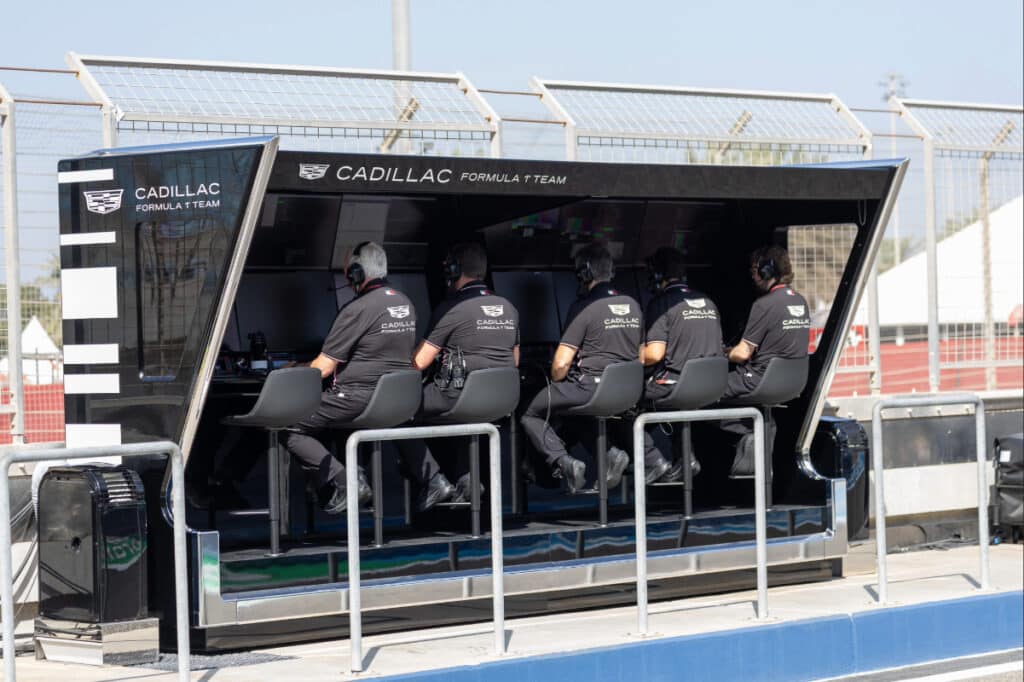
Cadillac’s more immediate challenge lies in operational execution. Throughout testing:
- Installation laps were delayed
- Daily programmes started late
- Long runs were frequently postponed
In practical terms, valuable track time was lost.
When race-style simulations were attempted, paddock estimates suggested the team was roughly four seconds per lap off the established midfield benchmark. Even accounting for unknown fuel loads and engine settings, that deficit is significant.
Conclusion: Cadillac currently appear to be the slowest team capable of reliably finishing races — a baseline achievement, but not yet competitive.
Aston Martin – The Clear Crisis Story
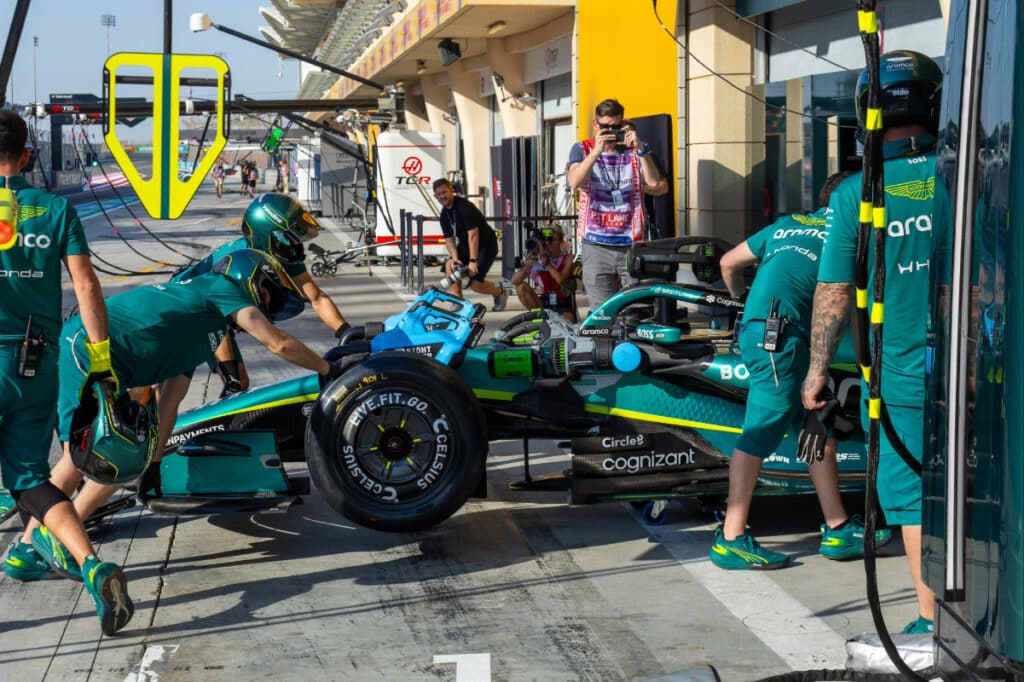
The clearest crisis narrative from Bahrain belongs to Aston Martin F1 Team.
No team completed less mileage.
- Total distance: 2,110 km
- Final three days: just 128 laps
In modern Formula 1 terms, that represents a critically limited data set heading into a season opener.
Reliability Disruption
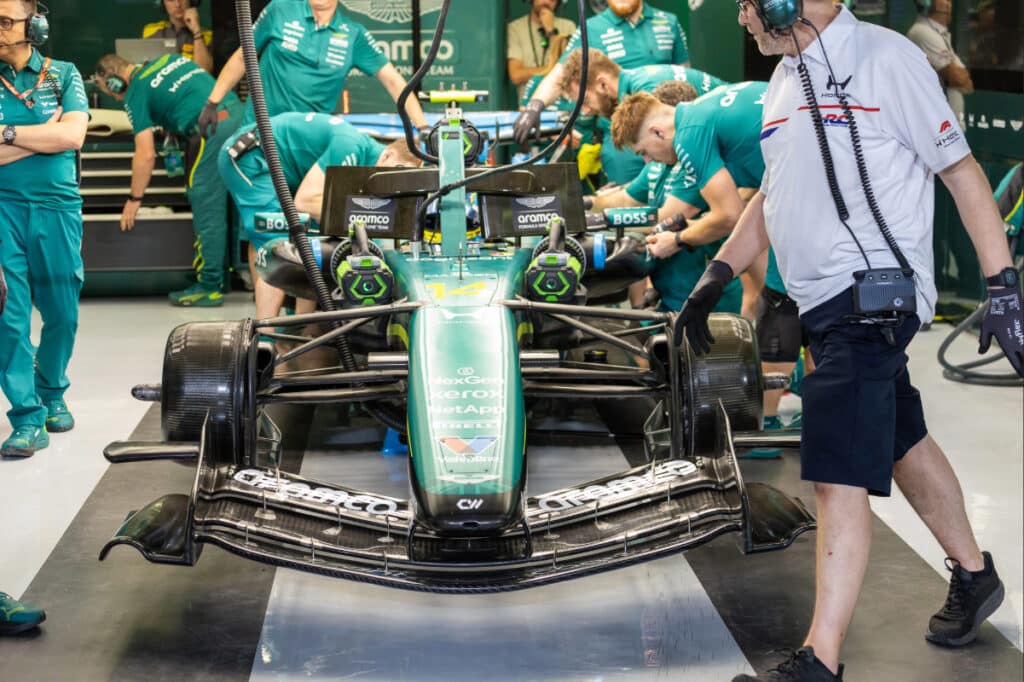
Their programme never achieved continuity. Reliability interruptions restricted meaningful long runs, and the final phase of testing concluded with more questions than answers.
The contrast is stark: it is plausible that Cadillac — a brand-new entrant — may arrive in Melbourne with a more stable baseline than Aston Martin.
Strategic Objective for Melbourne
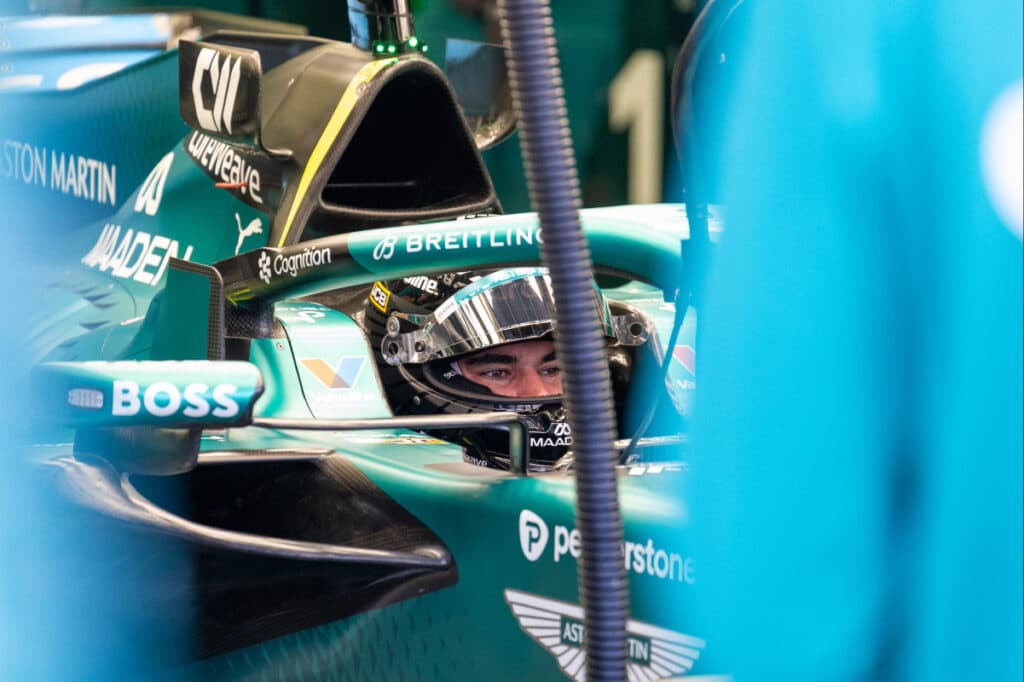
For Australia, the immediate objective may not resemble a traditional race weekend. Instead, the focus may shift toward:
- Recovering lost mileage
- Establishing baseline correlation
- Gathering fundamental data
With Japanese Grand Prix approaching soon after, expectations — particularly around the Honda partnership — will intensify.
Williams – Early Signs of Deficit
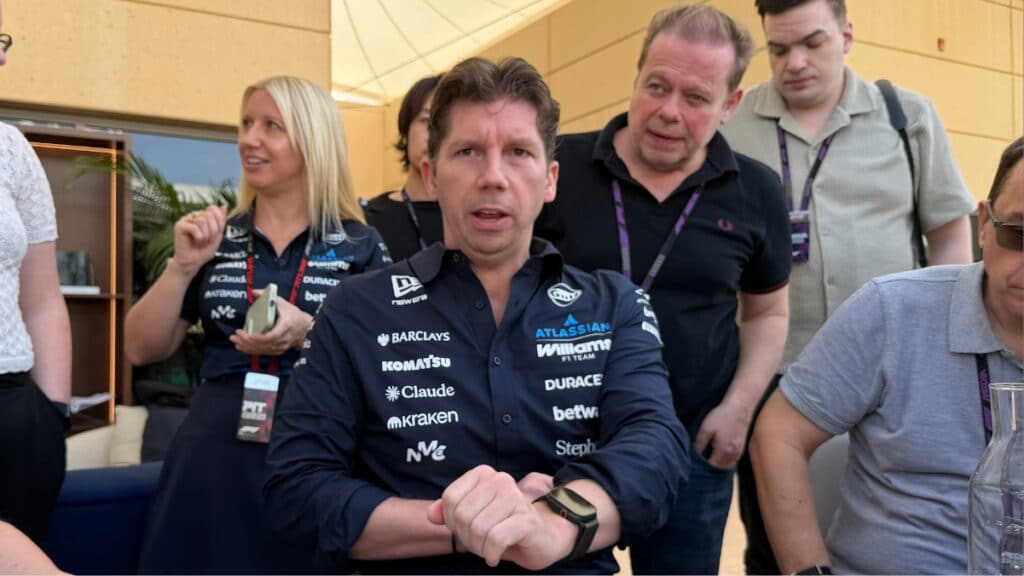
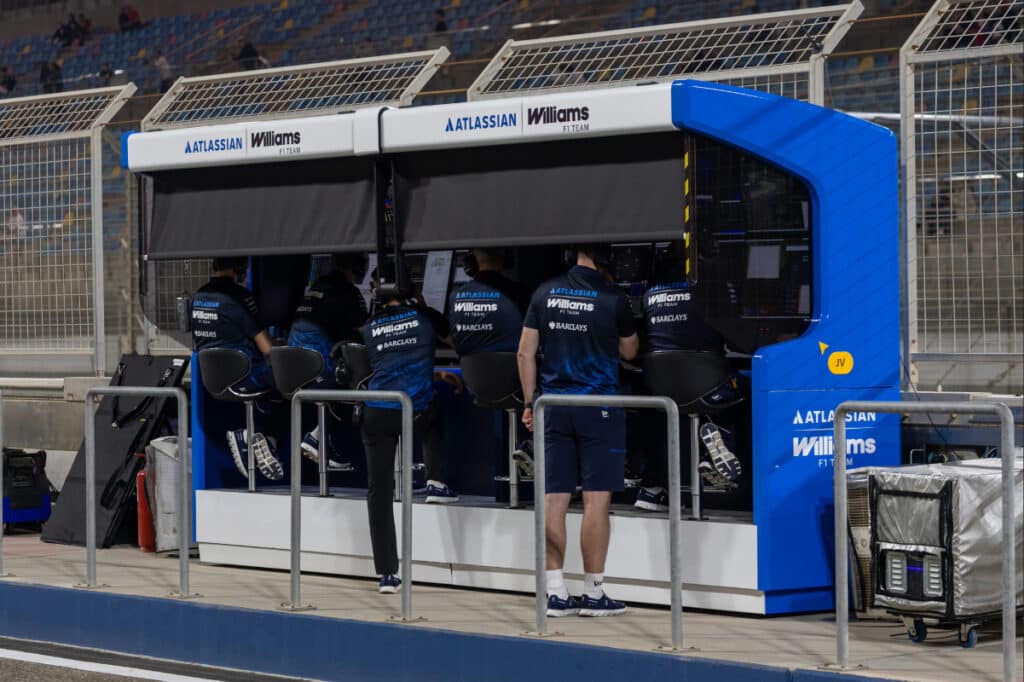
Ambition was clearly articulated by Williams Racing leadership. Team Principal James Vowles spoke openly about consolidating 2025 gains, targeting another fifth-place finish in the Constructors’ Championship, and narrowing the gap to the top four.
However, Bahrain testing did not yet validate that trajectory.
Missed Barcelona Running
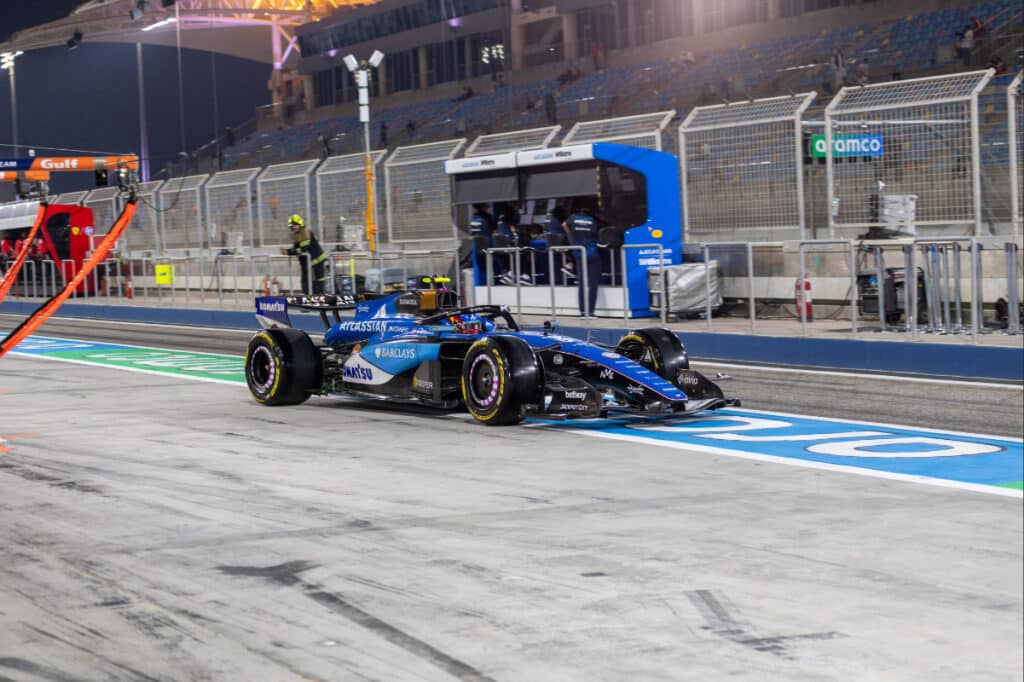
Williams missed earlier Barcelona testing entirely. Bahrain did not convincingly demonstrate that the lost ground has been recovered.
Two Core Concerns
1. Weight
Acknowledgment from team leadership suggests the car remains above its optimal target mass. In a field where tenths define positions, excess weight directly impacts lap time and strategic flexibility.
2. Aerodynamic Correlation
More concerning than headline lap times were indications that aerodynamic feedback was less encouraging than hoped. Poor correlation complicates development and increases resource demands.
Assessment: This is not a crisis — but Williams may begin the season playing catch-up in a tightly compressed midfield.
Racing Bulls – The Swing Team
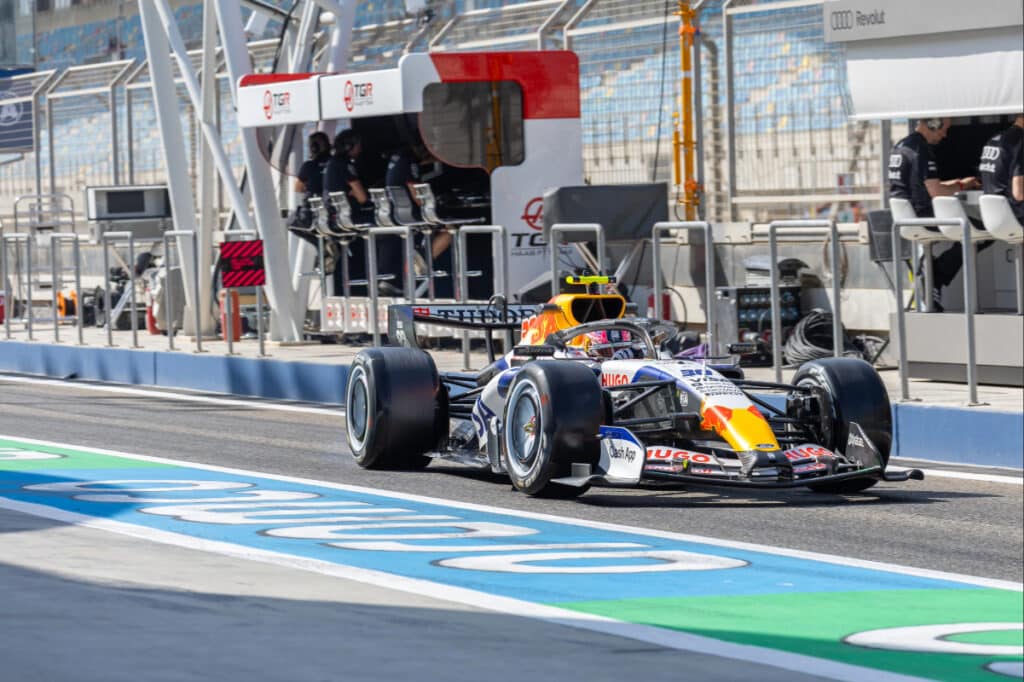
Racing Bulls leave Bahrain as one of the most difficult teams to categorise.
There was no headline pace moment. The car neither alarmed nor impressed through outright speed. It operated without visible instability or reliability drama — but also without defining performance statements.
Focus on Long Runs
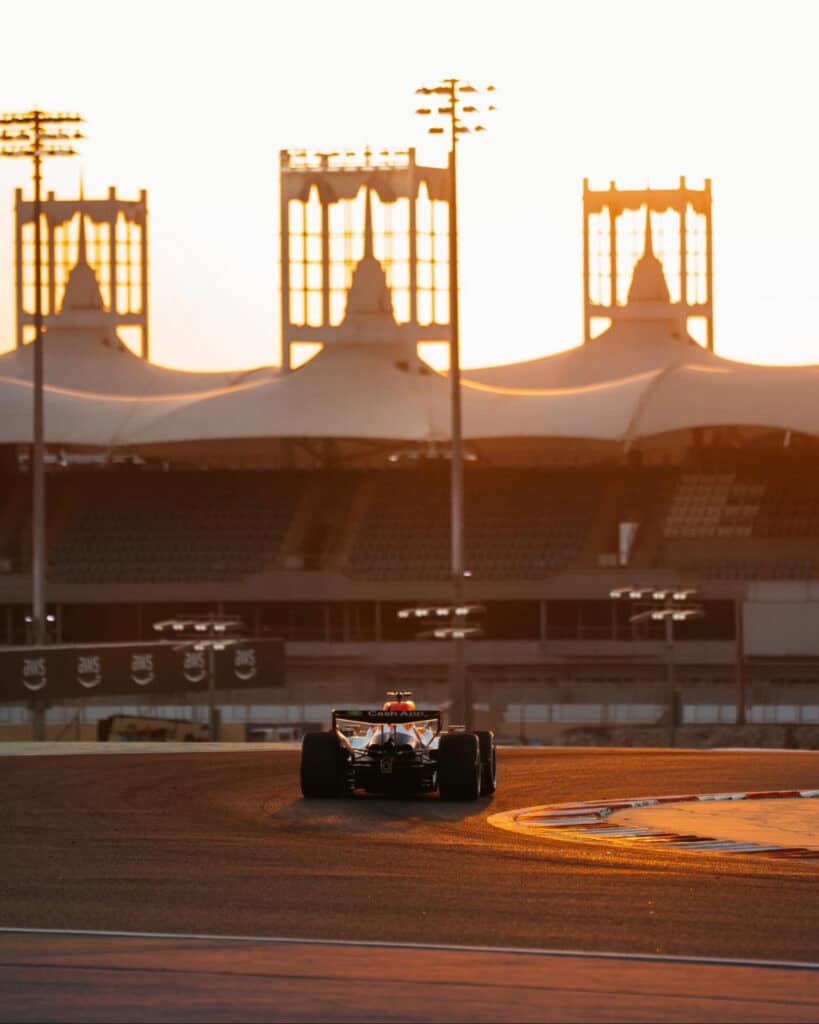
The team prioritised race simulations and consistency rather than qualifying-style runs. There is no evidence they ran aggressive engine modes during testing.
If so, their one-lap ceiling remains concealed.
Strategic Question
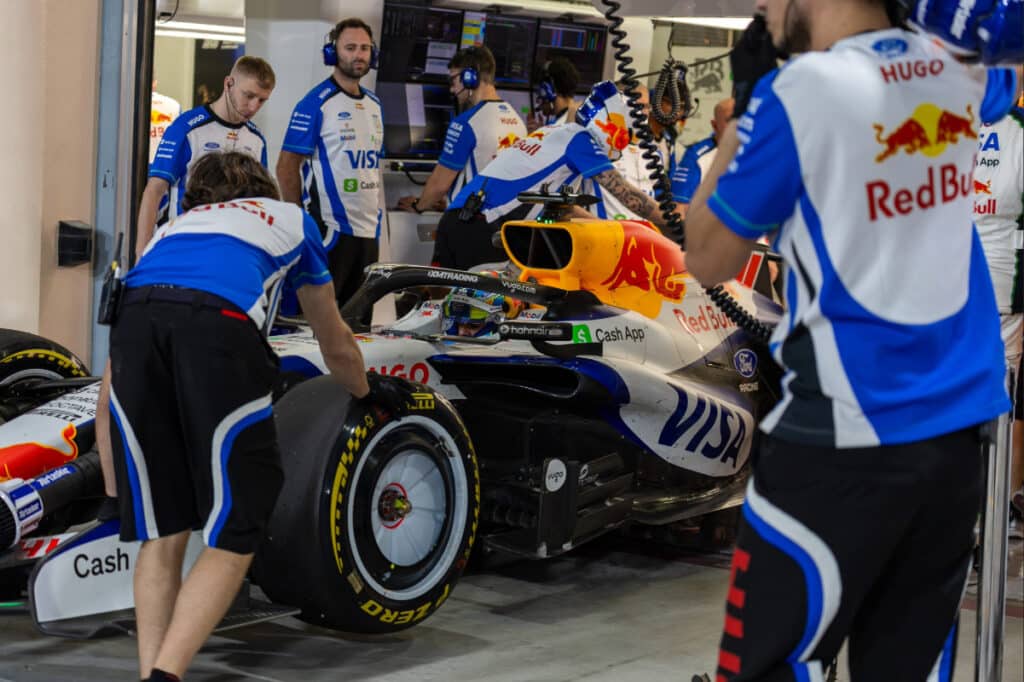
The deeper question concerns their structural role within the Red Bull ecosystem:
- Will Racing Bulls operate purely as an independent midfield competitor?
- Or will they function primarily as a development and data-support arm for the senior team?
They are, in essence, a swing team — potentially fifth under favourable circuit characteristics, potentially eighth under others.
Audi – Germany’s Measured Progress
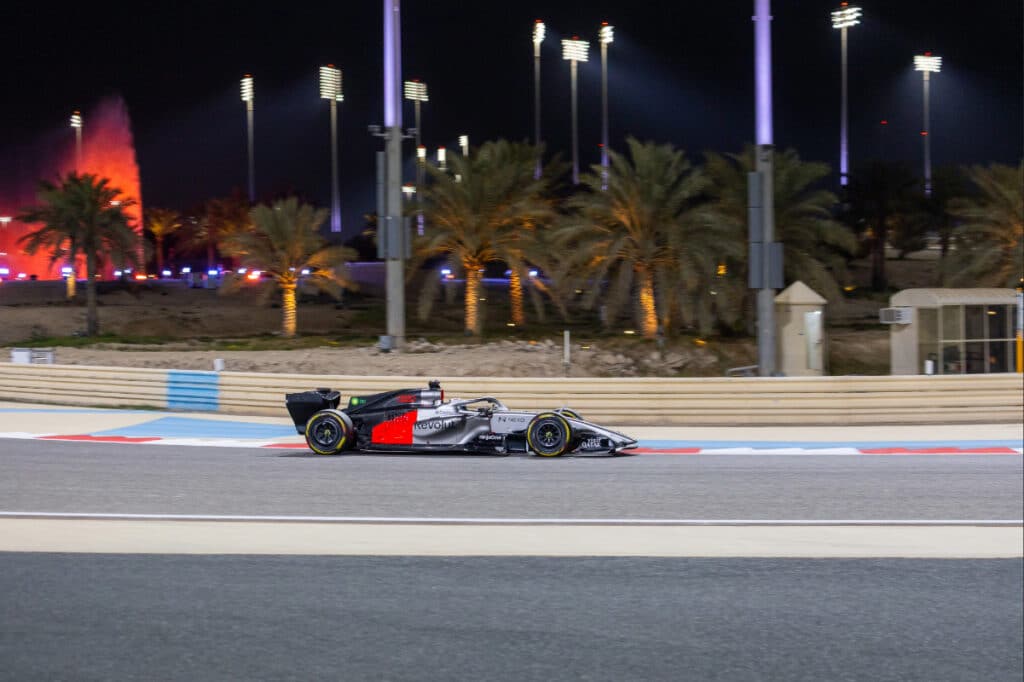
One of the quieter positive narratives from Bahrain belongs to Audi F1 Team.
Expectations were cautious following early setbacks in Barcelona. Yet in Bahrain, the car appeared composed and operationally stable.
Reliability – A Foundational Strength
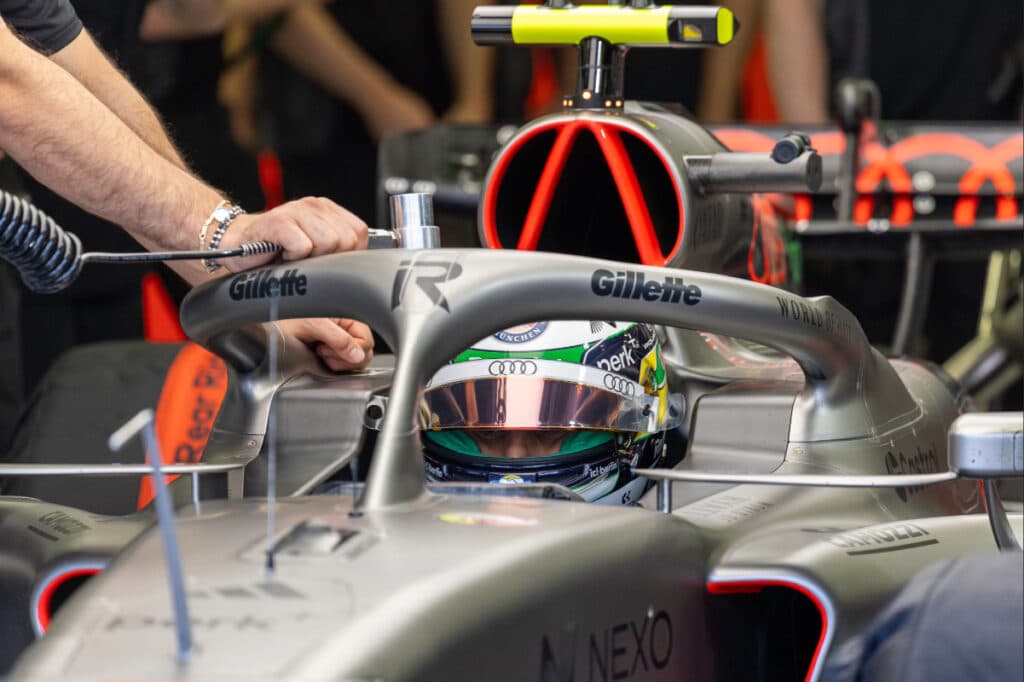
Anticipated power-unit complications did not materialise. Over six days, Audi demonstrated structural competence and programme continuity.
In a transition year, that consistency carries value.
Performance Ceiling Unknown
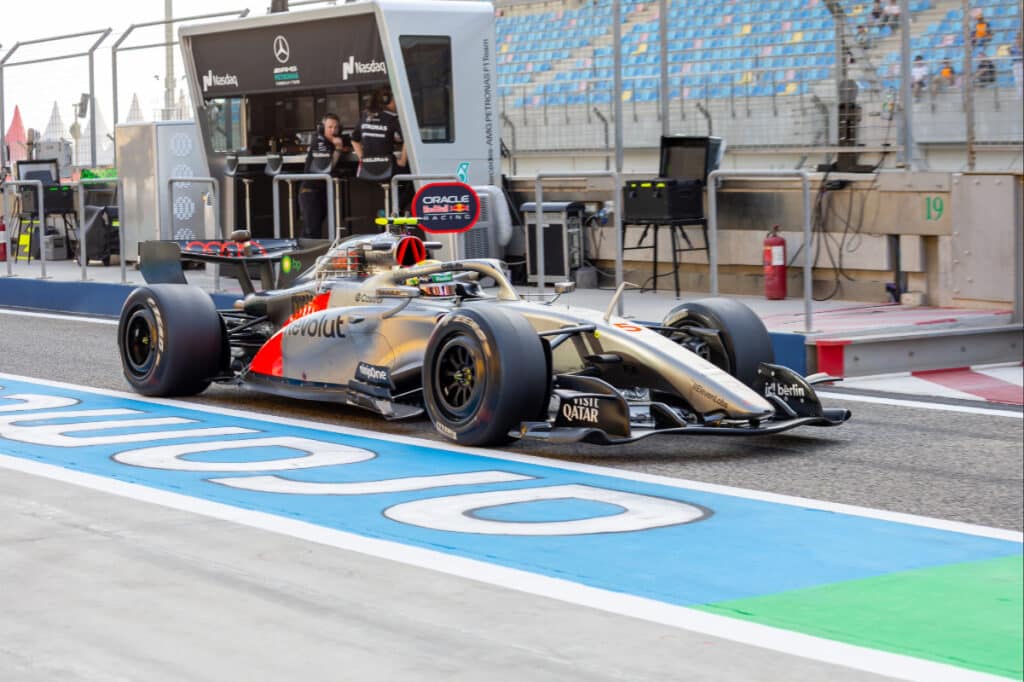
What remains unclear is outright performance potential. Race simulations were incomplete, and fuel loads undisclosed. Without fully comparable long-run data, it is difficult to confidently rank Audi against Haas or Alpine.
Realistic Positioning
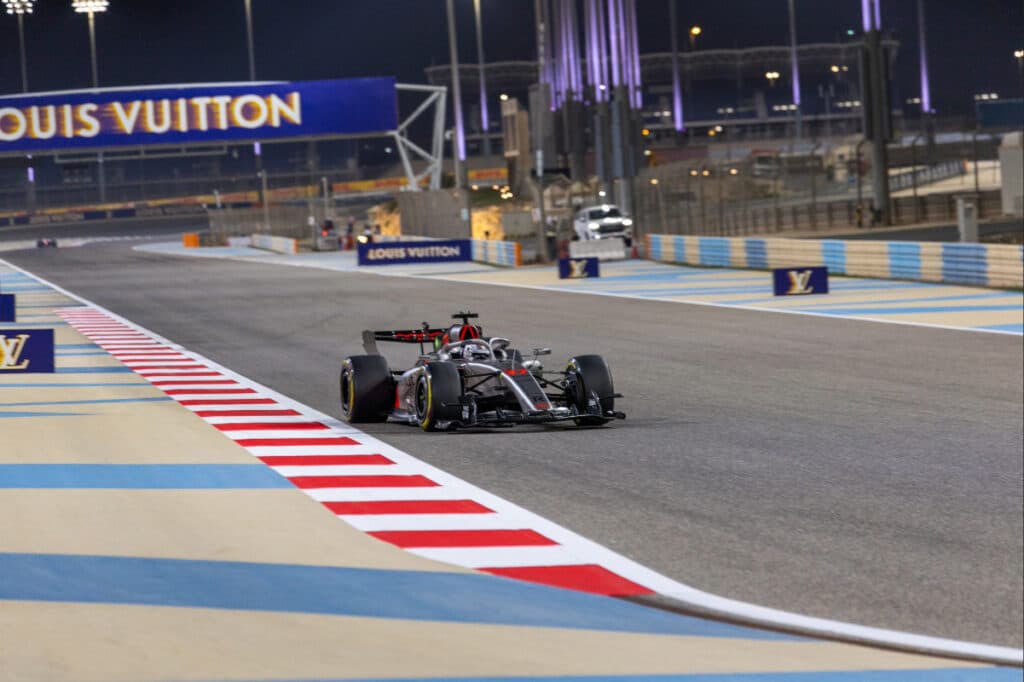
Audi appear to be:
- A credible midfield competitor
- Structurally stable
- Still clearly separated from the top four
Historical comparisons to BMW’s strong 2000 return are inevitable in Germany. Replicating that immediate impact appears unlikely.
For now, stability is Audi’s competitive currency.
Provisional Bottom-to-Midfield Order (Pre-Melbourne)
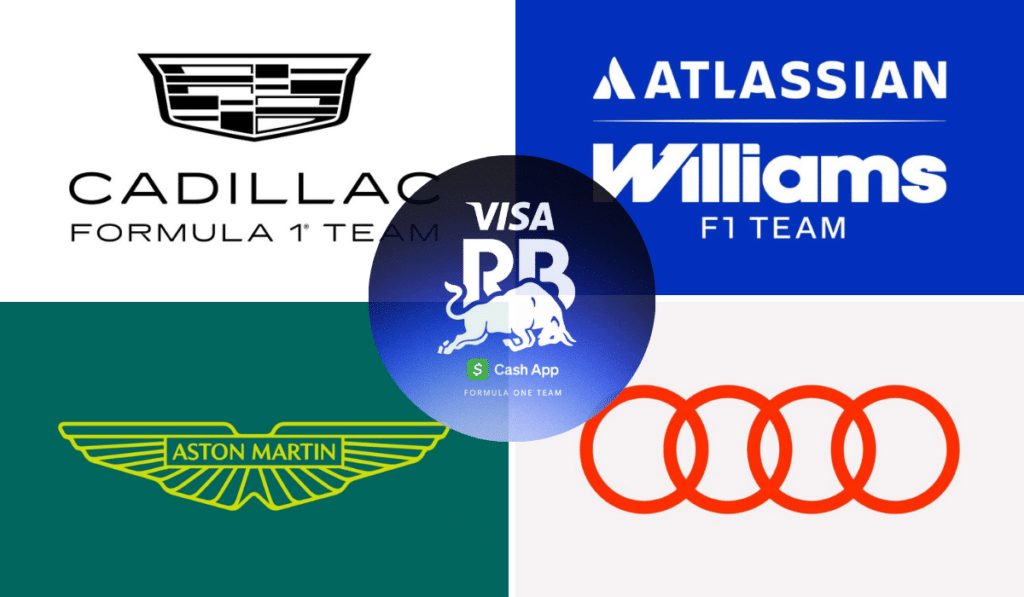
- Cadillac
- Aston Martin
- Audi (upper-midfield trajectory possible)
- Williams
- Racing Bulls (swing potential)
Final Thoughts Before Australia
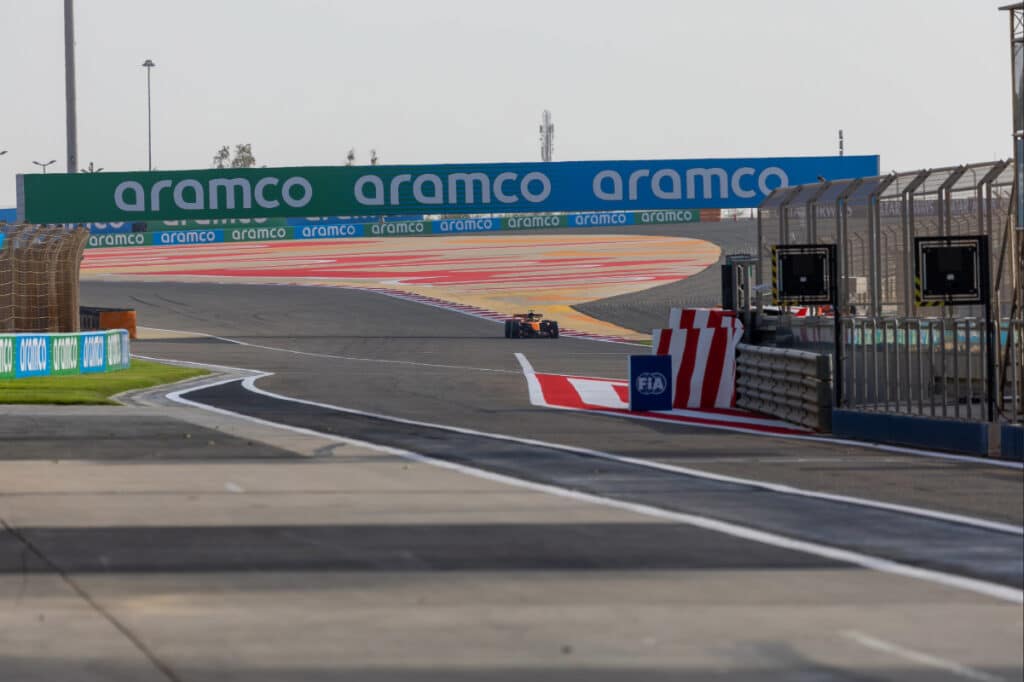
Bahrain testing offers indications — not conclusions.
The competitive gaps between these teams remain fluid, and Melbourne’s unique circuit characteristics may reorder expectations. Only under race conditions will true pace, tyre management, and operational sharpness reveal themselves.
Part Two will examine the projected top four and their relative strengths heading into Australia.
Read More