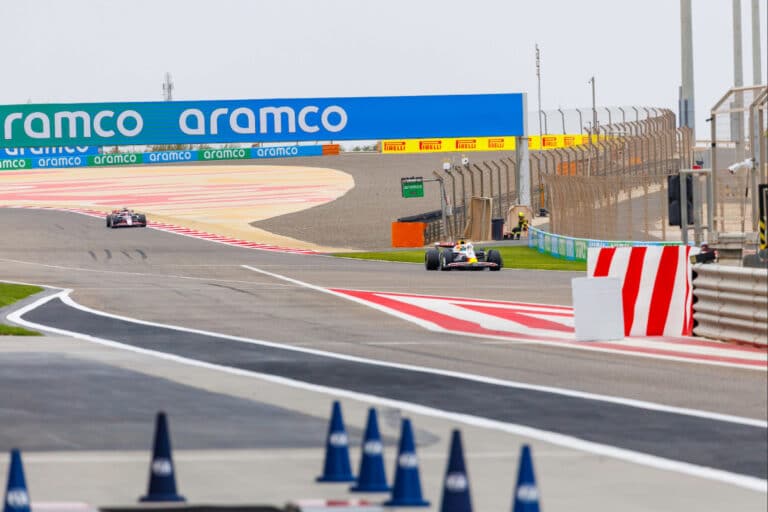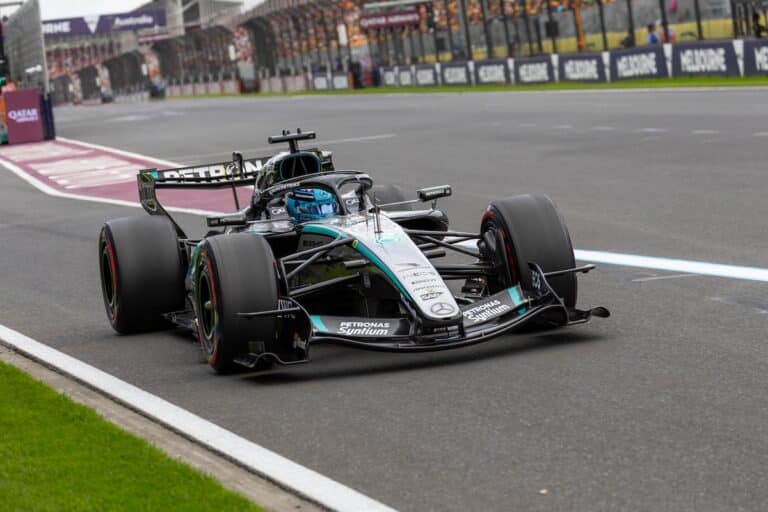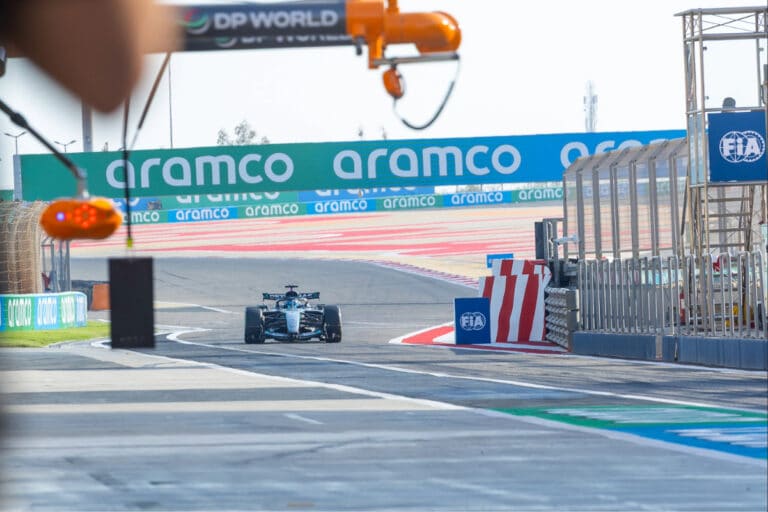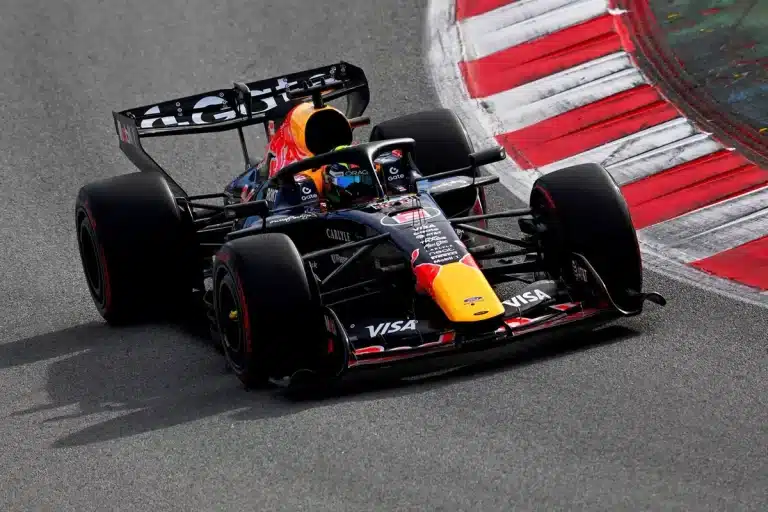
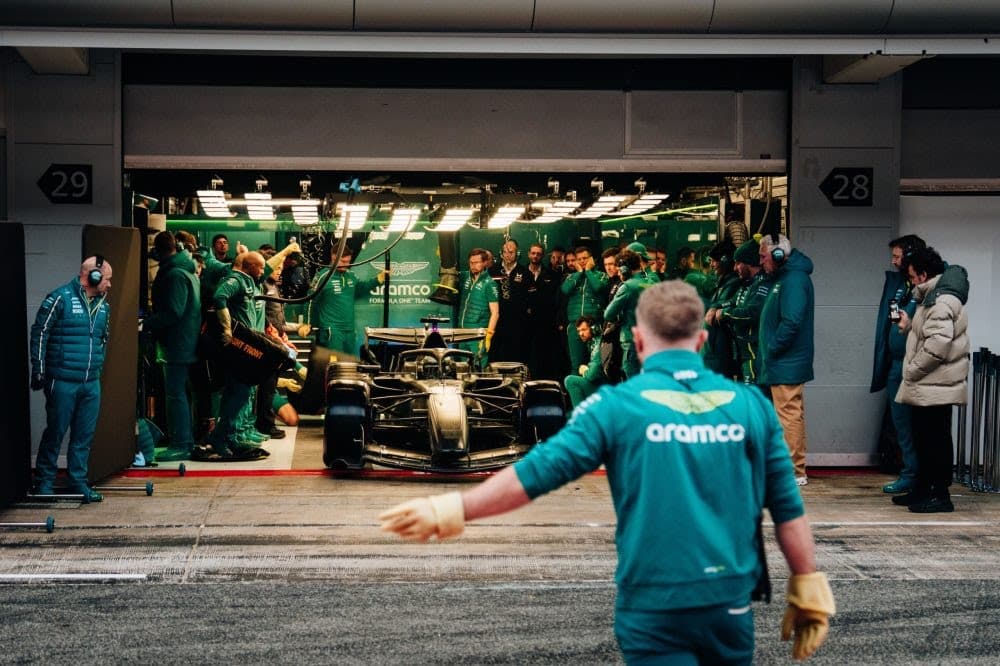
The fourth day of Formula One’s private Barcelona shakedown marked a clear change in emphasis.
By this stage, outright pace had largely faded as a reference point. What began to matter instead was discipline: how teams used limited running, how they responded to interruptions, and how efficiently they converted track time into usable data.
Day Four did not dramatically reorder expectations. But it did clarify them.
Mercedes: Mileage Without Drama
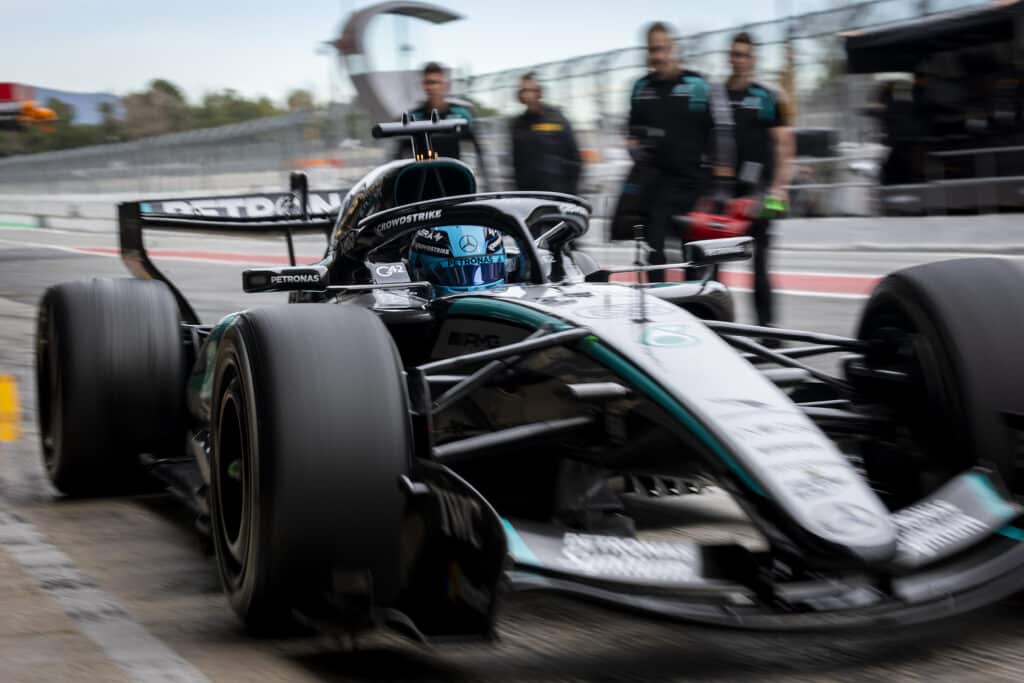
With teams restricted to only three days of running during the Barcelona programme, lost mileage carried tangible consequences. Every hour on track represented opportunity; every hour in the garage required explanation.
Mercedes continued to avoid that problem entirely.
Across Day Four, the team again completed more than 160 laps, bringing its cumulative total beyond 500 laps — over 2,000 kilometres — across the shakedown. That volume was achieved without significant reliability issues on a completely new car and power unit.
Team representatives were direct in their assessment, noting that more time had been lost to red flags caused by others than through any internal error. It was not framed as a statement of superiority, but as a factual summary of execution.
In a test defined by constraint, Mercedes’ advantage was not speed, but control.
McLaren: One Step Back
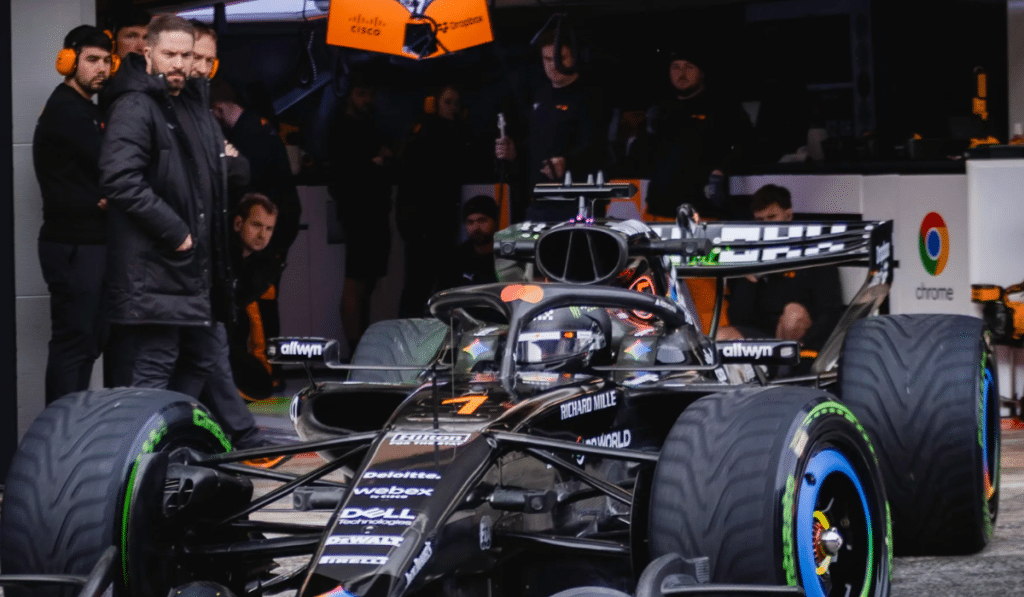
McLaren’s programme was less straightforward. A fuel system issue curtailed running shortly after lunch, leaving the car sidelined for much of the afternoon.
On its own, the issue was minor. Within a compressed test schedule, it represented something more meaningful: a reduction in usable data. Team principal Andrea Stella had previously indicated that concentrating running into later sessions was a deliberate choice. However, when limited time is followed by enforced downtime, that approach becomes exposed.
The comparison with Mercedes is difficult to ignore. Both teams share the same power unit, and the contrast in continuity was evident.
Aston Martin: Attention Grabber
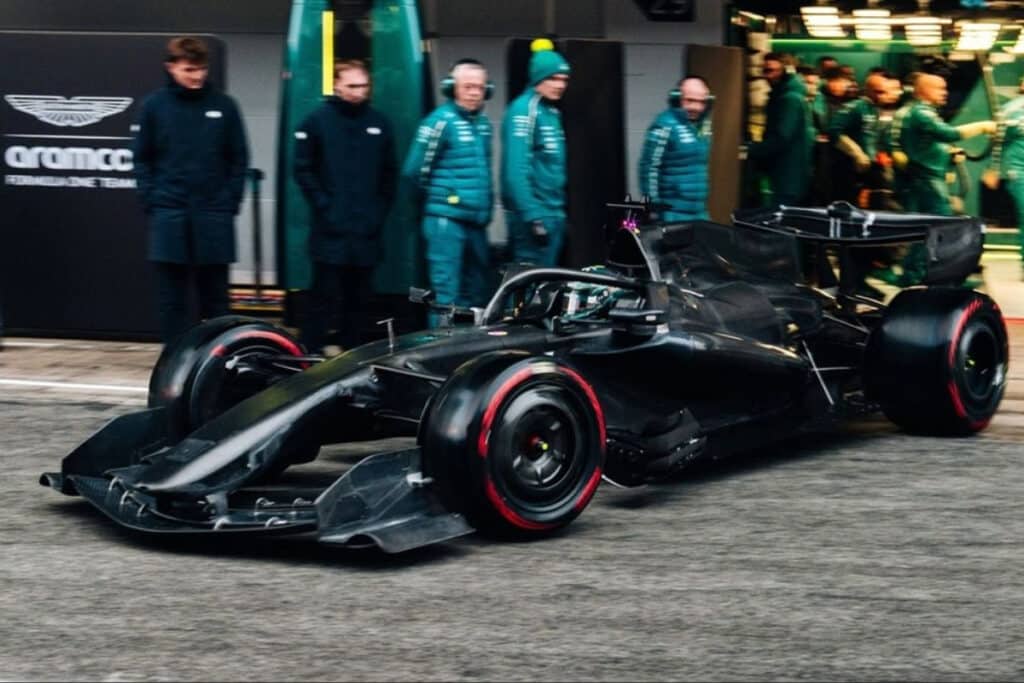
No car attracted more anticipation than Aston Martin’s AMR26. For much of the week, it remained largely unseen, running in black and shielded from photography. With Adrian Newey now overseeing technical direction, expectations were inevitably high.
When detailed images finally emerged on Day Four, the design appeared ambitious. The car featured narrow sidepod inlets, deep undercuts, a tightly packaged rear, and a front wing solution similar to Mercedes’ — all indications of an aggressive aerodynamic concept.
Track reality, however, told a different story.
Aston Martin completed just five laps before a minor system issue brought running to an end. The problem itself appeared routine — precisely the type of fault testing exists to identify — but with such limited mileage, its impact was disproportionate.
The strategic context matters. Aston Martin chose to use only two of its three available Barcelona days, despite having shifted development focus early toward 2026. In a regulation reset, mileage remains one of the most valuable currencies available.
With Honda supplying power exclusively to Aston Martin, the development burden is further concentrated. Unlike Mercedes or Ferrari, Honda lacks the benefit of multiple customer teams feeding parallel data streams.
Fernando Alonso’s comments reflected that reality. There were no predictions, only references to process and gradual understanding.
Red Bull: Momentum Interrupted
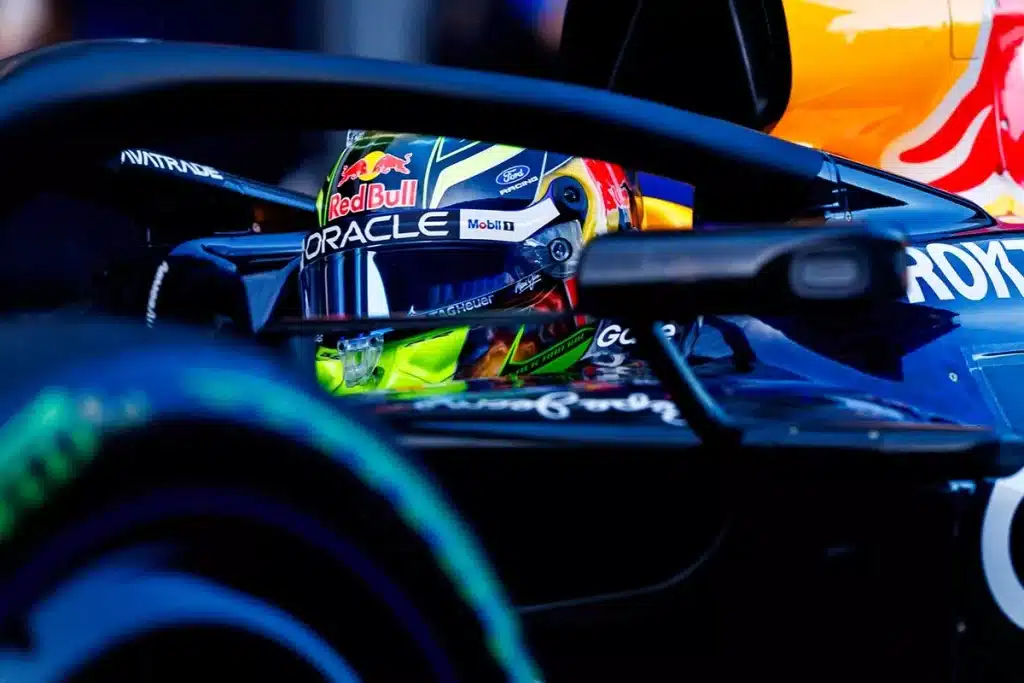
Red Bull entered the shakedown appearing well placed to challenge Mercedes. Early running was productive, and the new RBPT–Ford power unit operated reliably.
That momentum stalled following Isack Hadjar’s crash earlier in the week.
The incident was not technically severe, but in a closed test environment with limited spare parts, the consequences were substantial. While rivals continued to accumulate uninterrupted mileage, Red Bull’s programme became constrained.
Within the paddock, frustration was evident — particularly given the avoidable nature of the incident in damp conditions. Hadjar later acknowledged the mistake, linked to an ambitious attempt to replicate a corner approach previously taken by Max Verstappen.
The episode revived a familiar Red Bull discussion. The challenge of the second seat has historically been psychological as much as technical. Early signs suggest that managing expectation will be as important as managing performance.
What Day Four Told Us
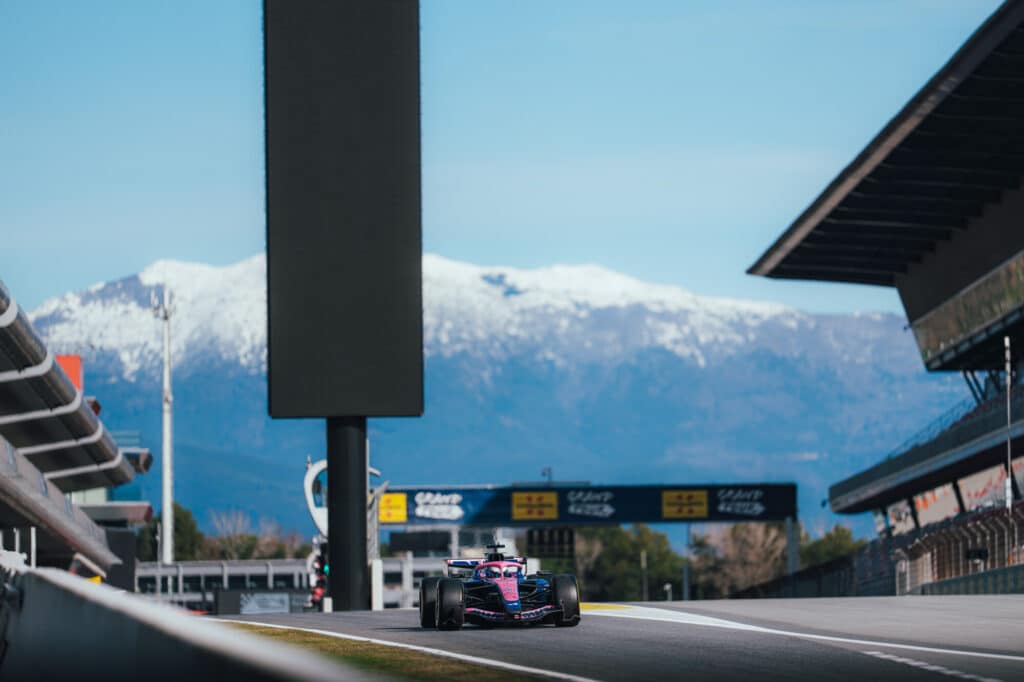
Day Four did not decide the competitive order. But it reinforced an established principle of Formula One testing: preparation, not potential, shapes early outcomes.
Mercedes continue to operate with clarity and consistency. Others have shown ambition and innovation, but also exposure. In a regulation reset, early discipline often proves more valuable than early ideas.
The Barcelona shakedown continues.
But by the fourth day, the difference between control and risk had become increasingly clear.
Read More