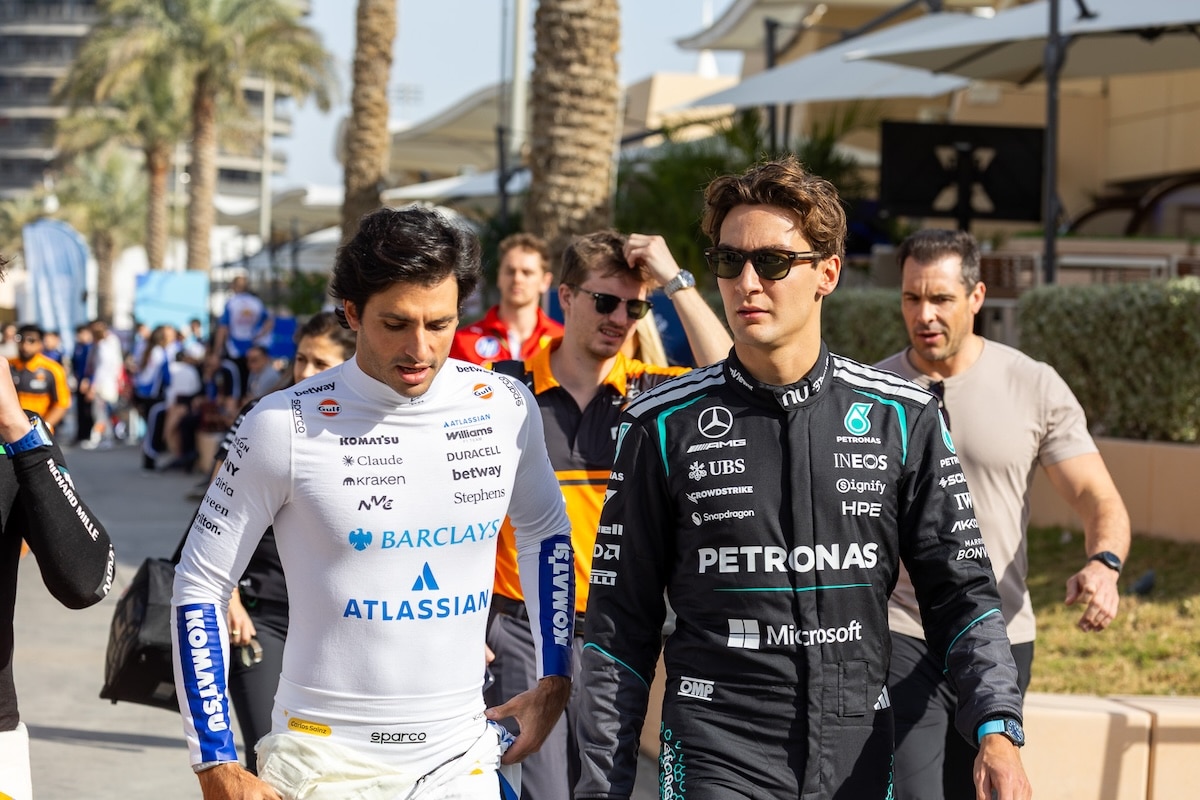
Formula One returned to the Bahrain desert for the first full day of official pre-season testing ahead of the 2026 campaign, and while lap times rarely provide definitive answers at this stage, the opening patterns were difficult to ignore.
Under an entirely new regulatory framework — reshaped aerodynamics, increased electrical deployment, revised combustion parameters and stricter energy management — teams are not merely refining cars. They are recalibrating philosophies.
Day One did not settle the competitive order. It did, however, begin to outline it.
Norris Fastest, Verstappen Consistent, Ferrari Close
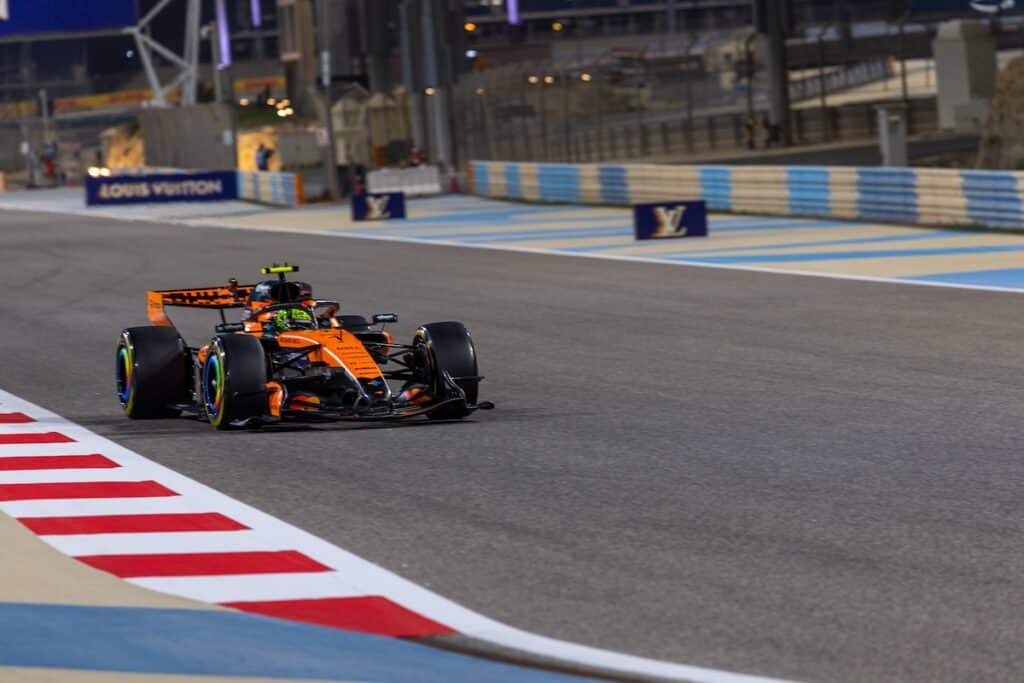
On paper, the timing screens looked familiar.
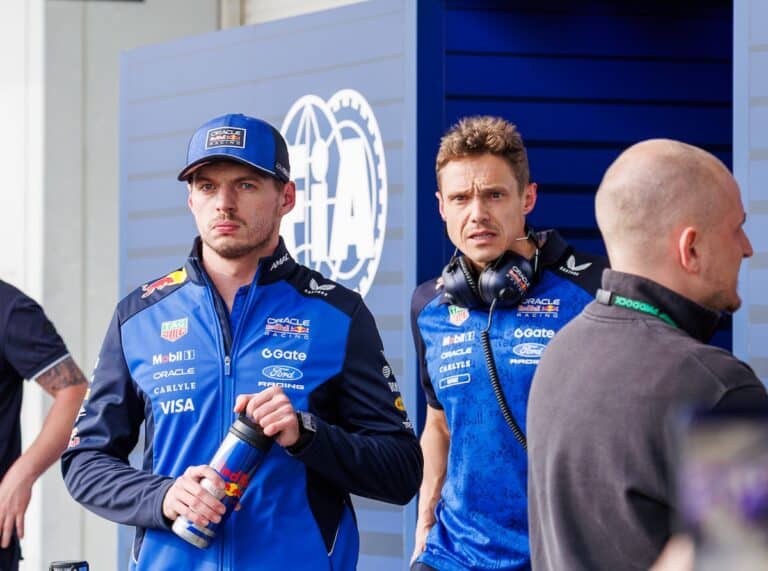
Lando Norris ended the day quickest for McLaren, narrowly ahead of Max Verstappen and with Scuderia Ferrari close behind.
The margins were tight — only a few tenths separating the front runners. As always in testing, fuel loads, engine modes and deployment strategies remain unknown. Short runs rarely reflect genuine pace. Even so, certain themes emerged beneath the surface.
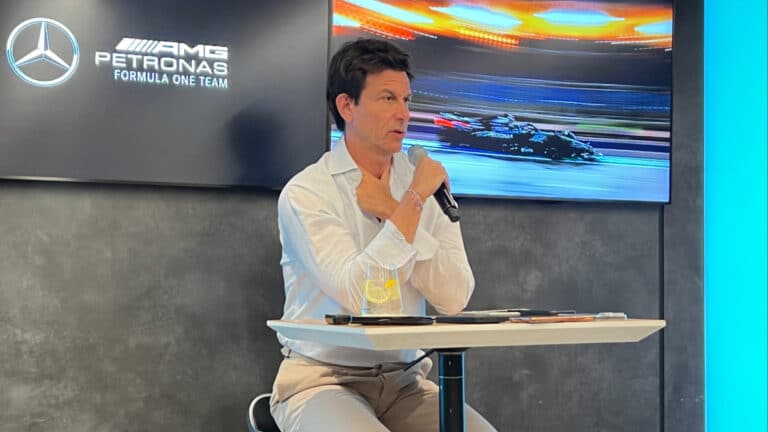
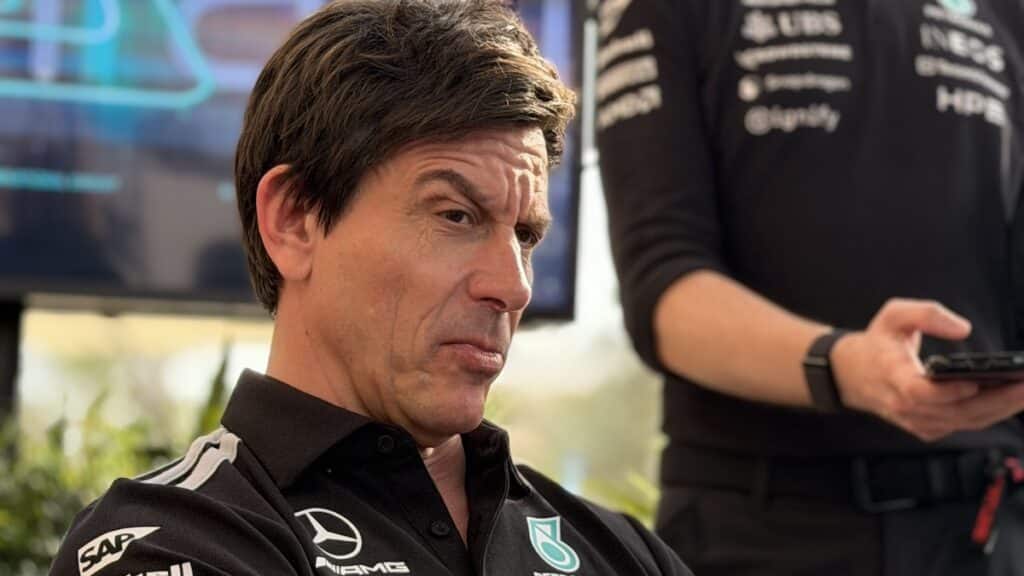
The most striking headline came not from a stopwatch, but from Toto Wolff.
The Mercedes team principal described Red Bull Racing as “the benchmark” on Day One — an unusually direct assessment given the political climate currently surrounding Mercedes’ own power unit.
Wolff highlighted Red Bull’s energy deployment over longer stints, noting the consistency of their lap times across consecutive runs. Whether genuine praise or a subtle shift of pressure, the remark carried weight.
Because beyond the circuit, another discussion continues.
The Mercedes Engine Debate
The conversation around Mercedes’ 2026 power unit remains unresolved.
Rival manufacturers have questioned whether Mercedes’ interpretation of compression ratio parameters delivers a measurable efficiency advantage. Wolff insists the FIA was fully informed during development and maintains that any gain amounts to “a few horsepower” at most.
Others privately suggest the benefit could be more significant, particularly on power-sensitive tracks.
Under Formula One’s governance framework, a supermajority of manufacturers — alongside Formula One Management and the FIA — could still adjust certain regulatory interpretations if consensus emerges.
Wolff has ruled out legal action and stated Mercedes will respect the governance process. However, even minor late adjustments would carry performance consequences. Modern power unit development cycles operate with long lead times; changes ripple through calibration, cooling and energy deployment strategies.
The debate is technical — but its impact could be competitive.
2026 Cars: Heavier Strategy, Lower Corner Speeds
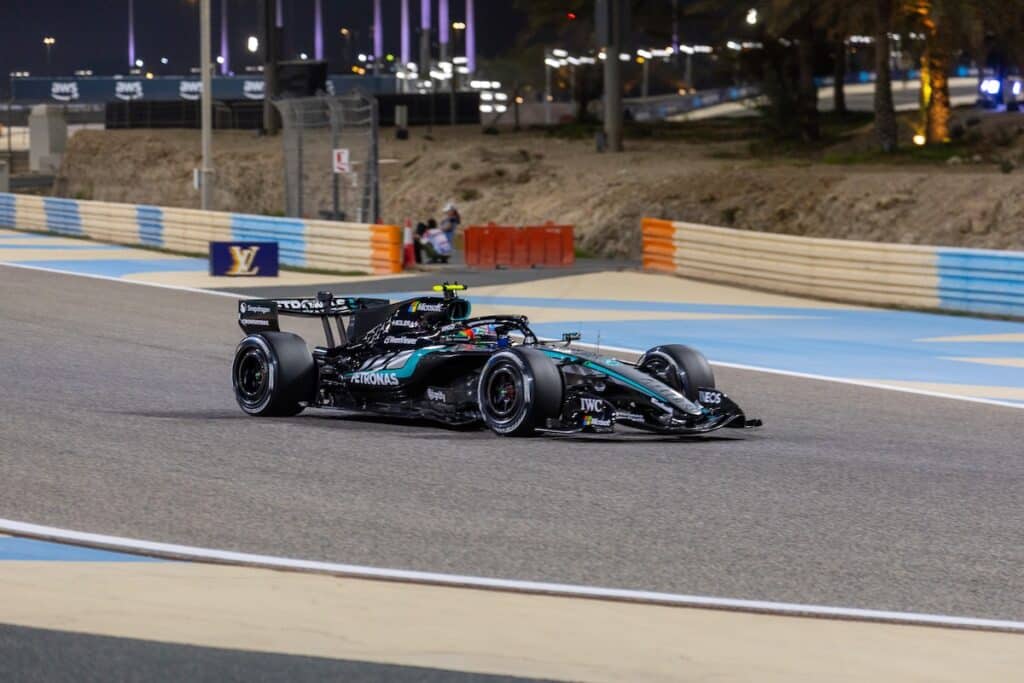
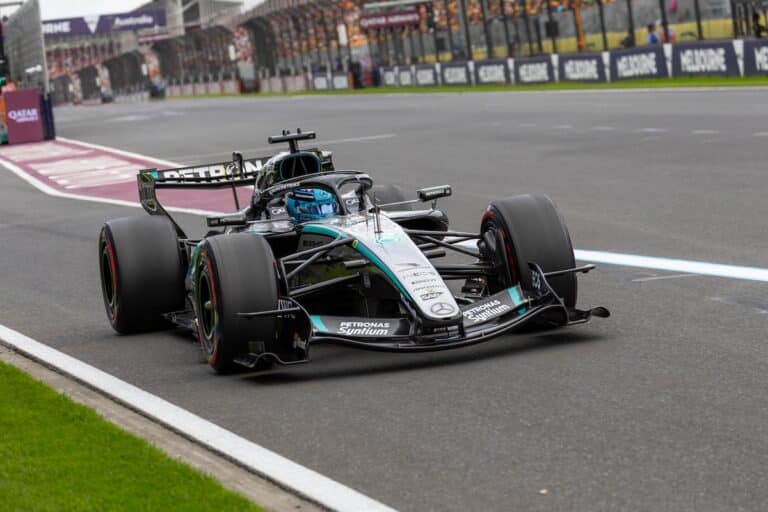
If Day One revealed anything clearly, it is that the 2026 cars behave differently.
Drivers reported:
- Increased lift-and-coast phases
- Greater reliance on battery harvesting
- More complex energy deployment mapping
- Lower corner speeds, but stronger straight-line performance
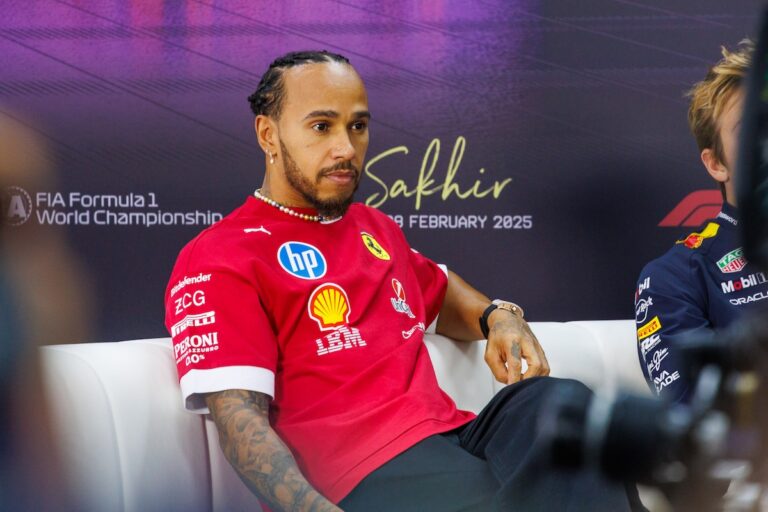
Lewis Hamilton described the systems as “ridiculously complex”, suggesting drivers must process more information than ever before. Several competitors compared the new era to a strategic exercise rather than pure aggression — “almost chess-like,” as one driver put it.
Energy management has become central to outright pace.
That context makes Verstappen’s opening day particularly notable. He completed heavy mileage and appeared comfortable managing hybrid deployment across extended runs. Under regulations that reward efficiency and tactical awareness, his ability to process information instinctively may become decisive.
Audi Revised, Ferrari Stable, Williams Impressive
Elsewhere, Day One produced a mixed picture.
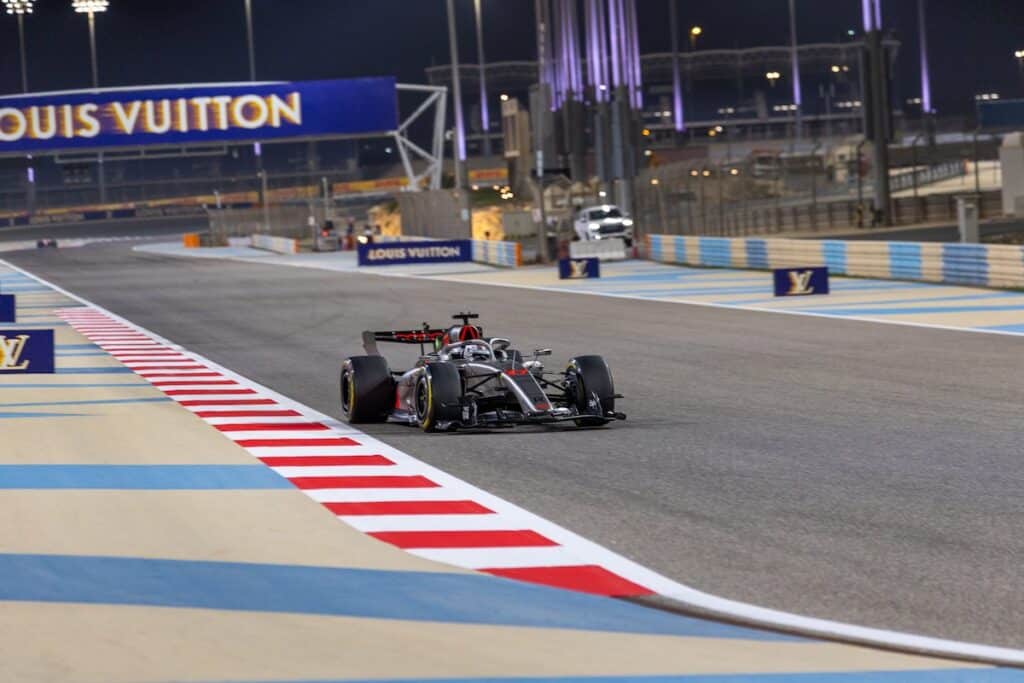
Audi F1 Team unveiled a visibly revised car compared to its Barcelona shakedown version, with updates around the sidepod architecture and front wing activation. After early mechanical interruptions in Spain, Audi logged solid mileage and finished within two seconds of the pace — respectable for a programme still building its foundations.
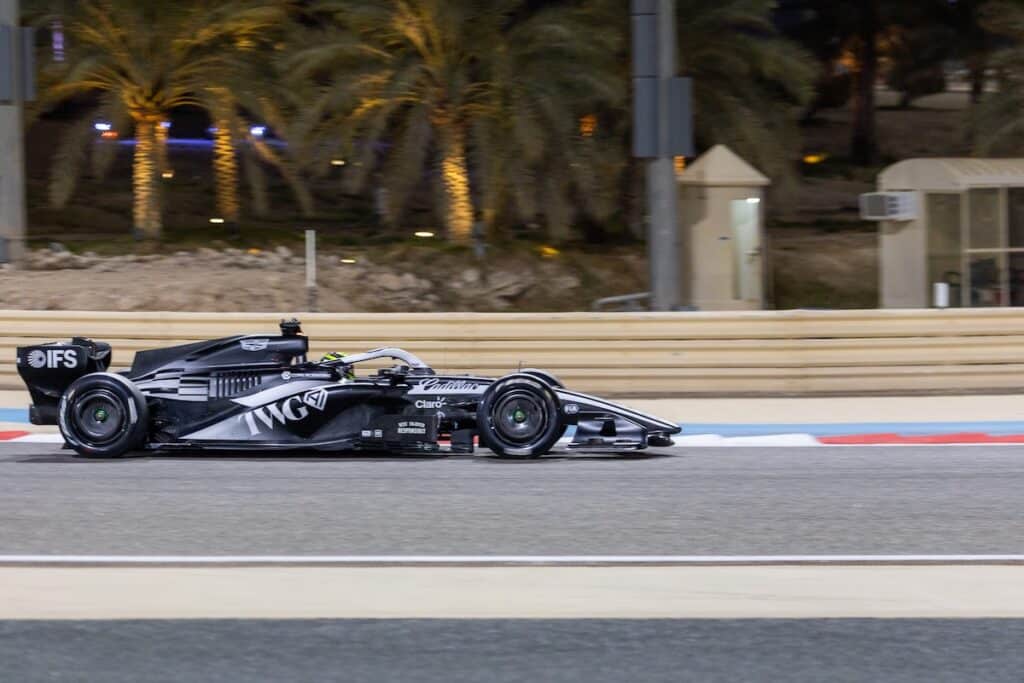
Ferrari looked stable rather than spectacular. Charles Leclerc remained near the front, while Hamilton completed his programme despite expressing concerns about balance in slower corners.
Williams Racing quietly impressed, leading the lap count and demonstrating reliability — often the most valuable currency at this stage.
Alpine F1 Team and the Mercedes-powered customer teams also benefited from what appears, for now, to be a stable engine platform.
By contrast, Aston Martin Aramco Formula One Team endured a more limited programme. Honda-related issues restricted mileage — a reminder that sweeping regulation resets tend to reward reliability before speed.
Who Looks Strongest After Day One?
It depends on the metric.
- McLaren topped the times.
- Red Bull drew the praise of its rivals.
- Mercedes remains central to both performance intrigue and political debate.
- Ferrari appears competitive but not yet decisive.
- The midfield is tightly compressed.
Yet perspective is essential.
This is the first day of testing under a fundamentally new regulatory cycle. No team has revealed its full hand. Race simulations remain limited. And energy deployment strategies are still being mapped and calibrated.
What we have not yet seen are directly comparable long runs under representative fuel loads.
When teams begin to string together ten-to-fifteen consecutive laps at sustained race pace, efficiency and thermal management will begin to separate contenders from pretenders. That is when genuine hierarchy becomes visible.
What Happens Next in Bahrain Testing?
The programme now shifts toward longer stints and representative race simulations. As the days progress, attention will focus less on headline lap times and more on:
- Consecutive lap consistency
- Battery depletion and recharge patterns
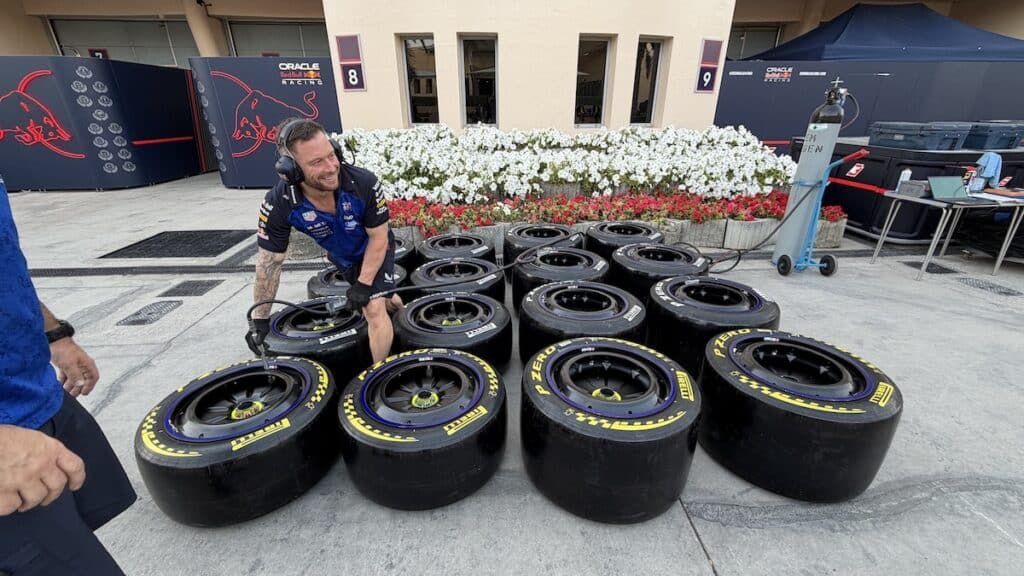
- Tyre degradation under energy load
- Cooling stability in desert conditions
Only then will clearer competitive signals emerge. For now, the opening day has delivered three things: Close margins; Complex machinery; Unresolved politics.
Read More