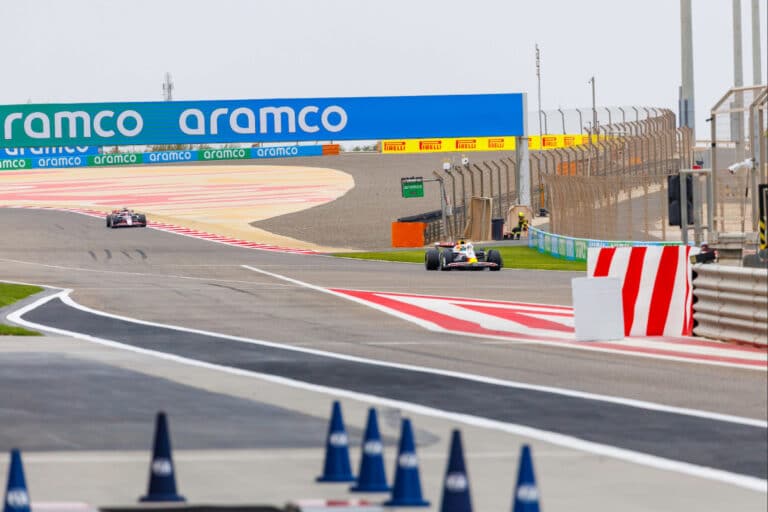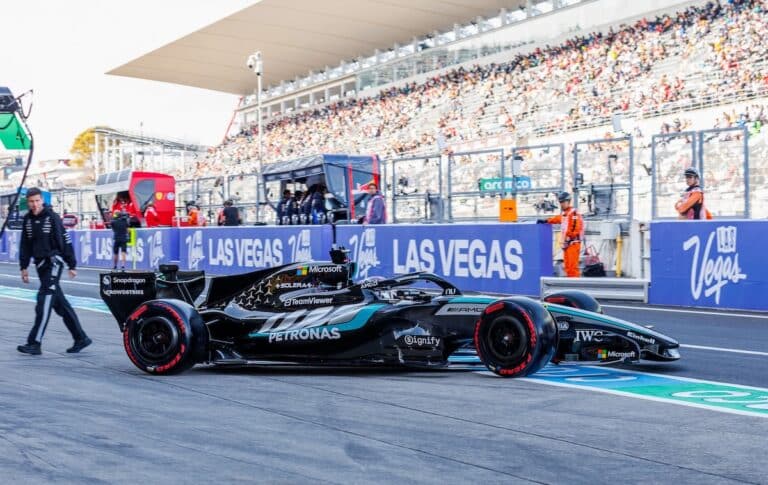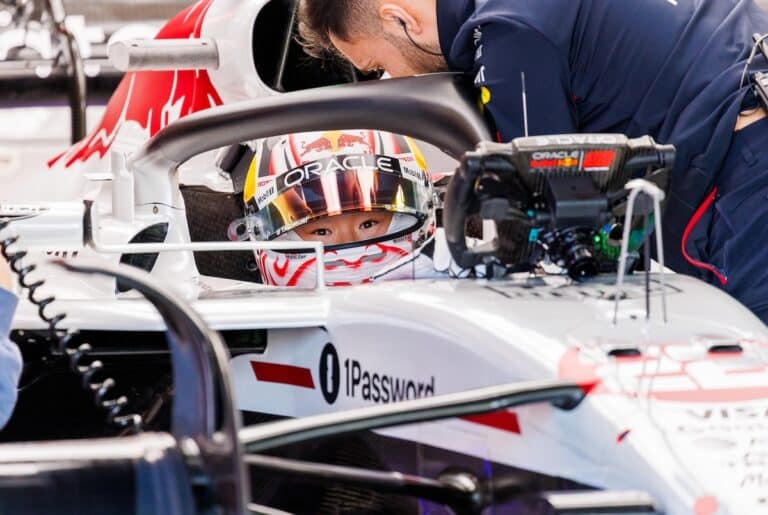
Formula One’s first official Bahrain test of the 2026 season concluded with a clearer competitive outline — and a louder philosophical debate.
Day 3 did not deliver dramatic surprises on the timing screens. Instead, it reinforced patterns that had been quietly forming since the opening laps earlier in the week. Mercedes ended the test on top. Ferrari remained composed. Red Bull stayed within striking distance. Yet beneath those surface impressions, the deeper story centred on how drivers are adapting — or resisting — the demands of Formula One’s new technical era.
If Barcelona hinted at direction, Bahrain has begun to provide structure.
Mercedes Close Testing on Top
The final day belonged, on paper, to Mercedes.
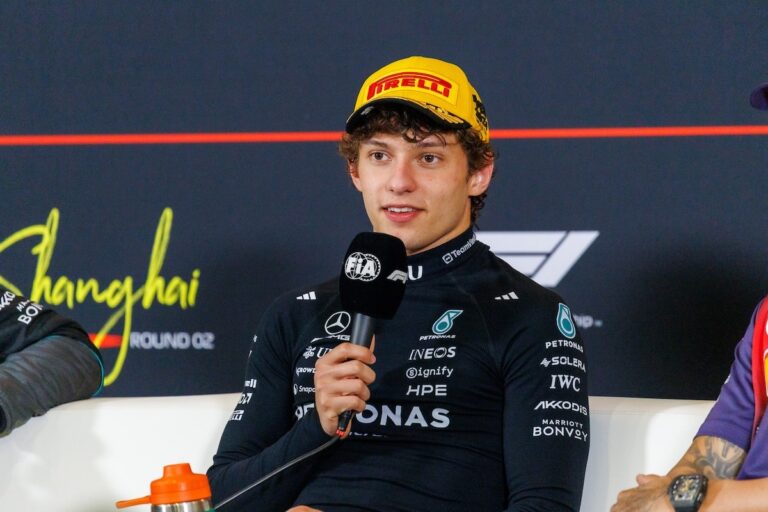
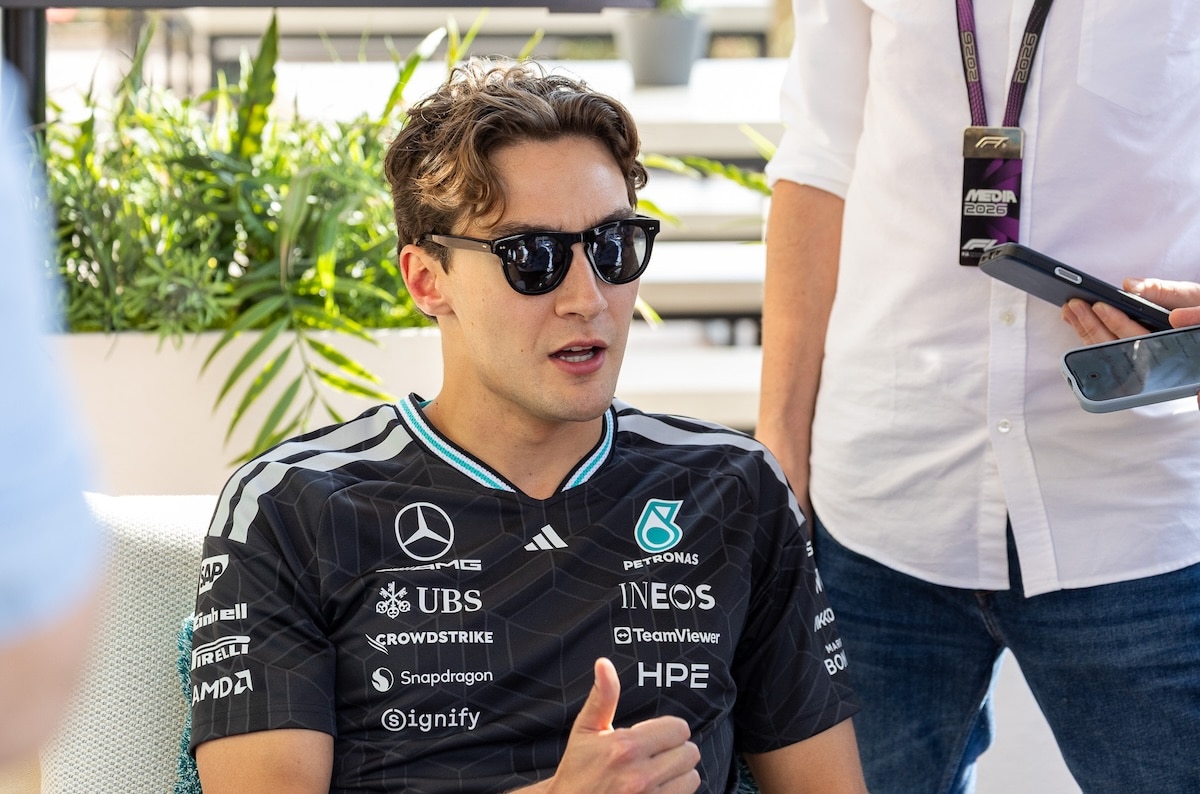
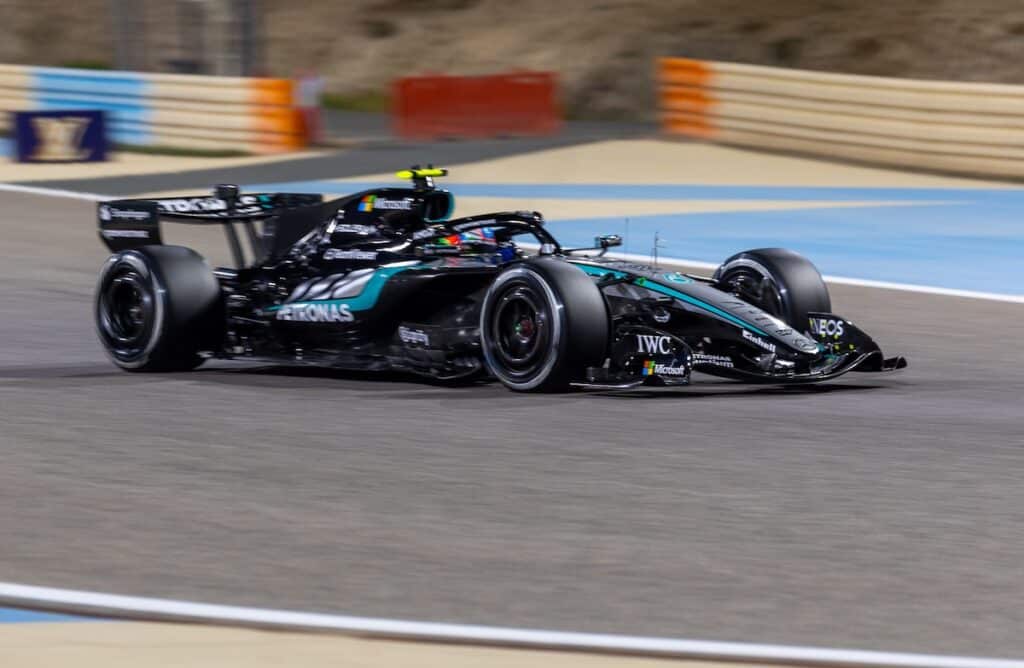
Kimi Antonelli recorded the fastest lap of the three-day test, while George Russell continued to project calm authority in his media appearance on Friday. Across the garage, the tone was measured rather than triumphant — a team focused less on headlines than on process.
The impression left by Mercedes was not one of outright aggression, but of control. Their programme unfolded without disruption, the data flow appeared steady, and the car looked settled across varying run plans. Several observers suggested that the Brackley outfit may still be holding performance in reserve, avoiding unnecessary scrutiny at this early stage of the season.
Russell spoke carefully but positively about the balance of the car, emphasising predictability and drivability — two characteristics that rarely attract attention but often underpin championship campaigns. Antonelli, meanwhile, continued to build quietly, adding further credibility to his early integration into the team.
Testing rarely crowns favourites. But it often reveals competence. Mercedes displayed plenty of that.
Ferrari Focused on Data
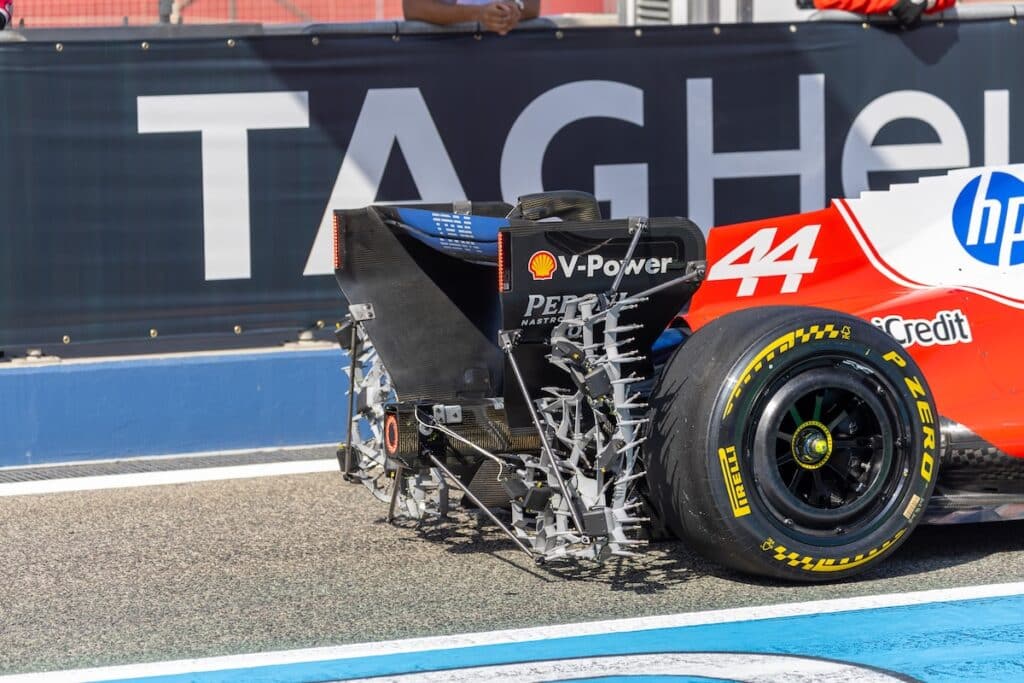
At Ferrari, the mood remained similarly composed.
Charles Leclerc reiterated what many within the paddock understand: testing offers more opportunities than ever to disguise true pace under these regulations. Energy deployment strategies, fuel loads and engine modes can easily mask competitive reality.
Ferrari’s emphasis throughout Bahrain has been correlation — ensuring that simulation aligns with circuit data. Engineers appear satisfied that their platform is behaving as expected. Whether that translates into an outright advantage will only become clear when competitive conditions remove the capacity for concealment.
For now, Ferrari appear methodical rather than spectacular — a team intent on building a baseline before chasing performance.
Red Bull Competitive — But Questions Persist
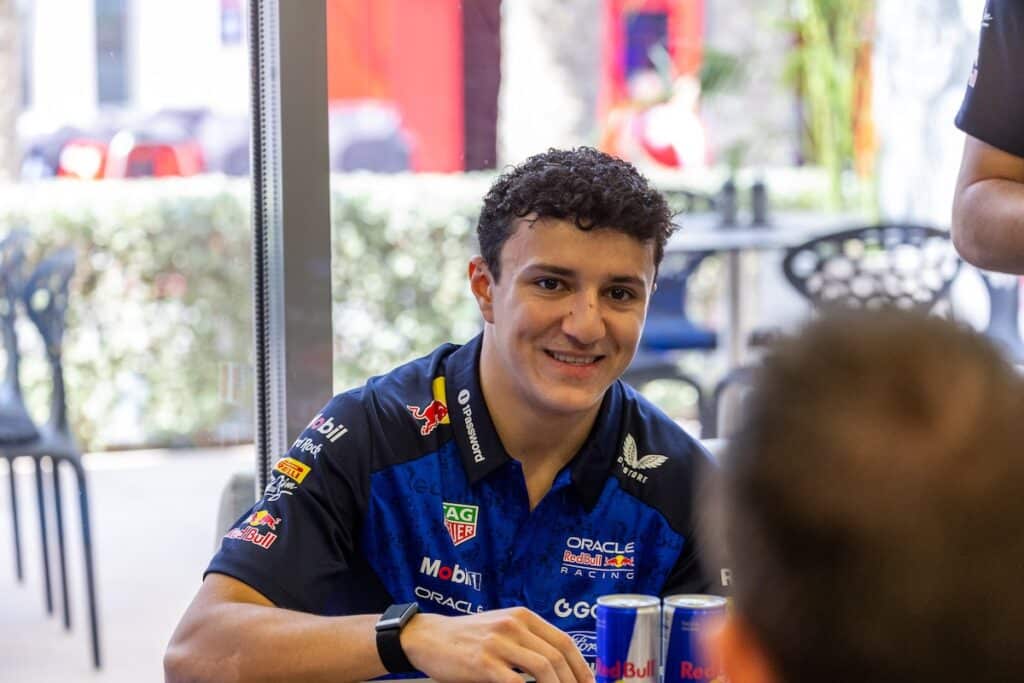
Red Bull’s running remained broadly competitive across the three days, yet the narrative around the team is increasingly shaped by context rather than lap time.
Max Verstappen’s comments from Day 2 — describing the new 2026 cars as “not much fun” and likening them to “Formula E on steroids” — continued to dominate discussion inside the paddock. His frustration centred on the increased emphasis on energy management and lift-and-coast techniques, which shift the driving style toward precision and control rather than outright attack.
Despite the criticism, Verstappen’s long-run consistency appeared strong. The team looked operationally stable, though not as visibly fluid as Mercedes.
Whether Red Bull are concealing pace or still refining their package remains unclear. But their benchmark status, as acknowledged earlier in the week by Toto Wolff, ensures that scrutiny will not ease.
Aston Martin and the New Driving Reality
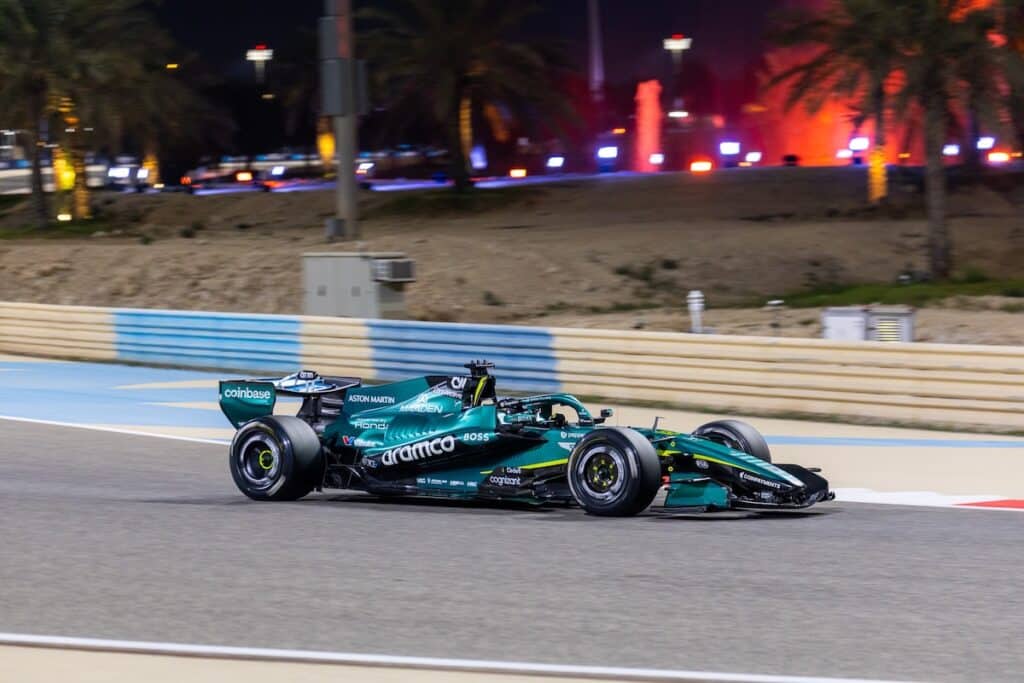
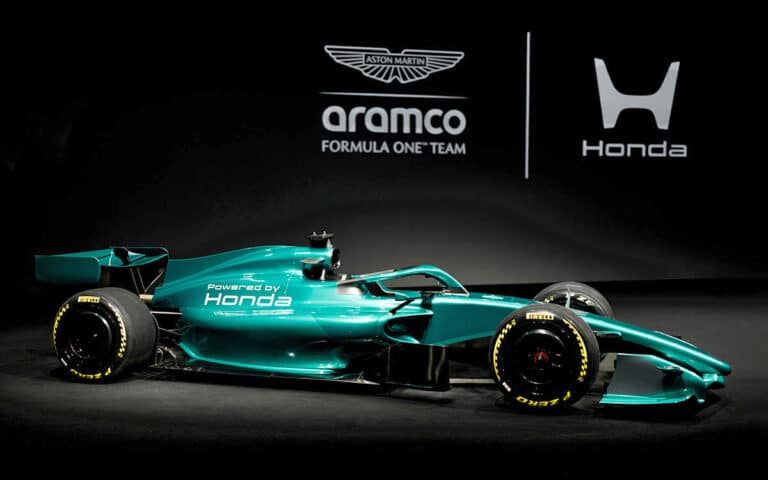
At Aston Martin, Fernando Alonso provided one of the more analytical perspectives on the new generation of cars.
Corners that once demanded commitment now require management. Drivers must think carefully about energy harvesting, battery deployment and temperature control. The sensation, as Alonso described it, is less about instinct and more about calculation.
The shift represents a philosophical change as much as a technical one. Modern Formula One is evolving into a discipline that rewards precision, software awareness and energy strategy as much as mechanical bravery.
For some drivers, that presents an intellectual challenge. For others, it represents a departure from the sport’s traditional appeal.
A Subtle Generational Divide

Day 3 exposed what may become one of the defining storylines of the 2026 season: a subtle generational divide.
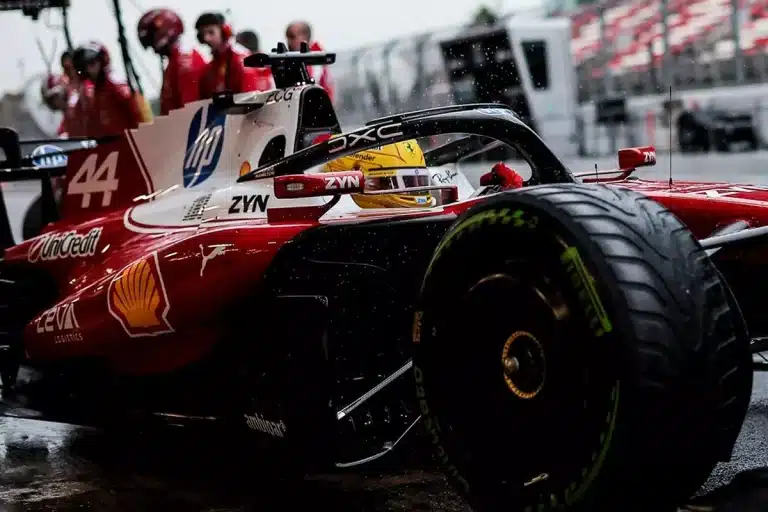
Experienced champions such as Alonso, Verstappen and Lewis Hamilton have expressed varying degrees of nostalgia for a more instinctive style of racing. The new cars demand patience and management — qualities that reshape the competitive dynamic.
Younger drivers appear more pragmatic.
Ollie Bearman, Arvid Lindblad and Isack Hadjar focused on adaptation rather than philosophy. For Hadjar in particular, the emphasis was procedural: understanding systems, refining starts, mastering energy maps. The complexity of the machinery is accepted as part of the learning curve.
In that contrast lies a broader evolution. Formula One’s competitive landscape is no longer defined solely by courage and reflexes. It is increasingly shaped by computation and discipline.
Team Principals Raise Tactical Concerns
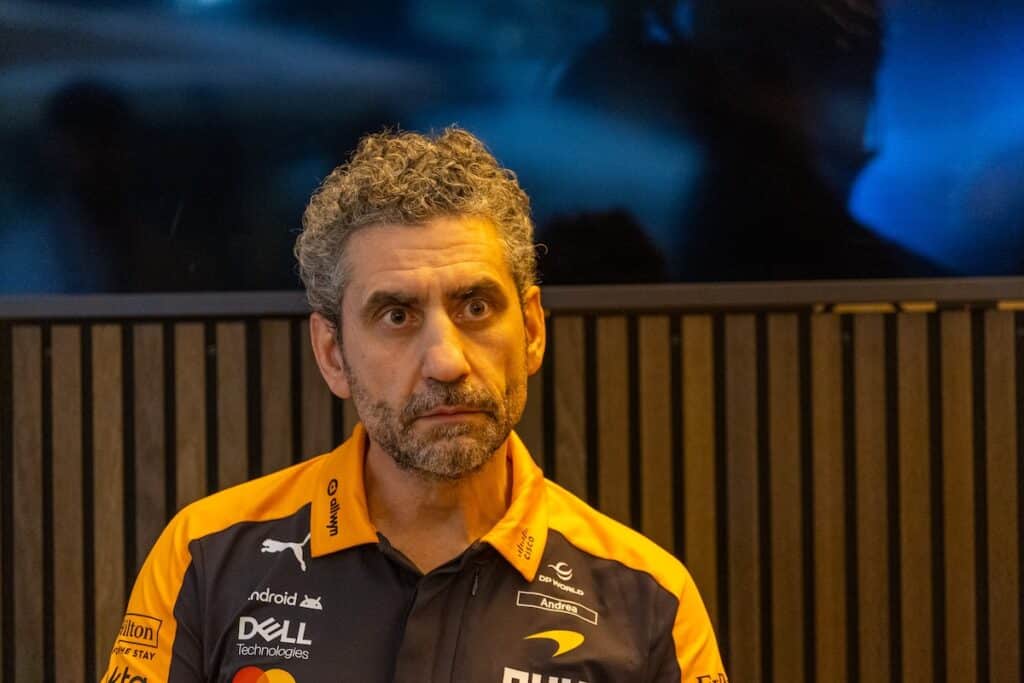
Beyond driver feedback, several team principals identified areas that may require further refinement before the season begins.
McLaren highlighted potential overtaking challenges created by the energy deployment structure, suggesting that racecraft may need to evolve in parallel with technical change. Practice starts and lift-and-coast behaviour were also repeatedly mentioned as areas where calibration remains ongoing.
Andrea Stella appeared notably more concerned than during the relaxed atmosphere of Abu Dhabi at the end of last season, while Audi team principal Jonathan Wheatley looked encouraged by the steady progress his operation has made since its more difficult Barcelona introduction.
What Day 3 Ultimately Revealed
The hierarchy may be beginning to take shape — but it remains provisional.
Mercedes appear composed. Ferrari look structured. Red Bull remain competitive. Aston Martin are still refining. The midfield continues to compress.
Yet the more profound takeaway concerns the character of the 2026 era itself.
Some see an exciting technical challenge, where strategy and intelligence shape outcomes more than ever before. Others feel the sport has drifted further from pure, flat-out racing.
Both interpretations can coexist.
What is certain is that teams now face an immense workload before the next phase of testing begins. Three days in Bahrain have generated vast quantities of data. Simulation departments will now work intensively to translate those findings into meaningful performance gains.
Read More