Ferrari tops Day 2 while Max Verstappen delivers the first major critique of the 2026 Formula One regulations
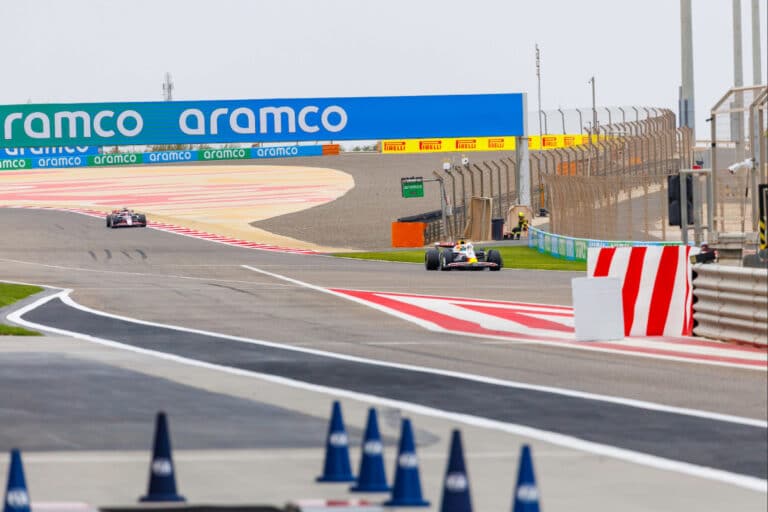
Formula One’s 2026 pre-season testing continued at the Bahrain International Circuit with a second day that revealed more than the timing screens alone suggested. While lap times in testing rarely offer definitive conclusions, Day 2 added fresh layers to the competitive and political narrative shaping the sport’s new regulatory era.
Charles Leclerc once again set the pace for Ferrari, but the more consequential developments came away from the stopwatch — including unusually candid remarks from the reigning world champion and continued questions around Aston Martin’s early-season readiness.
Ferrari Lead the Timesheets, but Reliability Questions Persist
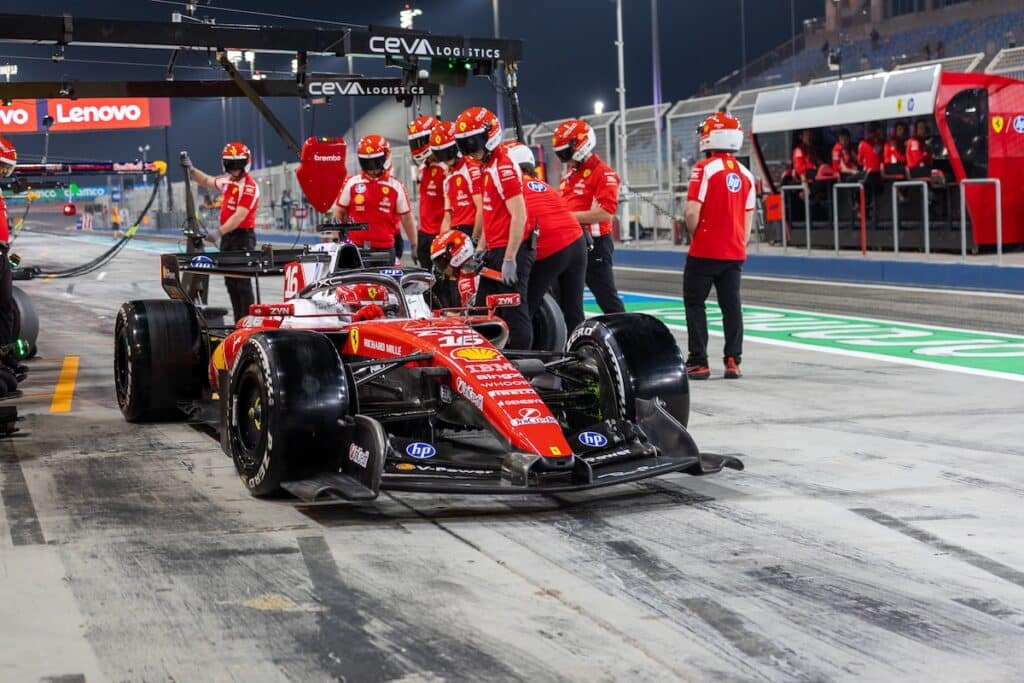
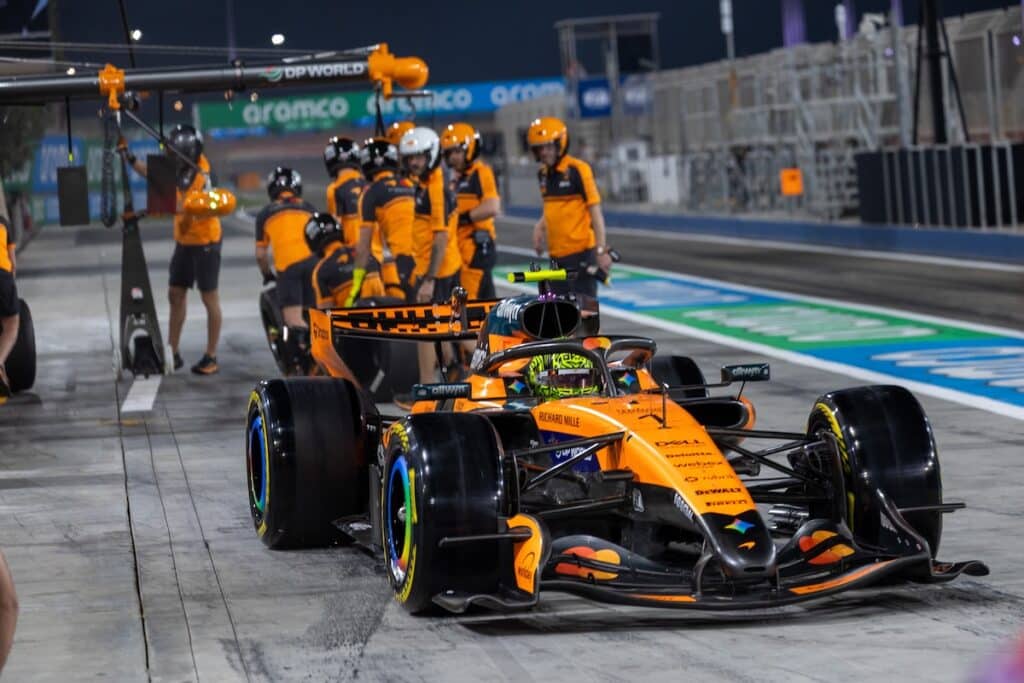
Leclerc finished fastest with a 1:34.273, placing Ferrari half a second clear of McLaren’s Lando Norris. Haas driver Oliver Bearman rounded out the top three in a productive session that saw multiple drivers exceed 130 laps.
On paper, Ferrari appeared in control. The SF26 looked composed across both short runs and heavier fuel simulations, and the team avoided any visible interruptions. Yet the broader competitive picture remains complex.
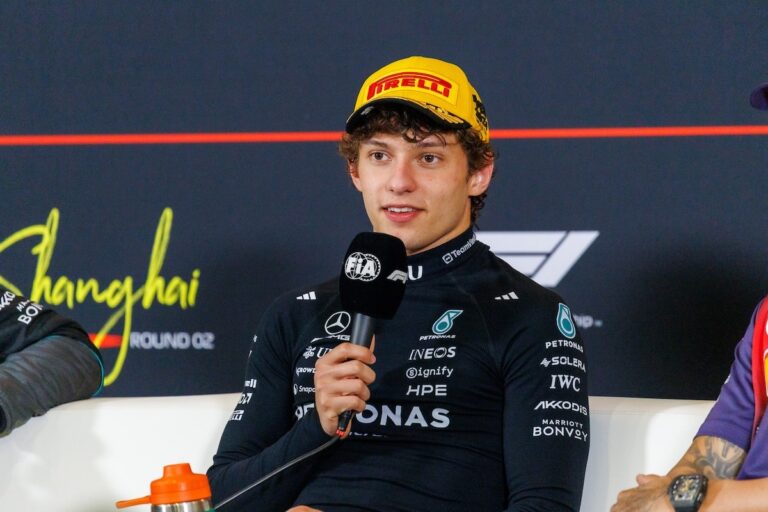
Mercedes encountered running issues that restricted Kimi Antonelli to limited mileage earlier in the day. Red Bull faced technical gremlins in the morning session, forcing Isack Hadjar into the garage before the team recovered later in the afternoon. Neither setback appears catastrophic, but both underline a consistent theme of this new regulation cycle: reliability remains fragile.
The 2026 power units, centred around more complex hybrid deployment systems and revised energy recovery architecture, are still being understood. Several teams continue building race-style programmes carefully, with long-run simulations yet to become fully representative.
Practice Starts and Energy Systems: The Hidden Battleground
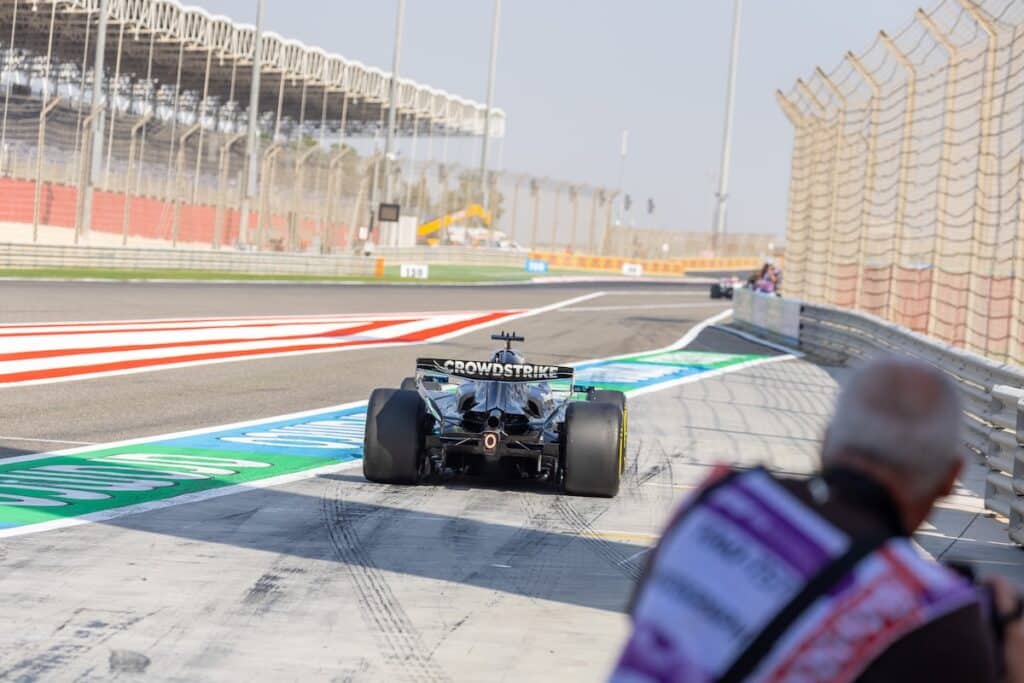
A recurring sight throughout the paddock has been repeated practice starts. The revised power unit regulations have introduced new sensitivities around clutch bite point, battery temperature and energy deployment windows. Drivers openly acknowledged that mastering launch procedures will take time.
The cars themselves behave differently. Reduced overall aerodynamic grip and greater reliance on energy management have created machines that slide more and demand subtle throttle control. For some, that opens opportunity. Under these conditions, adaptability and mechanical feel may separate the elite from the merely competent once racing begins.
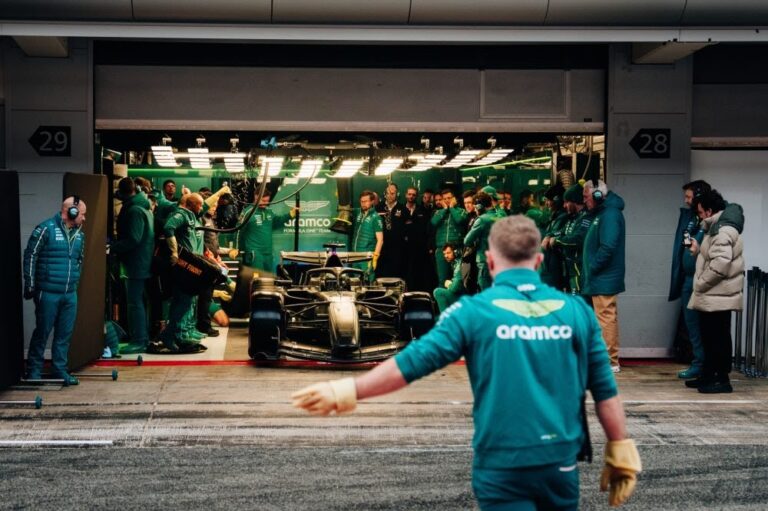
Aston Martin and the AMR26: A Difficult Second Day
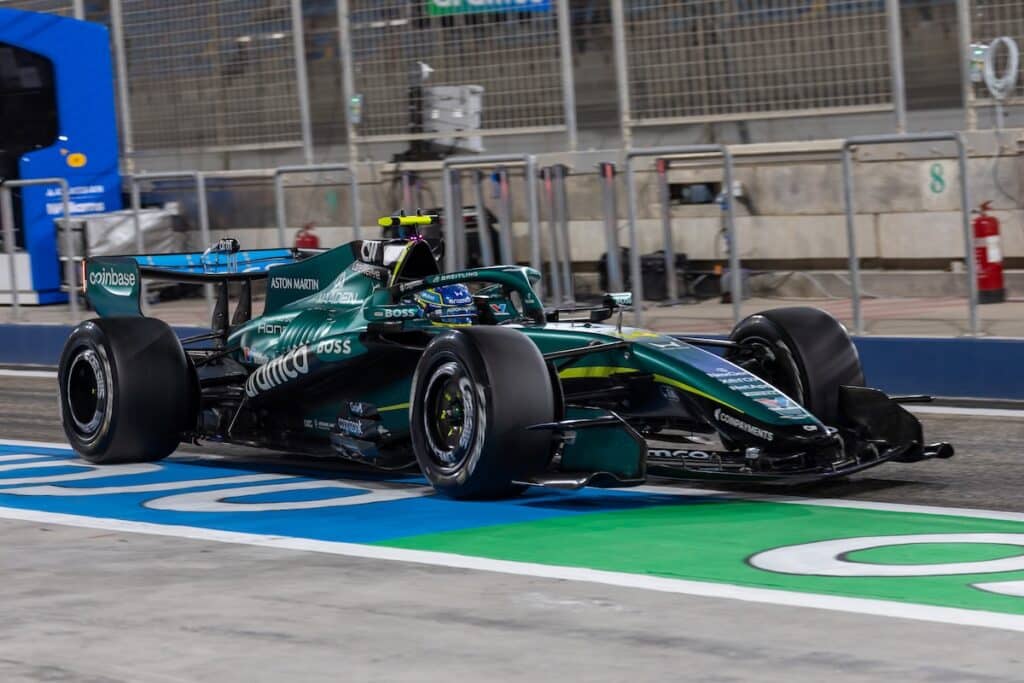
Aston Martin’s early-season concerns continued. Fernando Alonso finished nearly four seconds adrift of Leclerc’s benchmark, with visible handling instability still present in the AMR26.
Lance Stroll was candid in his assessment, acknowledging that the performance deficit extends beyond a single isolated issue. The implication was clear: this is not a quick adjustment, but a broader development challenge.
If there was one immediate positive, it was aesthetic rather than technical. Stroll expressed admiration for the team’s new livery — a sentiment echoed elsewhere in the paddock by another world champion reflecting on his own machinery.
In a regulation reset year, recovery is possible. But mileage and correlation are currency. On Day 2, Aston Martin appeared to be spending more time diagnosing than refining.
Carlos Sainz and Sergio Pérez Strike Measured Tones
Carlos Sainz, now embedded within Williams’ 2026 programme, delivered a pragmatic assessment after logging steady mileage. His emphasis was on baseline understanding rather than headline times.
In a season shaped by sweeping technical change, Sainz stressed that data accumulation and consistency would matter more than isolated fast laps. It was a methodical message from a driver adjusting to a new environment.
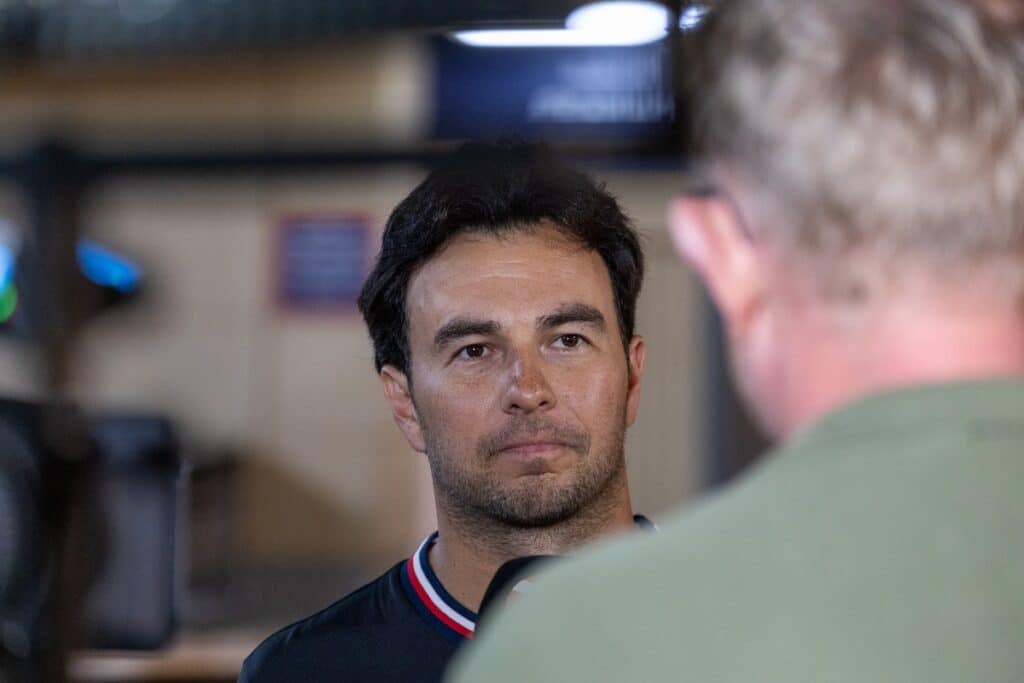
Sergio Pérez echoed that calm approach. Returning to the paddock after a year away, he described the learning curve as significant but admitted he felt immediately comfortable in his new surroundings. His focus, he suggested, remains on preparation for Melbourne rather than reacting to early speculation.
Max Verstappen’s Verdict: “Not Much Fun to Drive”
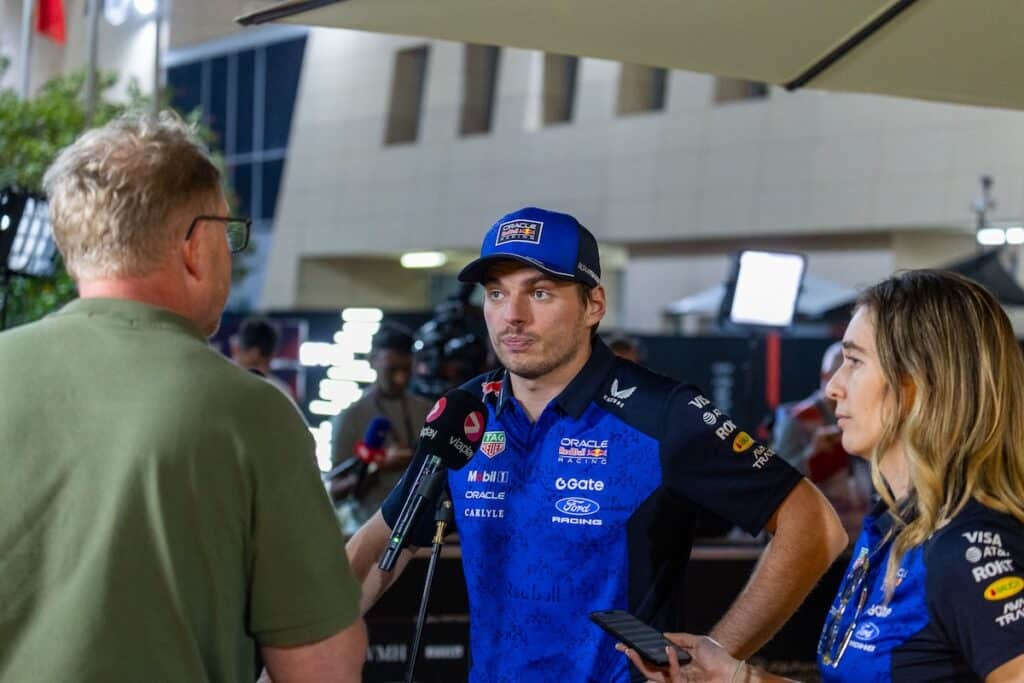
The most consequential comments of the day came from Max Verstappen.
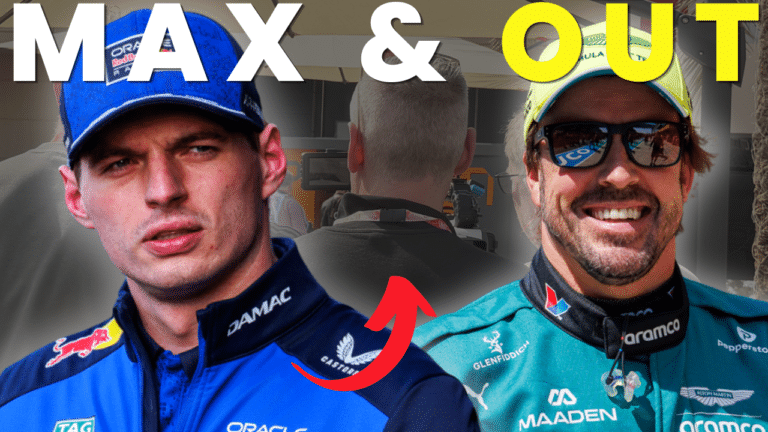
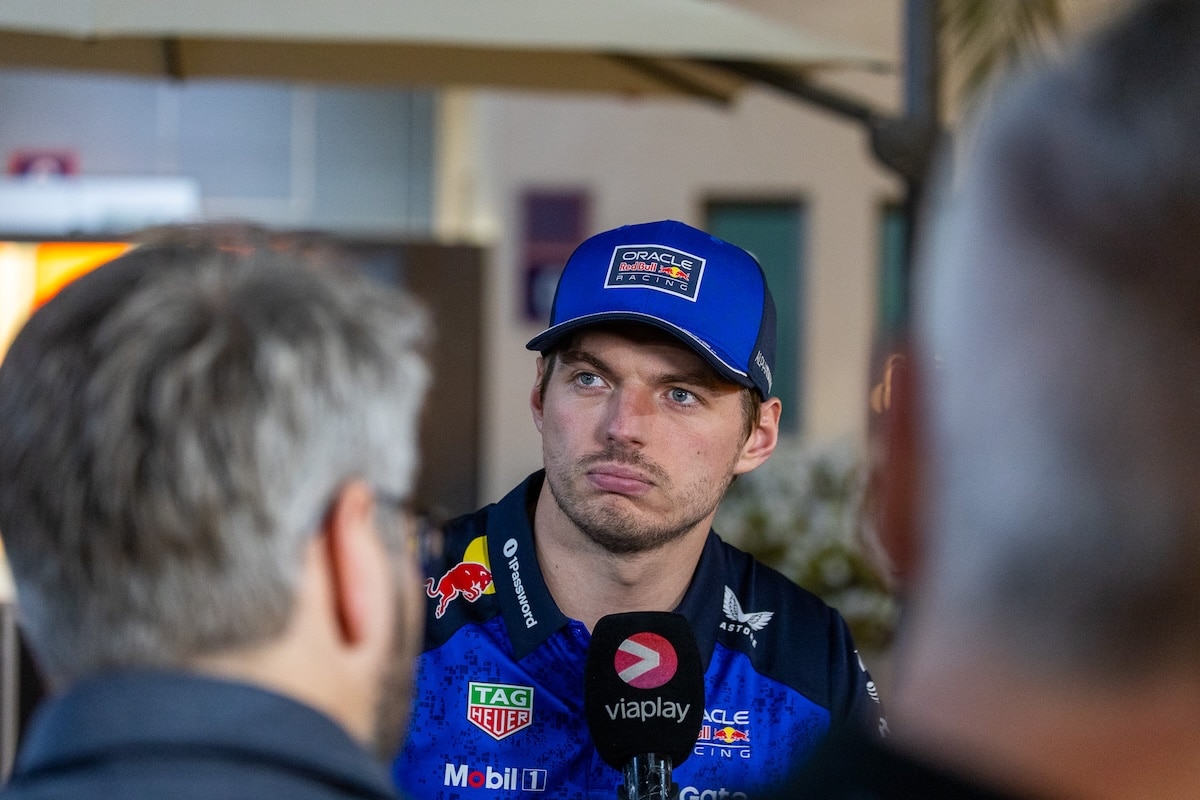
The reigning world champion did not disguise his frustration with the 2026 Formula One cars. He described them as “not much fun to drive” and likened the heavy emphasis on energy management to “Formula E on steroids.”
Despite Red Bull’s encouraging performance metrics, Verstappen’s remarks highlighted a philosophical tension within the new regulations. The cars demand constant battery management and strategic lift-and-coast phases, shifting the challenge away from purely instinctive racing toward calculated energy optimisation.
It is the first clear sign that not every driver is convinced the new direction enhances the spectacle.
Speculation naturally followed, with some suggesting that continued dissatisfaction with the technical philosophy could influence Verstappen’s long-term outlook. That remains conjecture, but his words carried weight.
Lando Norris responded with characteristic levity, suggesting that every generation of drivers must adapt to evolving machinery. From his perspective, regulatory change is inherent to Formula One’s progression.
Early Signals, No Final Conclusions
Two days into Bahrain testing, the competitive hierarchy remains provisional. Ferrari looks stable and methodical. Red Bull appears fundamentally competitive despite minor interruptions. Mercedes continues balancing performance intrigue with regulatory scrutiny. Aston Martin faces more immediate questions.
But in testing, perspective is essential. Fuel loads remain unknown. Engine modes are concealed. Race simulations under directly comparable conditions are still to come. Only sustained long runs — ten to fifteen laps at representative pace — will reveal efficiency, thermal stability and true race consistency.
What Day 2 has confirmed is that the 2026 era will not be defined solely by speed. It will be shaped by energy management, reliability discipline and strategic clarity.
And perhaps, by how willing drivers are to embrace a very different kind of Formula One.
Read More