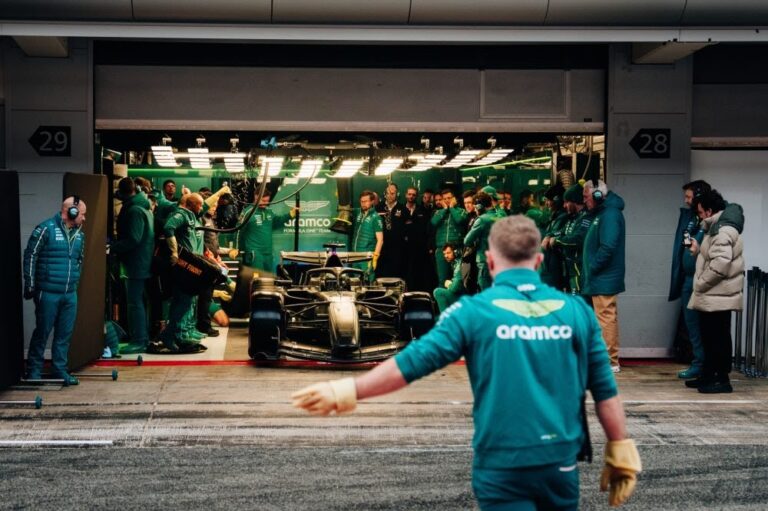

The 2026 Formula 1 season finally begins in Melbourne, where the Australian Grand Prix will provide the first definitive answers of the sport’s most significant regulation reset in over a decade.
Testing in Bahrain offered early signals. But in Australia, the disguises disappear. Fuel loads normalise, engine modes are revealed, and competitive intent replaces experimentation. The curtain lifts.
And there is no better stage for a season opener than Albert Park.
Albert Park and the Return of Genuine Competition
Formula 1 enters 2026 under sweeping new regulations. The cars are shorter, lighter and narrower. Aerodynamics have been revised. The power unit formula places greater emphasis on electrical deployment and energy efficiency. For the first time in recent years, eleven teams line up on the grid.
Melbourne therefore becomes more than a traditional opener — it becomes the first true benchmark.
Albert Park’s temporary street layout, set around the lake south of Melbourne’s CBD, creates a unique atmosphere. Roads close, grandstands rise, trams fill with supporters travelling between the city centre and the circuit. During race week, the area transforms into its own ecosystem.
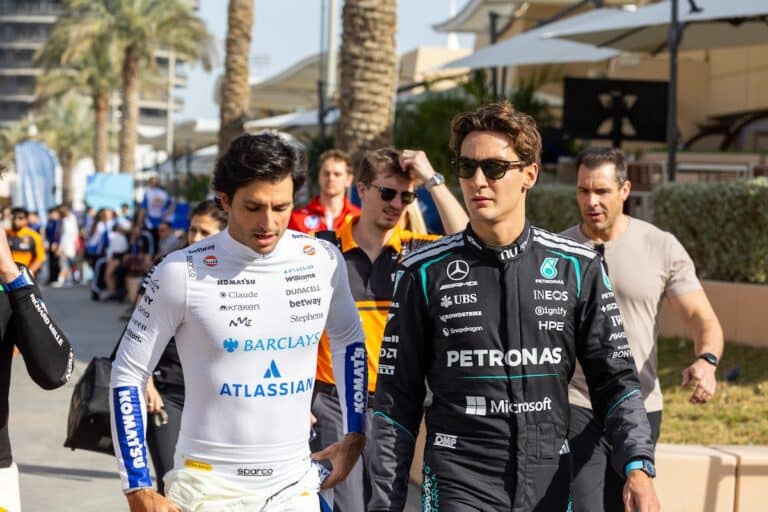
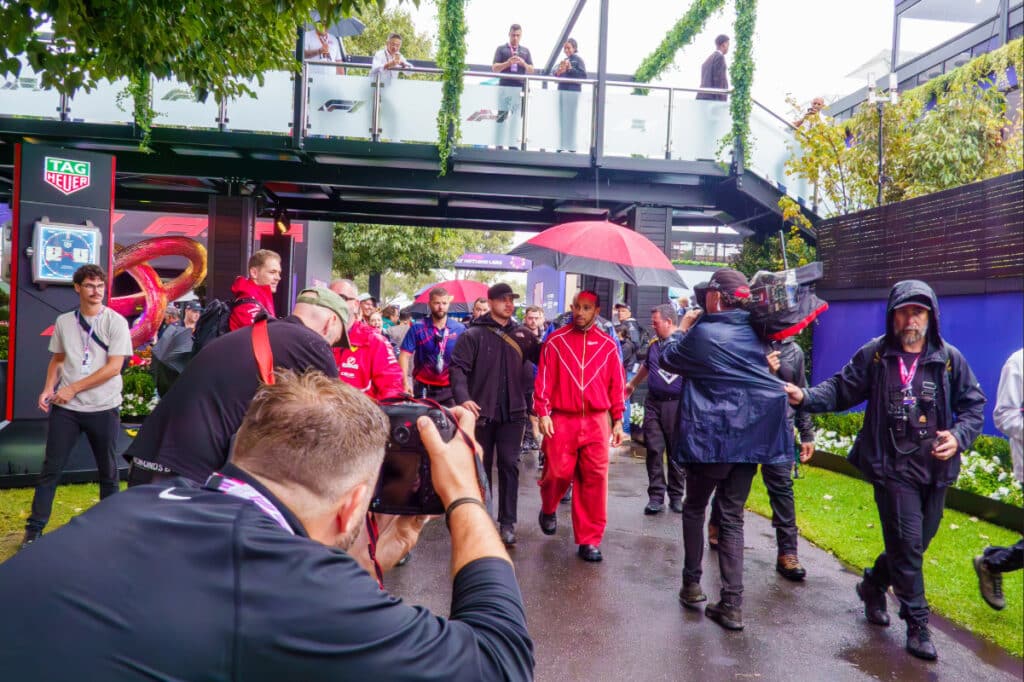
The Melbourne Walk once again places fans within metres of drivers and team principals. It remains one of the few locations where proximity still feels authentic rather than manufactured. At this early stage of the season, optimism outweighs pressure. Autographs are signed. Photos are taken. Expectations remain untested.
The off-track narrative will also begin to settle. Early-season rumours surrounding driver relationships and paddock dynamics may gain clarity once competition resumes. Melbourne traditionally sets the tone — on and off the circuit.
Lessons from 2025: Why Conditions Matter
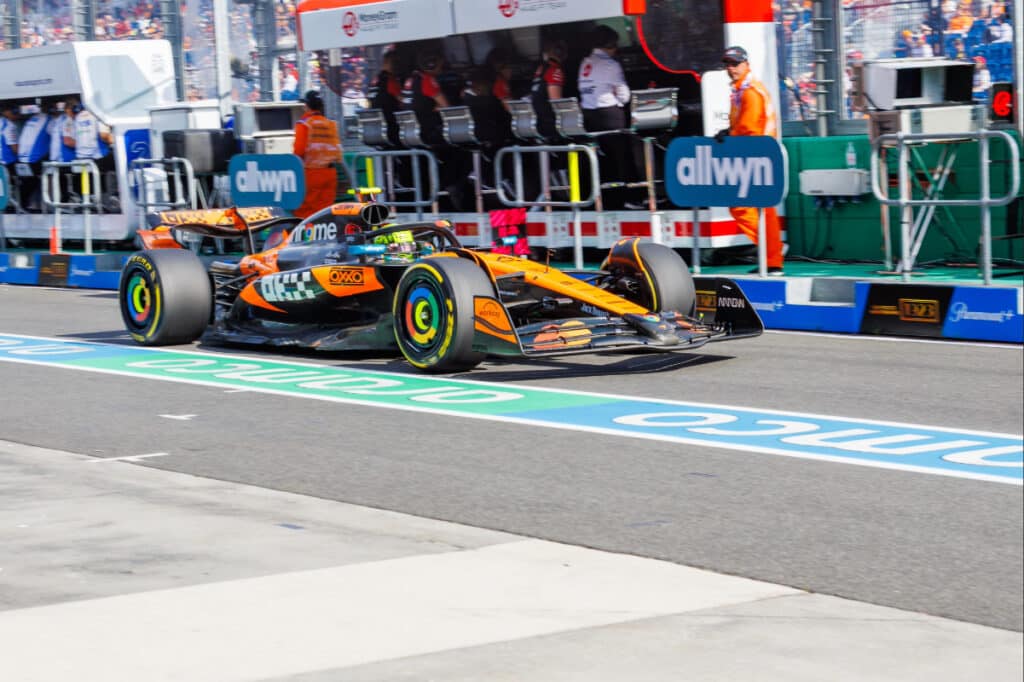
Last year’s Australian Grand Prix was defined by instability.
Rain hovered across the weekend. Practice sessions offered limited clarity. Qualifying required compromise. By Sunday, grip levels shifted unpredictably.
Even before the start, Isack Hadjar’s debut ended on the formation lap — a reminder that Albert Park punishes even minor misjudgements. Strategy quickly became reactive rather than proactive.
Oscar Piastri felt the weight of expectation most acutely. In front of his home crowd, he remained competitive throughout much of the race before a late miscalculation in worsening conditions cost him a podium opportunity. It was not a dramatic error — merely a fraction off the ideal line — but at Albert Park, margins are amplified.
Ferrari’s bold tyre call briefly elevated them into contention before deteriorating conditions reversed the advantage.
At the front, Lando Norris and Max Verstappen began a duel that would define much of the 2025 season. Norris managed the changing conditions precisely and established early championship momentum.
A repeat scenario in 2026 appears unlikely. The reasons lie within the technical reset.
What Bahrain Testing Revealed for 2026
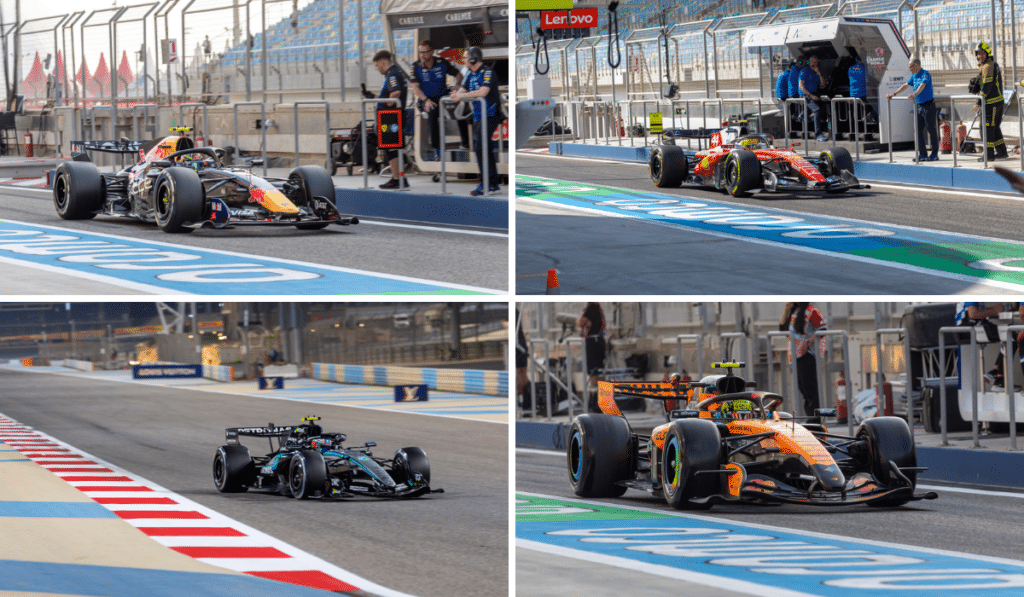
To understand Australia, the reference point remains Bahrain testing.
Ferrari demonstrated strong pace on both qualifying simulations and longer runs. McLaren appeared balanced and consistent. Mercedes completed significant mileage without chasing headline times, raising questions about performance still in reserve. Red Bull looked competitive and stable.
The evidence suggests a clearly defined leading quartet: Ferrari, McLaren, Mercedes and Red Bull. It is highly probable that the 2026 Drivers’ Championship will emerge from this group.
Behind them, the picture diverges.
Aston Martin and Cadillac appear set to begin the season under pressure. The midfield remains tightly compressed, with Alpine, Haas and others separated by fine margins that could fluctuate weekend to weekend.
Melbourne’s characteristics may exaggerate those differences.
Why Driver Precision Could Define Australia

The 2026 cars are widely regarded as more demanding.
Energy recovery requires greater mental foresight from both driver and pit wall. Lift-and-coast phases increase. Electrical deployment strategy becomes central to outright pace. The cars move more and demand subtle throttle control.
Albert Park amplifies those challenges.
The evolving street surface changes grip levels across sessions. Track temperature affects tyre behaviour. The layout remains relatively narrow, and errors are punished immediately. With active aerodynamics replacing traditional DRS reliance, energy deployment along the main straights becomes decisive.
Under these parameters, human error becomes more likely — even among experienced drivers and crews. Start procedures remain unpredictable under the new hybrid characteristics. Small miscalculations could result in multiple lost positions, while precision may generate decisive advantages.
Max Verstappen continues to set the reference standard in complex environments. His ability to extract performance under strategic pressure remains Red Bull’s strongest asset, even if outright dominance is absent.
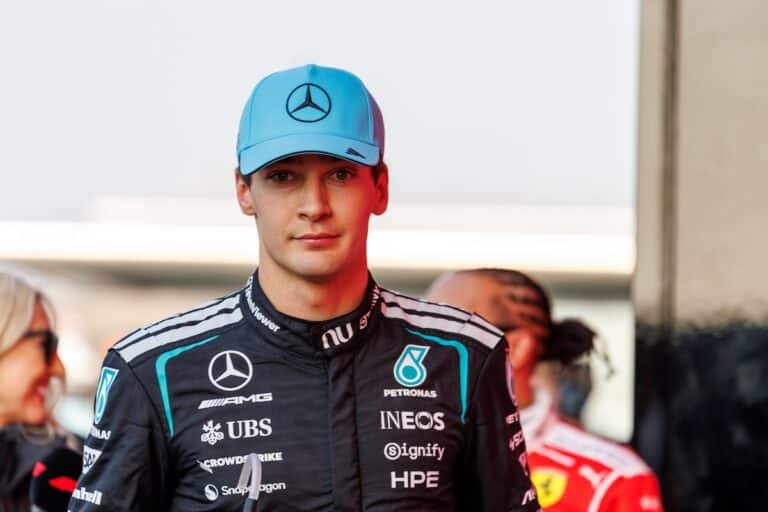
The central competitive question therefore shifts to George Russell, Charles Leclerc and Lando Norris. Can they consistently match that level of precision under the new regulatory demands? The answer may shape the early trajectory of the championship.
Teams Under the Microscope
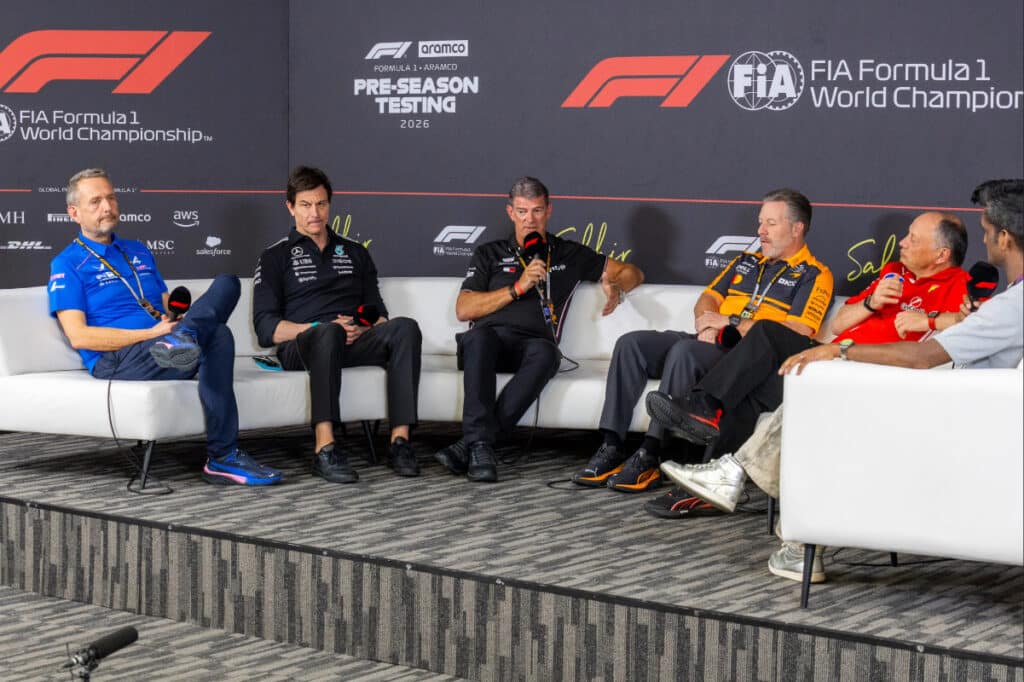
Mercedes arrive in Melbourne under particular scrutiny. Their composed testing programme, combined with public suggestions of performance held in reserve, has fuelled speculation about the true hierarchy.
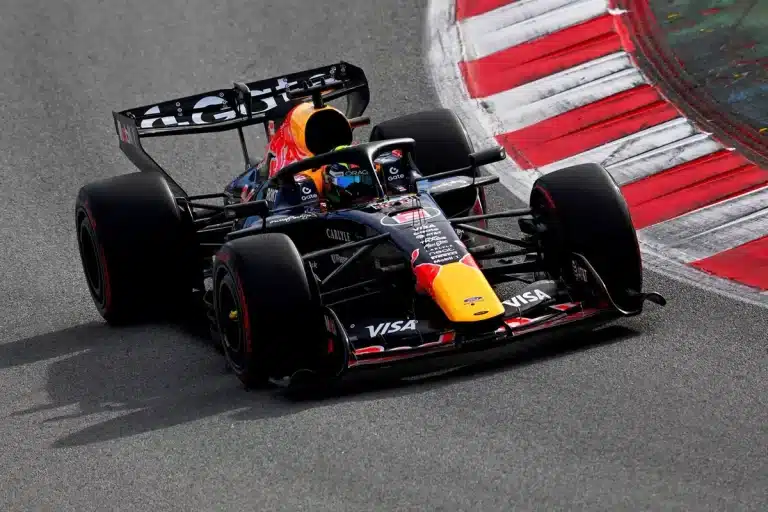
Red Bull must respond under a regulatory framework that places greater emphasis on energy optimisation — an area that initially drew criticism from Verstappen.
Ferrari appear structurally prepared, with strong traction performance and qualifying pace in Bahrain.
McLaren remain tightly aligned with the front, particularly in race-simulation consistency.
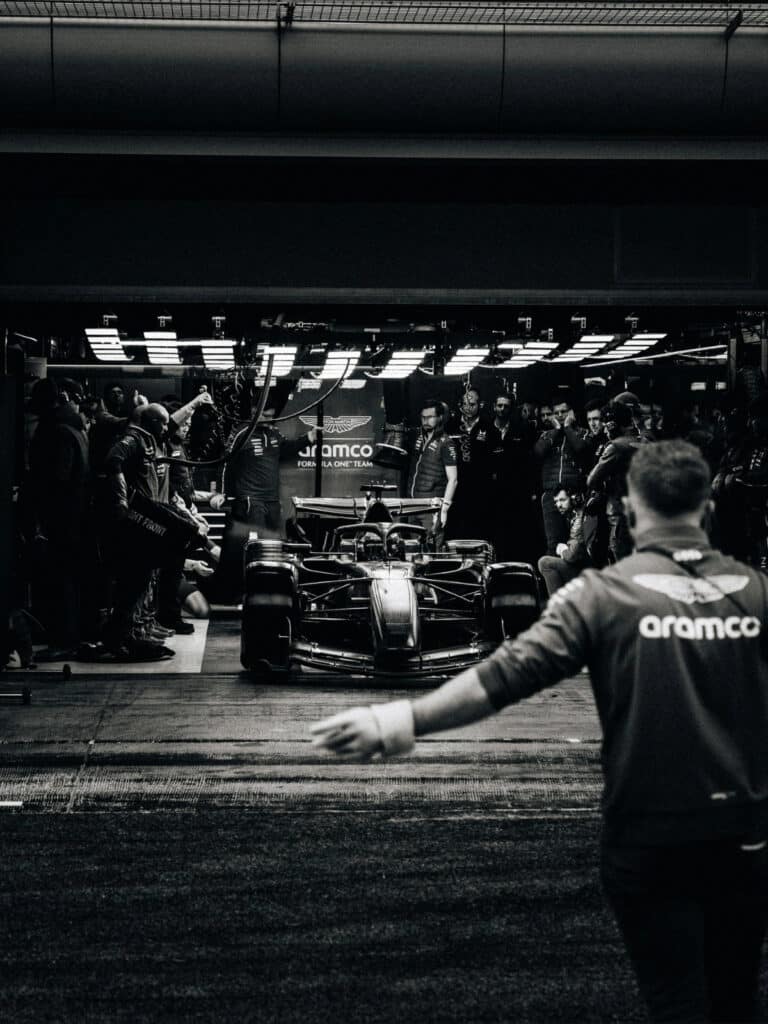
Further back, Aston Martin face the most urgent questions. Limited mileage during testing and reliability interruptions suggest they may begin the season on the defensive.
Cadillac, by contrast, can view Australia as the continuation of foundation building rather than immediate performance expectation. Audi begin their own chapter, seeking stability before expansion.
Alpine and Haas may yet surprise if execution outperforms expectation.
What to Expect on Sunday
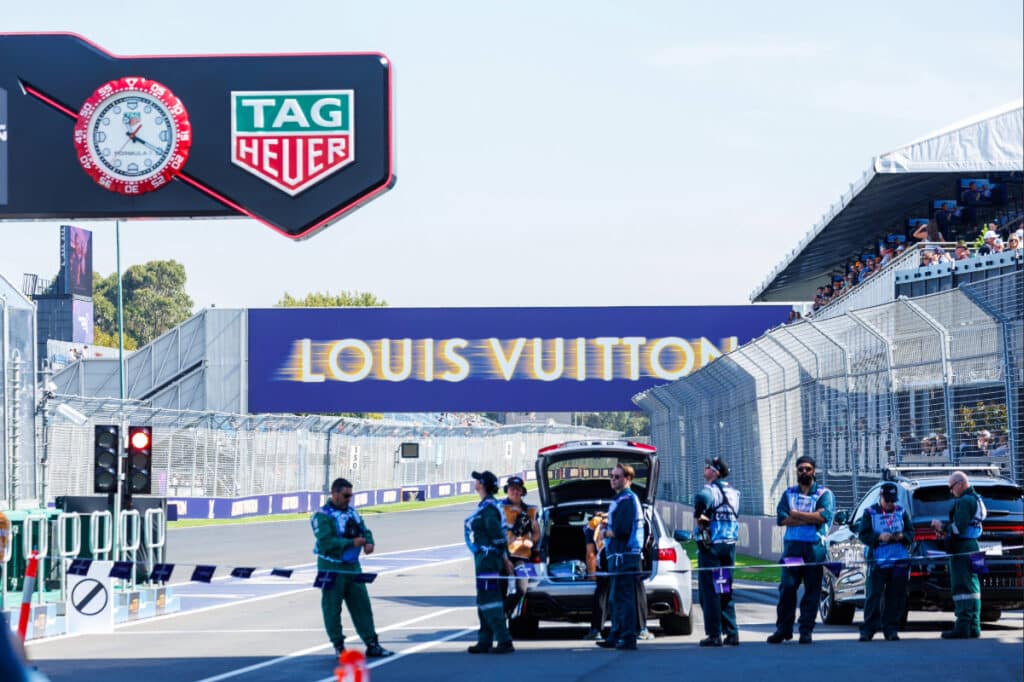
The Australian Grand Prix rarely follows script.
If Bahrain’s early order holds, the front four teams will contest victory within fine margins. If sandbagging played a larger role than anticipated, Melbourne will expose it.
Weather remains a variable, though early forecasts suggest more stable conditions than 2025. Even so, Albert Park’s evolving surface and street-circuit risk profile ensure unpredictability.
Once the chequered flag falls, early championship momentum will be established — and with it, the first movements of the 2026 driver market narrative.
The new era begins not with testing simulations, but with competitive commitment.
And in Melbourne, commitment leaves nowhere to hide.
Read More