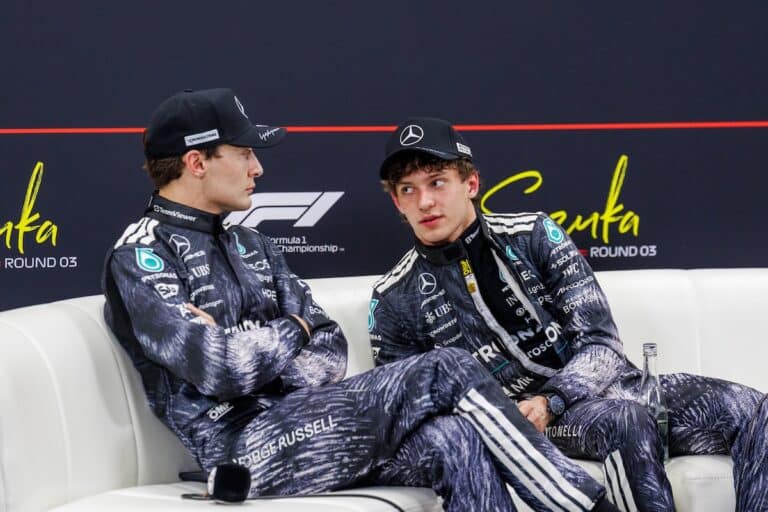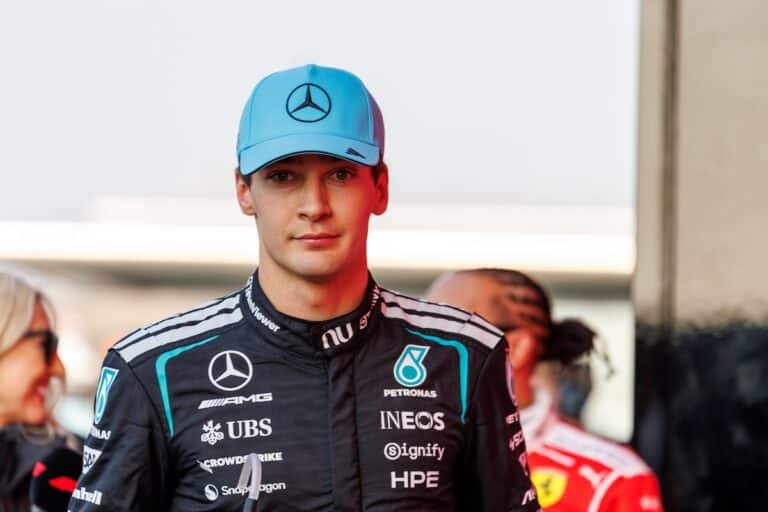
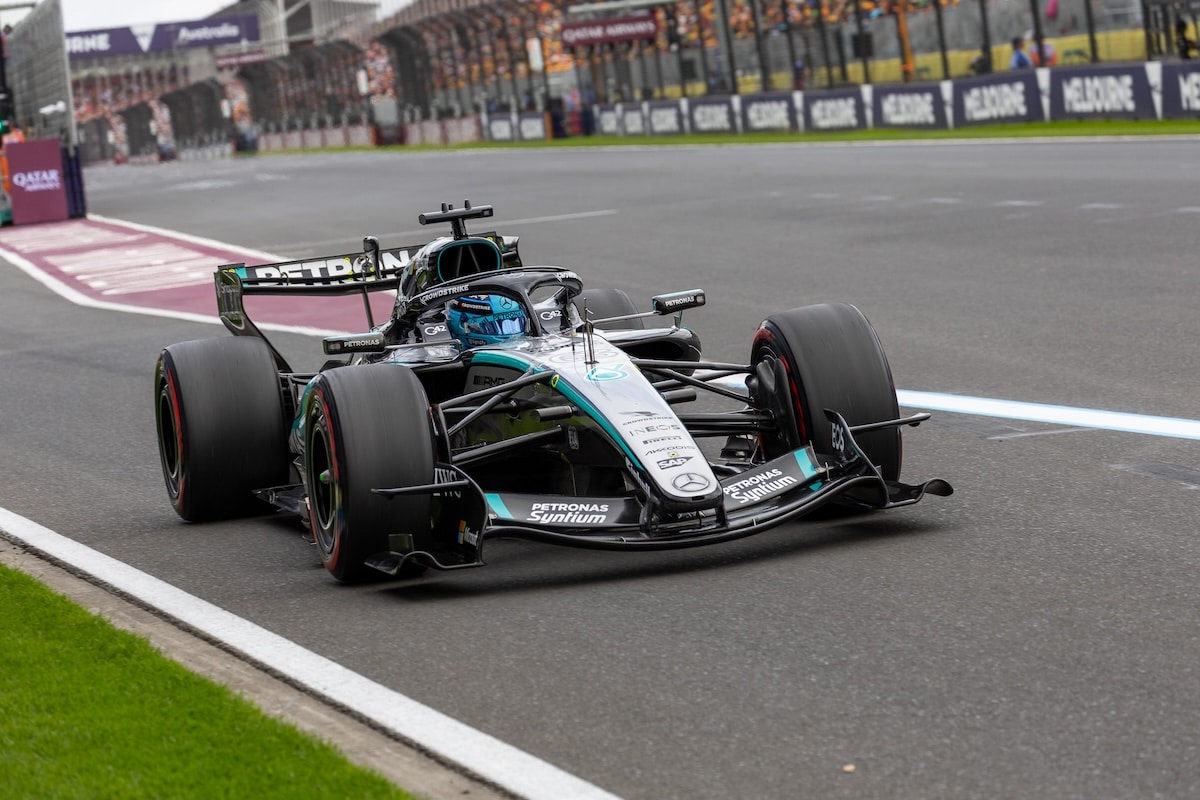
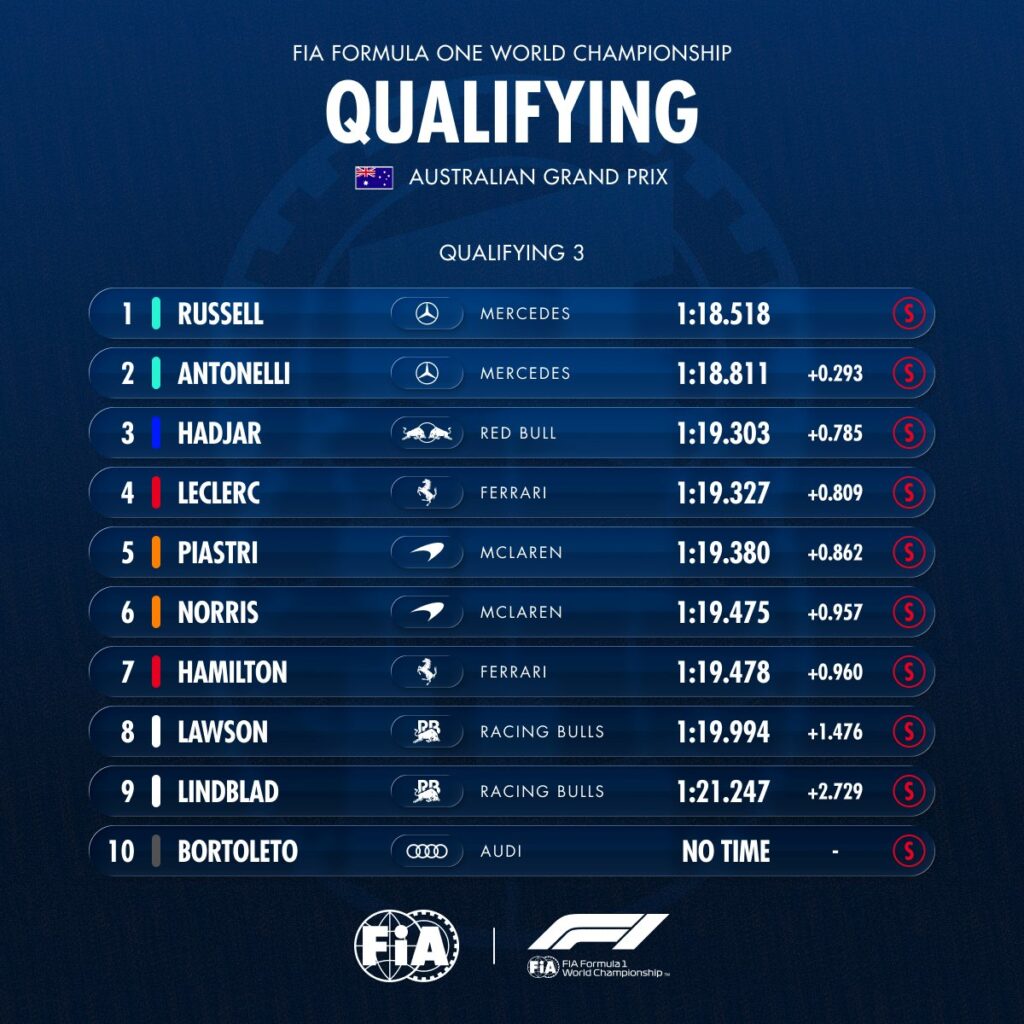
George Russell secured pole position for the 2026 Australian Grand Prix, leading a dominant Mercedes front-row lockout ahead of teammate Kimi Antonelli, while Max Verstappen crashed out in a dramatic Q1 incident at Albert Park.
Qualifying for the opening race of the 2026 Formula 1 season provided the first clear indication of the competitive order under the sport’s new technical regulations — and the early advantage appears to belong to Mercedes.
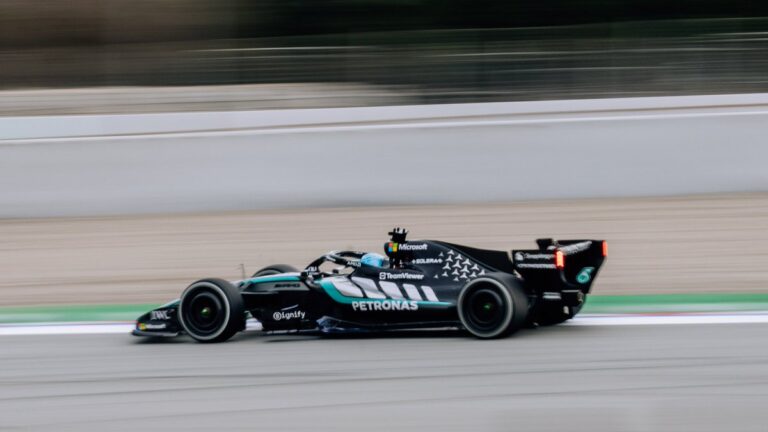
Russell delivered a commanding lap of 1:18.518, finishing nearly three tenths ahead of Antonelli. The young Italian’s second place was remarkable after suffering a heavy crash during final practice earlier in the day.
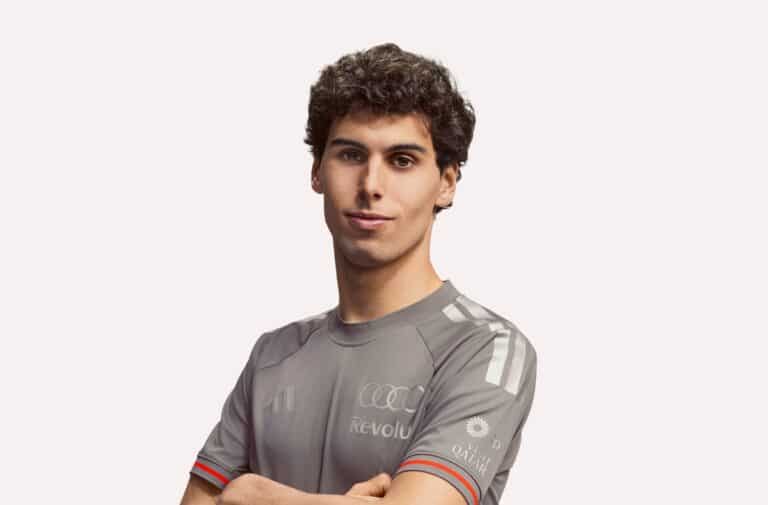
Behind the Mercedes pair, Red Bull rookie Isack Hadjar secured third place, though his lap time remained almost eight tenths slower than Russell’s benchmark.
The result suggests Mercedes may have begun the new era with a significant performance advantage.
Mercedes Reveal Pace After Winter Testing
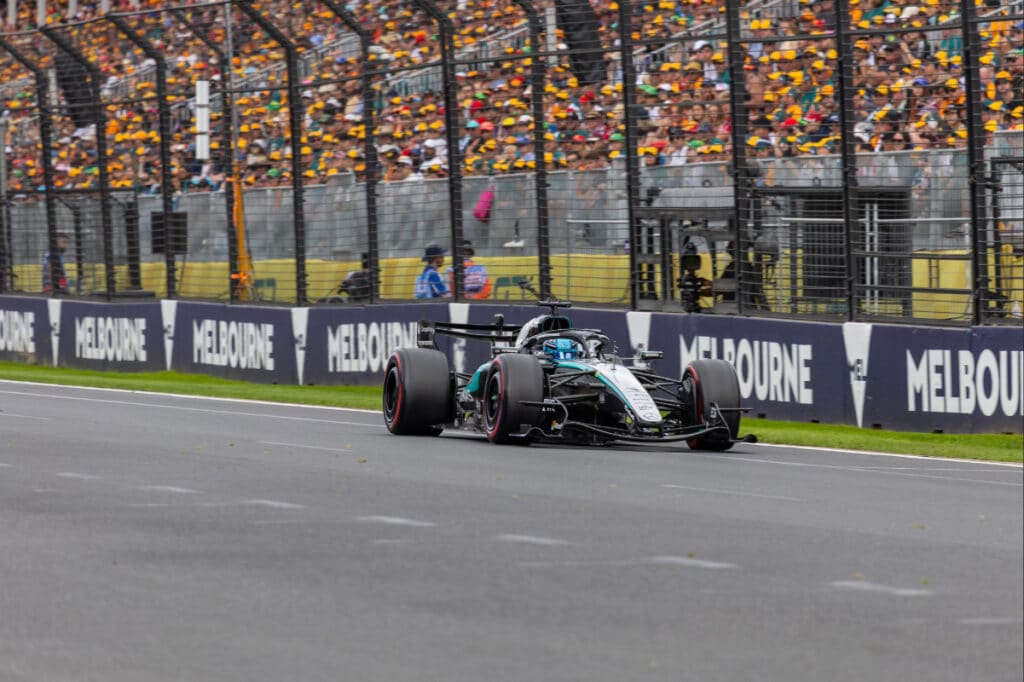
Throughout pre-season testing in Bahrain, Mercedes consistently downplayed their competitiveness. Russell continued that cautious tone even after taking pole in Melbourne.
The British driver suggested that track conditions had suited the Mercedes car and warned that Max Verstappen and Red Bull could still pose a serious threat during the race.
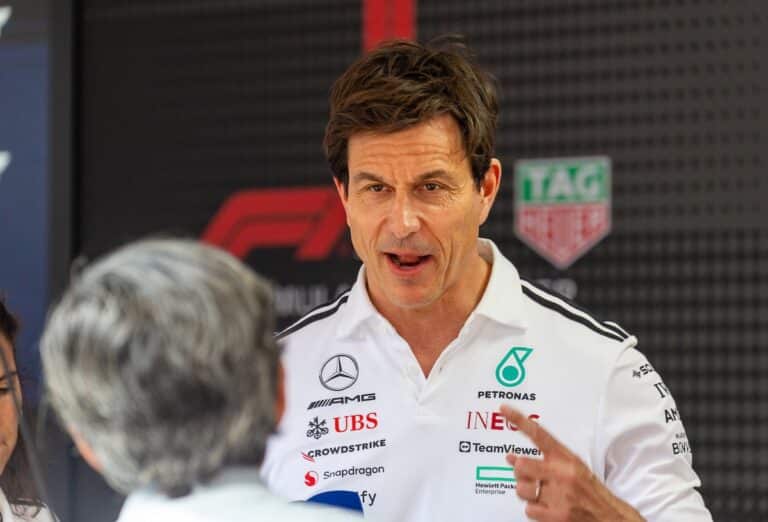
Team principal Toto Wolff echoed the sentiment, claiming he had been surprised by the size of the gap to rival teams.
The comments drew quiet amusement among journalists in the paddock, many of whom had suspected Mercedes might still be holding performance in reserve during winter testing.
Regardless of the messaging, the numbers from qualifying were clear: Mercedes currently appear to have the fastest package on the grid.
Verstappen Crash Stuns Albert Park Crowd
The biggest drama of the session arrived early in Q1.
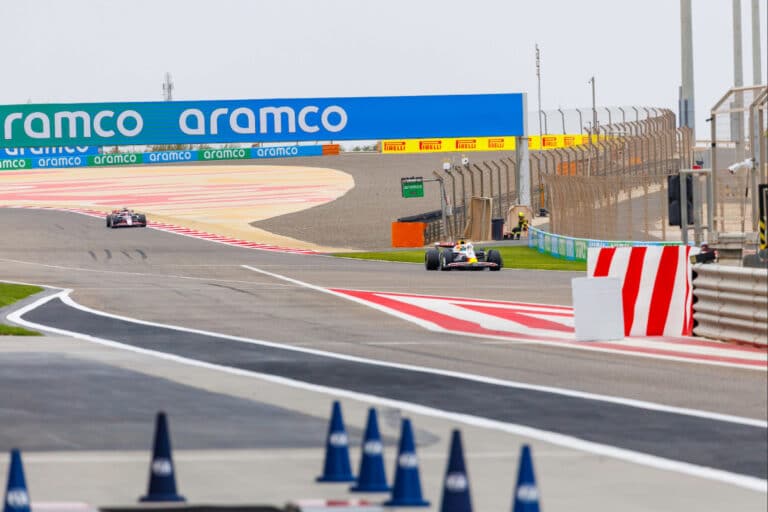
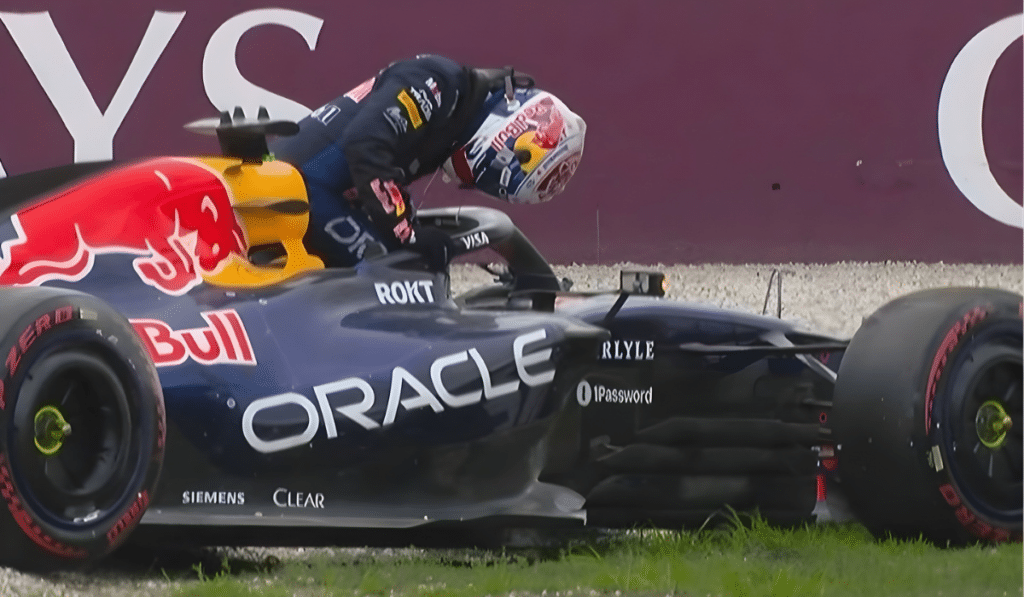
Max Verstappen crashed heavily at Turn 1 during his first flying lap after the rear axle of his Red Bull locked under braking. The Dutchman slid directly into the barriers, ending his qualifying session immediately.
The incident shocked the crowd at Albert Park and leaves the four-time world champion starting from the back of the grid for the season opener.
Verstappen later explained that the lock-up occurred instantly when he applied the brake pedal.
“I just hit the pedal and the whole rear axle completely locked,” he said.
“With these Formula 1 cars it’s very weird. I’ve never experienced that in my whole life.”
Initial analysis suggests the crash may be linked to the new energy regeneration systems introduced for 2026, which place greater emphasis on harvesting electrical energy through the rear axle. If the system activates too aggressively, it can produce sudden engine-braking forces that instantly lock the rear tyres.
Red Bull technical director Pierre Waché later confirmed that a software issue triggered excessive energy recuperation, causing the rear wheels to lock.
The team believes the problem should be relatively straightforward to fix.
Despite the setback, Verstappen escaped injury.
“I just had some X-rays done to check my hands,” he said.
“Nothing has broken.”
Hadjar Impresses for Red Bull
Red Bull still found a reason for optimism.
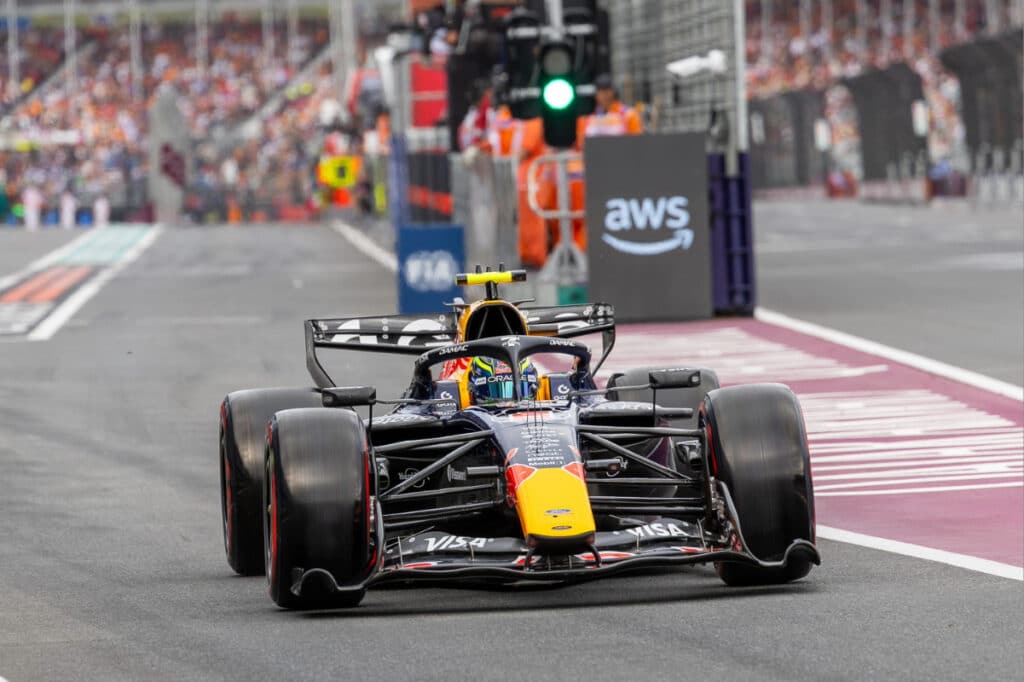
Rookie driver Isack Hadjar delivered an impressive performance to secure third place on the grid, demonstrating the potential pace of the RB22.
Although the gap to Mercedes was significant, the result suggests Red Bull remain competitive once reliability issues are resolved.
Internally, the team believes Verstappen could have been roughly three tenths slower than Russell had he reached Q3.
Ferrari Unable to Challenge Mercedes nor Red Bull
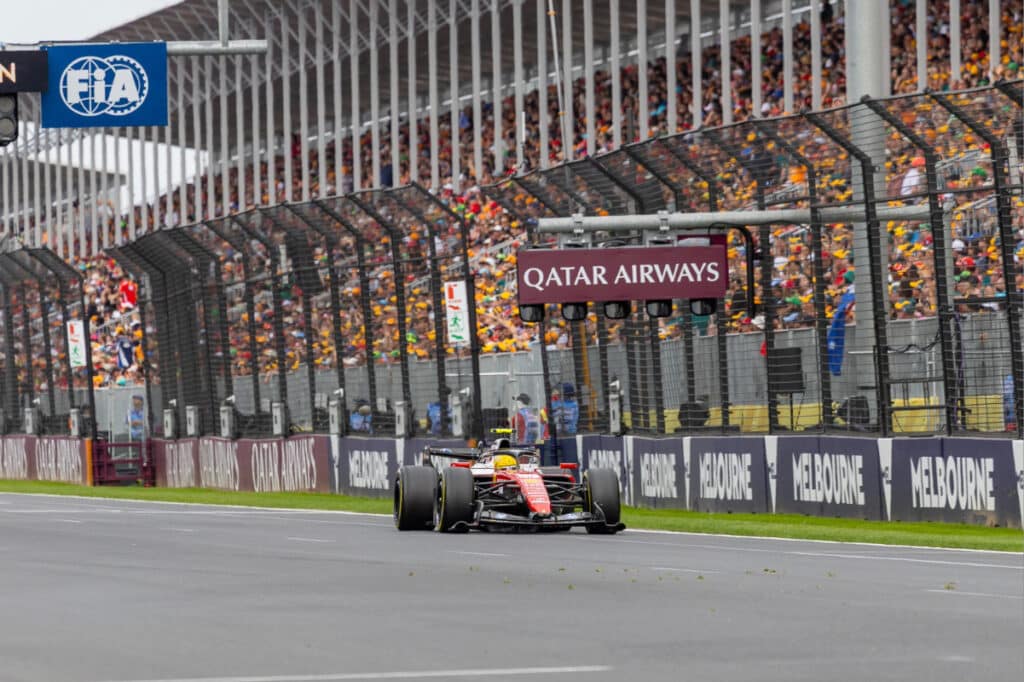
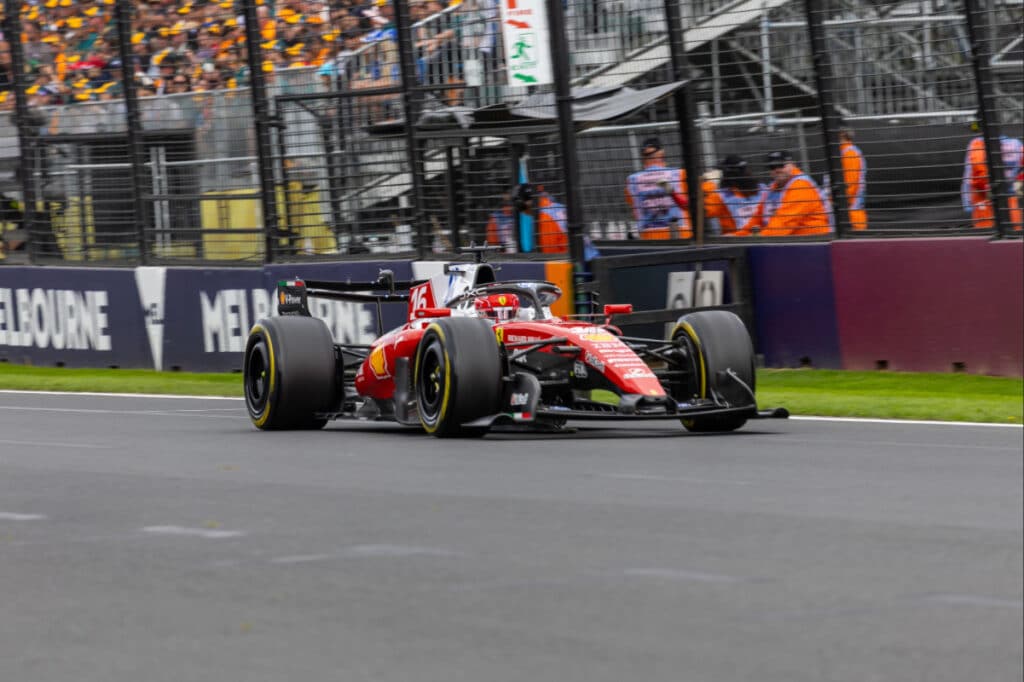
Ferrari entered the weekend with strong expectations following encouraging winter testing, but qualifying exposed a clear deficit.
Lewis Hamilton and Charles Leclerc finished fourth and fifth respectively, both progressing comfortably to Q3 but unable to challenge the Mercedes front row.
The Ferrari appeared balanced through the corners but struggled with energy deployment and straight-line power on the long Melbourne straights.
While the aerodynamic platform looked stable, the performance gap suggests Ferrari may need further development on the power-unit side if they want to challenge consistently for victories in 2026.
There remains a possible opportunity at the race start. Ferrari demonstrated strong launch performance during Bahrain testing, though rival teams have likely worked to address their own start procedures since then.
Aston Martin Shows Small Signs of Progress
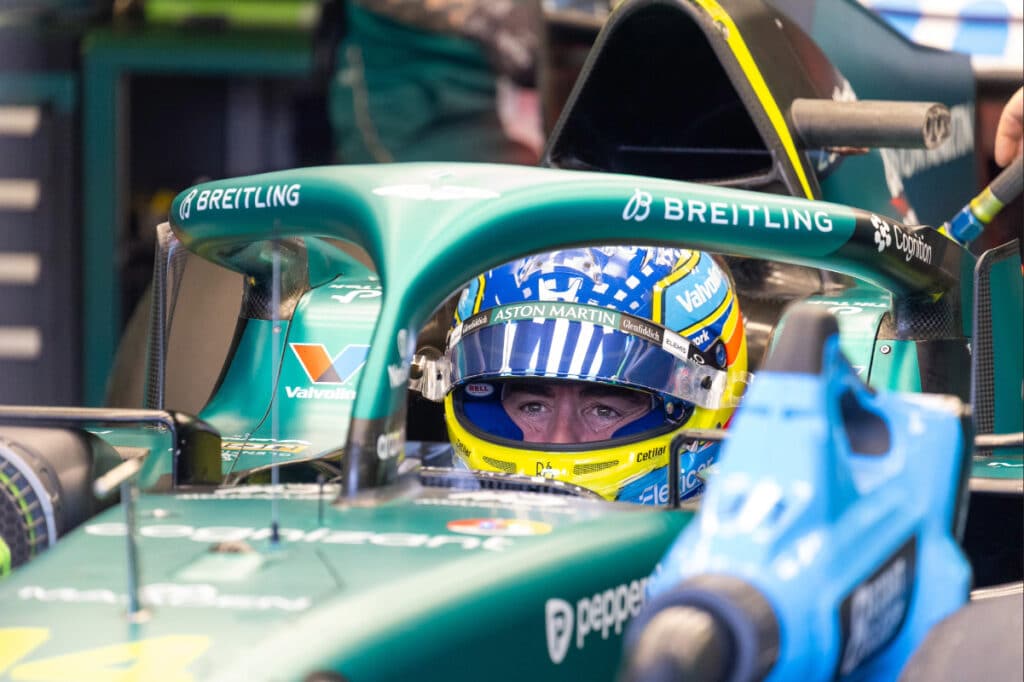
Aston Martin’s difficult weekend continued, but qualifying offered a slight improvement.
Lance Stroll did not participate after the team confirmed his car could not be rebuilt in time following technical issues earlier in the day.
Fernando Alonso, however, managed to run in qualifying despite the team continuing to battle severe power-unit and battery-related vibration problems.
The Spaniard finished roughly 2.4 seconds off the pace in Q1, a significant improvement compared with Friday’s deficit of nearly five seconds.
Given that the team is running the weekend with only one operational battery, the result may still be considered a small step forward internally.
For now, however, Aston Martin remain among the most vulnerable teams heading into Sunday’s race.
New Regulations Continue to Divide Drivers
The new 2026 Formula 1 regulations, which place greater emphasis on energy deployment and electrical recovery, remain a talking point throughout the paddock.
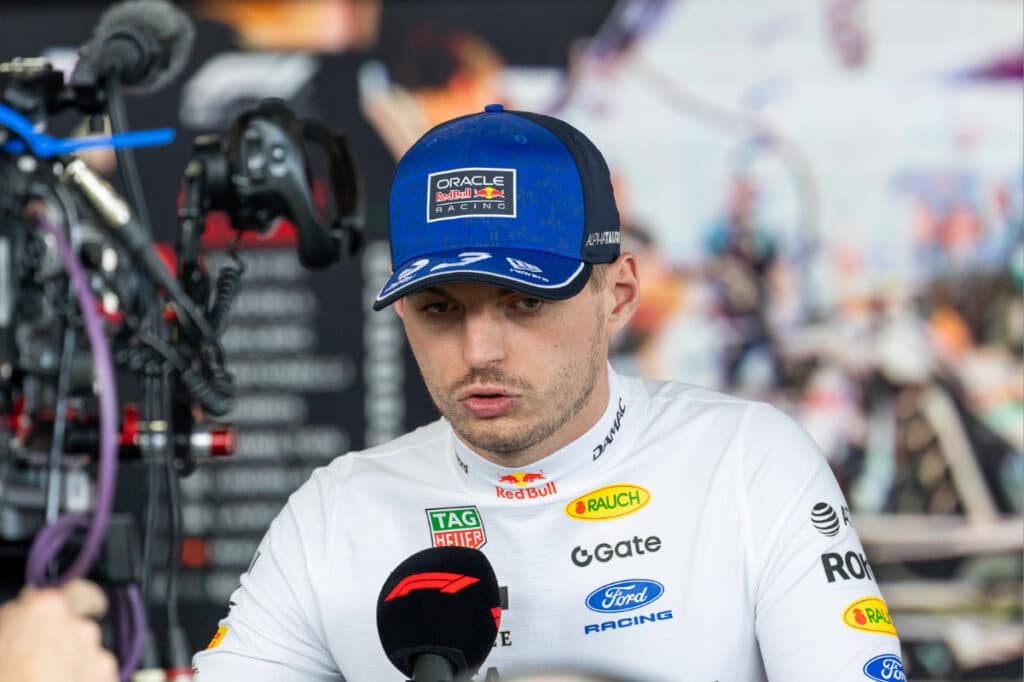
Verstappen again voiced strong criticism of the new generation of cars after the session.
“I’m definitely not having fun at all with these cars,” he said.
“The formula is just not correct.”
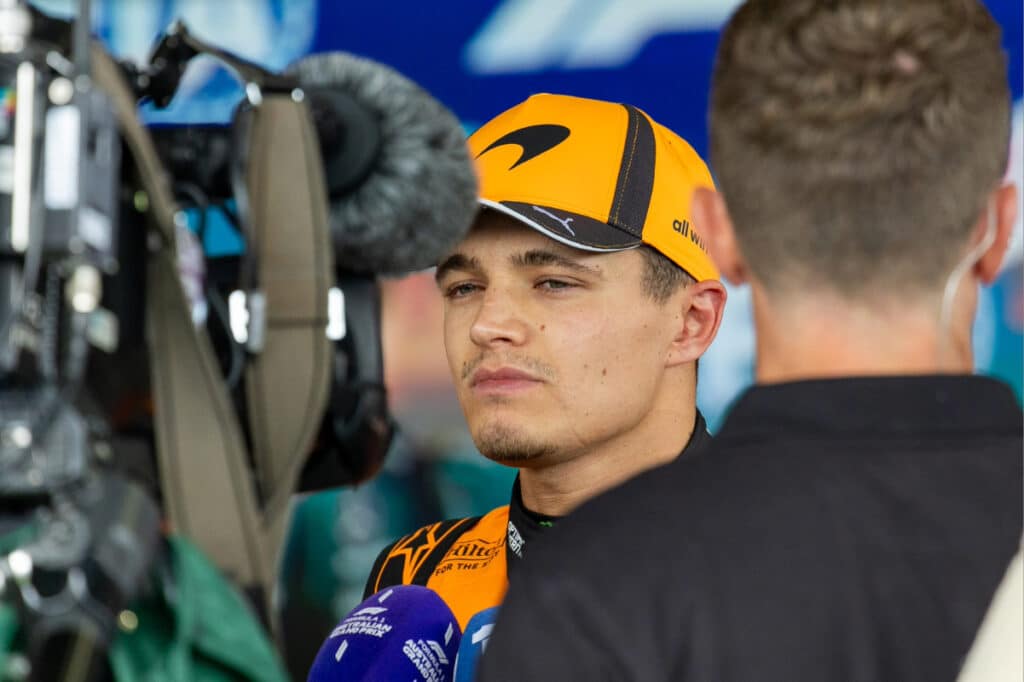
Even reigning champion Lando Norris admitted he struggled with the new systems during qualifying.
The McLaren driver explained that managing battery deployment and energy recovery distracted him so much that he failed to notice debris on the track during his lap.
Mercedes Set Early Benchmark for 2026
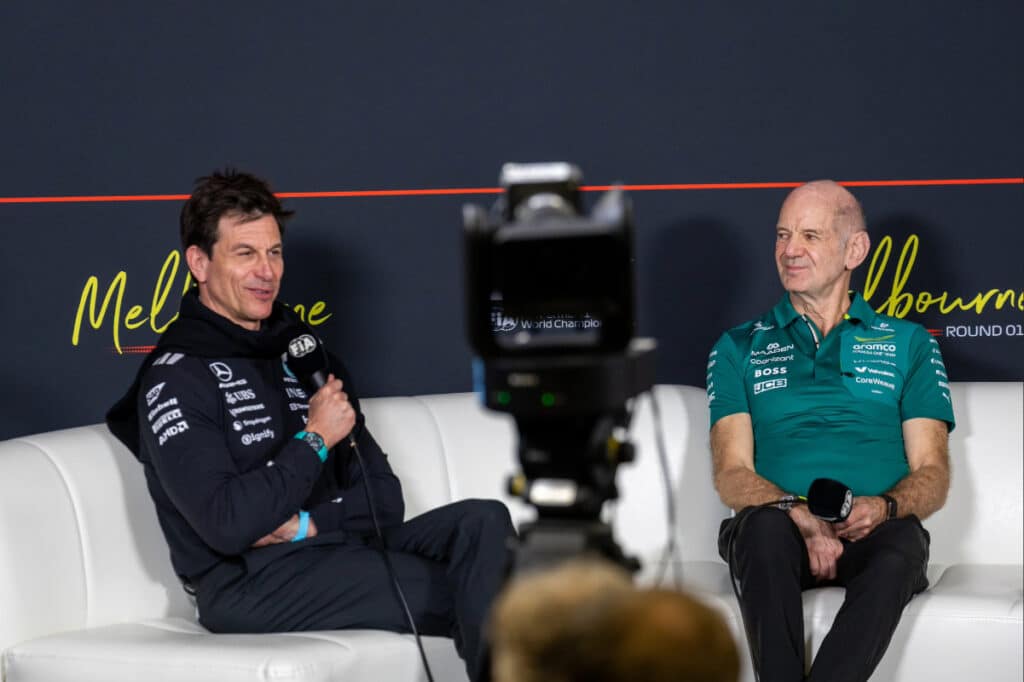
After the first qualifying session of the new Formula 1 era, one conclusion is difficult to ignore.
Mercedes appear to have interpreted the new regulations better than any other team.
Russell’s pole position and Antonelli’s recovery to second place underline the strength of the package.
Whether that advantage holds across a full race distance will become clear on Sunday.
But for now, the 2026 Formula 1 season begins with Mercedes firmly setting the benchmark.
Sunday will ultimately show which teams can execute perfectly — and which may lose ground through the smallest human mistakes, whether from driver or pit wall.
Read More