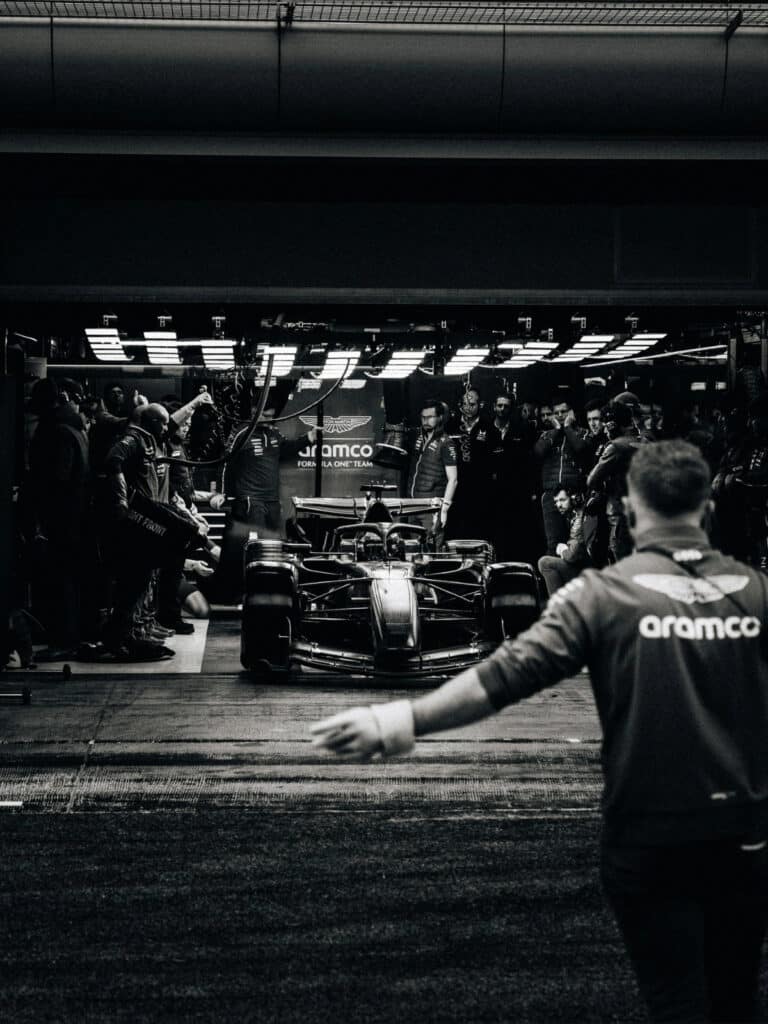

Aston Martin arrives at the Japanese Grand Prix facing a leadership and performance crisis that cannot be resolved overnight. Two major developments — the departure of Jonathan Wheatley from Audi and Adrian Newey stepping back from a team principal role — have intensified speculation about the team’s future direction.
Yet crucially, no official confirmation has been made regarding Wheatley joining Aston Martin. This leaves a central question unresolved: even if the move materialises, can it realistically change the trajectory of the 2026 season?
A Weekend of Announcements — But No Clarity
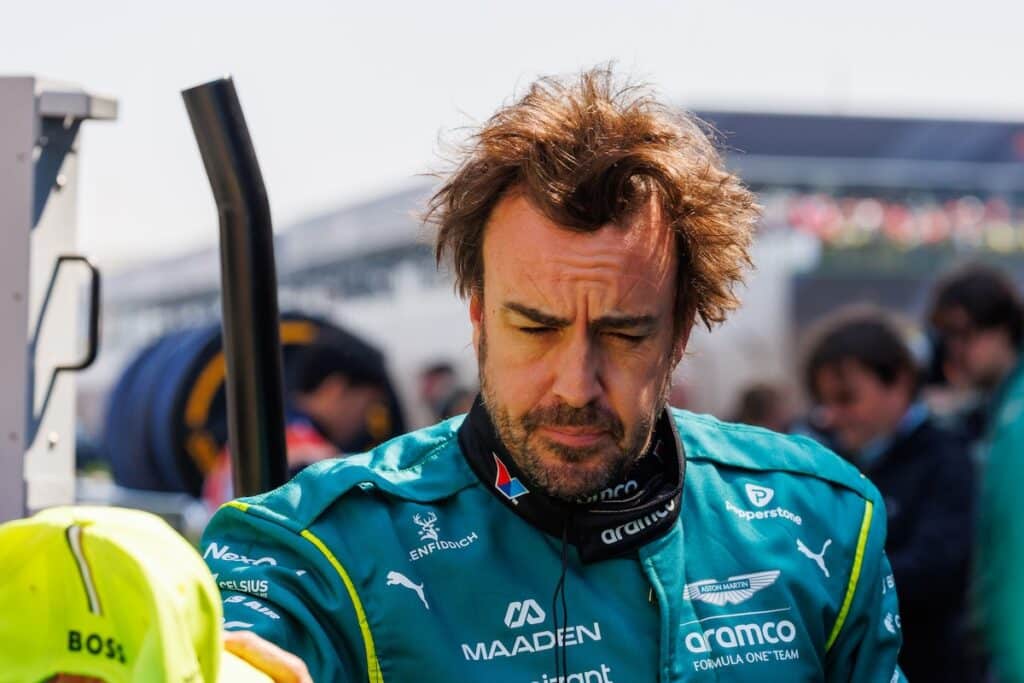
The backdrop to these developments is already concerning. After two races, Aston Martin has yet to finish a Grand Prix. Reliability issues linked to the Honda power unit — particularly vibration problems — suggest deeper structural weaknesses rather than short-term setup limitations.
Against this context, Audi confirmed on March 20 that Jonathan Wheatley would leave the team with immediate effect, citing “personal reasons.” Meanwhile, Lawrence Stroll issued a carefully worded statement clarifying Adrian Newey’s role as focused on “strategic and technical leadership,” rather than day-to-day team management.
This distinction is significant. It implicitly acknowledges a leadership gap at Aston Martin — one that has yet to be formally filled.
The Reality of F1 Transitions: Gardening Leave
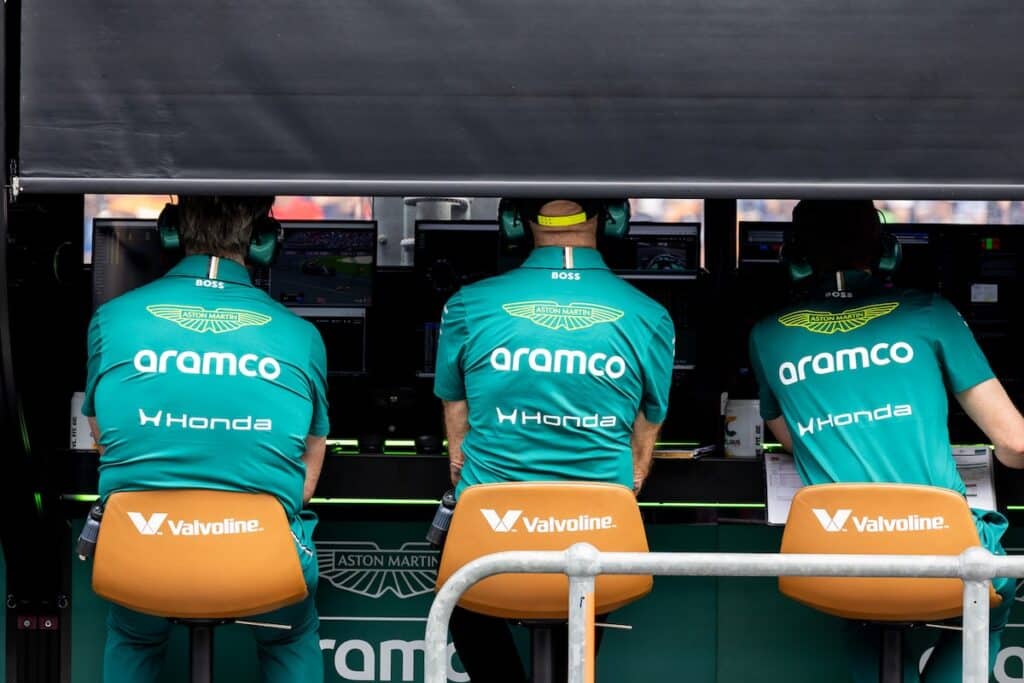
Even if Wheatley is Aston Martin’s preferred candidate, Formula 1’s contractual realities present a clear barrier. Senior personnel rarely transition directly between rival teams without a mandatory “gardening leave” period.
In practical terms, this delay is expected to last between three to six months. That timeline would push any meaningful operational influence from Wheatley to mid-season at best — more likely beyond the summer break.
For a team already struggling at the start of the campaign, that delay is decisive.
Why 2026 Is Already Slipping Away
The idea of a rapid turnaround from Suzuka is, realistically, misplaced. Aston Martin’s issues are systemic.
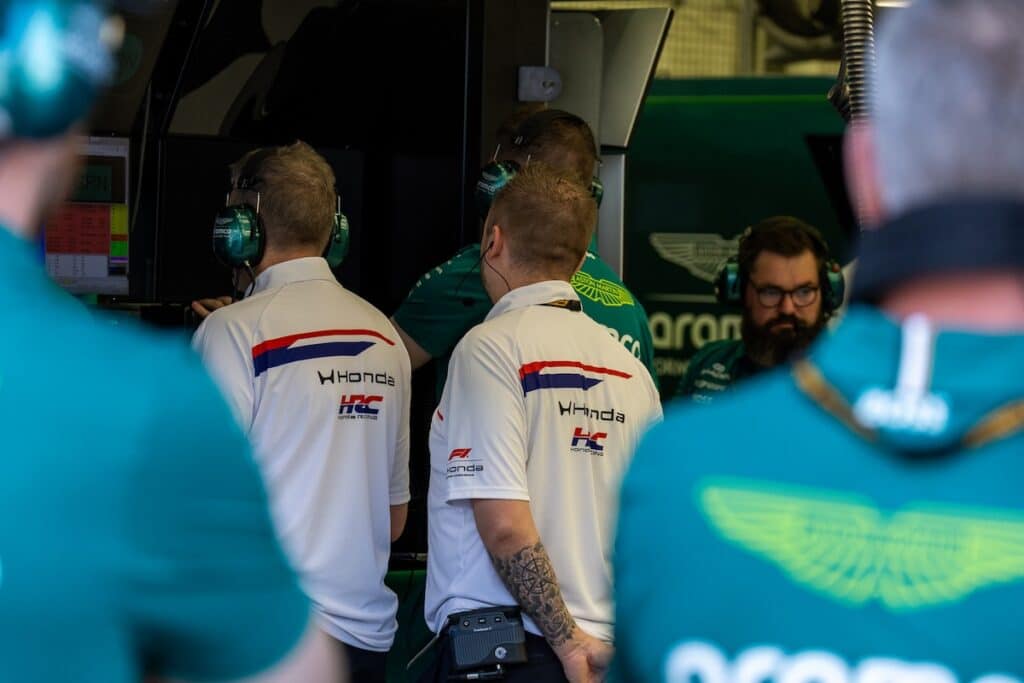
The Honda power unit requires fundamental engineering revisions to address its reliability concerns. This is not a matter of incremental upgrades, but structural redesign — a process that demands time, testing, and iteration.
At the same time, organisational instability remains unresolved. Leadership clarity, operational cohesion, and internal accountability cannot be imposed instantly. These are cultural factors that develop over a full season or longer.
For drivers like Fernando Alonso, expectations must therefore shift. In Japan, success may simply mean finishing the race — a modest target that reflects the current state of the project.
Watch the Full Analysis
For a detailed breakdown of Aston Martin’s situation, including the implications of Wheatley’s potential move and Newey’s repositioning, watch the full report below:
A Long-Term Fix, Not an Immediate Solution
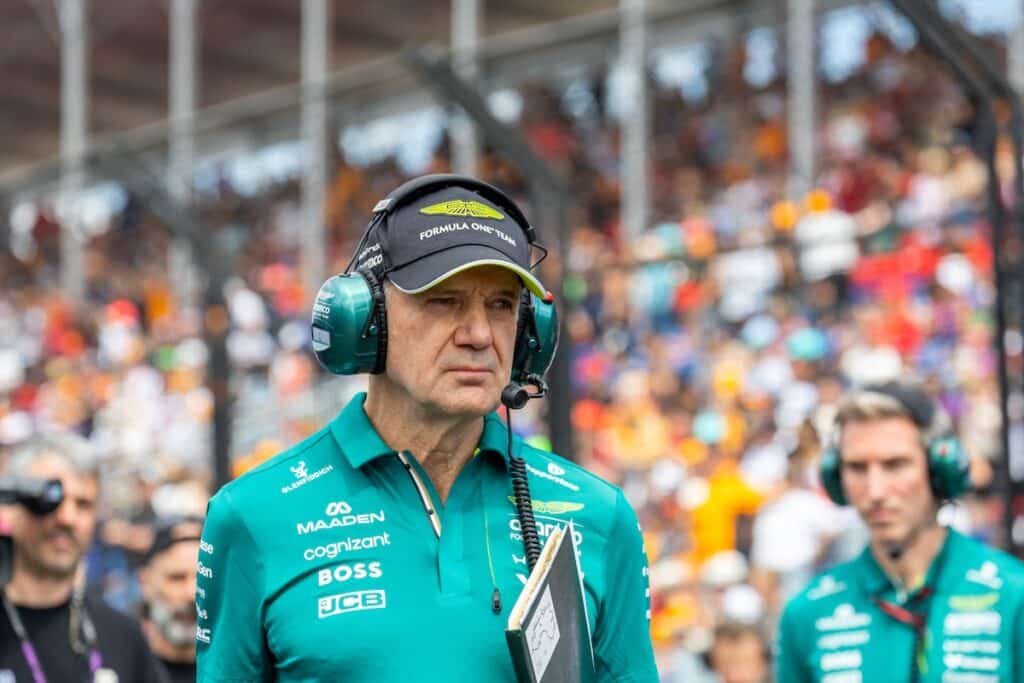
There is a credible long-term vision in place. Adrian Newey remains one of the sport’s leading technical minds, and Jonathan Wheatley is widely regarded as a highly effective operator in race management and team structure.
However, these strengths alone cannot offset the immediate challenges.
Aston Martin’s core issue is organisational. And in Formula 1, that is the most complex problem to solve — particularly under the pressure of an active season.
The pieces of the puzzle are now visible. But for 2026, the picture remains incomplete.
Read More
- Bahrain & Saudi Arabian Grand Prix Cancelled: What F1 Fans and Teams Need to Know
- Kimi Antonelli Wins 2026 Chinese Grand Prix as Mercedes Dominate Early Season
- Stars, Speed & Shanghai: The Celebrities Who Lit Up the 2026 F1 Chinese Grand Prix
- Antonelli Becomes Youngest Polesitter in F1 History at Chinese Grand Prix