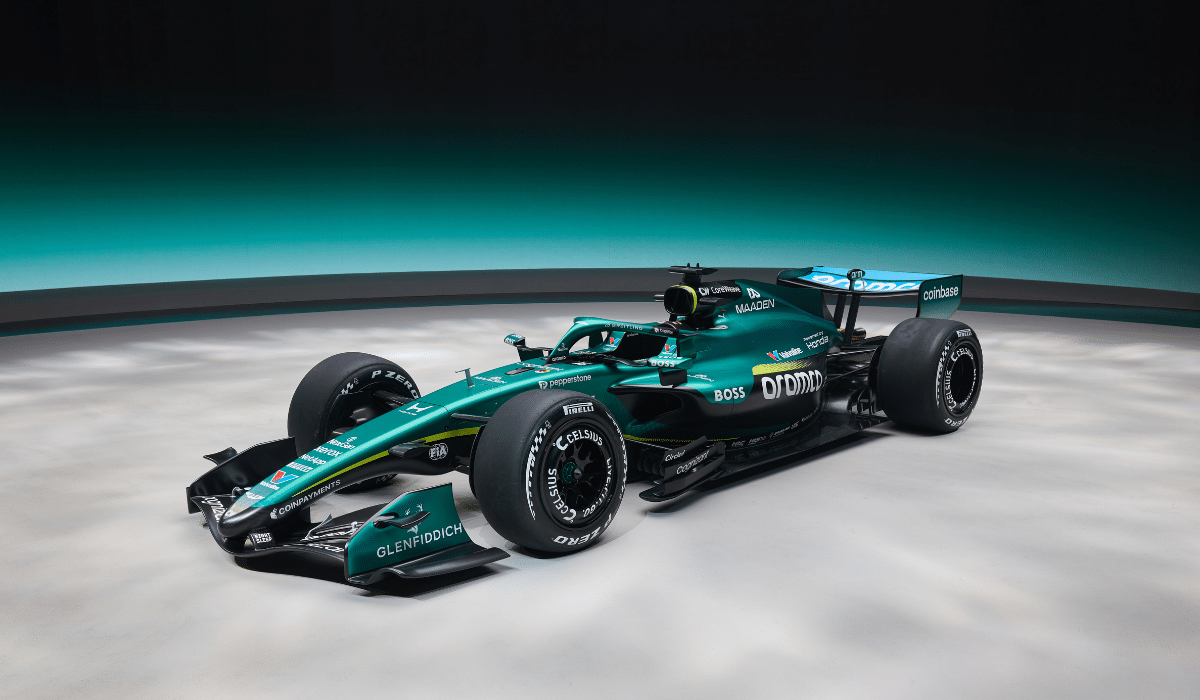
The 2026 season represents a decisive chapter for Aston Martin F1 Team, and at its centre stands Fernando Alonso. The unveiling of the AMR26 in Saudi Arabia was more than a car launch; it was a public statement of intent shaped by new leadership, a fresh engine partnership with Honda Racing Corporation, and the technical authority of Adrian Newey.
A Desert Stage for a British Vision
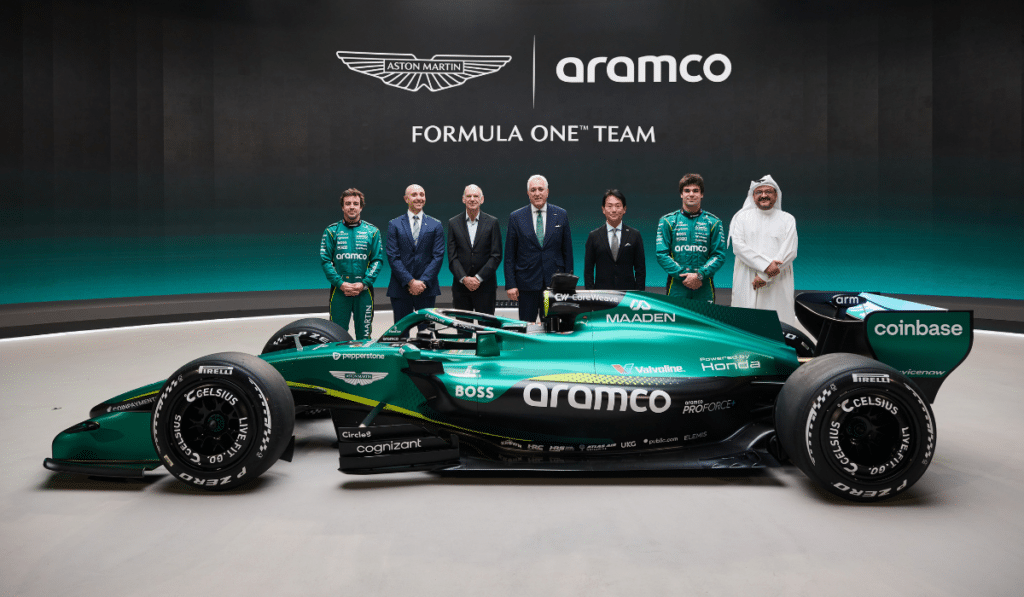
Under the controlled lighting of the Ithra cultural centre in Dhahran, the AMR26 appeared in a deeper, matte interpretation of British Racing Green — less theatrical, more assured. Black detailing framed the bodywork, while Aramco blue stood out with deliberate clarity against the restrained palette. The setting, curated and ceremonial, reflected a team eager to project stability after years of rebuilding. On stage, the smiles were measured rather than exuberant, suggesting confidence tempered by awareness of what still lies ahead.
The Architecture of Authority
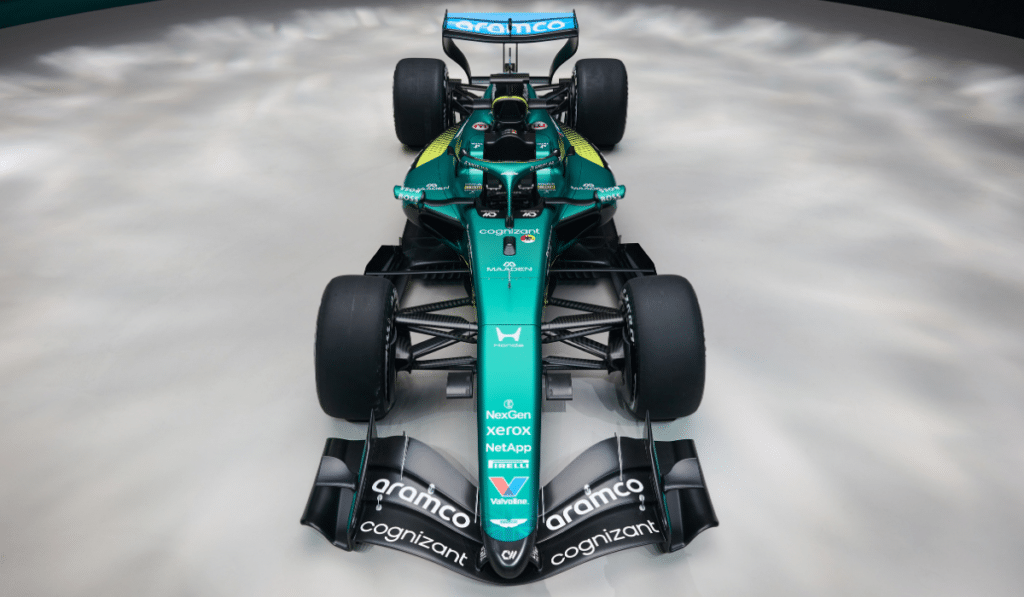
Behind the aesthetic restraint sits an ambitious structure. Aston Martin has invested heavily in infrastructure at Silverstone, culminating in a full works partnership with Honda and the arrival of Adrian Newey to guide technical philosophy. The AMR26 carries familiar hallmarks of his approach — tight packaging, compact sidepods, and an aerodynamic concept centred on airflow beneath the floor. For Alonso, driving this project is as much about aligning with Newey’s long-term vision as it is about chasing immediate results.
Fernando Alonso’s Measured Beginning
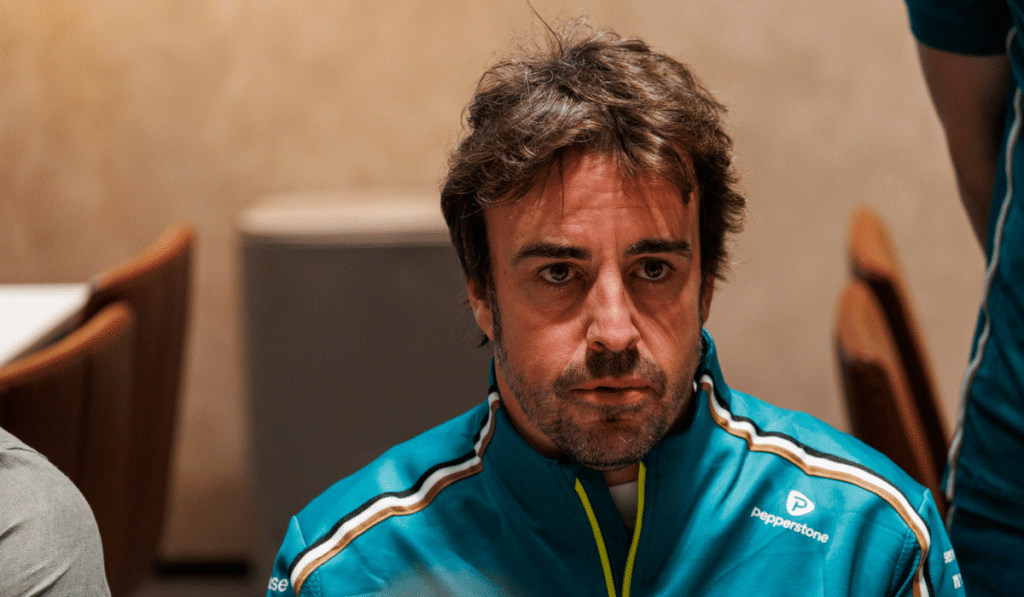
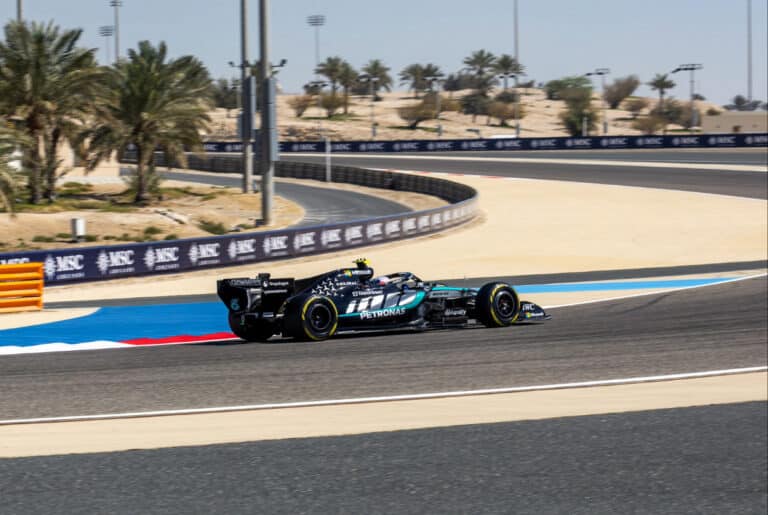
Alonso has described 2026 as “a new beginning,” yet his tone remains pragmatic. The Bahrain test is framed not as a proving ground for glory, but as a laboratory for understanding. He has already suggested that the second half of the season will be more revealing than the first, signalling patience rather than expectation. With his contract due for renegotiation, this year becomes a benchmark — not only for the car’s competitiveness, but for whether the partnership retains its mutual conviction.
Barcelona’s Quiet Signals
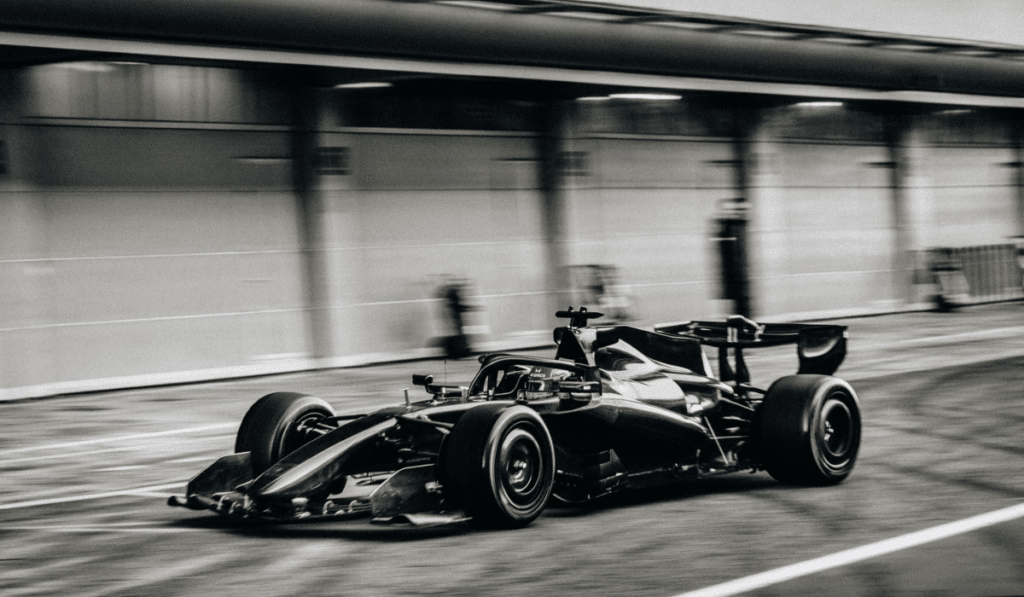
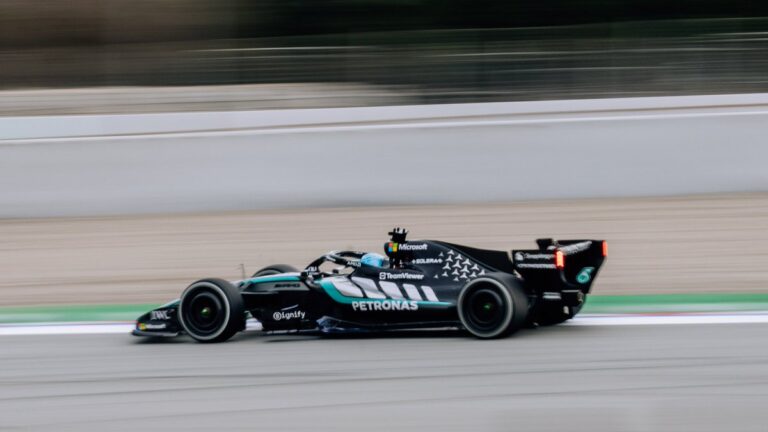
Winter running in Barcelona offered a more subdued narrative. The AMR26 appeared later than several rivals and completed the fewest laps, focusing largely on installation work and system checks. Development delays linked to the team’s new wind tunnel placed preparations several months behind schedule, according to Newey. Meanwhile, Honda’s integration process continues in parallel, creating a picture of a project still settling into its new rhythm.
Shifting Influence Behind Closed Doors
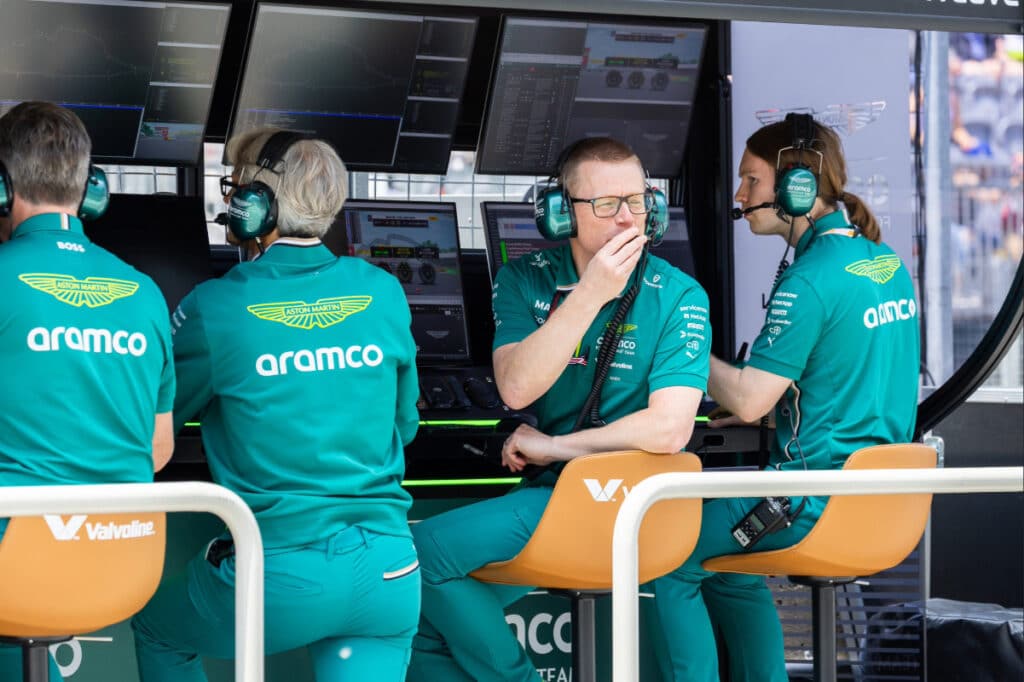
Beyond the launch stage, internal recalibration has become a defining theme. Reports suggest that responsibilities within the organisation are being reshaped, with particular focus on Andy Cowell’s evolving position. Once central to the broader rebuild, Cowell transitioned from team principal duties into a strategic role intended to strengthen ties with Honda, yet speculation now points toward a potential departure.
Such movements inevitably alter the internal balance. Newey’s influence appears to be expanding, granting him both greater authority and heavier responsibility. For some within the paddock, clarity of vision under a singular technical leader is reassuring; for others, the concentration of decision-making carries inherent risk, particularly in a project still integrating new partners and processes.
Power, Patience, and Public Expectation
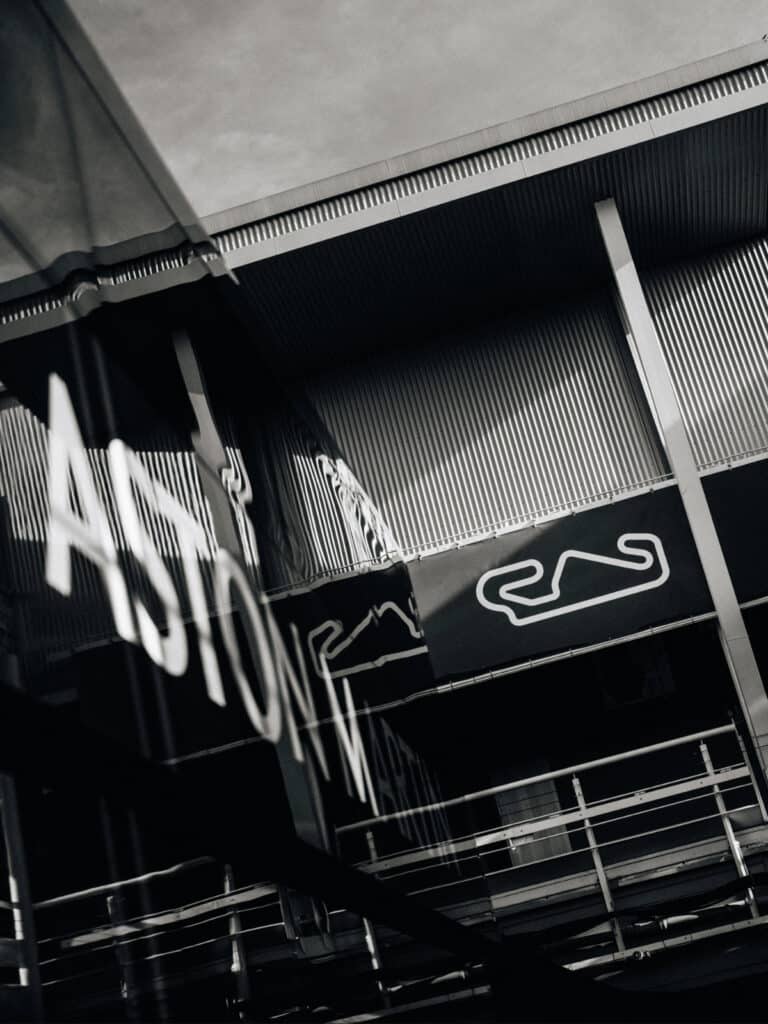
Aston Martin has assembled the ingredients of a formidable contender: world-class facilities, a full works engine partnership, and the most decorated designer of the modern era. Yet Formula One rarely rewards investment alone. What appears coherent on paper must withstand the scrutiny of competition, regulation, and internal cohesion.
For Alonso, the AMR26 represents more than machinery. It is a test of alignment — between driver and designer, factory and partner, ambition and patience. Bahrain will offer early indications, but the deeper evaluation will unfold gradually, shaped as much by culture and clarity as by performance itself.
Read More