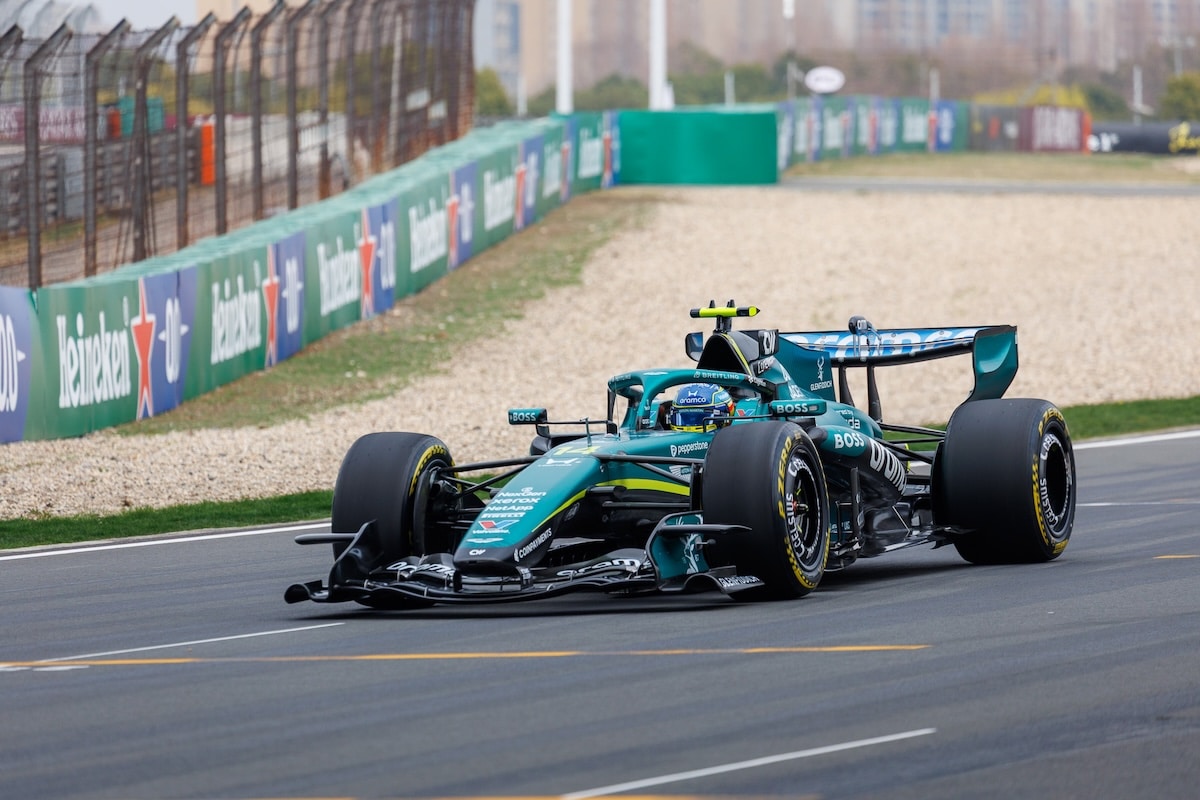
With Adrian Newey at the helm, Fernando Alonso in the cockpit, and Honda power under the bonnet, Aston Martin enters 2026 as Formula 1’s most watched team — but the weight of expectation may prove its greatest obstacle.
▶ Watch the Aston Martin full in-depth analysis on The Motion Report →
A team built to win — but is it ready?
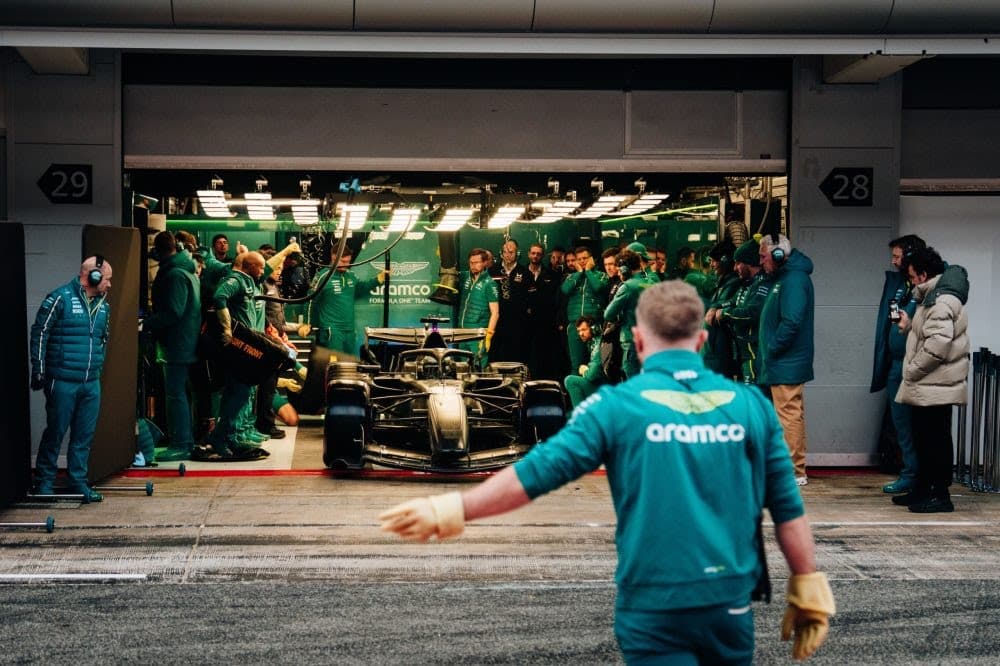
No team in the 2026 Formula 1 grid carries heavier expectations than Aston Martin Aramco F1 Team. A gleaming new factory, the legendary design genius of Adrian Newey, a full manufacturer partnership with Honda, and near-unlimited financial firepower from owner Lawrence Stroll have combined to create what many in the paddock describe as a title contender in waiting.
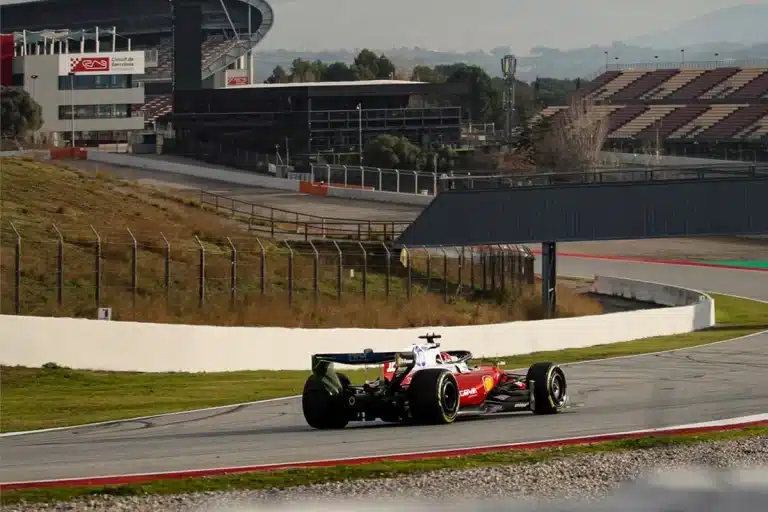
Yet pre-season testing in Barcelona told a more cautious story ahead of the Formula 1 2026 season. While Mercedes, Ferrari, and McLaren logged heavy mileage and refined their setups, Aston Martin appeared to still be validating basic systems — a step behind the pack before the season had even begun.
The pressure on Alonso and Honda
Fernando Alonso himself acknowledged a gruelling winter, describing the car’s development as “very, very intense.” For a two-time world champion at 43, the margin for error is thin. Should results disappoint, the narrative of decline will follow quickly.
“Formula 1 rarely rewards speed of ambition — even the most efficient organisations on the grid required years of continuity before turning potential into sustained results.”
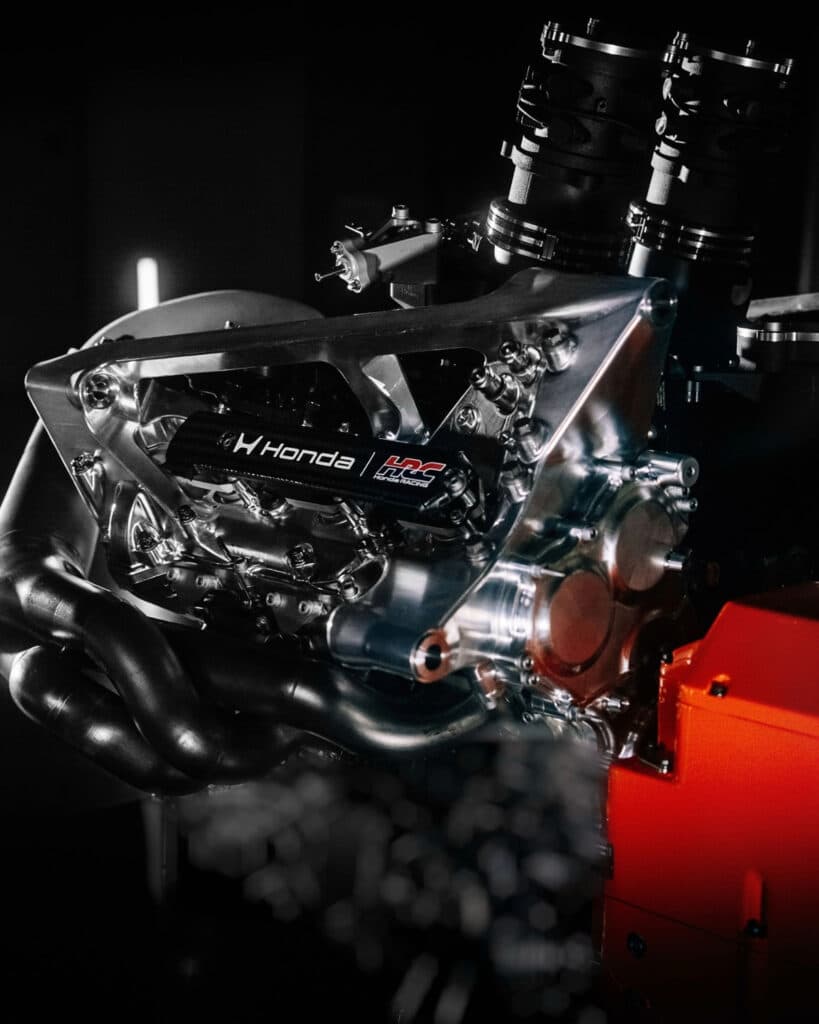
Honda, meanwhile, faces structural questions of its own. After a stop-start return to the sport, the Japanese manufacturer enters the new power unit era with fewer development resources than rivals — and new battery regulations that reportedly present significant challenges.
The accountability question
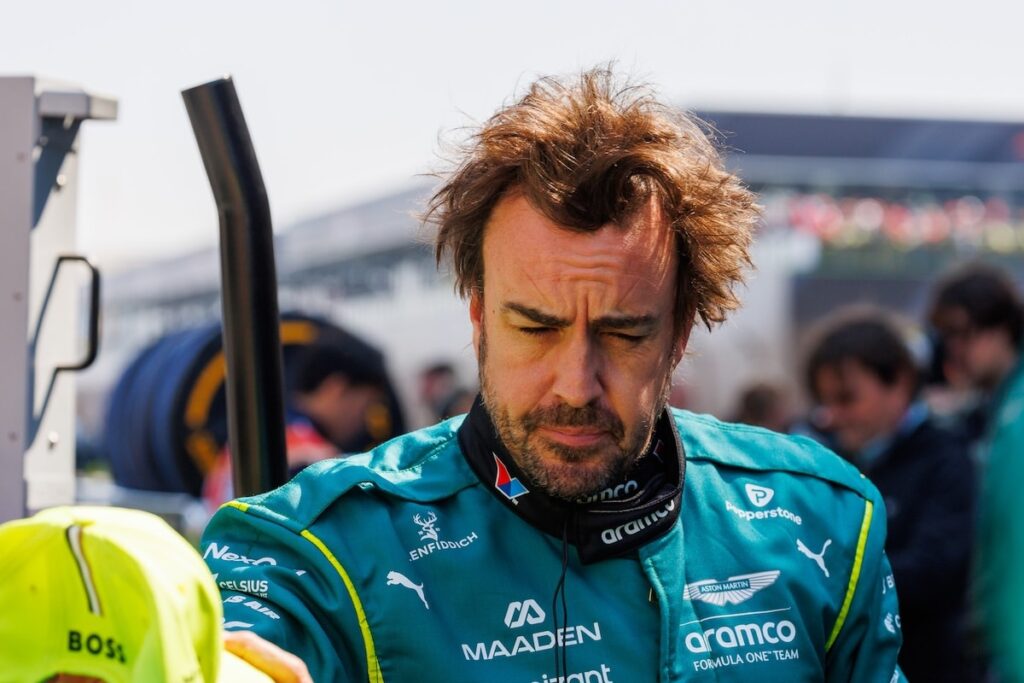
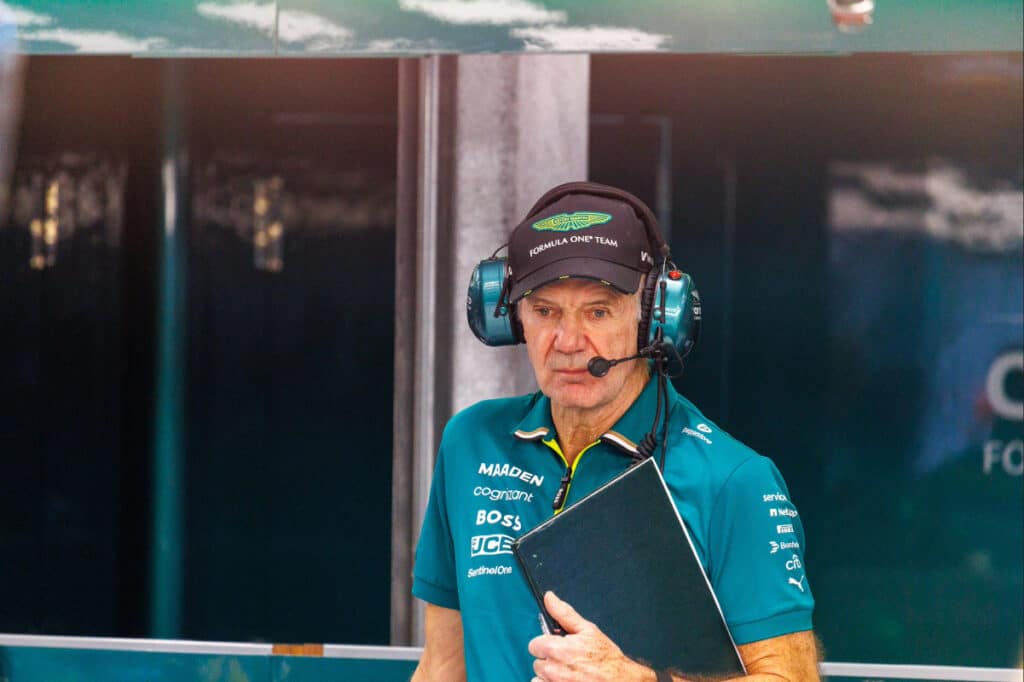
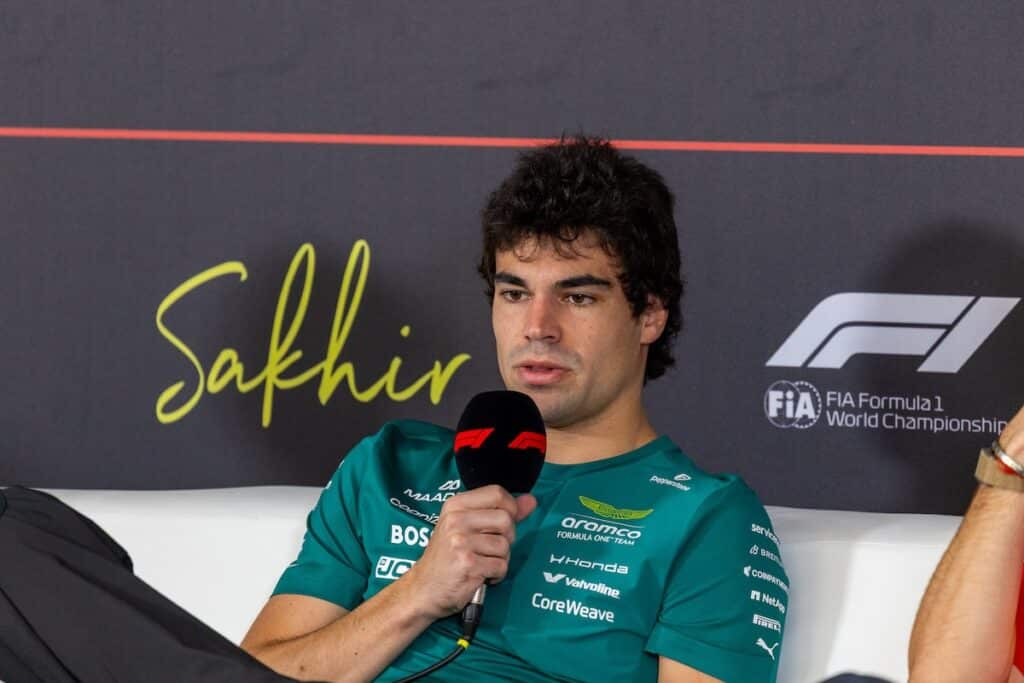
When expectations are missed in Formula 1, blame rarely falls evenly. At Aston Martin, Lawrence Stroll and Adrian Newey are effectively untouchable. Lance Stroll’s seat is a structural constant. That leaves Alonso and Honda most exposed — visible, contracted, and without the political protection afforded to others within the organisation.
Whether 2026 becomes a breakthrough year or another transitional chapter will depend on whether every layer of the operation — from power unit to pit wall — performs at its peak simultaneously. In Formula 1, that rarely happens on demand.
▶ Adrian Newey, Alonso, Honda — who carries the blame if Aston Martin fails? → Watch now on The Motion Report
#AstonMartinF1 #Formula12026 #AdrianNewey #FernandoAlonso #HondaF1 #F1Analysis
Read More
- Haas F1 2026: Three Races, Three Points Finishes — and the Toyota Story Nobody Is Telling
- Aston Martin at the 2026 Japanese Grand Prix: One Finish, One DNF and the Hard Truths Nobody Could Hide
- F1 2026’s Super Clipping Crisis: Bearman’s Suzuka Crash Was a Warning Nobody Acted On
- Is Max Verstappen About to Quit Formula One? The Red Bull Crisis Nobody Is Talking About