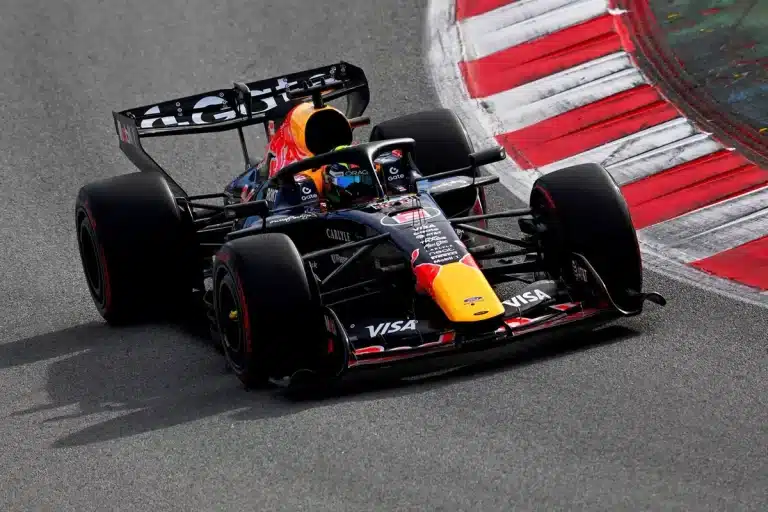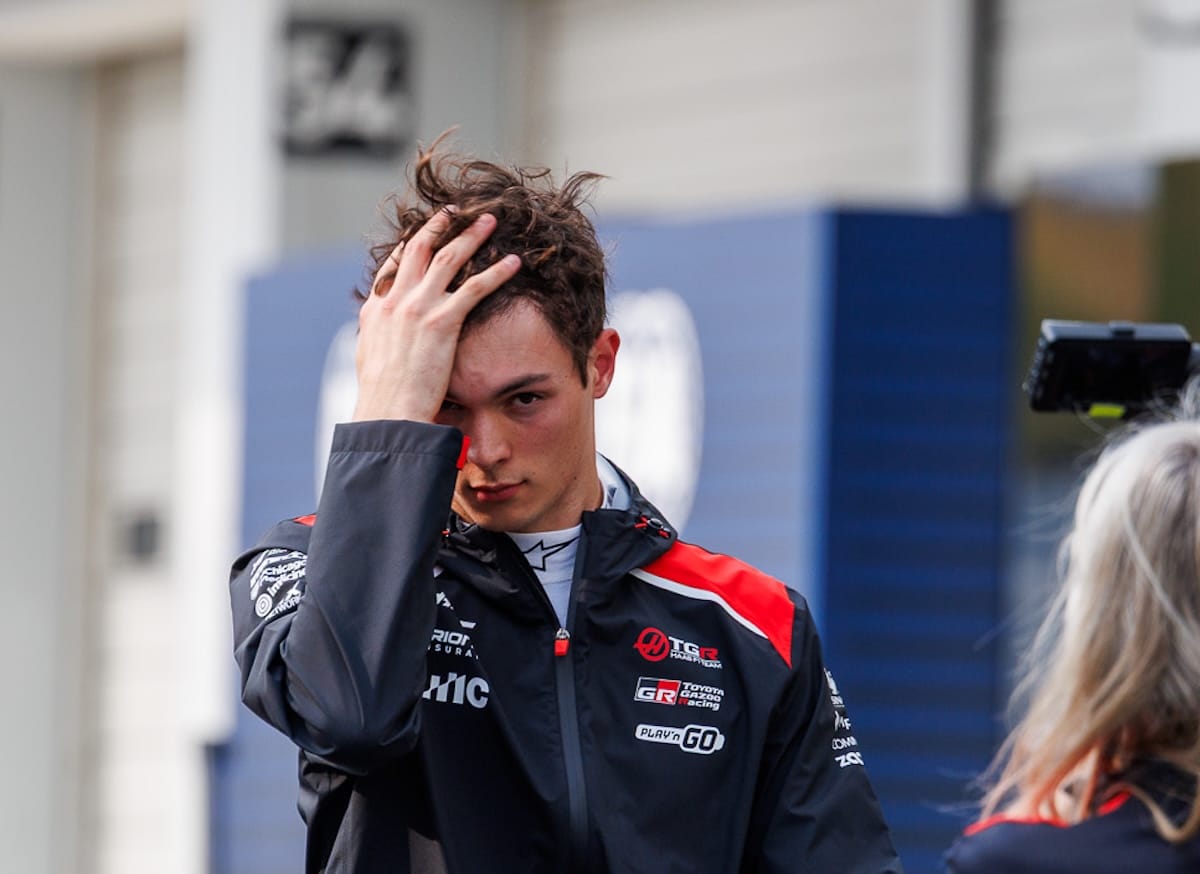
Before the Japanese Grand Prix started, Fernando Alonso described overtaking in 2026 as not really overtaking — but evasive manoeuvres. On lap 23 at Suzuka, his words became reality. Oliver Bearman closed on Franco Colapinto at 50 kilometres per hour faster than the car ahead, ran out of space, and hit the barrier at over 190mph. The impact registered 50G. He climbed out limping. X-rays confirmed no fractures — only a knee contusion. He was lucky. Every driver in the paddock knew it.
▶ Watch the full analysis on The Motion Report →
What Is Super Clipping — and Why Is It Dangerous?
Under the 2026 regulations, cars carry roughly 350kW of electrical power — nearly half their total output. When a car harvests energy on a straight, it effectively slows while appearing to remain flat out. The following driver cannot predict it, cannot judge it, and cannot react in time. Bearman was deploying. Colapinto was harvesting. The gap disappeared in an instant.
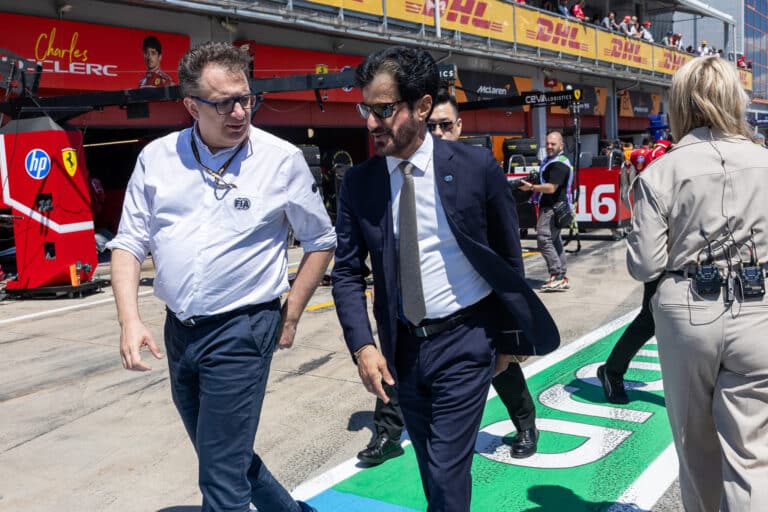
Drivers had flagged this exact scenario to the FIA at the Friday briefing — two days before the crash. The stewards were told. The race went ahead regardless.
The FIA Reviewed This After China. And Waited.
After the Chinese Grand Prix, the FIA reviewed the data and concluded no immediate changes were necessary. Three weeks later, Bearman was in the barrier at 50G. Carlos Sainz, speaking for the Grand Prix Drivers Association, was direct — the GPDA had been extremely vocal that the problem existed not only in qualifying but in racing conditions too. He then delivered the line that should focus every mind at the FIA before Miami: imagine this happening in Baku, Singapore, or Las Vegas. Those circuits have walls, not runoff areas.
Three Solutions. No Simple Answers.
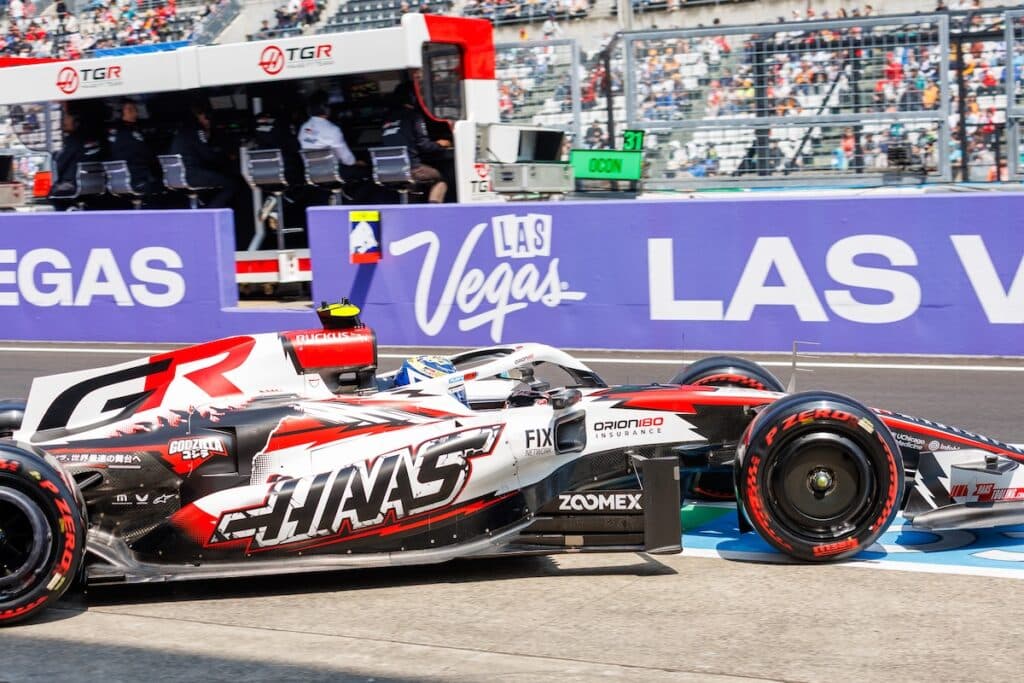
Three options are under discussion ahead of the April meetings. Reducing total battery charge and discharge across a lap. Capping electrical motor output from 350kW to closer to 200kW. Or Andrea Stella’s specific proposal — a super clipping speed ceiling of 350km/h. Each carries consequences. Each risks creating new problems while solving the original one. The April simulation window exists precisely to work through that complexity before Miami.
The tension, however, is real. The 2026 regulations are producing better racing than 2025. The super clipping that makes the sport frightening is also part of what makes it exciting. Any intervention risks removing the very thing making the racing worth watching.
The drivers need to be heard in those April meetings. Not just the teams.
▶ Full breakdown — watch now on The Motion Report →
Tags: F1 2026 super clipping, Oliver Bearman crash Suzuka, FIA 2026 regulations, Japanese Grand Prix 2026, GPDA Carlos Sainz, F1 safety 2026, Andrea Stella, energy management F1
Super clipping occurs when one car harvests energy on a straight, slowing dramatically while appearing to stay flat out, creating unpredictable and dangerous closing speeds for the following driver.
Bearman closed on Franco Colapinto at approximately 50km/h faster due to an energy harvesting differential between the two cars, a scenario drivers had warned the FIA about two days before the race.
Read More
- Is Max Verstappen About to Quit Formula One? The Red Bull Crisis Nobody Is Talking About
- F1 2026 Japanese Grand Prix Race Report: Antonelli Wins at Suzuka to Lead the Championship
- F1 2026 Japanese Grand Prix Qualifying: Antonelli on Pole, Verstappen Out in Q2
- F1 2026 Japanese Grand Prix: Friday Practice Report from Suzuka — FP1, FP2 and the Stories Behind the Times