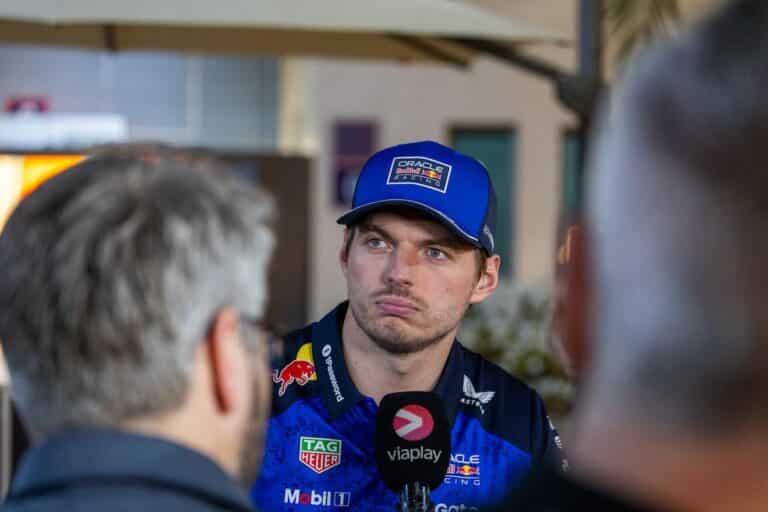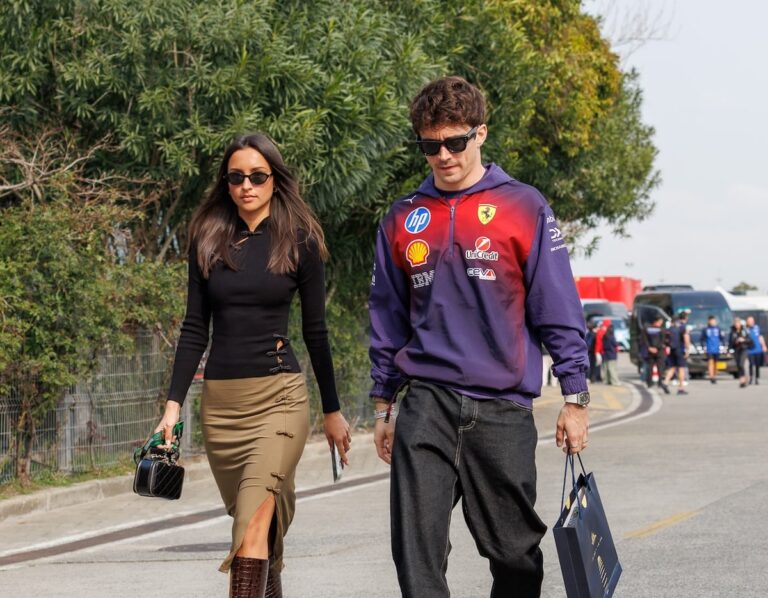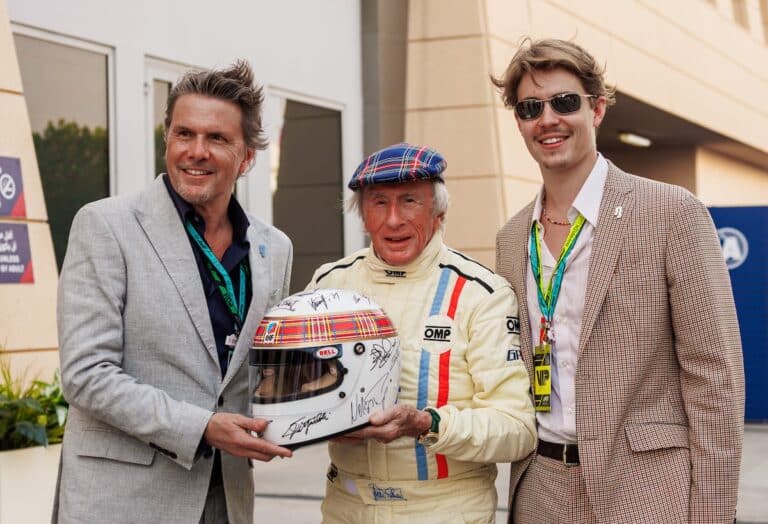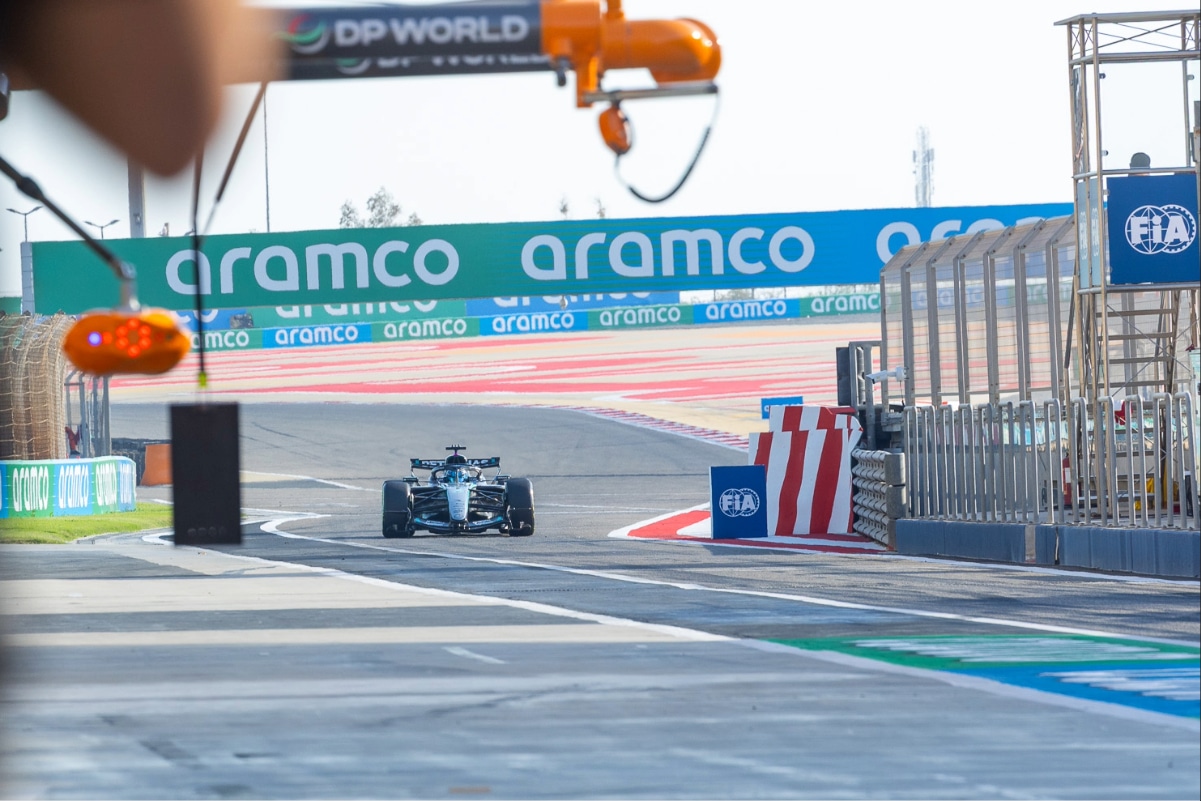
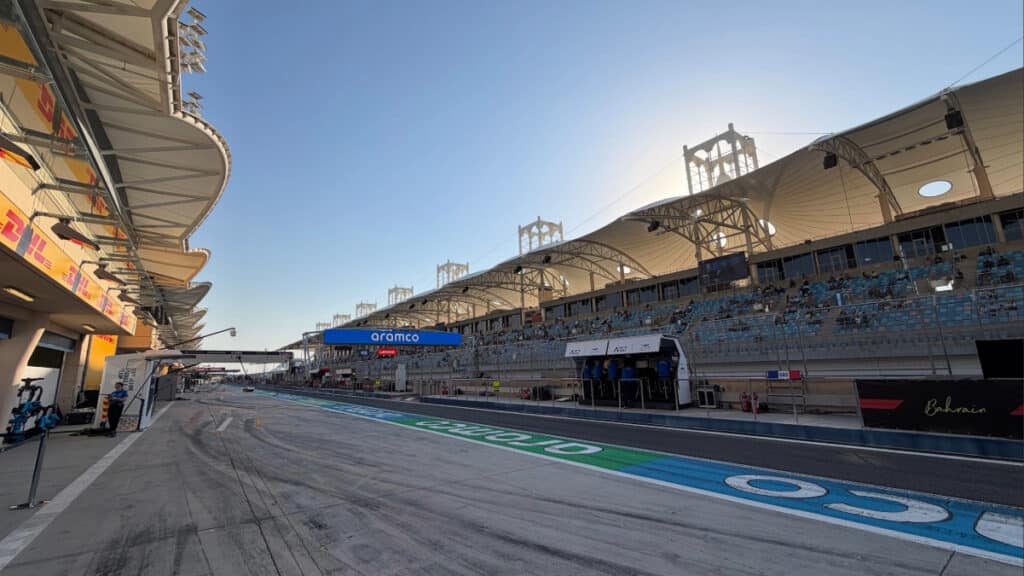
Under the Sakhir sun, the Bahrain paddock shifted decisively into season-launch mode. Netflix’s Drive to Survive production team was visible throughout the circuit, briefing media as the series returned for its eighth season. Filming for season nine is already underway — a quiet but telling signal of the show’s sustained popularity.
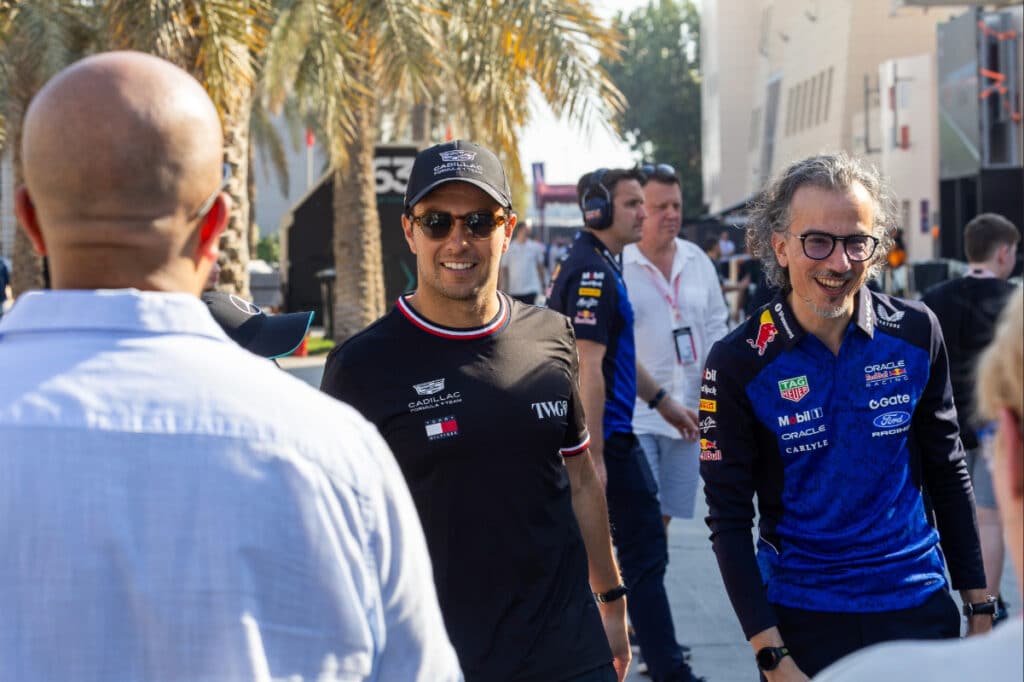
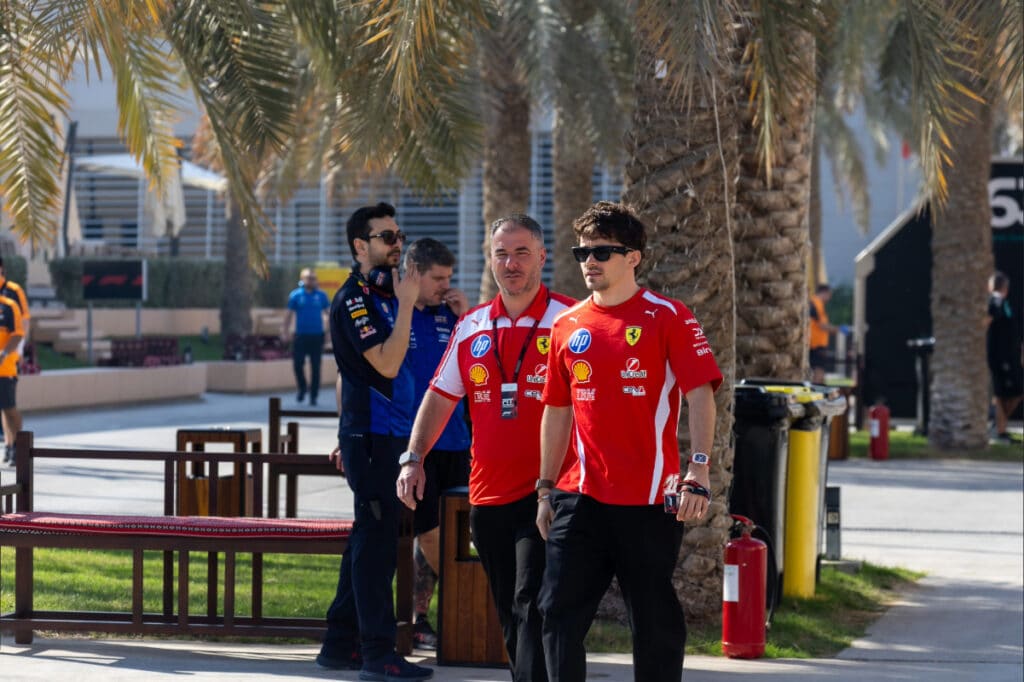
The atmosphere reflected the transition from testing to competition. The paddock was noticeably busier on the final day, fans filled grandstands trackside, and drivers paused for selfies with guests and family. The 2026 season no longer felt theoretical.
But not every garage shared the optimism.
Honda Battery Issue Hampers Aston Martin Programme
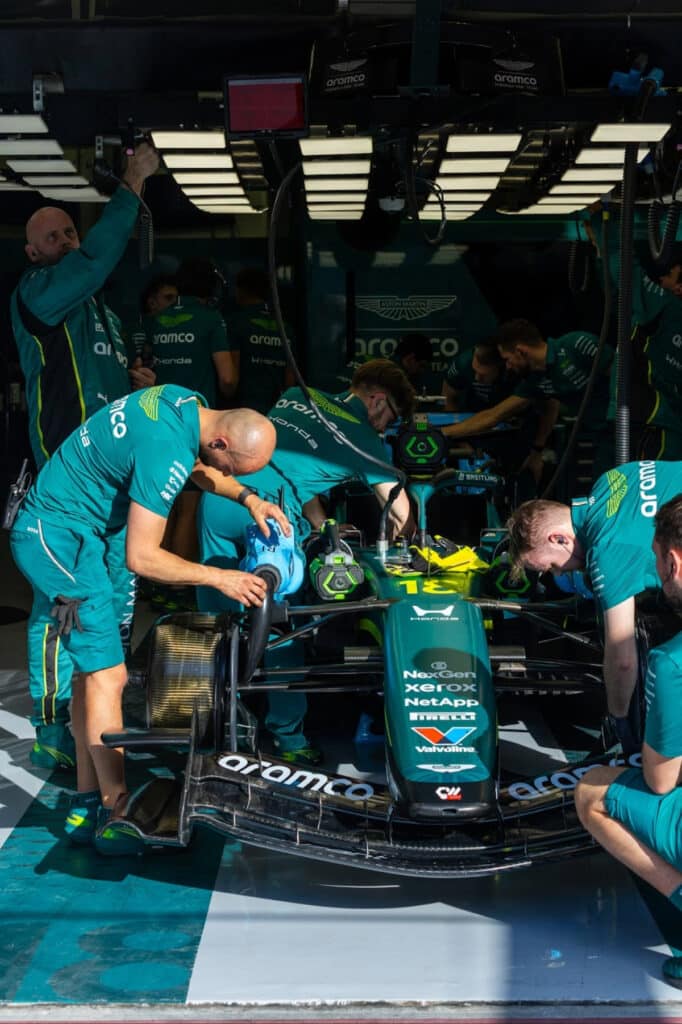
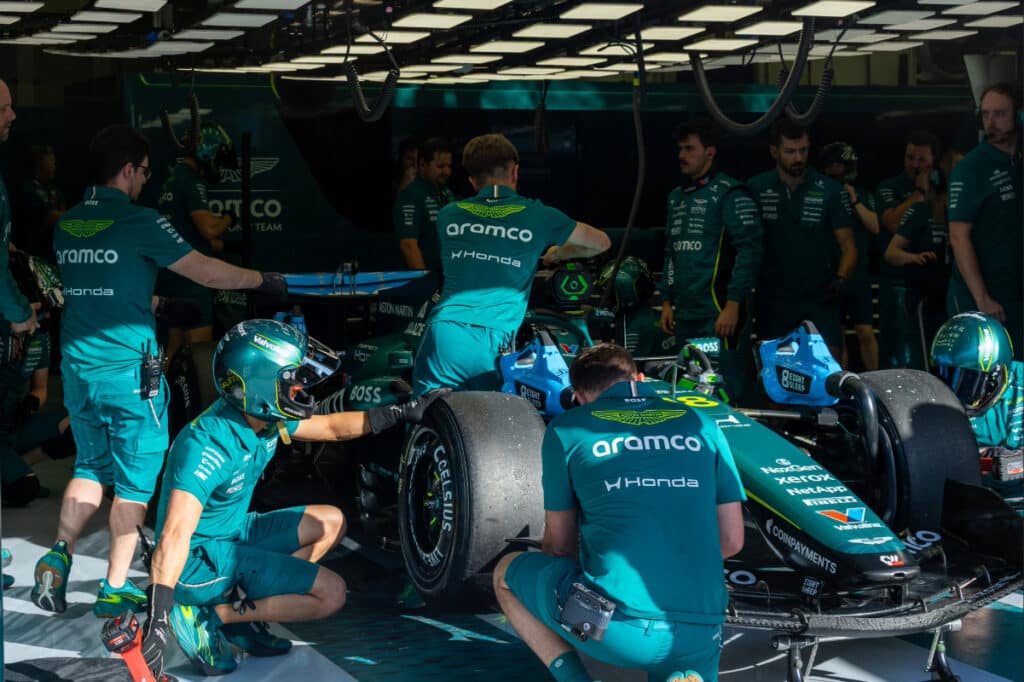
Friday morning brought confirmation from Honda that a battery fault had been detected after Fernando Alonso’s final run on Thursday. Overnight analysis in Sakura identified the issue, but limited replacement components in Bahrain forced Aston Martin to reduce its running to a minimal programme.
The consequences were significant: negligible mileage, no representative data, and a frustrating conclusion to an already difficult pre-season for the Aston Martin–Honda partnership.
The contrast across the pit lane was stark. At the front, execution remained composed. Mercedes continued clean operations, Ferrari impressed in traction and start simulations, McLaren remained firmly competitive, and Red Bull stayed embedded within the leading group.
Aston Martin, by comparison, struggled simply to circulate.
Lance Stroll managed only six laps before the team shut down entirely with roughly two and a half hours remaining. There was no meaningful performance work and no opportunity to refine the package ahead of Melbourne.
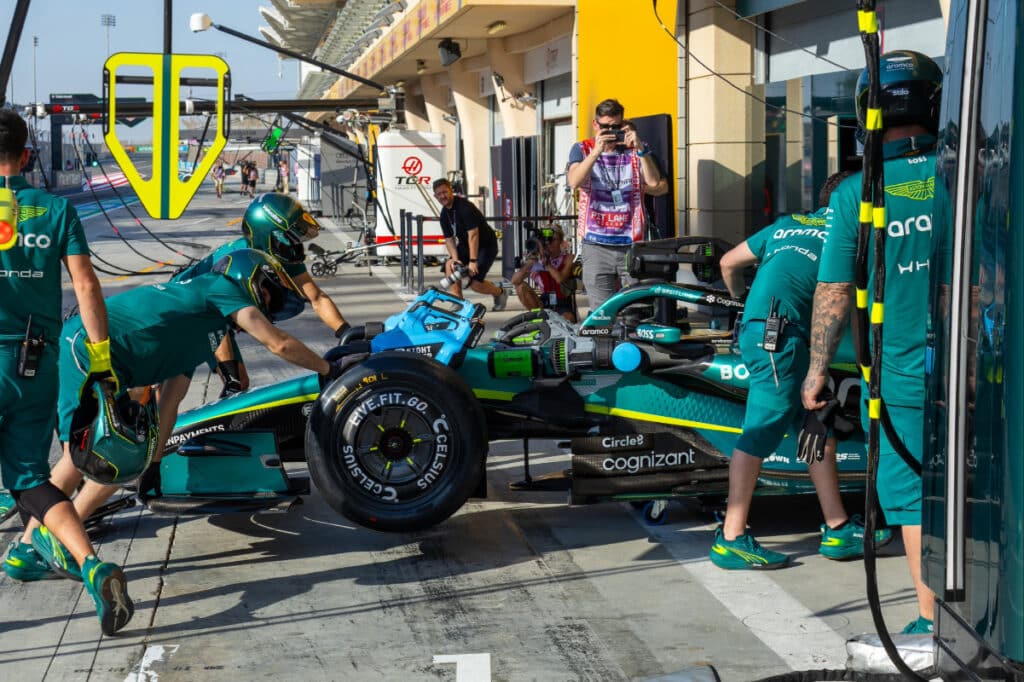
The mileage figures illustrate the scale of the deficit. Across the second Bahrain test alone, Aston Martin completed 128 laps over three days. Mercedes exceeded that total on each individual day. Including Barcelona, Aston Martin’s overall pre-season distance stands at approximately 2,110 kilometres — significantly behind Cadillac at around 3,930 kilometres and Audi approaching 5,000.
Performance was equally sobering, with Aston Martin finishing at the bottom of the combined classification.
In a regulation reset year, preparation is currency. On that metric, Aston Martin leave Bahrain underprepared.
Ferrari Close Strongest in “Power Hour”
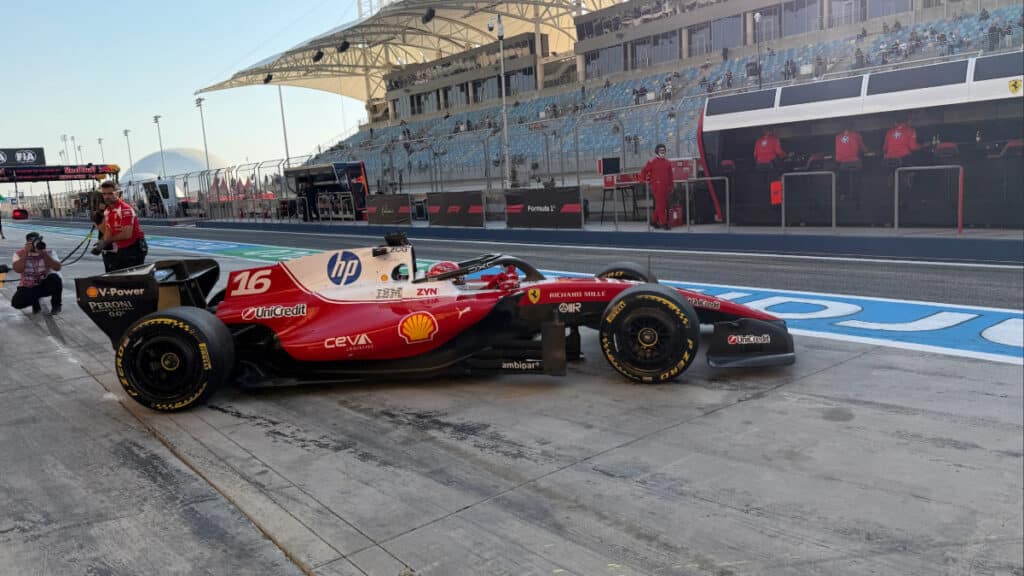
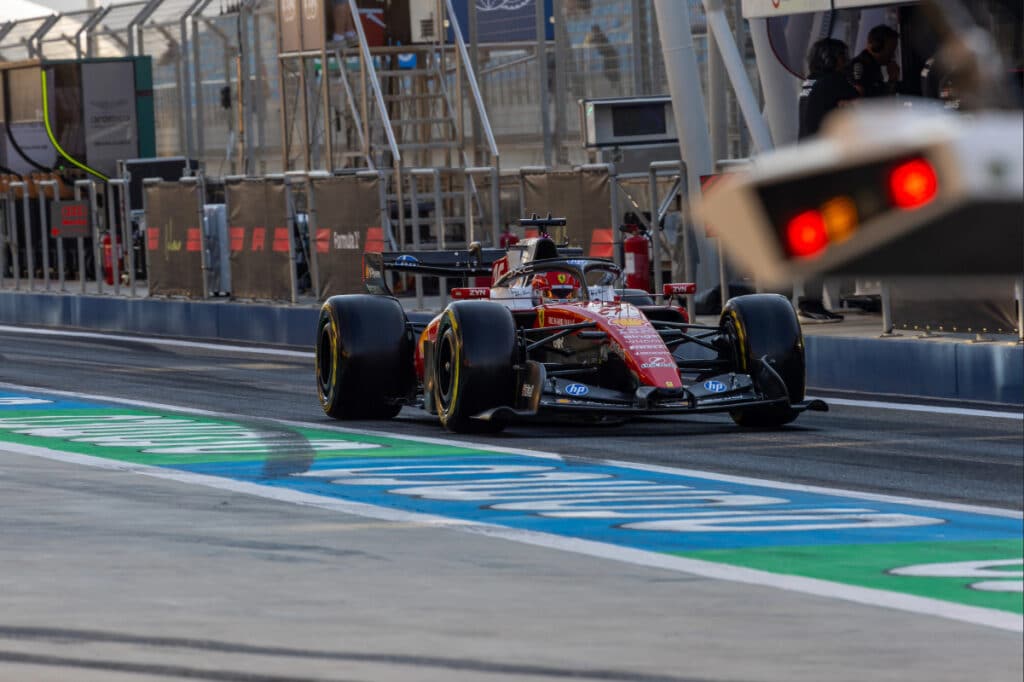
While Aston Martin packed up early, Ferrari moved decisively in the opposite direction.
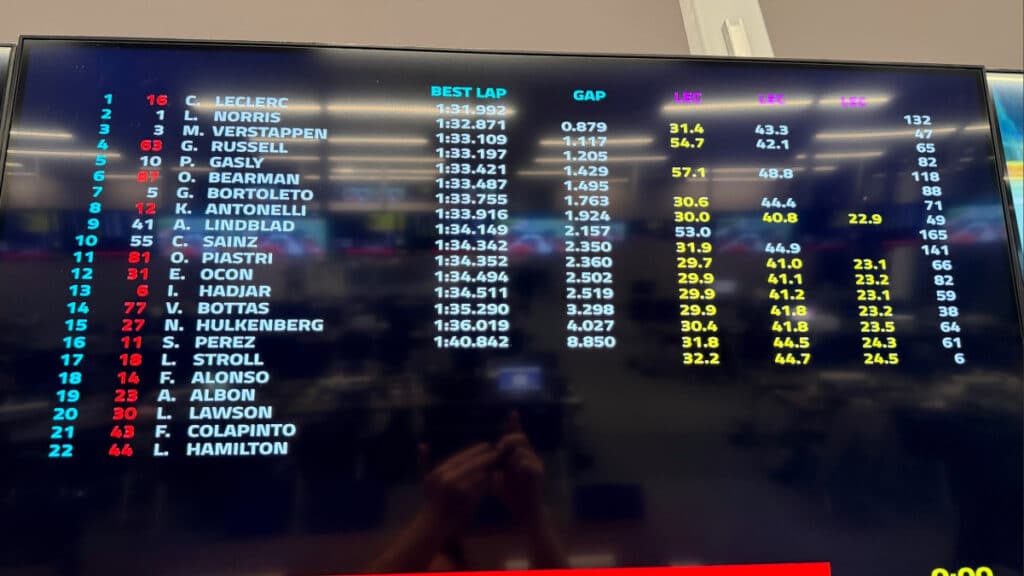
During the final hour — traditionally known as “power hour,” when cooler conditions improve grip — Charles Leclerc completed qualifying simulations and recorded the benchmark lap of the test: 1m31.9. The time was set on C4 tyres, while many rivals remained on C3 compounds. Bahrain’s tyre degradation complicates direct comparisons, but the lap nonetheless carried weight.
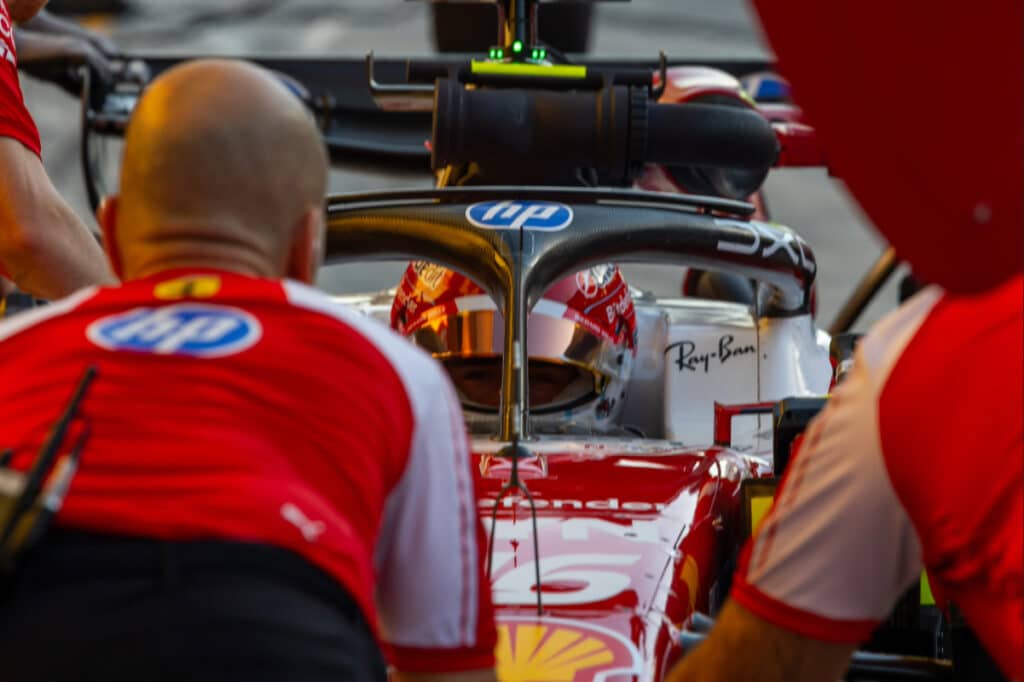
It reflected execution and confidence — and Ferrari’s willingness to push at the close of running.
Behind Leclerc, Lando Norris, Max Verstappen and George Russell remained within a tightly grouped front-running cluster, reinforcing the sense that the top four teams are separated by fine margins rather than clear gaps.
Mercedes Leave Bahrain Operationally Strong
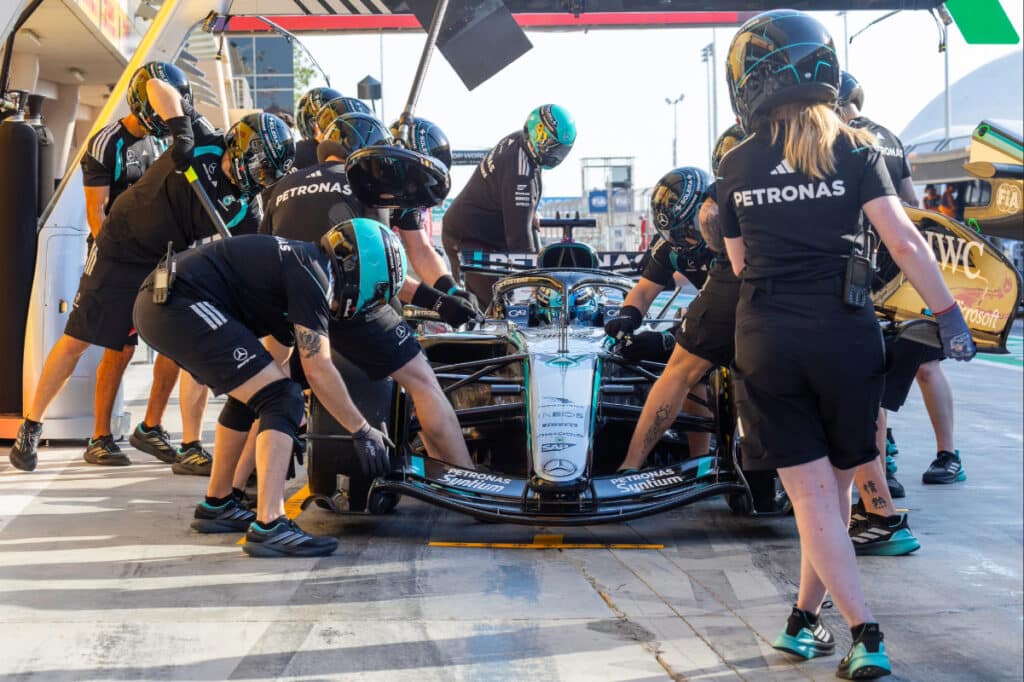
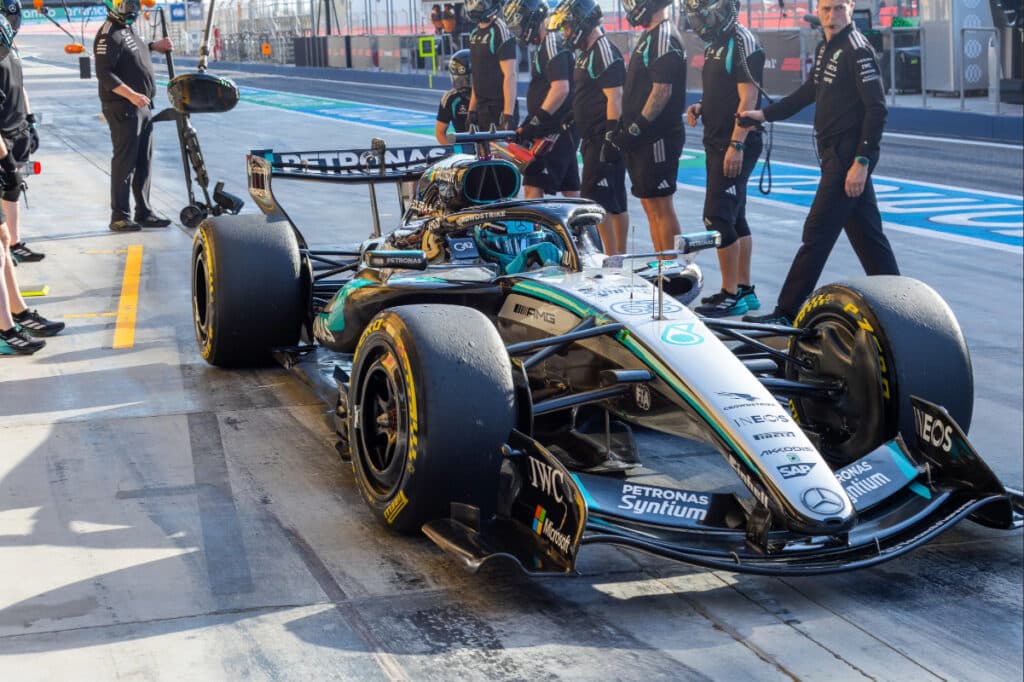
Mercedes depart Bahrain with the strongest overall mileage profile on the grid.
Despite a final-day interruption — Kimi Antonelli suffered a pneumatic issue requiring a full power unit change — the team maintained consistency across the six days. George Russell returned later in the afternoon to complete further running, underlining the operational resilience that has characterised Mercedes’ winter programme.
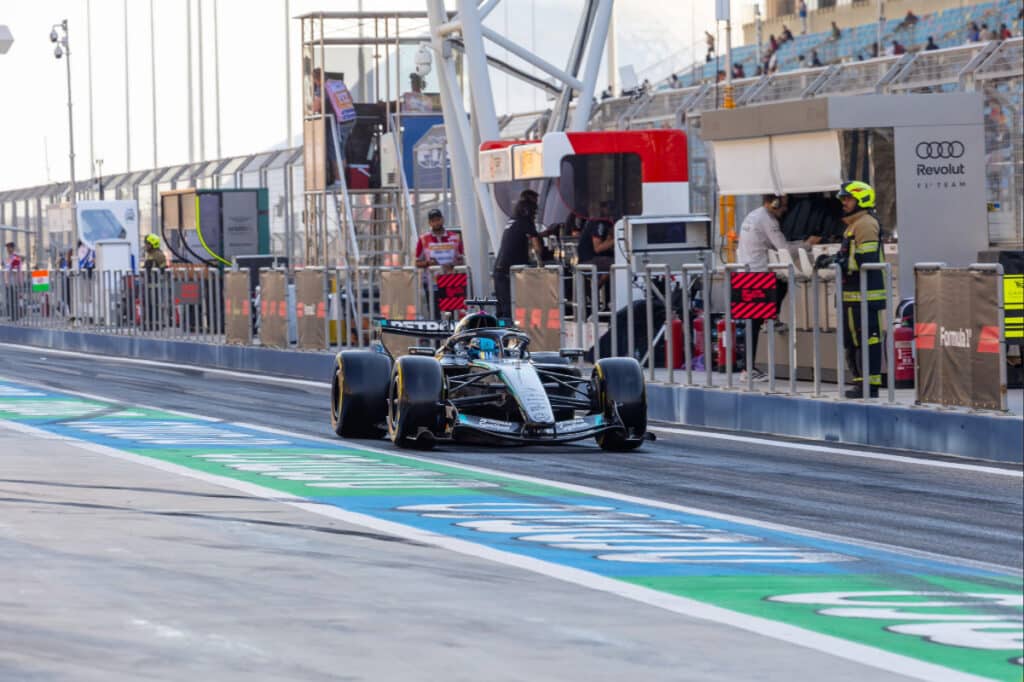
Around the paddock, a quiet suggestion persists: Mercedes may still have performance in reserve.
Testing does not crown champions. But it often reveals preparation. Mercedes appear well positioned.
Technical Experiments Continue
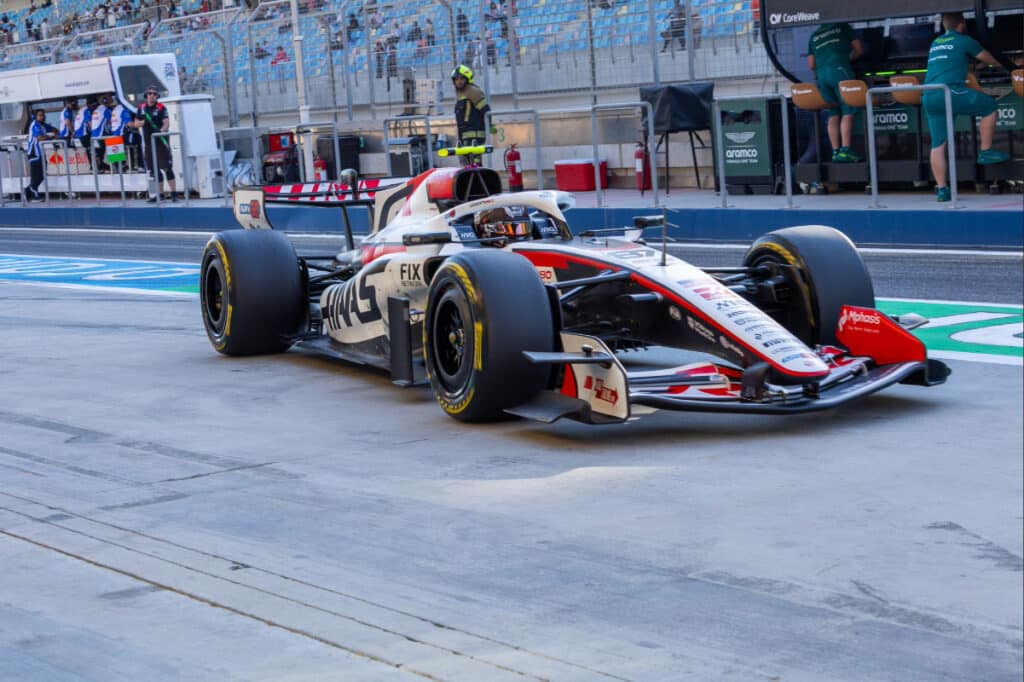
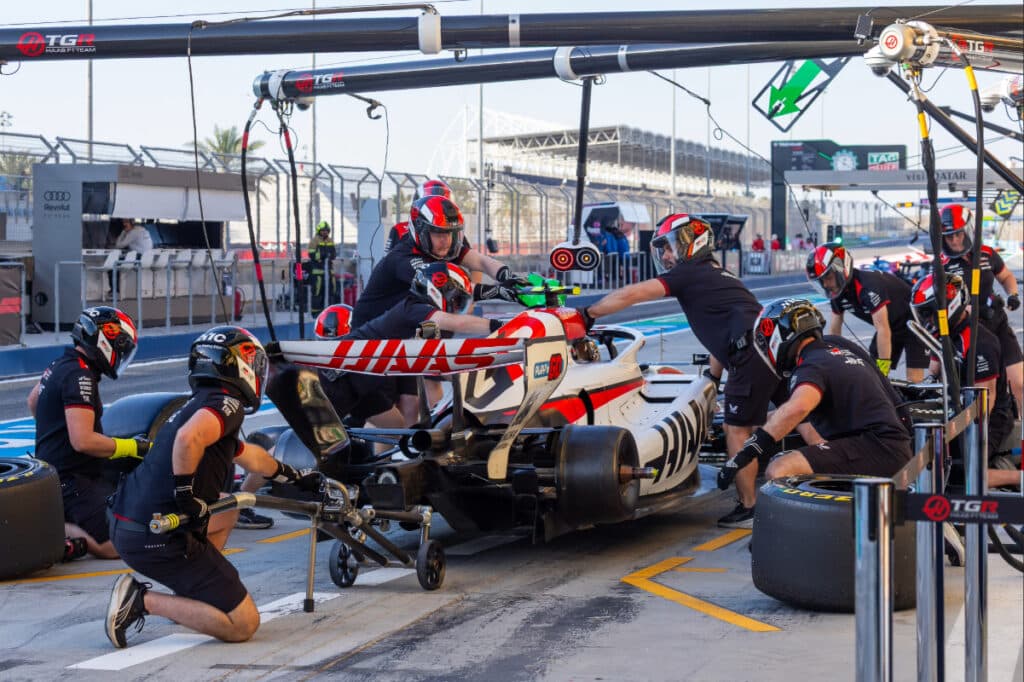
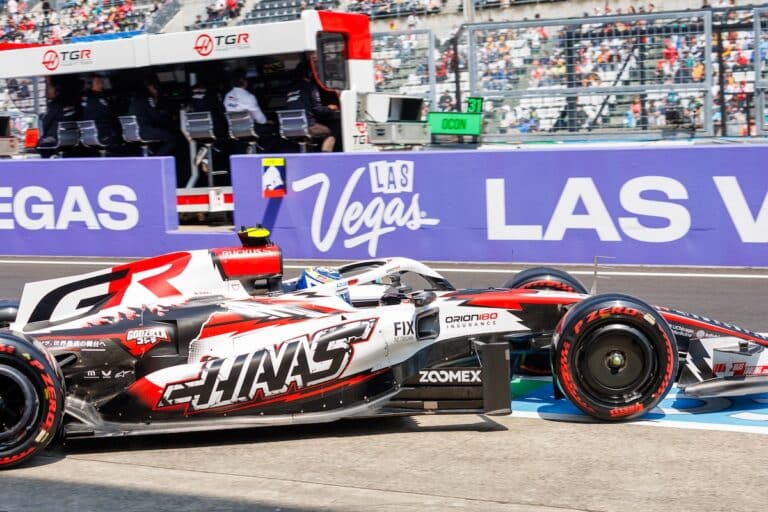
One visually striking moment came courtesy of Haas and Esteban Ocon, who ran intermediate tyres in dry conditions, producing dramatic slides and minimal grip. The exercise was technical rather than theatrical.
Teams are still exploring how partial activation of the new straight-line modes behaves and how the cars respond outside conventional operating windows. Such data may prove valuable later in the season, particularly in changeable conditions.
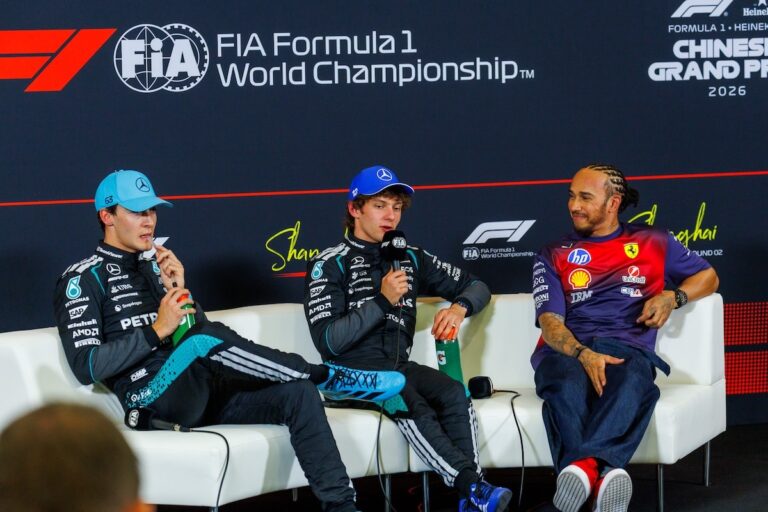
Press Conference Themes: Adaptation Before Australia
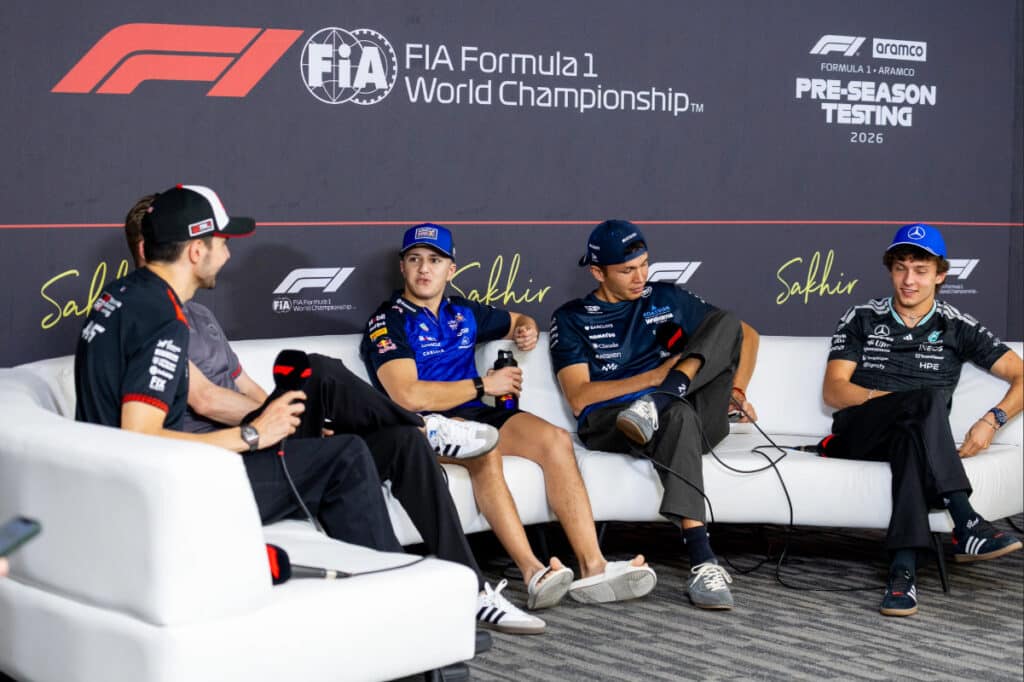
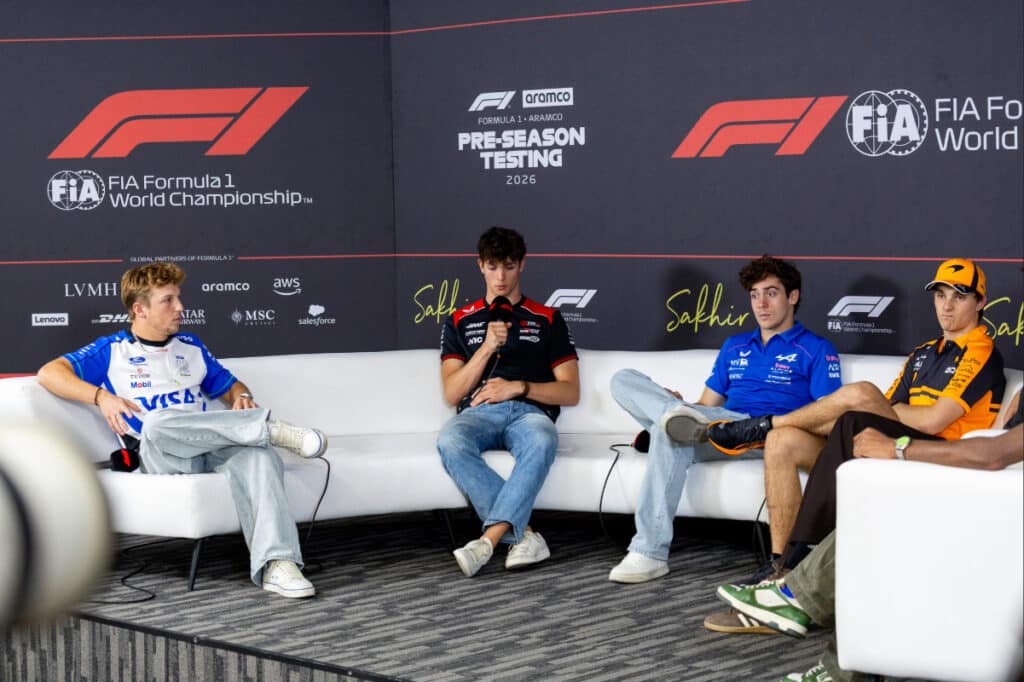
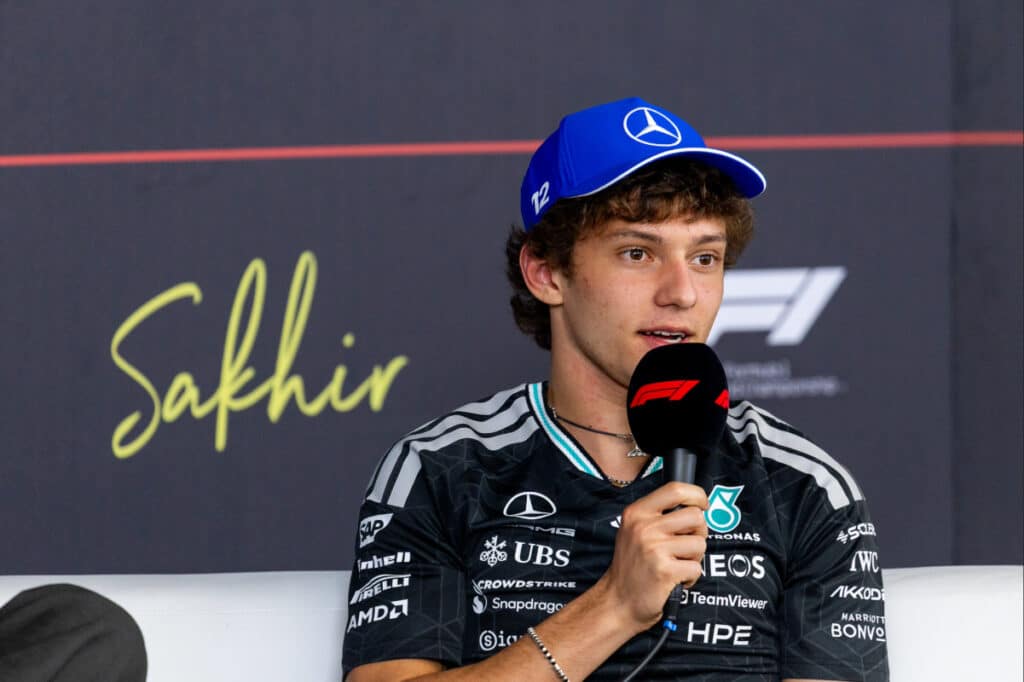
Friday’s media sessions reflected a paddock moving from first impressions to practical realities.
George Russell described steady progression but admitted that reliability “niggles” had repeatedly cost track time. He also warned that the revised start procedure remains unpredictable, outcomes still “very random” as drivers search for consistency under new energy deployment characteristics.
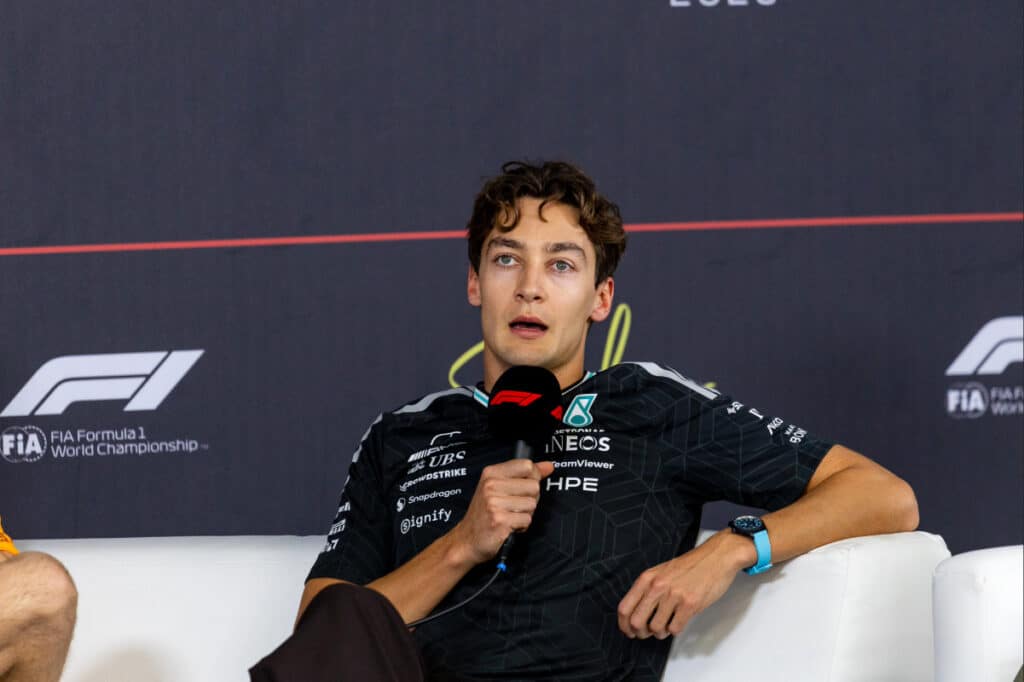
Oscar Piastri emphasised optimisation. The core challenge, he explained, lies in managing harvesting and deployment without sacrificing lap time. Bahrain’s layout has been relatively forgiving. Melbourne, by contrast, is expected to be more harvest-limited and therefore more demanding from the opening session.
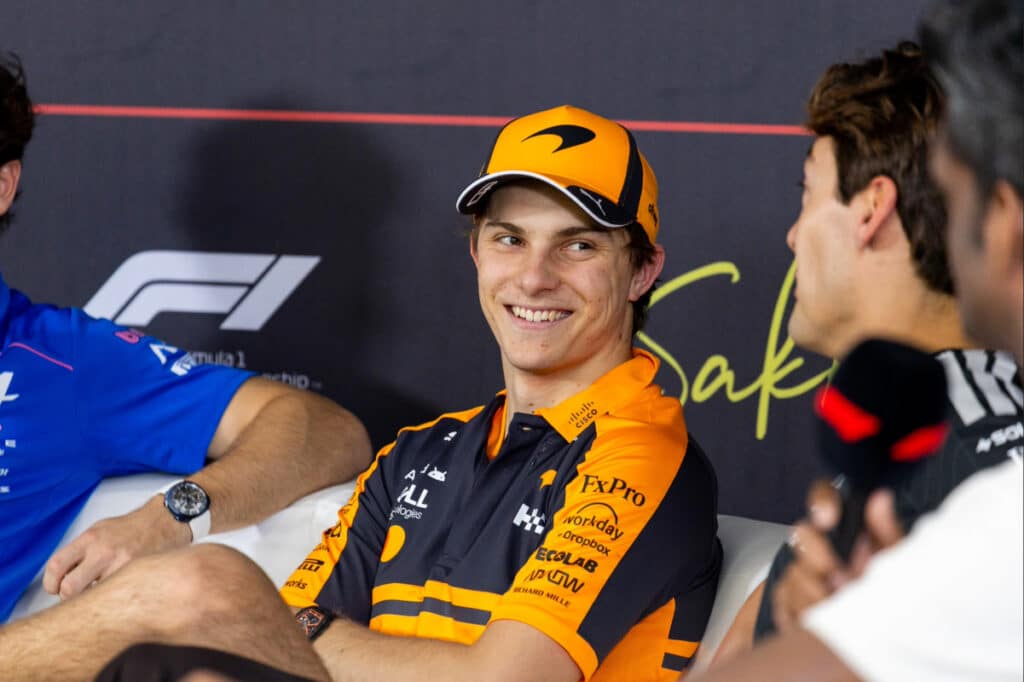
Franco Colapinto reinforced that perspective, noting that adaptation will define the early races because “everything changes” from circuit to circuit. Kimi Antonelli added that solving issues during testing is part of the process, but the competitive picture at the front remains compressed. Melbourne qualifying, he suggested, will provide the first true reference.
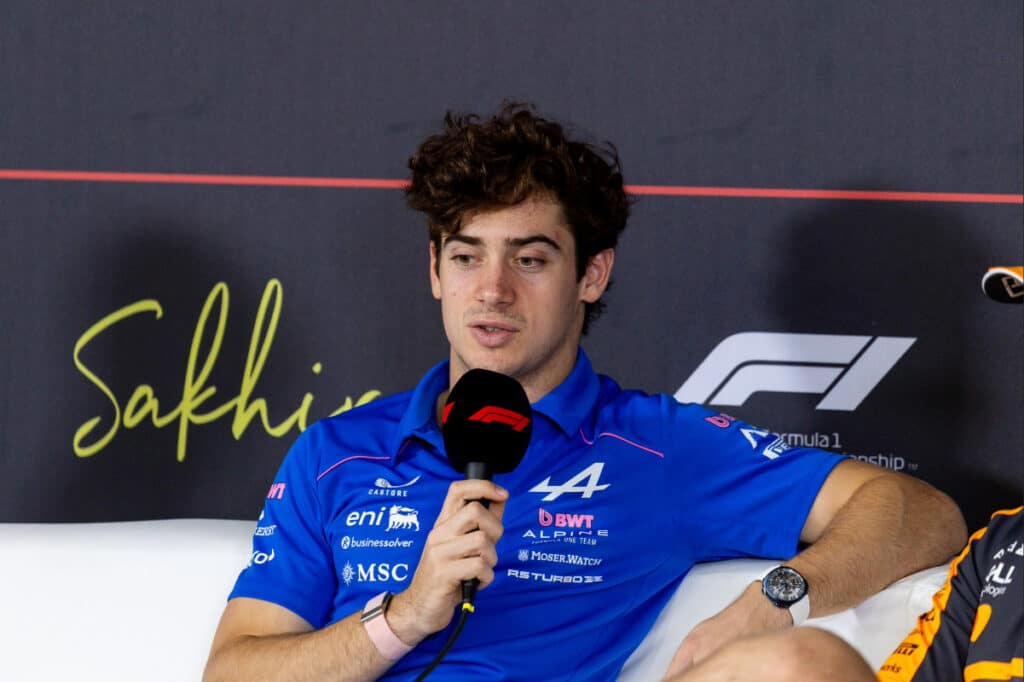
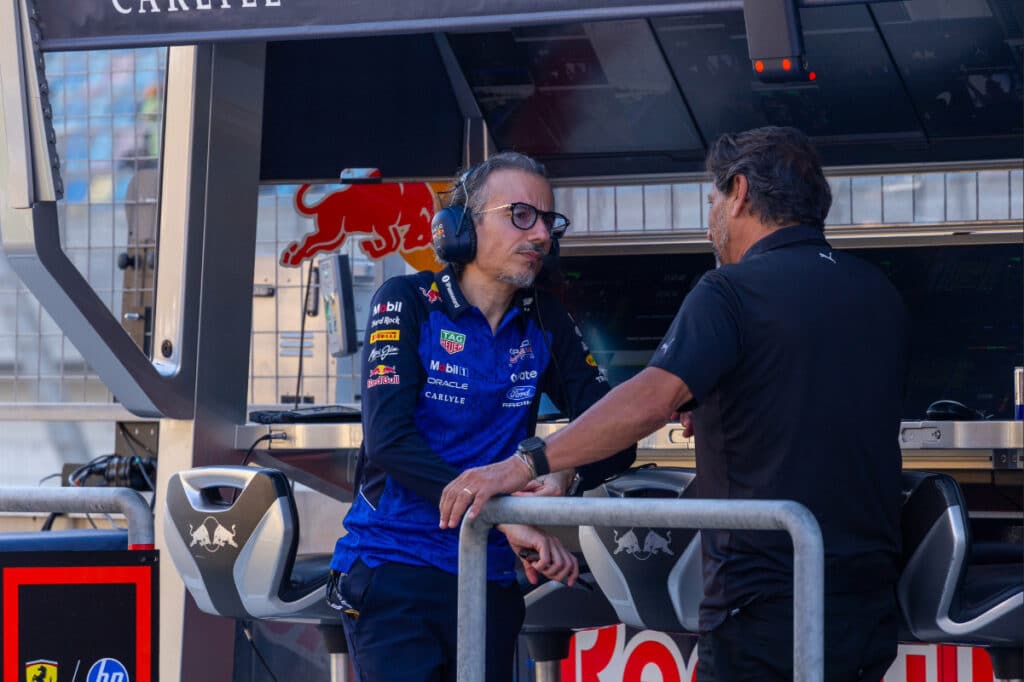
Attention also turned to Red Bull’s evolving internal dynamic. Isack Hadjar described a measured approach alongside Max Verstappen, focusing on simulator correlation and clarity of development direction ahead of race one. He characterised his early collaboration with Verstappen as constructive.
Sergio Perez observed that regulation resets offer fresh opportunity across the grid, while Alexander Albon stressed that rapid adaptation — both to machinery and to a high-performing teammate — will prove decisive.
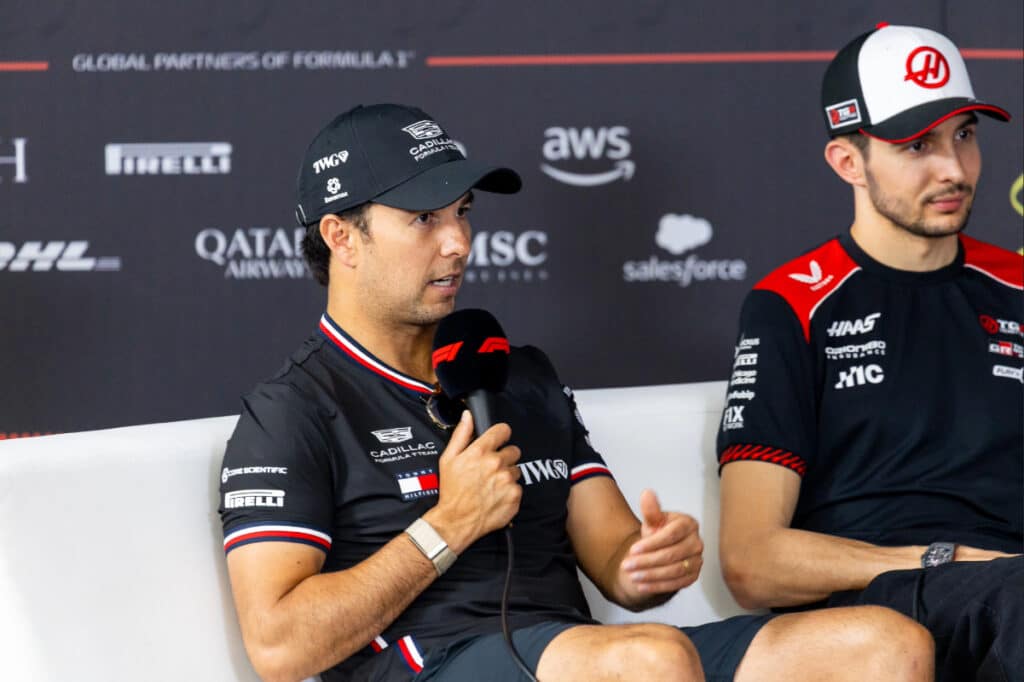
McLaren team principal Andrea Stella concluded the day’s media activity with a balanced assessment. McLaren leave Bahrain encouraged by reliability and productivity, yet he identified Ferrari and Mercedes as the current benchmarks, with McLaren and Red Bull closely matched behind. Looking ahead to Australia, Stella expects energy harvesting and deployment management to become an even greater differentiator.
Competitive Picture After Six Days
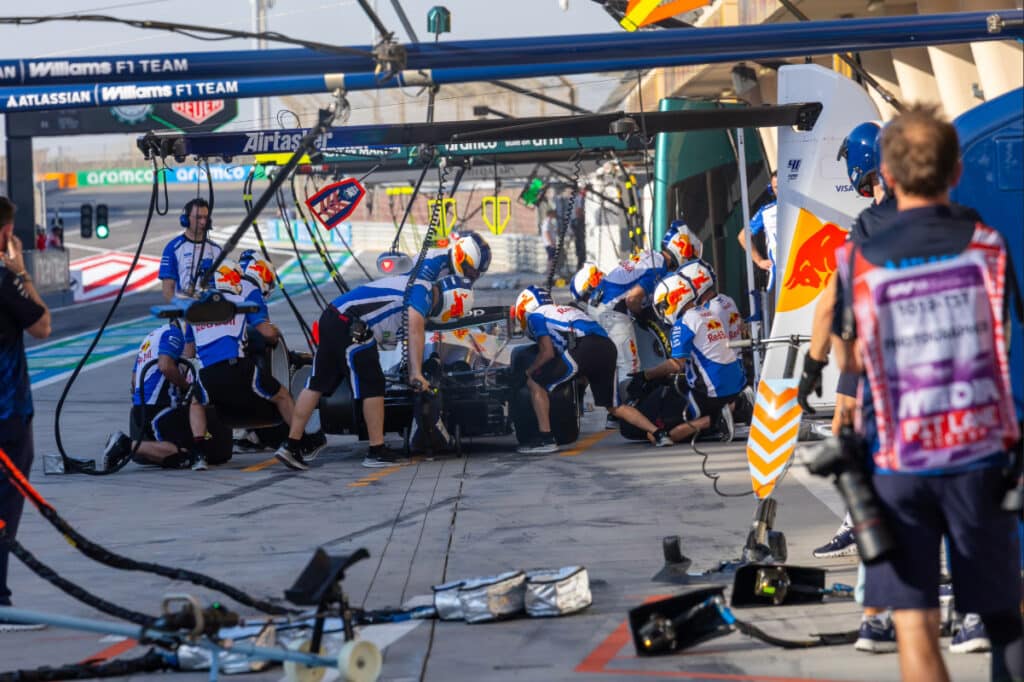
Six days of testing are complete, and the outline of 2026 is emerging.
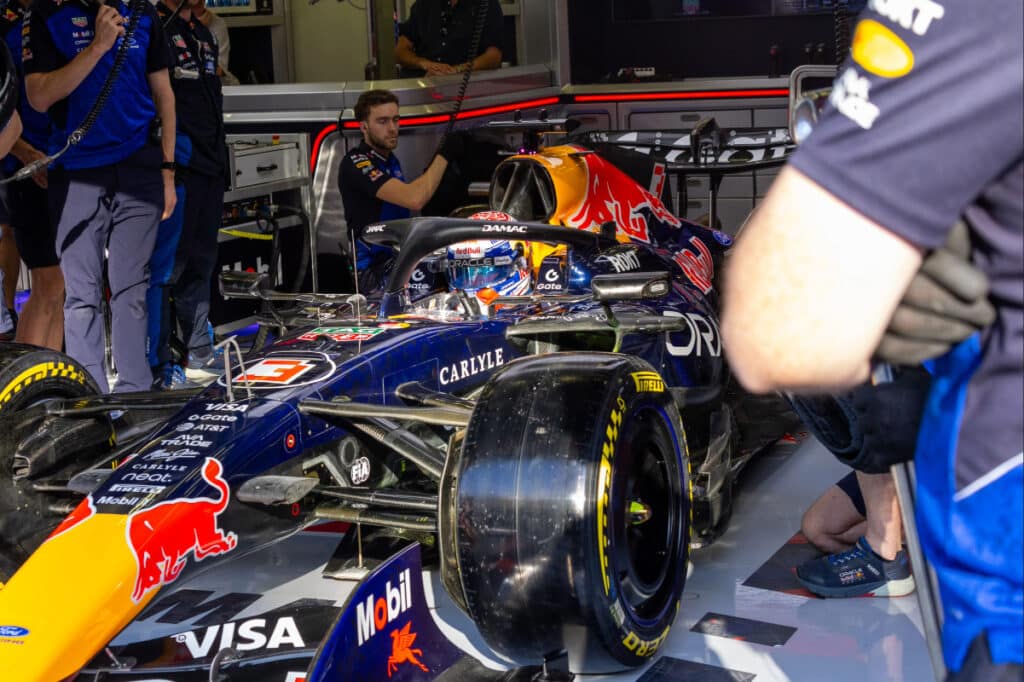
Mercedes leave Bahrain strong in operational sharpness and total mileage. Ferrari demonstrated pace and late-session execution. McLaren remain firmly within the leading narrative. Red Bull sit embedded within the same competitive cluster.
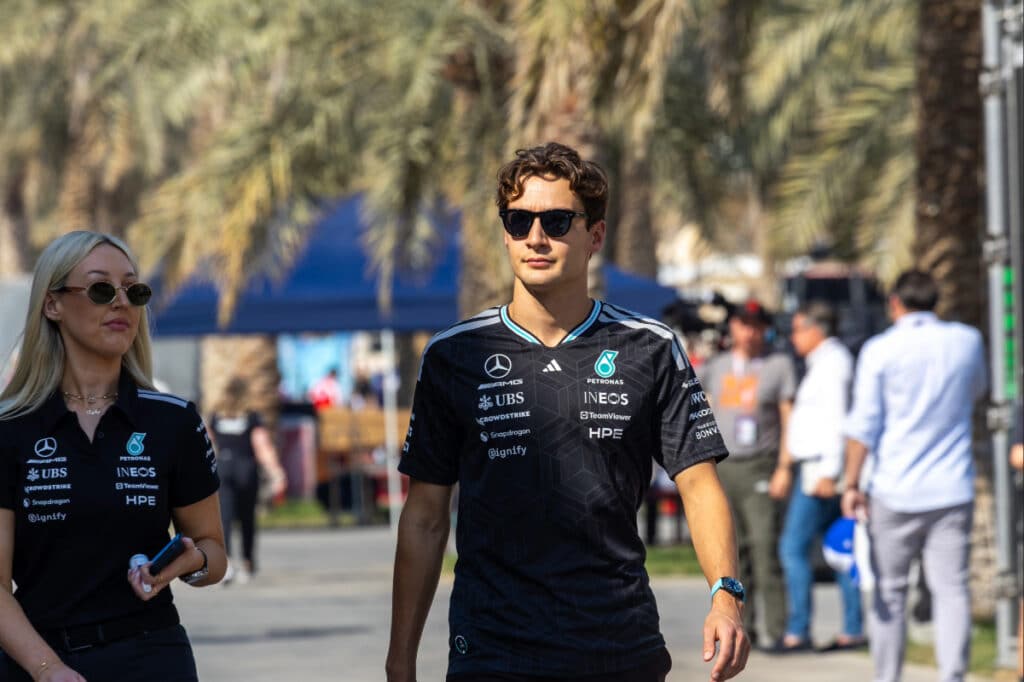
The top four appear closely aligned, with order likely to fluctuate depending on circuit characteristics.
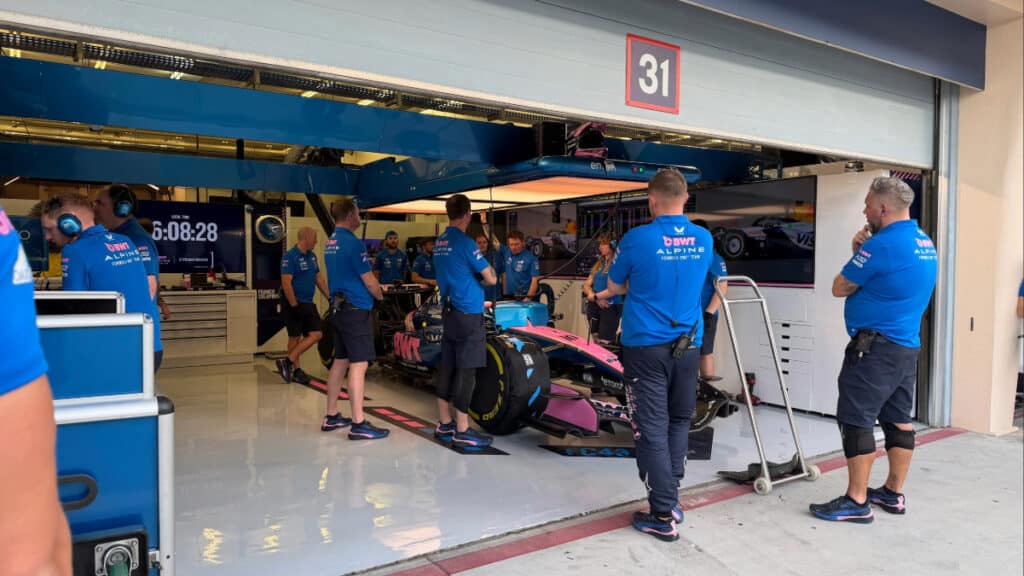
The clearest concern surrounds Aston Martin. Limited mileage, repeated interruptions and an early final-day shutdown leave them heading to Melbourne arguably the least prepared team on the grid.
Cadillac, by contrast, can frame its position differently. For a new project, consistent running and the establishment of a working baseline represent tangible progress. The Ferrari power unit provides a stable technical reference.
Pre-season does not determine championships. But it establishes trajectories.
As Formula 1 leaves Bahrain for Australia, some teams appear ready to refine. Others must first recover.
▶ Watch the full video below:
Read More