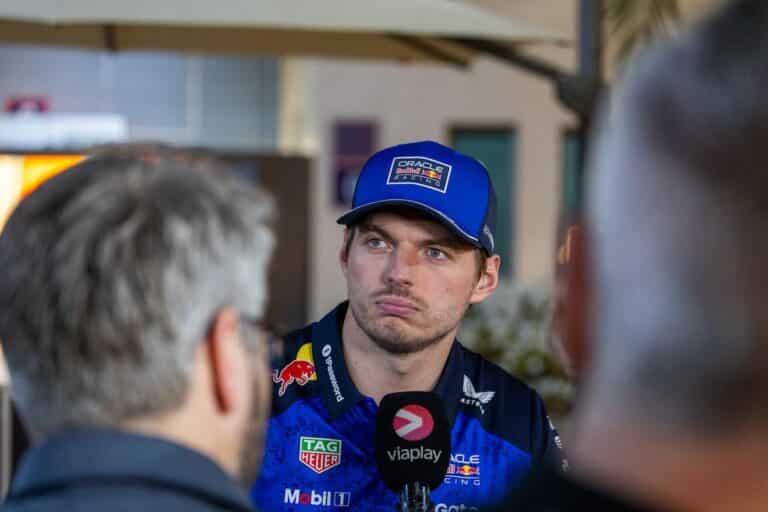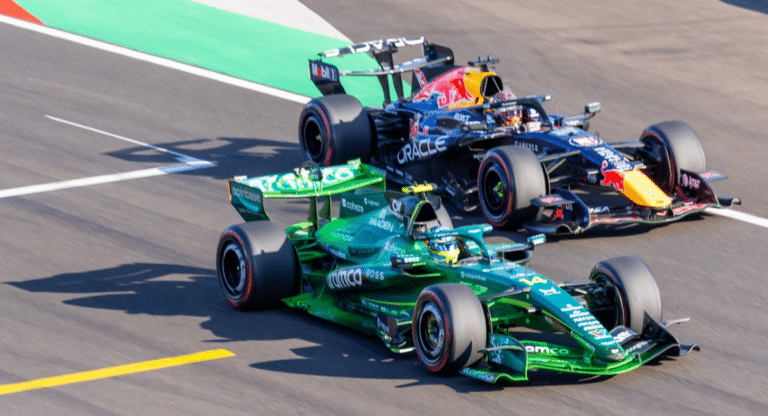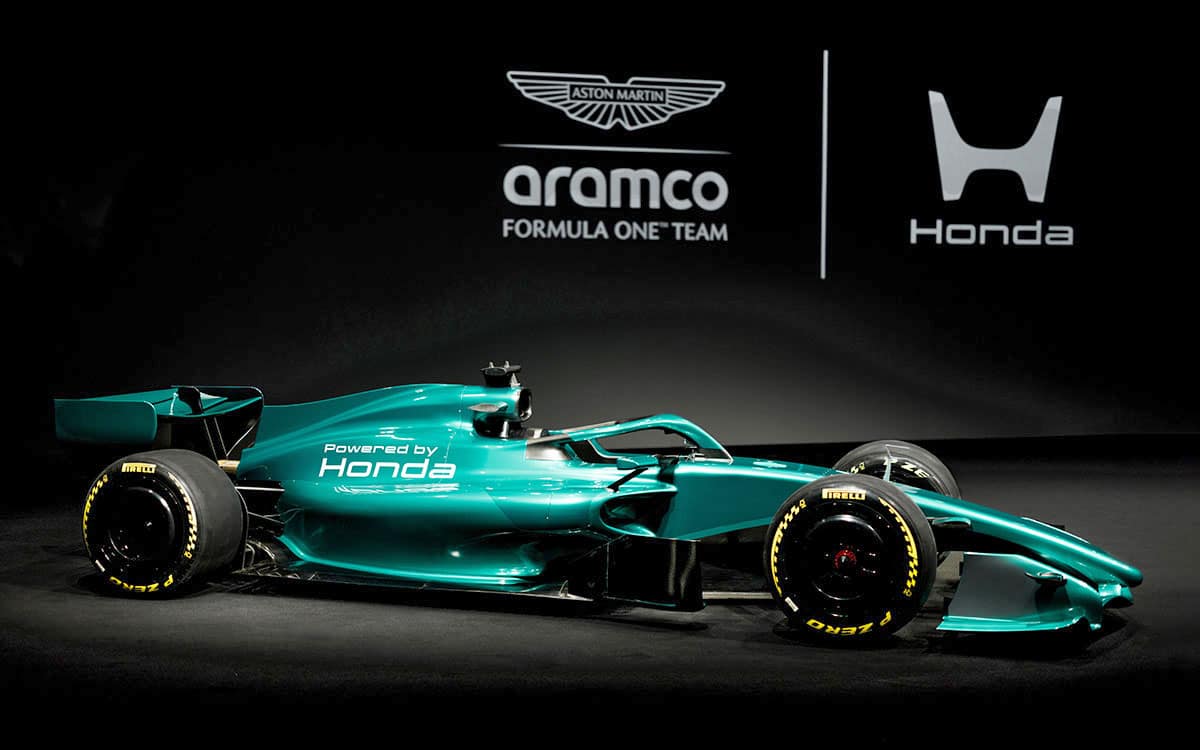
In Tokyo, Honda formally unveiled its new Formula One power unit for the 2026 regulations, opening the next chapter of its works partnership with Aston Martin Aramco Formula One Team. The presentation was measured rather than theatrical, but the ambition behind it was unmistakable.
Both Honda and Aston Martin are building toward something larger than a regulation reset. At its centre sits an unspoken question — whether this project can offer the sport’s defining driver a platform worthy of his next chapter.
The Driver at the Centre
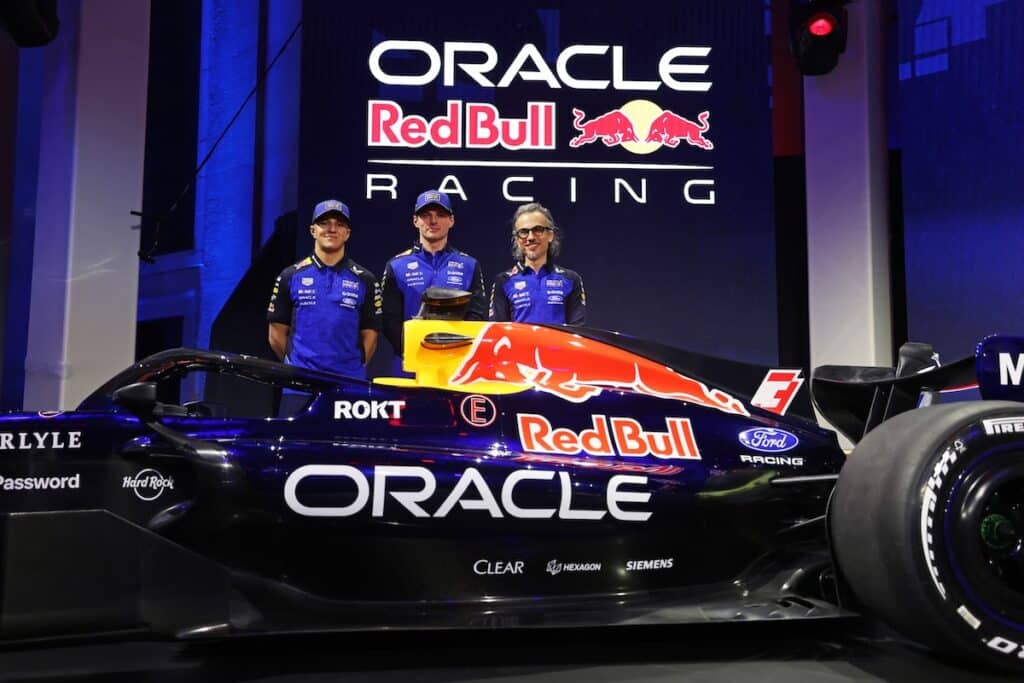
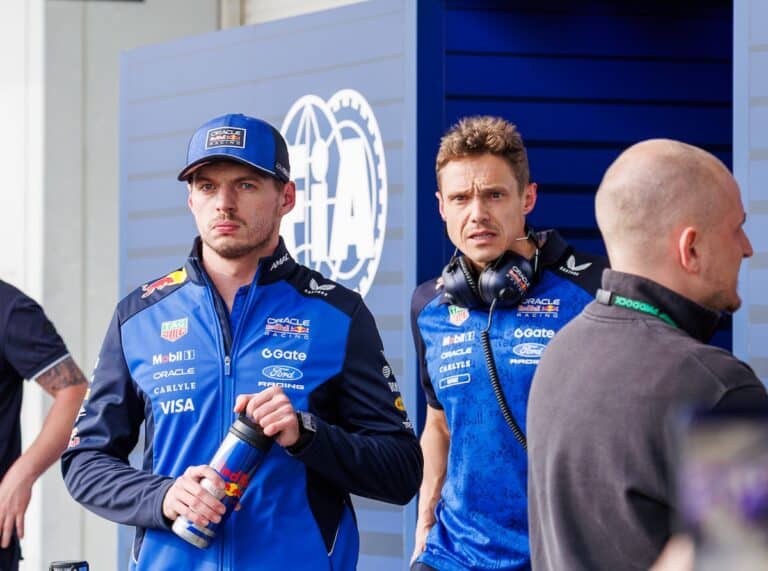
When Koji Watanabe, president of Honda Racing Corporation, spoke to Japanese media about the end of Honda’s partnership with Red Bull, his tone was calm, almost reflective. He described the separation as sad — before adding something far more revealing. Honda, he said, would “of course welcome” the opportunity to work with Max Verstappen again in the future.
Honda does not own a Formula One team, but Watanabe confirmed the company retains influence in driver discussions with its partners. That matters because Verstappen’s relationship with Honda is not symbolic. With Honda power, he has won 66 Grands Prix — more than double the total achieved by Ayrton Senna during his Honda era — making him the most successful Honda-powered driver in Formula One history.
This is not nostalgia. It is a partnership defined by results.
The Structure Being Built Around the Idea
At the Tokyo launch, Honda revealed its new corporate “H” logo, displayed prominently on a green Aston Martin show car to symbolise the beginning of the partnership. When the power unit itself appeared, parts of the display were deliberately obscured — a clear signal that this was not a final race-ready configuration, but a statement of intent.
Honda CEO Toshihiro Mibe, speaking alongside Watanabe and Aston Martin chairman Lawrence Stroll, framed Formula One as the ultimate proving ground for electrification, sustainable fuels, and efficiency. These are no longer future concepts, he said, but present demands.
Aston Martin, for its part, is aligning its entire organisation around the partnership. A new technology centre at Silverstone is complete. A wind tunnel is operational. A data centre is coming online. This is not a short-term play, but an attempt to build lasting credibility in a grid increasingly defined by manufacturer commitment.
Why Verstappen Changes the Equation
Any discussion about Verstappen ultimately comes down to competitiveness. He has never hidden that performance comes first — not branding, not sentiment, not legacy.
For Aston Martin, that reality raises the stakes of its 2026 project. Honda power. A fully integrated works structure. And the influence of Adrian Newey, shaping the car behind the scenes.
If those elements align, Aston Martin becomes something it has never been in the modern era: a genuine destination team. For Lawrence Stroll, pairing Verstappen with his son would deliver instant competitive credibility and long-term validation of the project he has built. For Newey, Verstappen remains the benchmark driver around whom championship-winning cars are designed. And for Honda, a reunion would close a circle it never intended to leave open.
The Wider Context
Honda’s previous withdrawal from Formula One reshaped the grid. It forced Red Bull into building its own power unit operation from scratch, a high-risk move supported by a later partnership with Ford. While Red Bull insists the collaboration runs deep, neither partner enters the 2026 era with a proven modern hybrid pedigree.
That uncertainty is precisely where Honda and Aston Martin see opportunity. During the Tokyo presentation, Honda emphasised electrical systems and thermal management as core development priorities — areas that will be decisive under the new regulations, where hybrid performance rivals combustion in importance.
The message was subtle but clear: this project believes it can be technically robust where others remain unproven.
What Comes Next
For now, Honda’s confidence is measured rather than declarative. Whether Verstappen ever chooses to walk through the door will depend on one factor alone — speed, and tangible proof that this partnership can deliver championship-winning performance over time.
Mercedes, too, remains attentive, widely expected to offer a strong package at the start of the new era, though history complicates that path. As Formula One approaches its biggest reset in a generation, Verstappen’s future will not be shaped by branding or public statements.
It will be decided when the lights go out — and one project proves itself worthy.
▶ Watch the full video below: