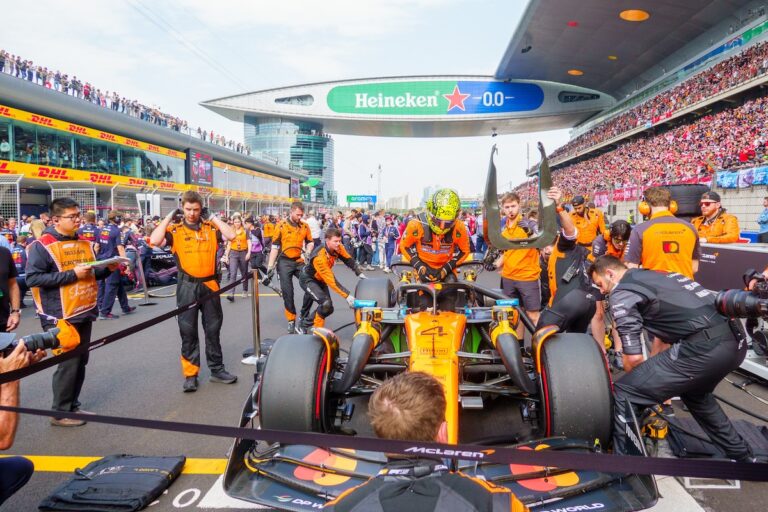
By the time Formula One arrived in Suzuka, the narrative had already shifted. One driver was coming to terms with demotion, another was stepping into a role shaped by national expectation, and the paddock itself felt noticeably fuller again. Families, partners, and familiar faces returned after the early fly-away races, restoring the full Grand Prix atmosphere that defines Japan’s place on the calendar.
Suzuka always feels distinct. Set among trees and far from the city, the circuit is calm and precise, yet deeply emotional once fans arrive. Handmade cosplay, anime-inspired helmets, and carefully painted flags lined the walkways from early morning. Even persistent spring rain failed to dampen spirits, with more than 115,000 fans attending on race day alone. Honda banners dominated the landscape, reinforcing the sense that this was more than just another stop on the calendar.
Celebrity, Culture, and Calm Control
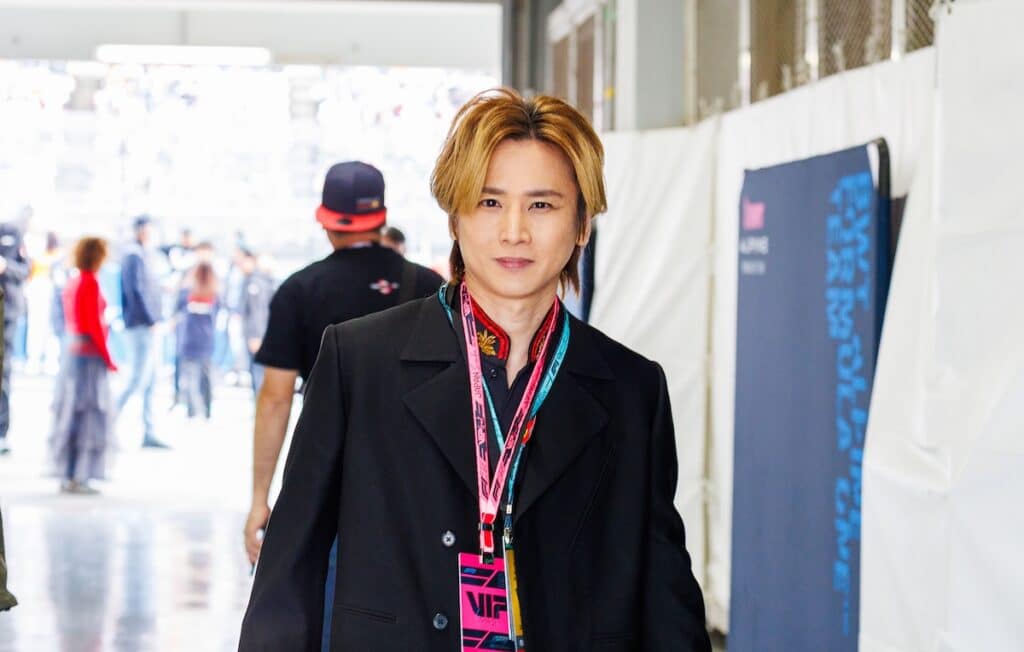
The paddock reflected Suzuka’s uniquely controlled energy. Local celebrities moved quietly between hospitality areas, drawing attention without disruption. Koichi Domoto, a long-time Formula One fan, was spotted throughout the weekend, while actress Sumire attracted steady interest from local media.
Haas team principal Ayao Komatsu was a prominent presence, and Princess Akiko of Mikasa attended as guest of honour for the national anthem ceremony, adding cultural significance that resonated strongly with Japanese fans. Suzuka’s paddock never feels chaotic — excitement exists, but it is carefully contained.
WAG Watch: Familiar Faces and Notable Absences
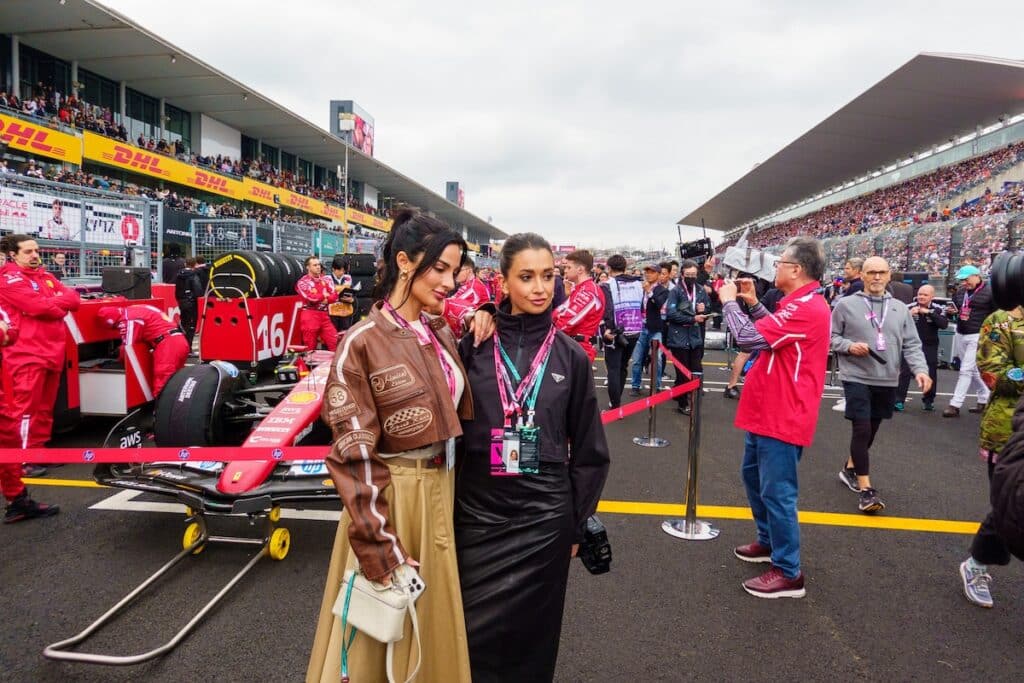
With the full Grand Prix atmosphere restored, WAGs and partners were again a visible part of the paddock. Lily He supported Alex Albon as Williams continued its encouraging early-season form. Lily Zneimer moved between hospitality areas, while Hannah St. John remained close to Liam Lawson during a weekend marked by personal pressure.
Some absences were equally noticeable. Alexandra Saint Mleux, usually present at Suzuka supporting Charles Leclerc, did not attend this year. Kelly Piquet, a familiar figure alongside Max Verstappen in recent seasons, was also absent, remaining at home ahead of the birth of their child later in the spring. For the first time in years, Verstappen navigated Suzuka without her.
The shifting presence of partners subtly reflected the changing dynamics across the grid.
Yuki Tsunoda and the Weight of Expectation
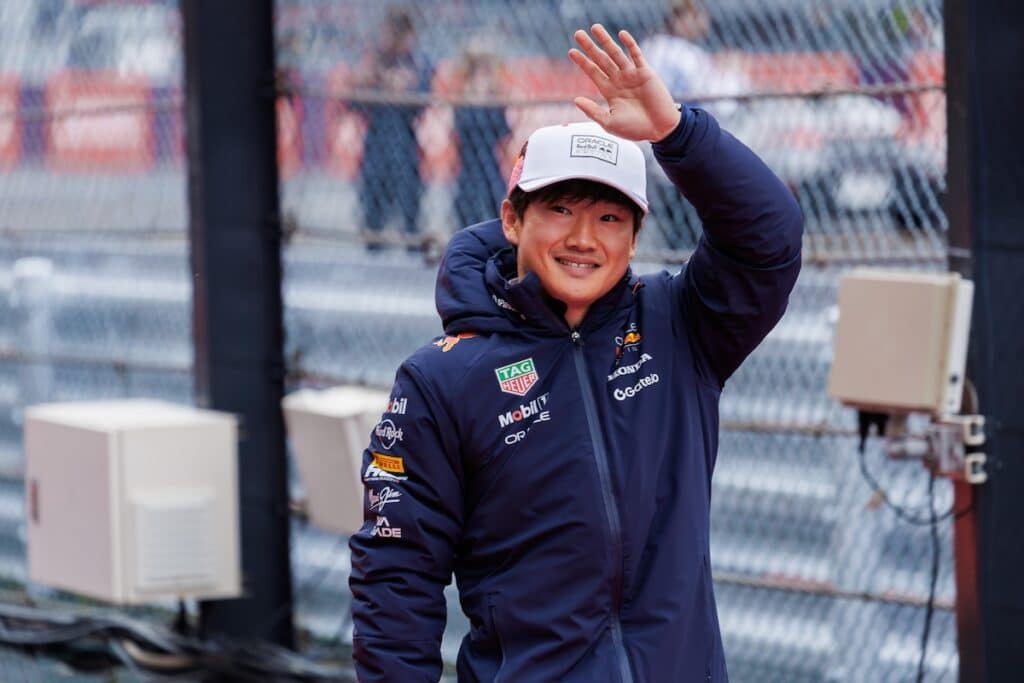
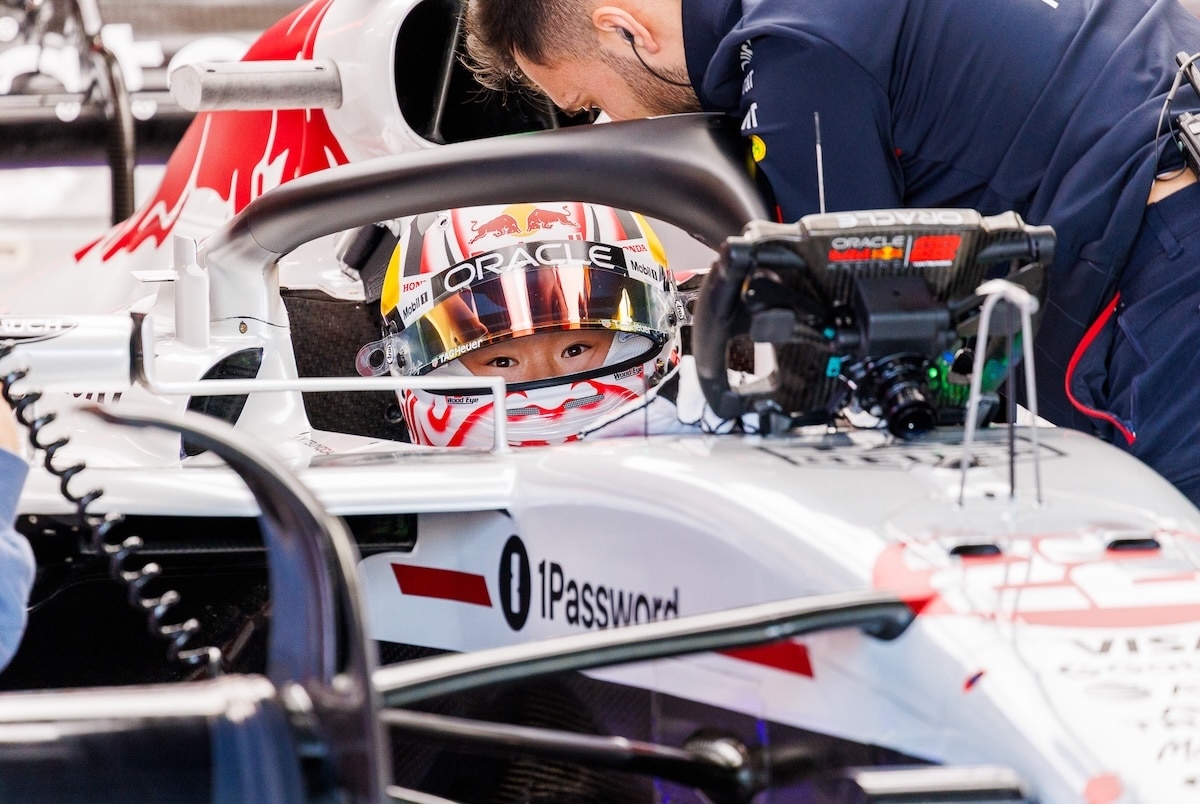
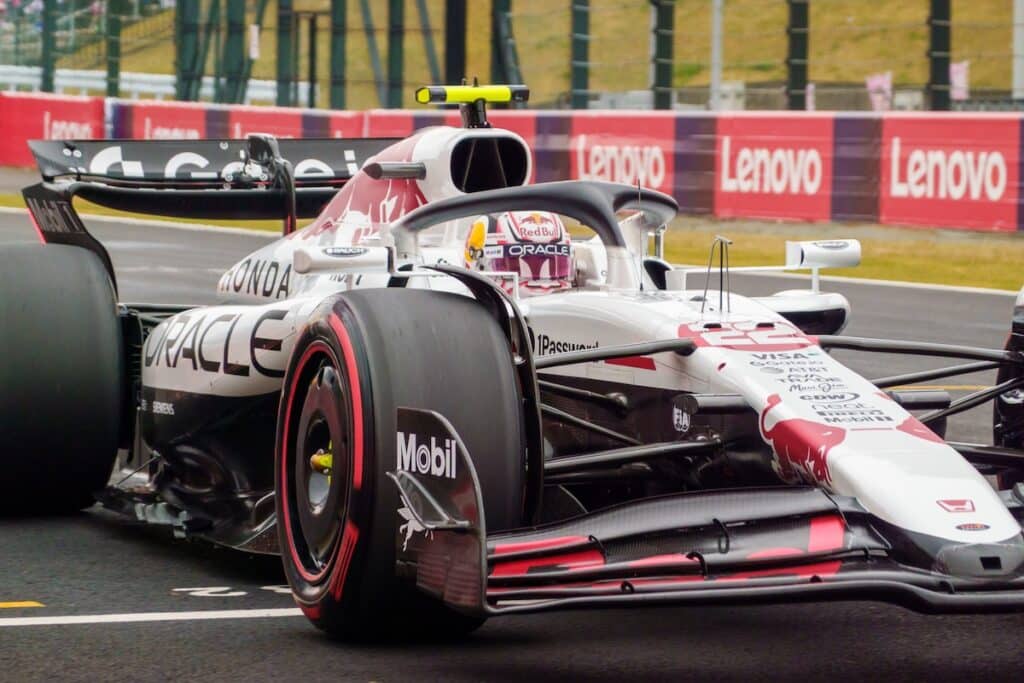
No driver arrived under greater emotional pressure than Yuki Tsunoda. Promoted into the Red Bull seat ahead of his home Grand Prix, he carried not only team expectations but national ones. Suzuka is Honda’s home circuit, and this marked the final Japanese Grand Prix of the Honda–Red Bull partnership.
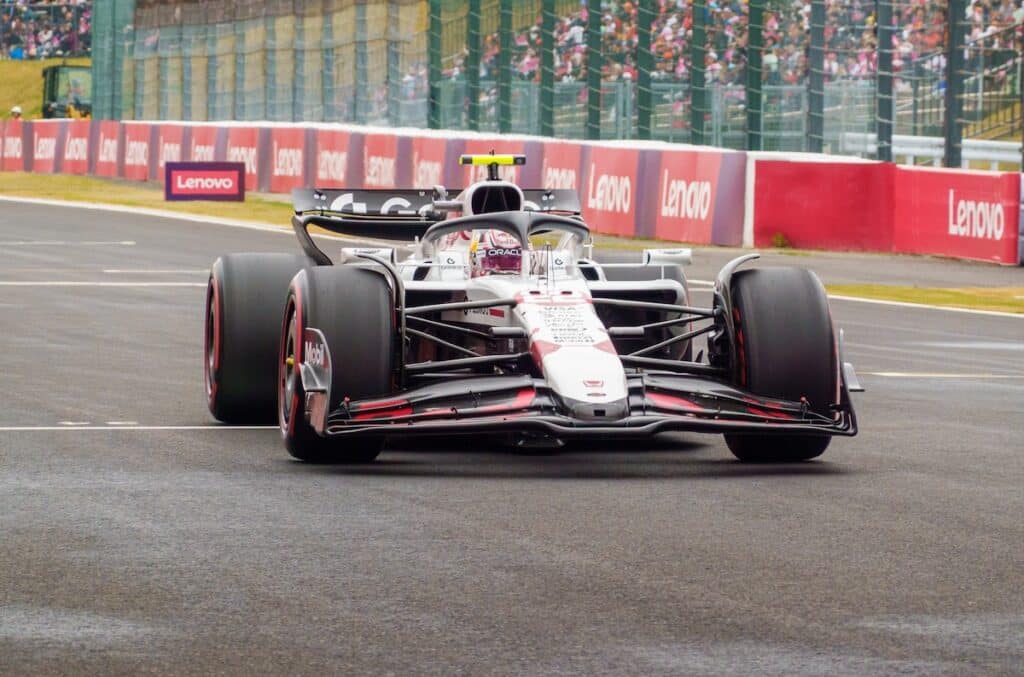
Red Bull acknowledged the moment with a special white-and-red livery, honouring Honda’s first Formula One victory in 1965. During the drivers’ parade, Tsunoda received one of the loudest reactions of the weekend. When his image appeared on the big screens, cheers cut across team loyalties entirely.
For this weekend, Tsunoda was not simply another driver. He was the focal point of the event.
His confidence was clear, reinforced by encouraging early-season performances and bold statements following the Chinese Grand Prix. Yet stepping into a Red Bull seat alongside Max Verstappen represented a challenge on a completely different scale.
Verstappen, McLaren, and Shifting Balance
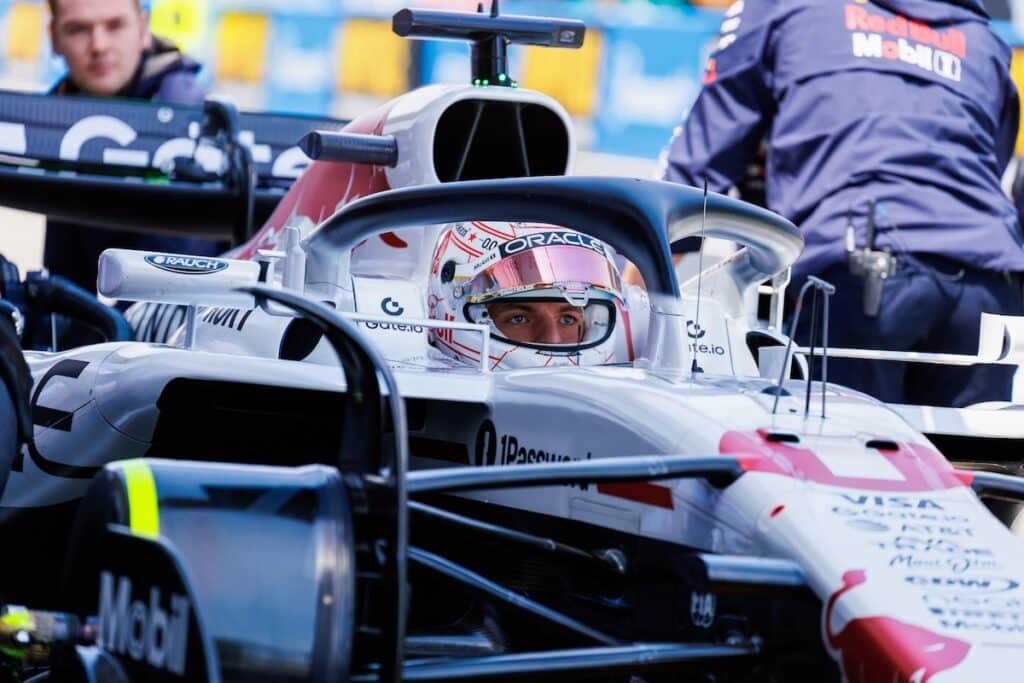
For Max Verstappen, Suzuka represented familiarity and opportunity. After two difficult weekends by Red Bull’s standards, this was a circuit he knows intimately and one where Honda power traditionally shines. The atmosphere around him was focused rather than celebratory.
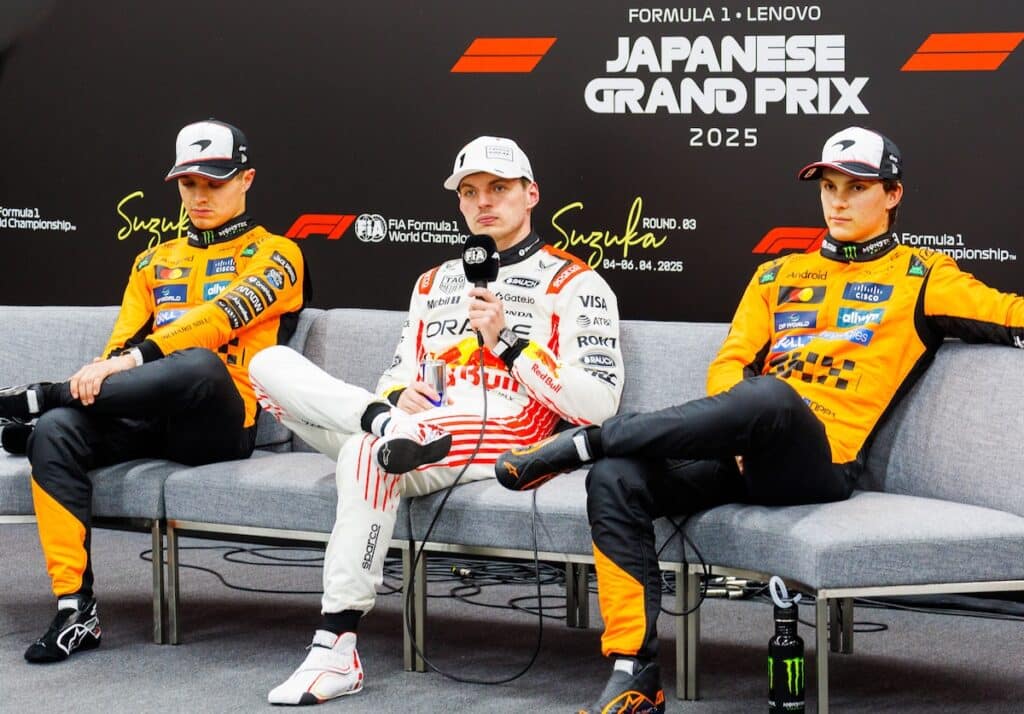
McLaren’s presence added tension. Their car proved competitive once again, but internal dynamics between Lando Norris and Oscar Piastri began to surface more openly. The rivalry, subtle at first, showed signs of becoming a defining subplot for the season.
On track, Verstappen delivered when it mattered, securing pole position and later converting it into victory. Tsunoda, still adapting, struggled throughout the weekend and qualified behind Liam Lawson, who was racing for Racing Bulls after his demotion.
Sunday’s Reality and What Followed
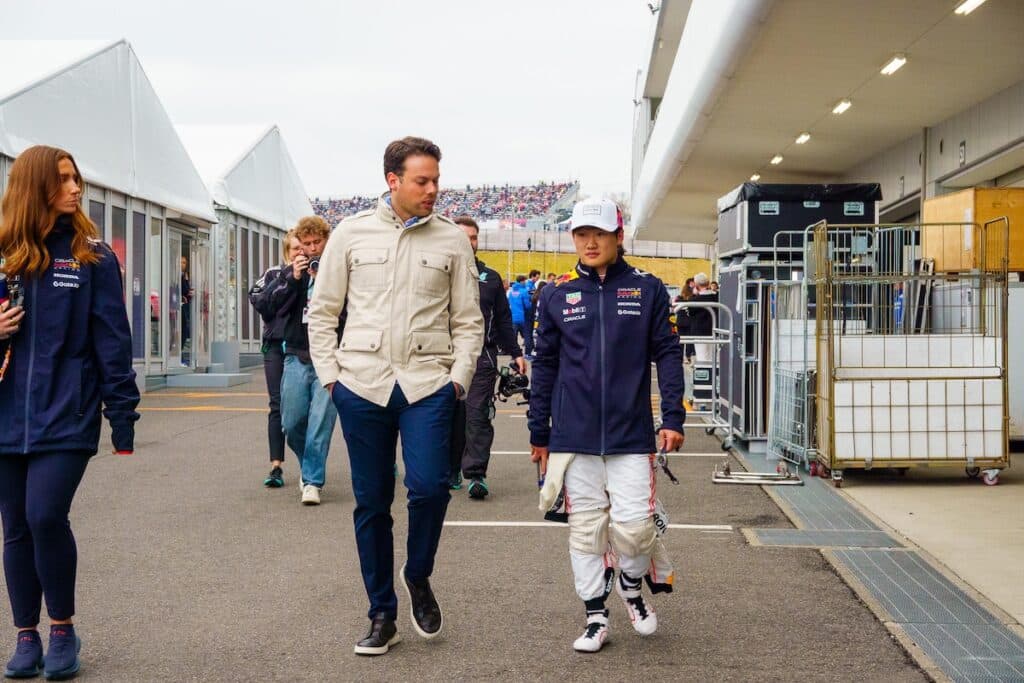
Verstappen’s victory restored momentum for Red Bull and reinforced his position at the centre of the title fight. McLaren left Suzuka aware that internal balance would require careful management as the season progressed.
For Tsunoda, the weekend ended without points and with confidence visibly shaken. Liam Lawson finished further back, underscoring how quickly fortunes can shift within the Red Bull system.
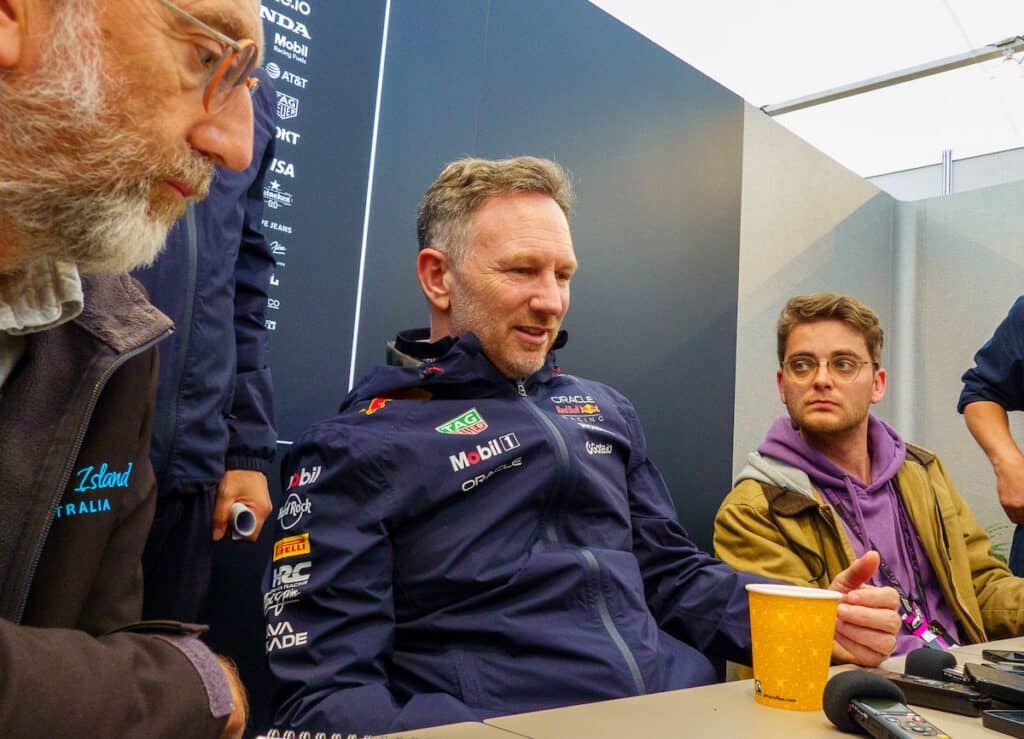
As the paddock emptied, questions lingered. Had Red Bull truly regained stability, or was this simply a brief reset? How would the seat alongside Verstappen be judged moving forward? And would McLaren allow their internal rivalry to play out freely, even at the risk of long-term consequences?
The answers would not come immediately. But as Formula One packed up and headed back toward Bahrain, one thing was clear — the season’s emotional and competitive undercurrents were accelerating fast.
Read More: